
10,000 Layer Poultry Farm Investment Analysis
Investing in a 10,000 layer poultry farm can be a lucrative business opportunity, especially with the growing demand for eggs and poultry products globally. However, like any other agribusiness, setting up and managing a commercial layer farm requires careful planning and a deep understanding of the associated costs and returns. This article will walk you through a detailed investment analysis for a 10,000 bird layer farm, focusing on cost structure, expected returns, and strategies to maximize profitability. Whether you’re a new investor or an experienced farmer looking to expand, this analysis will serve as your roadmap.
Initial Setup and Infrastructure Costs
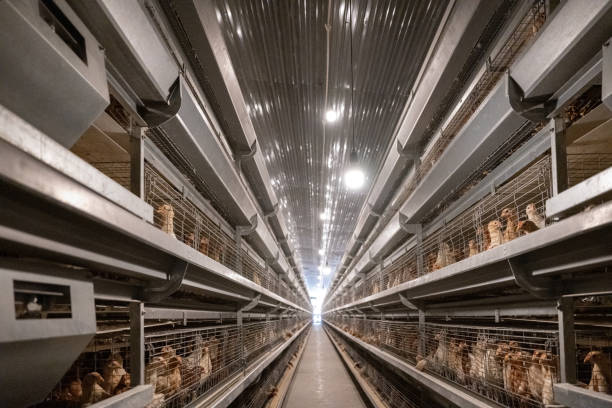
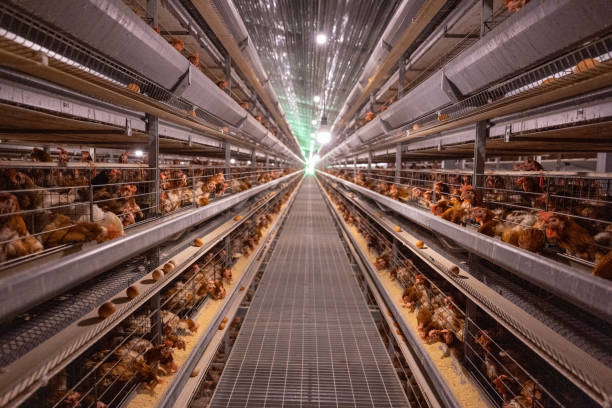
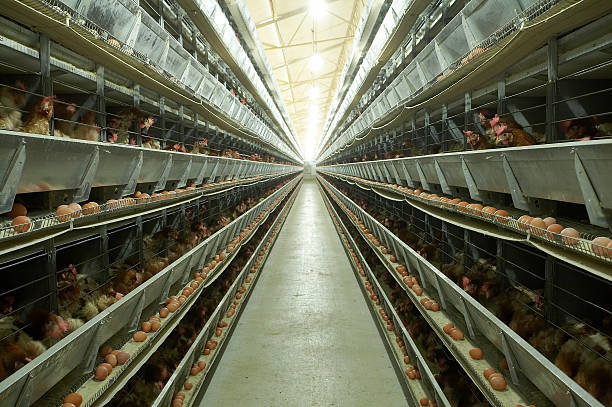
The first and most significant step in launching a 10,000 layer poultry farm is laying down the infrastructure. The type of housing system you choose will heavily influence your initial setup costs. Common layer housing systems include cage systems, aviary, and free-range setups. For commercial farms, the cage system is the most popular due to its efficiency and space utilization.
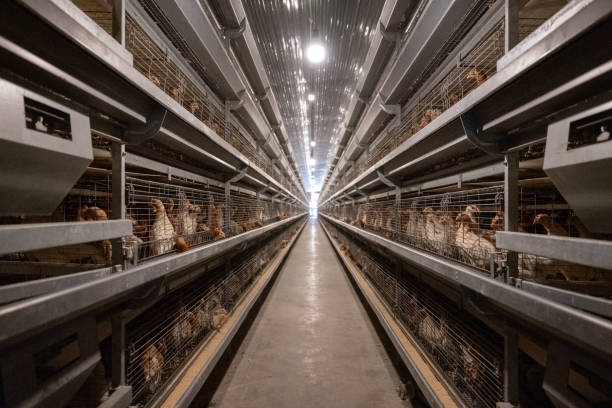
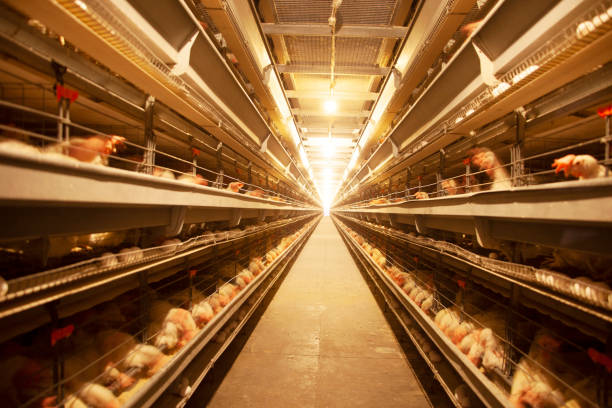
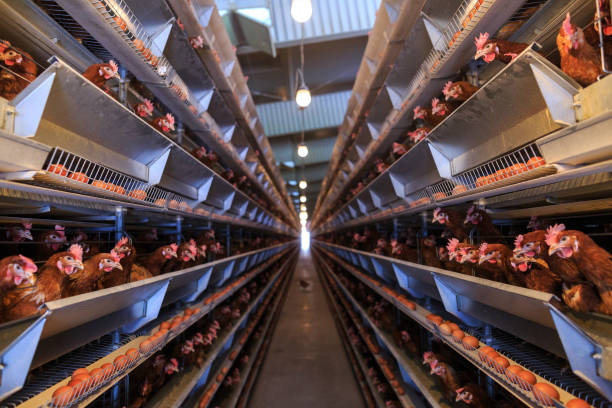
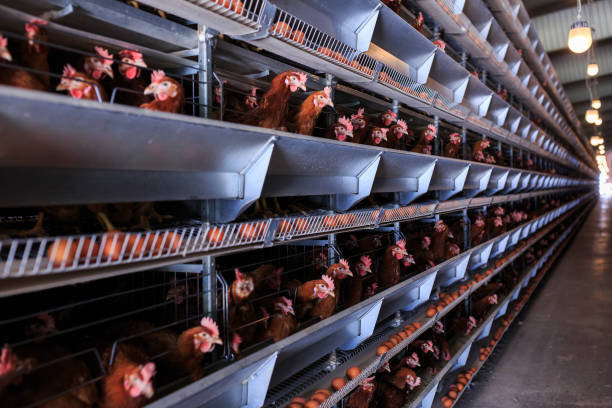
A modern cage system for 10,000 layers typically includes layer chicken cages made from high-quality galvanized steel to ensure durability and ease of maintenance. The equipment needed involves automatic feeding systems, water lines, manure removal systems, and ventilation units. These systems ensure better health management and reduce labor costs.
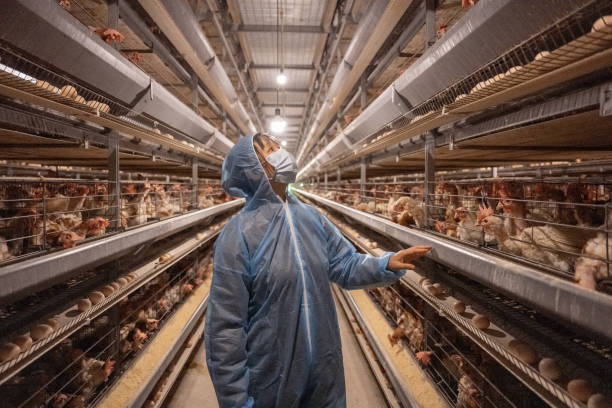
In terms of physical infrastructure, you will need at least two large poultry houses that allow for proper biosecurity, proper waste management, and optimal air circulation. The total infrastructure cost including building, equipment, land development, and site preparation can range between $60,000 to $120,000 depending on your geographic location and whether you choose fully automated systems or rely on semi-automated processes.
At Livi Machinery, we specialize in designing turnkey solutions for 10,000 layer poultry farms, offering everything from chicken cages to complete ventilation and feeding systems tailored to your needs. Our experienced team can assist you from planning to project completion, ensuring a cost-effective and smoothly operating farm.
Birds, Feeding, and Daily Operating Costs
Once the infrastructure is in place, the next major investment is the purchase of day-old chicks or point-of-lay pullets. For a 10,000 bird operation, you can either raise birds from day one or purchase ready-to-lay chickens from a reputable breeder.
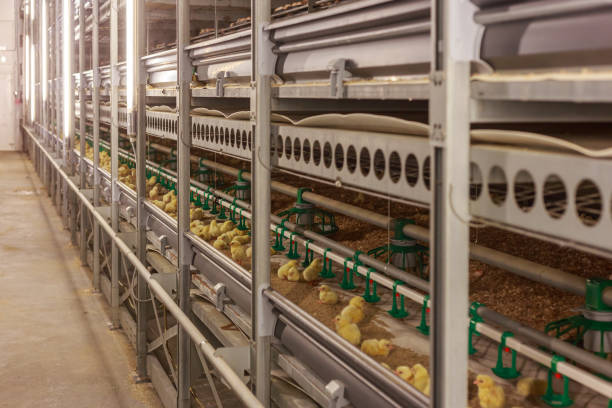
Day-old chicks are cheaper, costing around $1.5–$2.5 per chick, but they require an additional 16–18 weeks of rearing in a dedicated brooding and growing house before they can start laying eggs. On the other hand, point-of-lay pullets cost more — anywhere from $5 to $8 per bird — but they shorten your breakeven period since egg production can begin almost immediately.
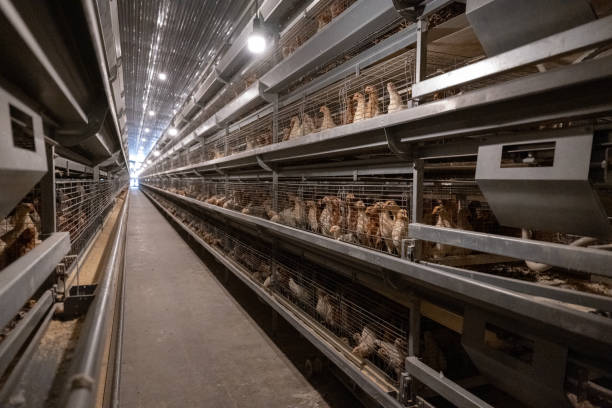
Feeding is another major recurring cost in a layer farm. Layer feed includes specially formulated rations rich in protein and calcium to support consistent egg production. On average, a laying hen will consume around 110–120 grams of feed per day. For 10,000 birds, that translates to around 1,100–1,200 kilograms of feed per day, or approximately 400–450 tons per year. Depending on the price of feed ingredients and regional market conditions, feed costs alone may make up 60–70% of your total operational expenses.
Labor, energy, vaccines, and routine veterinary services also account for significant costs. Investing in automated systems for feeding, watering, and manure management can drastically reduce labor dependency and increase operational efficiency.
Revenue and Profitability Analysis
To understand the profitability of a 10,000 layer poultry farm, we need to estimate how many eggs the birds will lay and how much income that will generate. A typical commercial layer can lay around 320–340 eggs annually. Considering factors like mortality, molt period, and downtime, it’s reasonable to expect an average of 300 usable eggs per bird per year.
This gives us a total annual egg production of around 3,000,000 eggs (10,000 layers × 300 eggs). If you sell each dozen (12 eggs) at $2.00 – $3.00, which is a realistic market price depending on your location and market access, your potential annual income from egg sales alone would range between $500,000 to $750,000.
From this, we must subtract all initial and recurring costs, including feed, bird procurement, electricity, labor, maintenance, and marketing. Depending on your region and management efficiency, the average operational cost per egg can vary between $0.03 and $0.07. This gives a possible net profit margin between 25% to 40%, assuming optimal conditions.
Additionally, there are secondary sources of income such as the sale of spent hens and manure, which can enhance your margins further.
Risk Management and Sustainability Strategies
While the figures above look promising, it’s crucial to account for potential risks in the poultry business. Disease outbreaks, fluctuating feed prices, supply chain disruptions, and environmental regulations are some of the key challenges.
Diseases like avian influenza or Newcastle disease can have catastrophic effects on your flock. Therefore, investing in biosecurity systems, regular vaccination, and a well-equipped vet team is essential. Proper ventilation, clean water systems, and quality poultry cages play a pivotal role in reducing disease risks.
Feed prices are another unpredictable factor. To mitigate this, many smart farmers establish their own on-farm feed mills or negotiate long-term contracts with feed suppliers. Using locally available feed ingredients where possible is also a good strategy for cost control.
Market volatility can also impact egg price stability. Therefore, building strong relationships with wholesalers, supermarkets, and processors helps to provide more consistent and reliable income. Some farms also explore branding and packaging as a value-added strategy to capture better prices.
Sustainability is becoming increasingly important in today’s agricultural industry. Efficient waste management systems, solar-powered electricity, and recycling manure as organic fertilizer not only reduce your ecological footprint but can also turn waste into revenue-generating products.
Ready to Start Your 10,000 Layer Poultry Farm?
If you’ve ever considered diving into commercial egg production, now is a great time to get started. Setting up a 10,000 layer poultry farm doesn’t have to be overwhelming, especially when you have expert support from companies like Livi Machinery behind you.
We’ve helped farmers across the globe build profitable, sustainable, and efficient poultry operations, equipped with the latest in automated equipment and management systems. Whether you need customized layer cages, complete house planning, or hands-on support to set up your farm, our team is just a message away.
Feel free to reach out to us with your project details or questions. We’re here to help turn your vision into a reality — and your investment into a thriving business. Let’s build your future in poultry farming together.