
How Much to Start a Chicken Farm in Nigeria
Starting a chicken farm in Nigeria can be a profitable venture, especially with the ever-growing demand for poultry products like eggs and meat. The poultry industry in Nigeria has seen rapid development in recent years due to increasing urbanization and population growth. If you’re considering venturing into poultry farming in Nigeria, one of the most important questions you must ask is: How much does it cost to start a chicken farm in Nigeria? This article will walk you through the major costs involved, how to plan your finances, and the value of choosing the right equipment supplier like Livi Machinery.
Setting up a farm involves more than just buying chickens. It includes land acquisition, construction of poultry houses, buying quality feed, vaccination, labor, and of course, high-performance chicken farming equipment. Whether you’re planning to start small or go big from the beginning, understanding the actual cost will help you avoid unexpected expenses and ensure your project stays profitable from day one.
Land and Housing – The Foundation of Your Farm
The first major expense is land and the construction of housing for your chickens. This cost can vary a lot depending on your location. In major cities like Lagos or Abuja, land is more expensive compared to rural areas or agricultural zones. You’ll need at least one acre or more for a medium to large-scale project. If you already own land, that’s a bonus — otherwise, budget for a significant portion of your initial capital to go toward this.
Once the land is acquired, building the actual poultry houses becomes the next big step. The size and design of your chicken houses will depend on the type of operation — whether you’re raising layers, broilers, or both. A well-designed poultry house should be well-ventilated, spacious enough to prevent overcrowding, and include proper lighting and temperature control systems to ensure the health and productivity of the birds.
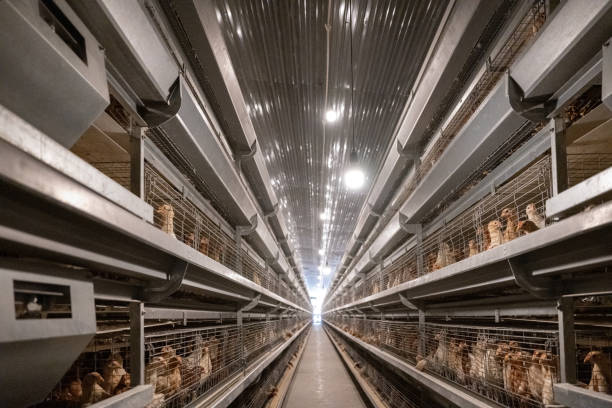
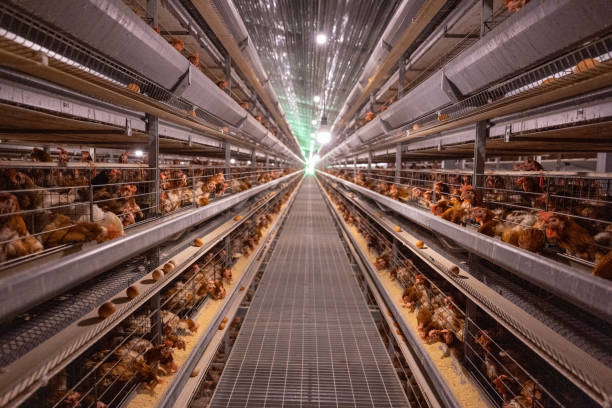
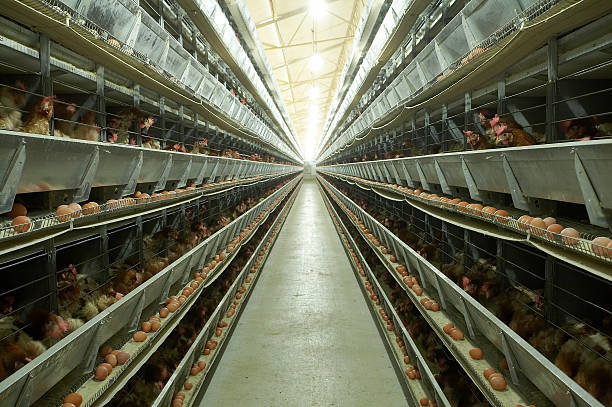
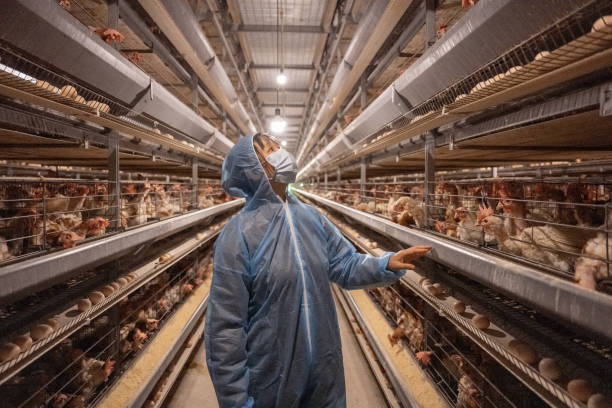
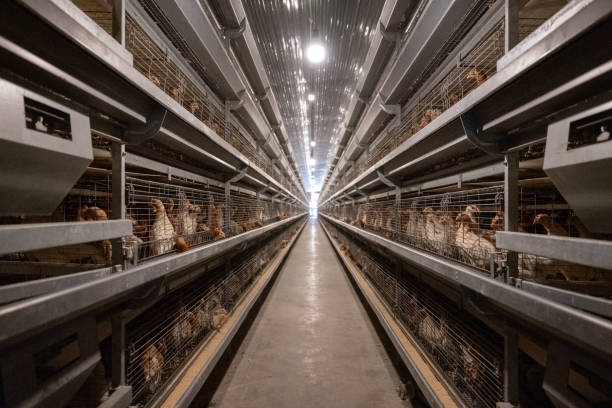
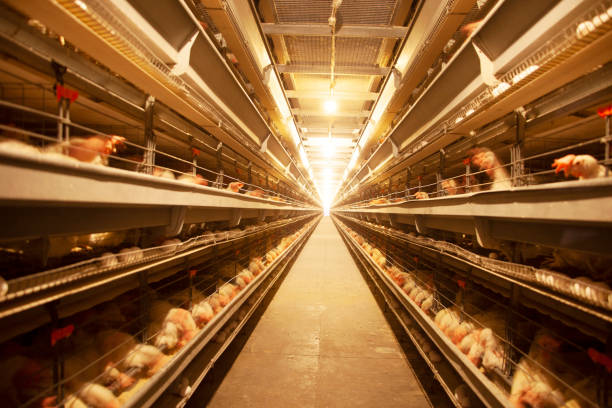
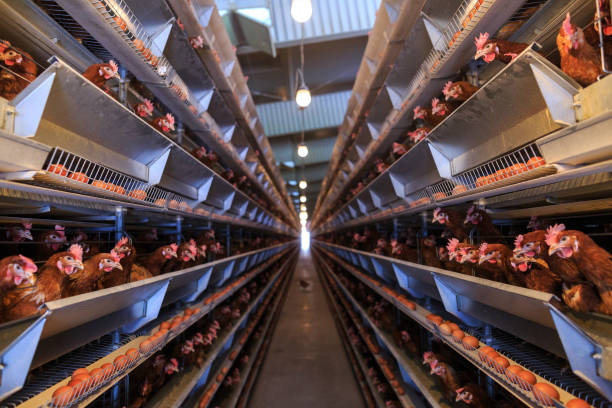
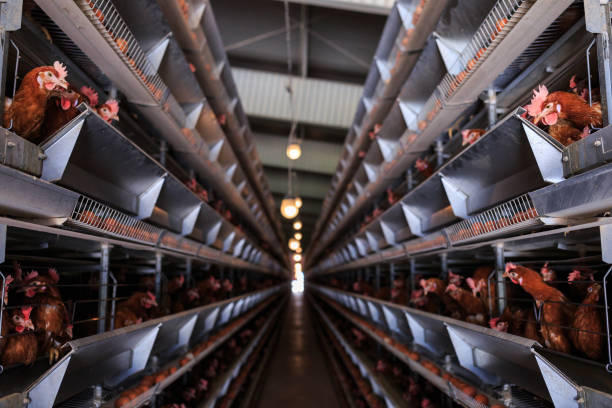
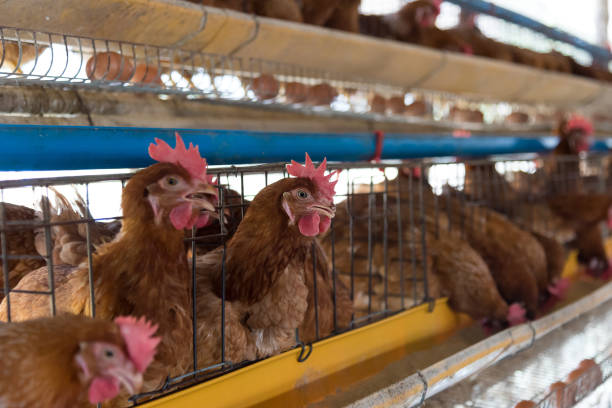
If you’re planning to modernize your setup and go for cage systems instead of deep litter, investing in a quality chicken cage system is a must. Livi Machinery offers a range of poultry cages like layer cages, broiler cages, and breeder cages that are durable, corrosion-resistant, and designed for maximum efficiency. These cages not only save space but also reduce labor and improve hygiene levels, making them a smart investment for long-term operations.
Poultry Equipment – A Smart Investment
When it comes to startup costs, one of the most overlooked yet crucial elements is poultry farming equipment. Many new farmers try to save on costs by opting for cheaper or second-hand equipment, only to face frequent breakdowns and inefficiencies down the line. This can end up being more costly in the long run.
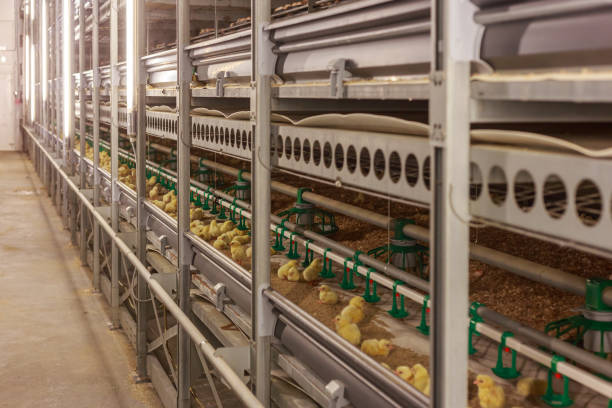
Investing in high-quality equipment from the outset not only reduces maintenance costs, but also boosts productivity, improves disease control, and supports better bird performance. Livi Machinery provides a full line of poultry farm equipment including automatic feeding systems, drinking systems, manure removal systems, ventilation systems, egg collection belts, and incubators. With automated systems, you can significantly reduce labor dependency and ensure consistency in feeding, watering, and management.
The initial cost of such equipment may seem high — especially for small-scale farmers — but automation leads to higher efficiency and scalability in the future. For example, an automatic feeding system can cover multiple houses with minimal labor, while nipple drinker systems help maintain clean water supplies, which is essential for disease prevention.
Also, don’t forget to budget for backup generators, water pumps, and solar-powered lighting systems — especially in areas with unstable power supply. Having a reliable source of electricity and clean water is critical for poultry operations in Nigeria.
Chicks, Vaccines, and Feed – Recurring Operational Costs
Once your housing and equipment are set up, you’ll need to buy day-old chicks or pullets from reputable breeders. The cost of a chick can vary depending on the breed and supplier — but generally ranges from ₦1,200 to ₦2,500 per bird. Popular breeds like Hy-Line, Lohmann, and ISA Brown are often used for egg production, while Cobb and Ross breeds are preferred for broiler farming.
After the chicks arrive, you’ll incur ongoing costs for feed, vaccines, and medications. Feed is the largest recurring expense in a poultry farm — often accounting for nearly 60–70% of the total operational cost. Therefore, the quality and source of feed play a major role in your birds’ growth and egg production.
Vet bills and vaccination programs are another key area. Chickens are prone to diseases like Newcastle, Gumboro, and fowl pox, so regular vaccination and biosecurity measures are non-negotiable. You may also need to hire a local veterinarian for periodic checkups or emergencies.
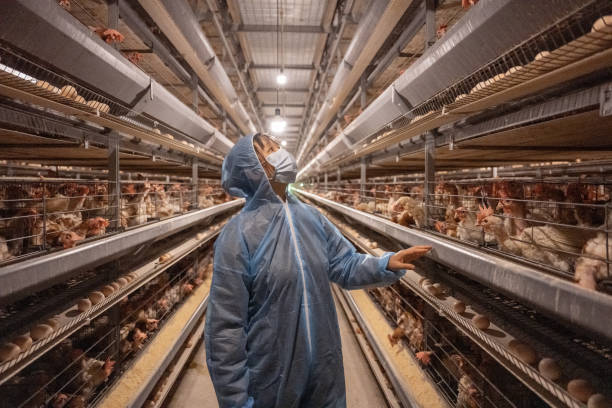
Labor cost shouldn’t be ignored either — especially for large-scale operations. From feeding to cleaning and egg collection, having skilled or properly trained workers can make a big difference in the efficiency and profitability of the farm.
Financial Plan and Investment Returns
It’s essential to develop a comprehensive business plan before you jump into poultry farming. This will help you estimate your total startup budget, forecast revenues, and create a timeline for return on investment (ROI). Depending on the scale of your operation, initial investments for starting a chicken farm in Nigeria can range from ₦5 million for a small family-level project to ₦50 million or more for a commercial-scale venture.
For example, setting up a 5,000-bird commercial layer farm may cost around ₦25–30 million including land, housing, equipment, and startup stock. On the other hand, broiler farming may require less space but higher feed and processing costs. ROI for layer farms can take anywhere from 8 to 14 months, while broiler farms have shorter cycles with quicker returns due to faster production cycles.
To further improve profitability, many Nigerian farmers are integrating solar-powered systems, waste-to-energy setups, and using chicken manure as organic fertilizer — all of which contribute to reducing long-term costs and creating additional revenue streams.
Why Choose Livi Machinery for Your Chicken Farm Setup?
Livi Machinery, based in Zhengzhou, China, has been providing end-to-end poultry farm equipment solutions since 2012. Our range of products includes automatic feeding systems, advanced ventilation solutions, fully automated egg collection systems, chicken cages for laying hens and broilers, hatchers, and more. We offer tailored solutions for farmers in Nigeria and across Africa, helping you build a high-efficiency, sustainable poultry operation from the ground up.
We understand that every farmer’s needs are different — whether you’re starting on a small scale or building a large commercial farm, our team can help you choose the right equipment package within your budget. With a focus on durability, automation, and ease of operation, Livi’s poultry solutions are designed to save you time, lower your costs, and boost productivity.
If you’re serious about starting a profitable chicken farm in Nigeria, we invite you to reach out to us today. Our experienced team can provide expert guidance, free consultation, and customized plans that match your farming goals. Let us help you make the right investment from the beginning.
Ready to start your chicken farm in Nigeria? Contact Livi Machinery now for a FREE farm setup guide and customized equipment quote. Let’s turn your dream into a thriving business with expert support every step of the way!