
Small Scale Poultry Farming Solutions for Kenya
Poultry farming has become one of the most promising agricultural ventures in Kenya, especially for small-scale farmers looking to generate steady income and improve food security. With rising demand for eggs and chicken meat across urban and rural areas, more Kenyan farmers are turning to poultry as a reliable source of livelihood. However, many beginners face challenges such as high mortality rates, poor housing, inefficient feeding systems, and lack of proper farm management. At Livi Machinery from Zhengzhou, we understand these struggles — that’s why we’ve developed practical, affordable, and scalable poultry farming solutions tailored to small-scale operations in Kenya. Our focus is not just on providing equipment, but on empowering farmers with smart systems that boost productivity, reduce labor, and increase profits.
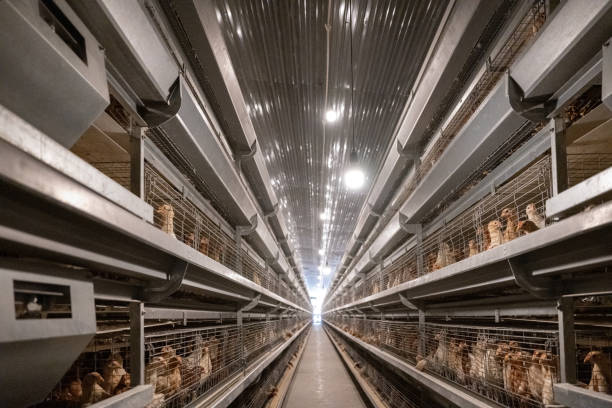
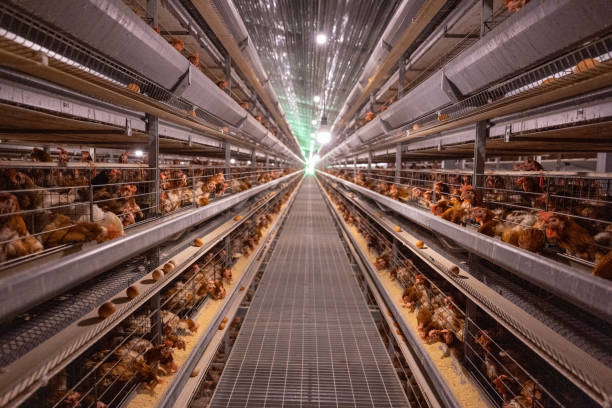
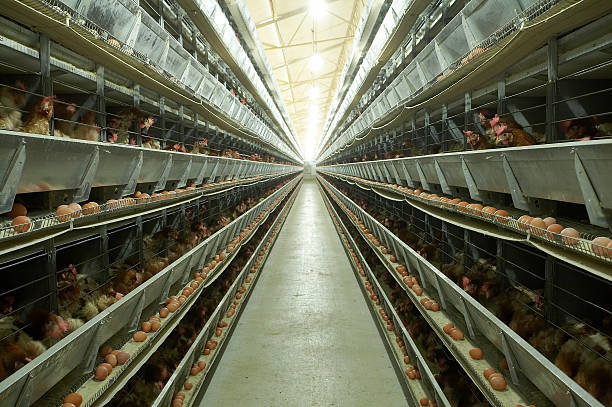
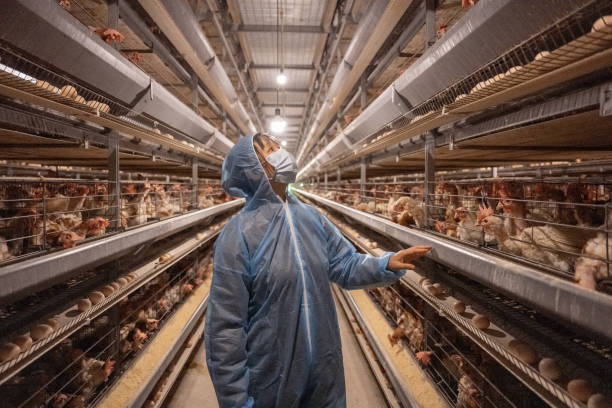
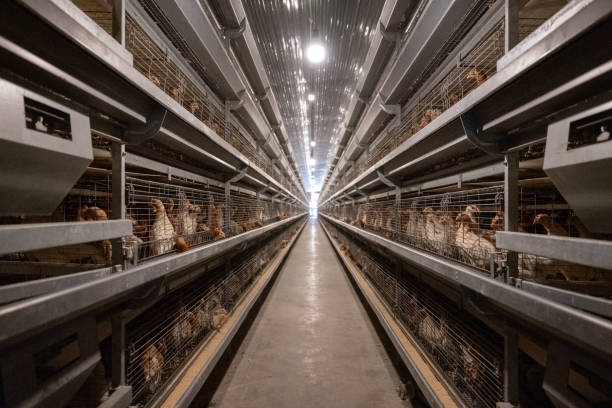
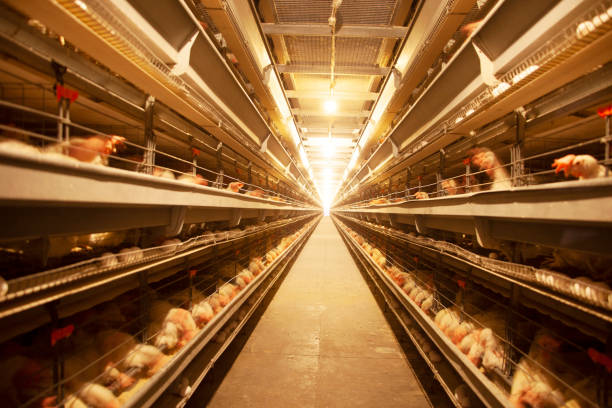
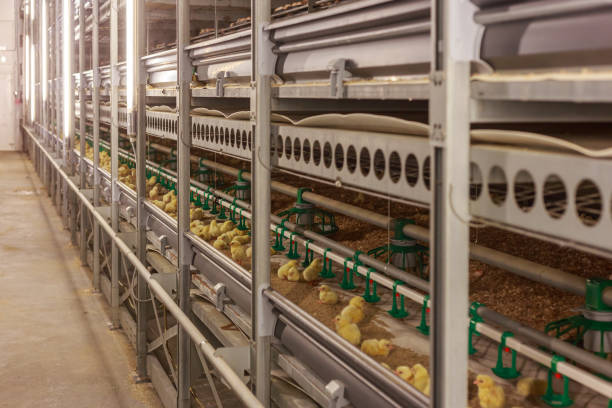
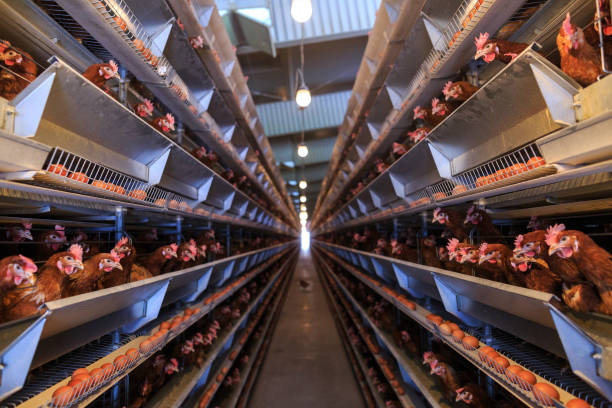
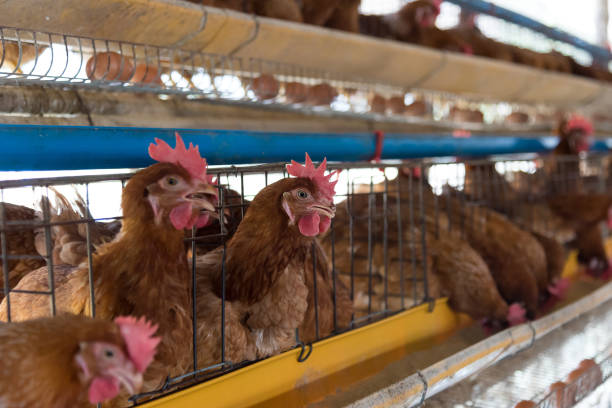
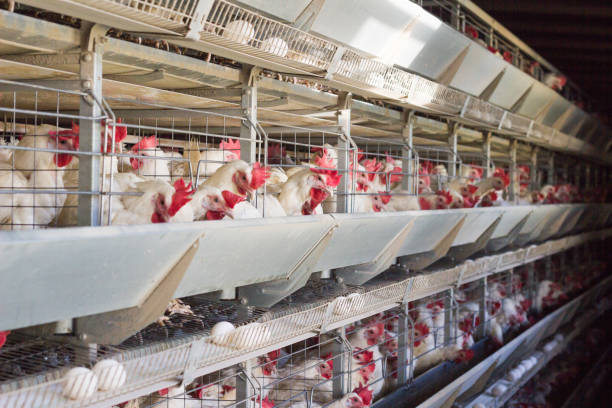
Whether you’re starting with 50 birds or expanding to 1,000, the right setup can make all the difference. One of the biggest issues we see in small farms across Kenya is the use of traditional free-range or floor-raising methods, which may seem low-cost at first but often lead to higher disease spread, feed wastage, and lower egg production. A well-designed cage system changes everything. Our small-scale poultry cages are specifically engineered for tropical climates — they offer excellent ventilation, easy cleaning, durable powder-coated galvanized steel construction, and modular designs that grow with your flock. For example, our layer chicken cages allow hens to lay clean, unbroken eggs directly into collection trays, significantly reducing losses. Brooder cages keep chicks warm and protected during their critical first weeks, while grower/finisher cages support healthy development up to market weight.
Why cage systems work better for Kenyan farmers
Let’s be honest — time and resources are limited. Most small-scale farmers manage their poultry alongside other crops or jobs. That’s where automation and efficient design come in. Our cage setups integrate nipple drinking lines and trough feeders that minimize spillage and contamination. No more waking up at dawn to scatter feed by hand or cleaning muddy pens after every rain. These systems save water, cut down on feed waste by up to 30%, and dramatically reduce daily maintenance time. And because the birds are off the ground, there’s far less risk of parasite infestations and diseases like coccidiosis — common problems in backyard flocks. Durable materials mean your investment lasts longer, even under harsh sun and seasonal rains. Plus, stacked cage layers maximize space — perfect if you’re working with a small plot behind your house or on community land.
Smart planning: Start small, think big
One question we hear a lot from Kenyan customers is: “How do I start without spending too much?” The good news is, you don’t need a massive budget to begin. We recommend starting with a brooder cage for day-old chicks (capacity 50–200), paired with an automatic chick feeder and waterer. After four to six weeks, move them to grower cages until they reach laying age. Then transition to layer cages if you’re raising hens for eggs. This phased approach spreads out costs and allows you to reinvest earnings back into expansion. Need help choosing the right size? We offer free layout planning — just tell us your available space and target bird count, and we’ll send a customized design showing exactly how to arrange your house efficiently. Many of our clients in Nakuru, Kisumu, and Mombasa began this way and now run fully automated mini-commercial units. You can too.
Support beyond equipment
At Livi Machinery, we believe success isn’t just about selling cages — it’s about supporting farmers every step of the way. When you order from us, you’re not just getting high-quality equipment; you get expert advice on housing design, ventilation, stocking density, and biosecurity practices suited to Kenya’s diverse regions. For instance, in hotter areas like Machakos or Garissa, we suggest wider mesh spacing and roof insulation to prevent heat stress. In wetter zones like Nyeri or Kakamega, we emphasize raised platforms and corrosion-resistant coatings to extend product life. And if you ever have questions about installation or maintenance, our team is just a message away via WhatsApp, email, or phone. We also provide training videos in English and Swahili, so you and your workers can quickly learn best practices.
Now that you’ve seen how modern, cost-effective poultry farming can be, are you ready to take the next step? If you’re running a small farm or planning to start one, we’d love to help you design a system that fits your goals and budget. Leave us your name, phone number, and location, and we’ll send you a free quote along with a suggested setup plan — no obligation, just honest guidance from people who care about your success. Don’t let outdated methods hold you back. With the right tools and support, even a modest backyard operation can turn into a thriving business. Let’s build something great together.
Frequently Asked Questions
What type of poultry cage is best for small farms in Kenya?
For small-scale farmers, our three-tier battery cage systems are ideal. They’re compact, easy to manage, and suitable for layers, broilers, or pullets depending on the model. Made with galvanized steel, they resist rust and last over 10 years even in humid conditions.
Do you ship to rural areas in Kenya?
Yes, we partner with trusted freight forwarders who deliver nationwide — including counties like Siaya, Busia, Kitui, and Meru. We handle export packaging and customs documentation to ensure smooth delivery from China to your doorstep.
Are the cages difficult to assemble?
Not at all. Our cages come with clear assembly instructions and require only basic tools. Most customers set them up in a few hours with two people. We can also send video tutorials upon request.
Can I customize the size of the poultry house setup?
Absolutely. Whether you have a 6m x 4m shed or want to build a new structure, we’ll design a layout based on your space and production goals. Customization includes door placement, feeding line length, and nest box configuration.
Is vaccination enough to keep my birds healthy?
Vaccination helps, but good housing is equally important. Poor ventilation, dirty floors, and overcrowding weaken immunity. Our hygienic cage systems reduce disease exposure significantly, making your vaccines more effective and lowering vet bills.
Do you offer financing options?
While we don’t offer direct loans, we provide flexible pricing and can split shipments to match your cash flow. Some of our past customers have used our equipment quotes as proof of asset purchase when applying for local agri-loans.
How many eggs can I expect from a well-managed small flock?
With proper breed selection (like Kuroiler or Shaver Brown) and quality housing, a single hen can lay 280+ eggs per year. On average, a 100-bird layer flock produces around 70–80 eggs daily — that’s over 25,000 eggs annually, giving strong ROI within 8–12 months.
Can I use solar power with your automated systems?
Definitely! Many of our Kenyan clients pair our egg collection trays and motorized manure removal belts with solar-powered batteries. It’s eco-friendly, cuts electricity costs, and works perfectly in off-grid regions.
What makes Livi different from local cage suppliers?
Our cages are factory-made with precision welding and industrial coatings — meaning fewer weak spots and longer lifespan than handmade versions. Plus, our international experience lets us offer smarter features like anti-feed-back nets and ergonomic egg rolls.
How soon can I get my order delivered?
After confirming your order, production takes about 10–15 days. Shipping from Qingdao Port to Mombasa usually takes 25–30 days by sea. Air freight is faster but more expensive — best for urgent small parts. We’ll keep you updated every step of the way.