
Chicken Cage Systems for 10,000 Birds in Nigeria
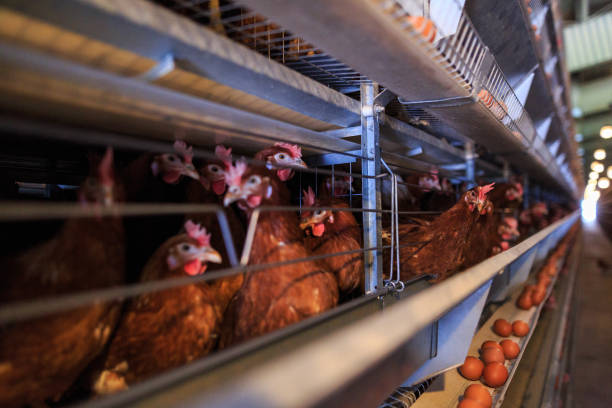
Raising 10,000 chickens may sound like a huge undertaking, but with the right setup, it’s not only possible—it can be highly profitable. In Nigeria, where poultry farming continues to grow as a key source of income and food security, more farmers are turning to modern chicken cage systems to maximize productivity while reducing labor and feed waste. If you’re planning or upgrading a medium to large-scale poultry operation, investing in a well-designed chicken cage system for 10,000 birds is a smart move. At Livi Mechanical, we’ve helped hundreds of Nigerian farmers build efficient, durable, and scalable cage setups that deliver consistent results. Here’s everything you need to know before making your decision.
Choosing the Right Type of Cage System for Your Farm
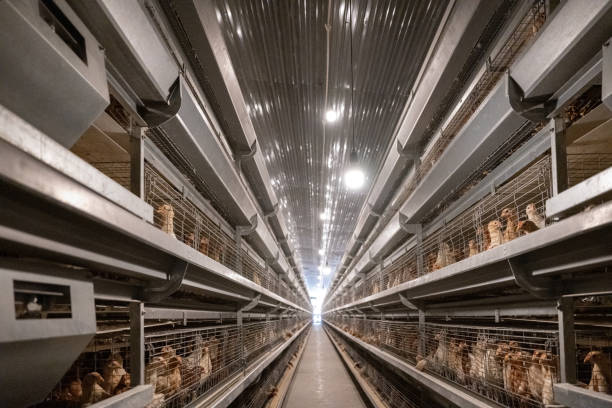
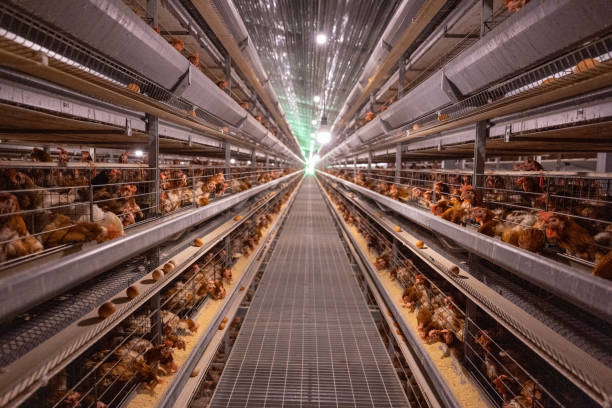
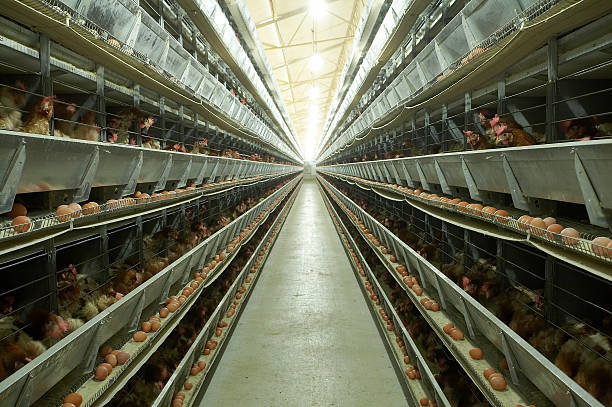
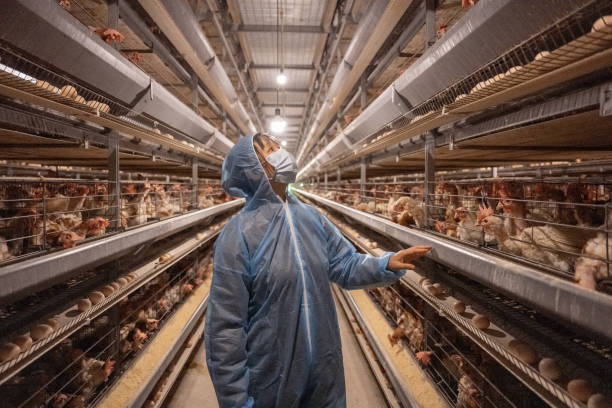
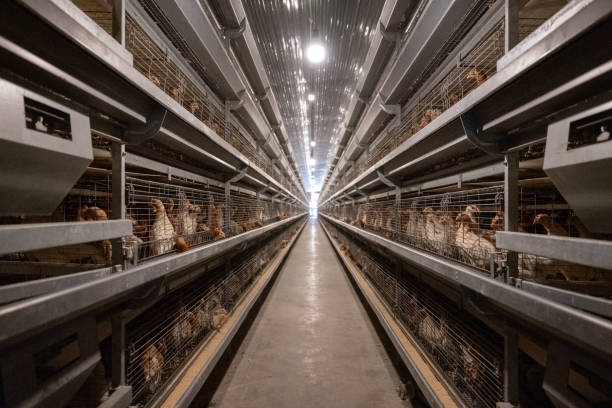
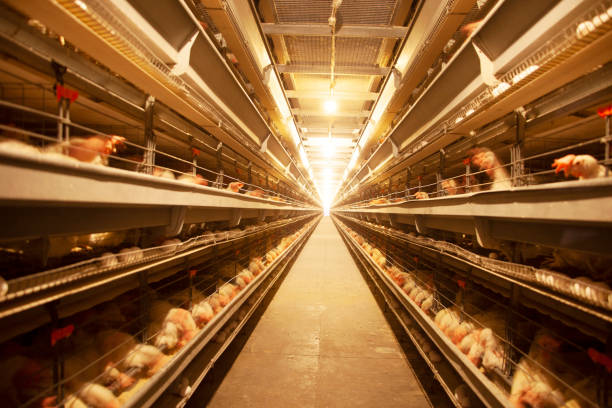
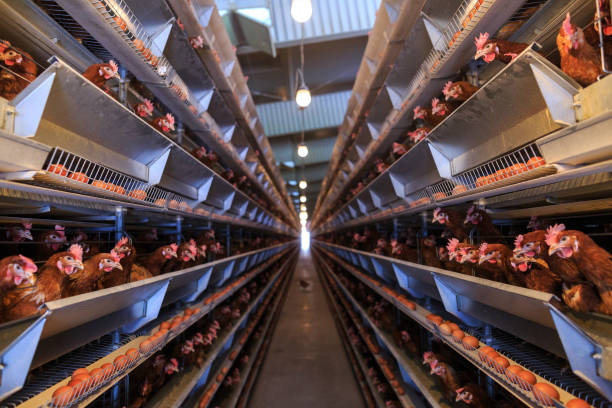
Not all chicken cages are created equal—especially when you’re dealing with 10,000 birds. The first step is choosing the type of cage system that aligns with your production goals: egg-laying, broiler (meat) production, or a combination of both. For layers, the most popular choice is the A-frame or colony cage system. These multi-tiered setups allow up to four levels of cages stacked vertically, saving floor space while improving ventilation and light exposure. Each tier is equipped with automatic feeding, drinking, and egg collection systems, which drastically reduce manual work.
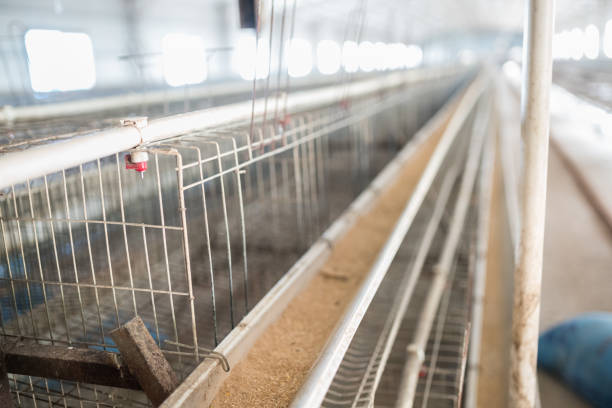
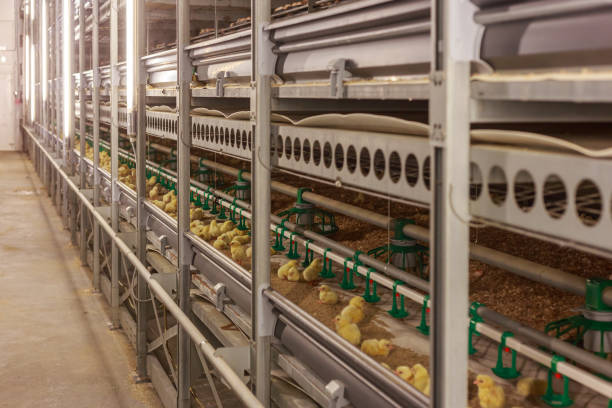
For meat chickens, a flat-deck or battery cage system works best. They’re designed to accommodate rapid growth and maintain hygiene, with slatted floors that let droppings fall through, minimizing disease risk. Since broilers are raised in cycles (usually 6–8 weeks), these cages are easy to clean and reset between batches. Some advanced farms even use hybrid systems—combining layer and broiler sections under one roof—to diversify output and increase profitability.
In Nigeria’s climate, durability and rust resistance are critical. That’s why we recommend hot-dip galvanized steel cages. Unlike cheaper alternatives, galvanized metal resists corrosion from humidity and frequent cleaning, ensuring your system lasts over 10 years. At Livi Mechanical, we customize every frame and wire mesh size to suit local bird breeds and farm layouts, so you get a perfect fit from day one.
Maximizing Space, Efficiency, and Automation
One of the biggest challenges in managing 10,000 chickens is keeping operations efficient without hiring an army of workers. That’s where automation comes in. Modern chicken cage systems are designed to include automated feeders, nipple drinkers, manure removal belts, and even egg conveyors. Imagine starting your morning by simply turning on a switch and watching feed roll evenly into each cage row—no buckets, no spills.
Automatic water lines with nipple drinkers ensure each bird gets fresh, clean water without wastage. This is especially important in areas with inconsistent water supply—our closed-system drinkers prevent contamination and evaporation. When it comes to waste, manual cleaning isn’t practical at this scale. That’s why top-performing farms use manure belt systems underneath each cage tier. The belts can be run daily, removing droppings before they pile up and create ammonia buildup, which harms respiratory health.
Egg collection is another area where automation shines. For layer farms, conveyor belts gently carry laid eggs to a central collection table, reducing breakage and theft. Most importantly, automation reduces stress on both birds and farmers. Less foot traffic means fewer disturbances, leading to better egg production and weight gain. And with sensors now available to monitor temperature, humidity, and feed levels, you can even manage parts of your farm remotely via smartphone.
Building a Sustainable and Profitable Operation
Setting up a 10,000-bird cage system isn’t just about buying equipment—it’s about building a sustainable business. In Nigeria, electricity can be unreliable, so consider integrating solar-powered backup systems for fans, lights, and controllers. Good ventilation is non-negotiable: high-density housing requires tunnel ventilation or exhaust fans to keep air moving and temperatures stable. During the dry season, adding cooling pads can drop indoor temps by up to 8°C, keeping hens laying steadily.
Feed costs make up 70% of your operating expenses, so precision is key. Automated feed lines dispense just the right amount at scheduled times—preventing waste and reducing rodent problems. Pair this with proper lighting schedules (16 hours of light for layers, 23 for broilers) to stimulate appetite and growth. With all systems working together, a well-run 10,000-bird farm can produce up to 450 kg of eggs per day or cycle through two broiler batches monthly—generating real income.
But sustainability isn’t just financial; it’s also environmental. Chicken manure collected from belt systems can be composted and sold as organic fertilizer—a growing market in Nigeria’s agriculture sector. Some of our clients have turned waste into profit, adding an extra revenue stream without increasing flock size. Combine that with long-lasting galvanized cages that require minimal maintenance, and you’ve got a low-waste, high-efficiency model that benefits both your wallet and the planet.
Ready to Build Your High-Performance Poultry House?
If you’re serious about scaling your poultry business in Nigeria, now is the time to upgrade from traditional deep litter systems to a professionally designed chicken cage setup. Whether you’re starting fresh or expanding, Livi Mechanical provides end-to-end support—from site assessment and layout design to manufacturing, shipping, and on-site installation. We’ve delivered over 200 turnkey projects across West Africa, using materials and technology built to handle local conditions.
Our cage systems are modular, meaning you can start with 5,000 birds and expand later without replacing the entire structure. We offer free consultations to help you choose the right configuration, calculate costs, and plan for ROI. Plus, we train your team on daily management and troubleshooting, so you’re never left guessing.
Don’t leave your farm’s potential to chance. Click below or send us a message with your location, farm size, and target production type—and we’ll send you a customized quote with 3D layout options within 24 hours. Let’s build something that lasts.
Frequently Asked Questions
What cage system is best for 10,000 layer hens in Nigeria?
The A-frame or colony cage system with four tiers is ideal. It saves space, supports automation, and suits Nigeria’s climate when made from galvanized steel.
Can I use the same cages for broilers and layers?
It’s not recommended. Layer cages are smaller and designed for long-term use, while broiler cages need more space per bird due to rapid weight gain. Using separate systems ensures animal welfare and efficiency.
How much does a full cage system for 10,000 birds cost?
Prices vary by automation level, but expect between $35,000–$55,000 USD for a complete setup including feeders, drinkers, manure belts, and installation support.
Do you ship to Nigeria and handle customs?
Yes, we export directly to Lagos, Kano, Abuja, and other major cities. We assist with documentation and clearance to make delivery smooth.
How long do galvanized chicken cages last?
High-quality hot-dip galvanized cages can last 12–15 years in tropical climates with proper care, far longer than painted or electro-galvanized options.
Can I install the system myself?
We provide detailed assembly guides and videos, but for full automation, we recommend having one of our technicians supervise the setup to ensure everything runs perfectly.
Is solar power compatible with automated systems?
Absolutely. Our control boxes and motors are designed to work with solar inverters, making them ideal for off-grid or partially powered farms.
How many workers do I need to manage 10,000 caged birds?
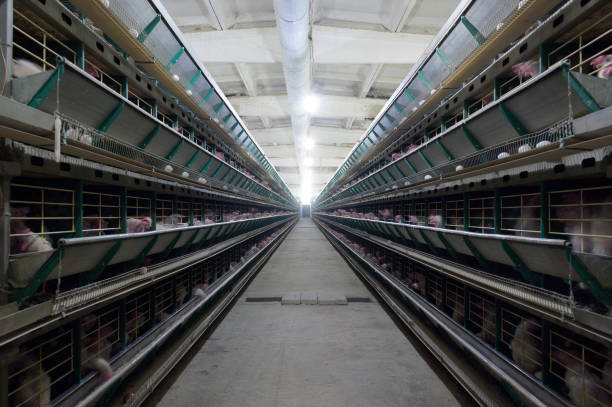
With automation, just 2–3 trained staff can handle daily operations—feeding, egg collection, cleaning, and monitoring—saving you thousands in labor costs.
What’s included in your turnkey package?
From cage frames to feed lines, drinkers, manure belts, nest boxes, and electrical controls—we supply everything needed for a fully functional house. We even help with house design if needed.
How quickly can I get my order after placing it?
Production takes 15–20 days, and shipping to Nigeria usually adds 25–35 days by sea. We keep you updated every step of the way.