
Poultry Cage Equipment for 40,000 Birds in Uganda
If you’re running or planning a large-scale poultry farm in Uganda and aiming to house 40,000 birds, choosing the right cage equipment is not just important—it’s essential. With Uganda’s growing demand for eggs and meat, more farmers are turning to modern, automated poultry cage systems to maximize production, reduce labor costs, and improve bird health. At Livi Machinery, we’ve helped dozens of farms across Africa scale up efficiently with customized cage solutions. In this article, we’ll walk you through everything you need to know about setting up high-capacity poultry cage equipment for 40,000 birds—focusing on layout, system selection, local conditions in Uganda, and long-term value.
What Type of Poultry Cage System Fits a 40,000-Bird Farm?
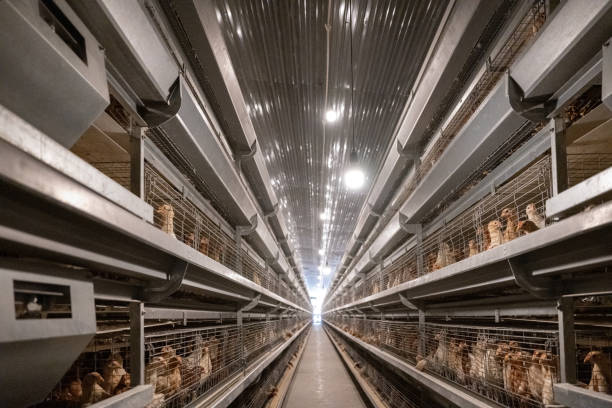
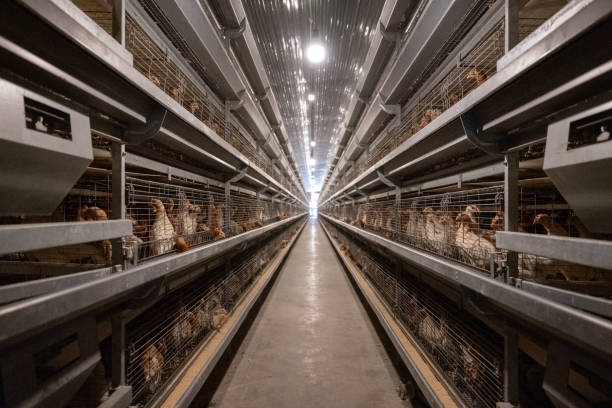
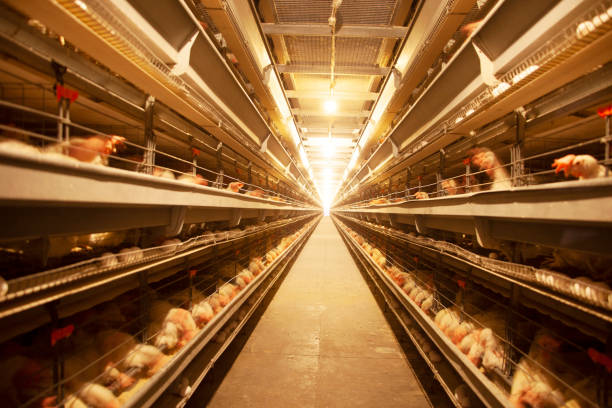
When it comes to managing 40,000 birds, you can’t rely on traditional free-range or deep-litter methods alone. You need a well-structured cage system that supports automation, biosecurity, and efficient resource use. The most common options for this scale are battery cage systems, which come in three primary setups: H-type (high-density), A-type (tiered), and colony cages (for egg-laying hens with more space).
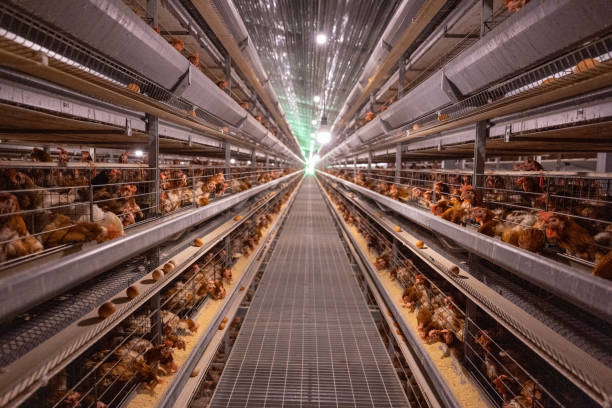
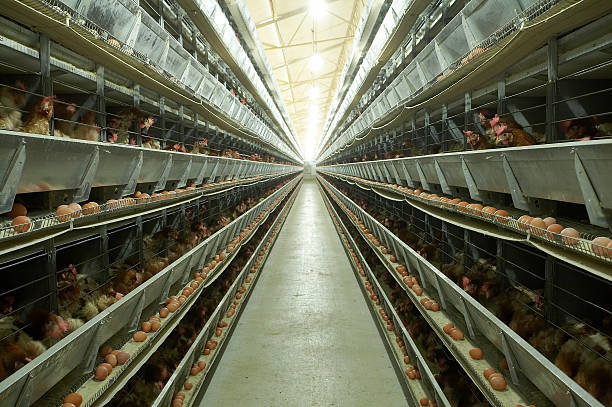
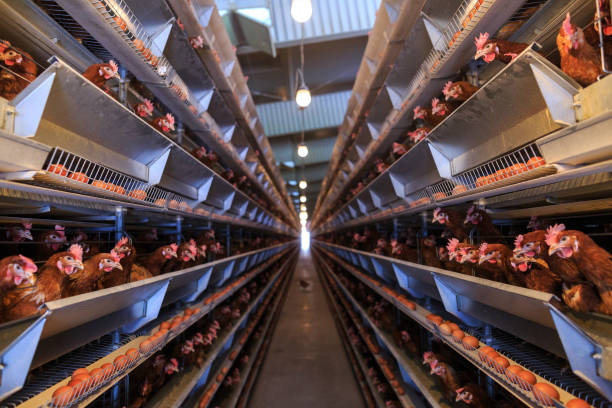
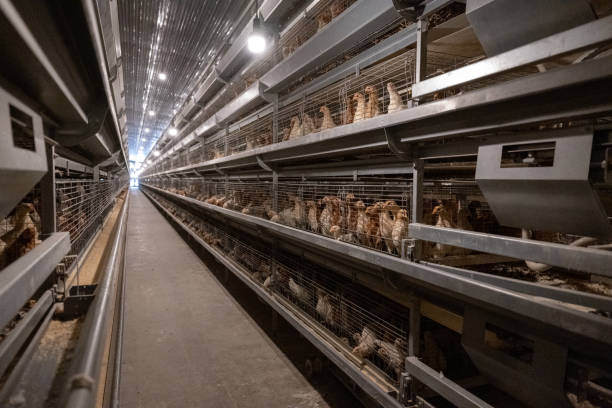
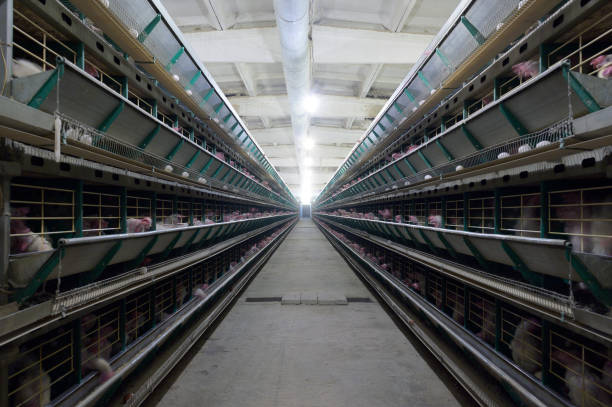
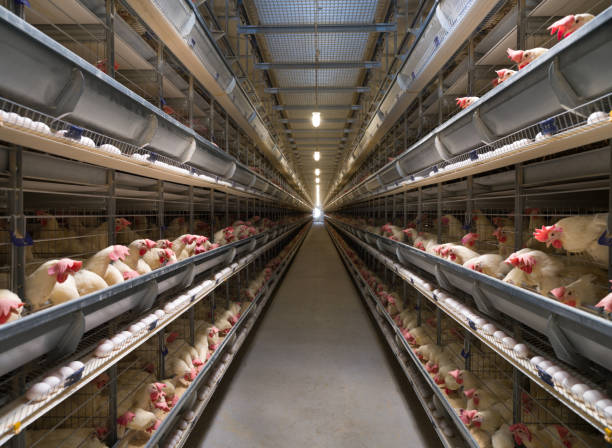
For egg production, H-type automatic layer cages are highly recommended. These can hold up to 16–20 birds per module and stack up to four layers high, maximizing space in your house while allowing easy access for maintenance. An H-line system for 40,000 birds would require around 8–10 poultry houses, depending on bird density and ventilation design—typically housing 4,000 to 5,000 birds per house.
Meat chicken farmers may opt for multi-tier broiler cage systems, which are gaining popularity in East Africa due to their superior air quality control and reduced contact with waste. Unlike floor rearing, these cages keep birds off the litter, improving foot and breast health and cutting down disease risk. For 40,000 broilers, you’d likely run multiple batch cycles per year. Each house could support 8,000–10,000 birds in a stacked cage setup, meaning four to five houses would handle annual throughput efficiently.
Then there’s the hybrid option: colony cages. Though slightly more expensive upfront, they offer better animal welfare compliance and are preferred by export-minded farms. Colony cages give hens room to move, lay eggs in private nests, and even spread their wings. If your target market includes eco-conscious buyers or international distributors, colony systems might give you a competitive edge—even if capacity per square meter is a bit lower than H-type cages.
Why Uganda Is Ideal for Modern Poultry Cages
Uganda has excellent potential for large-scale poultry farming thanks to its favorable climate, rising population, and government incentives for agribusiness. However, challenges like inconsistent power supply, high humidity, and variable feed quality mean your cage system must be both durable and adaptable.
Our experience installing systems in Kampala, Jinja, Mbarara, and Gulu shows that farms using galvanized steel cage frames last significantly longer—especially when compared to iron-coated or aluminum alternatives. Galvanization protects against rust, which is crucial during rainy seasons. We also recommend full automation kits, including automatic feeding, drinking, manure removal, and egg collection systems. Even with unstable electricity, solar-compatible motors and backup batteries can keep operations running smoothly.
Temperature control is another key factor. Many parts of Uganda experience daytime highs above 30°C, which can stress laying hens and reduce egg output. That’s why we design each project with tunnel ventilation or evaporative cooling pads built into the house. Paired with proper roof insulation, this keeps internal temperatures at an optimal 22–26°C.
Feed efficiency also improves dramatically with cage systems. Since birds don’t roam freely, they expend less energy, converting feed into eggs or weight faster. One of our clients near Masaka reported a drop in feed cost per kg of table chicken from $1.35 to $1.10 within six months of switching to tiered broiler cages.
Beyond hardware, we provide full installation training and remote troubleshooting support. All systems are pre-assembled in our Zhengzhou factory, labeled for easy on-site construction, and delivered via sea freight to Mombasa port, then trucked to Uganda. Most farms have everything up and running within 30 days of arrival.
Designing Your Layout for Maximum Efficiency
Setting up 40,000-bird capacity isn’t just about buying cages—it’s about smart planning. Start by determining how many houses you can build based on available land. A typical egg-laying shed measures 8 meters wide by 100 meters long and holds about 4,500 H-type cages. With standard aisle spacing, that fits roughly 4,000–4,500 birds comfortably. So for 40,000 birds, think 9 to 10 sheds.
Here’s a sample breakdown:
Houses 1–8: Egg production (layer cages), 5,000 birds each
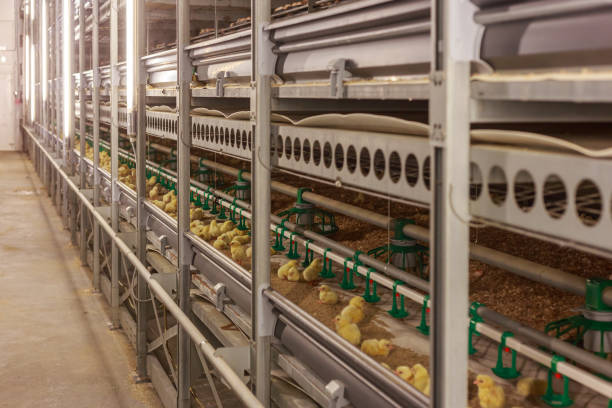
House 9: Rearing pullets (chicks-to-point-of-lay) using chick starter cages
House 10: Brooding area with heating lamps and small grower cages
This phased approach ensures continuous flow—you’re always raising the next generation while harvesting eggs from mature hens.
Manure management is critical at this scale. Manual cleaning is impractical. Instead, install slanted manure belts or scrapers under each cage line. These run daily (or twice daily), moving waste into external compost pits or drying platforms. Dried manure can be sold as organic fertilizer—a useful side income stream.
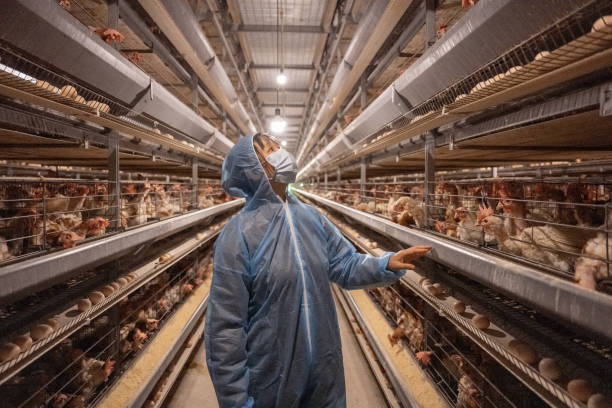
Water and feed lines should run overhead along each aisle. Use PVC pipes for water distribution with nipple drinkers; they reduce spillage and prevent contamination. Feed troughs connected to silos ensure consistent delivery without daily manual filling. Automation cuts labor needs from 15+ workers down to just 4–6 trained staff members.
Don’t forget data tracking. Modern farms benefit from simple monitoring tools: egg counters, weight scales, temperature loggers, and mortality bins. Some of our advanced systems include Wi-Fi-enabled sensors that send alerts to your phone if something goes wrong after hours.
Getting It Right From Start to Finish
Starting a farm this size requires careful partner selection. At Livi Machinery, we don’t just sell cages—we guide you from concept to commissioning. Our process begins with a site assessment (even virtual walkthroughs work). Then we create a customized plan covering cage type, quantity, housing dimensions, automation level, and budget estimates.
Once approved, we manufacture the entire system in China with strict quality checks. Every component—from cage mesh wire thickness (usually 3.5 mm for durability) to motorized scraper strength—is tested before shipping. Upon arrival in Uganda, our engineers fly in to supervise installation and train your team on daily operation and preventive maintenance.
We also help connect you with reliable suppliers for chicks, vaccines, and feed ingredients—networks we’ve built over years serving African farmers.
One thing we always emphasize: long-term value matters more than low initial price. Cheap cages may save money now but often lead to frequent repairs, higher mortality rates, and lost profits. Our systems are designed to last over 15 years with basic care, giving you peace of mind and predictable ROI.
Thinking about setting up a 40,000-bird poultry farm in Uganda? Or already have one and considering upgrading to automatic cage systems? Get in touch with us today. Share your farm details—size, location, production goals—and we’ll send you a free layout design and quote tailored to your needs. Just leave your name, email, and phone number, and one of our experts will reach out within 24 hours. Let’s build a smarter, more profitable poultry business together.
Frequently Asked Questions (FAQ)
What kind of cages do you recommend for 40,000 laying hens in Uganda?
For large egg farms, we suggest H-type automatic layer cages. They maximize space, support full automation, and are ideal for Uganda’s climate when paired with good ventilation.
Can I use cage systems for broiler chickens too?
Yes, multi-tier broiler cages are increasingly popular in Uganda. They improve hygiene, reduce disease, and increase stocking density safely. We’ve seen excellent results with birds raised to 2.5–3 kg in 6–7 weeks.
How much space do I need for a 40,000-bird operation?
You’ll need approximately 7,000–9,000 square meters of land, depending on house configuration. Each poultry house is typically 8m x 100m, so plan for 9–10 buildings plus space for storage, offices, and composting.
Are your systems powered by electricity only?
Most systems run on 220V electricity but can be modified for solar power. We offer solar-ready motors and battery backups for areas with unstable grids.
How long does it take to install and start production?
From delivery to full operation, expect 3–4 weeks. This includes construction, cage assembly, equipment testing, and staff training.
Do you offer financing or payment plans?
While we don’t offer direct financing, we can assist by providing detailed quotes acceptable to banks or agricultural loan programs in Uganda.
Can you help me find chicks and feed suppliers?
Absolutely. Based on your region, we can recommend trusted hatcheries and feed mills we’ve worked with before—many already using our equipment.
Is after-sales service available in Uganda?
Yes, we provide remote technical support and periodic on-site visits. Spare parts are kept in stock locally or shipped quickly if needed.
How do you handle shipping and customs?
We manage all logistics—sea freight to Mombasa, customs clearance, and trucking to your farm. Door-to-door delivery included in our quote.
What’s the lifespan of your cage systems?
With proper maintenance, our galvanized cages last 15+ years. Many customers in Kenya and Tanzania are still using systems installed back in 2015 with minimal wear.