
Poultry Farming in Kenya 2025: Smart Solutions by Livi
Kenya’s poultry industry is set for a major transformation over the coming years, and by 2025, it’s clear that technology and smart farming practices will play a central role. With rising population demands, shifting consumer preferences toward safe and nutritious protein, and increasing government support for local food production, poultry farming has never been more promising in East Africa. At Livi, we’ve spent over a decade helping farms around the world modernize their operations, and Kenya stands out as one of the most exciting markets right now — full of opportunity, innovation, and growth potential.
But with every opportunity come challenges. Many small to medium-scale farmers still rely on outdated systems — poor housing, inconsistent feeding schedules, and inefficient disease control measures — all of which limit productivity and profitability. That’s where smart poultry farming comes in. By integrating intelligent equipment, data-driven management, and automation into daily operations, farmers can significantly boost yield, reduce labor costs, and minimize losses. At Livi, we design solutions specifically tailored for African climates and real-world farm conditions — combining durability, affordability, and modern tech to turn traditional poultry businesses into sustainable, future-ready enterprises.
Smart Equipment That Makes a Difference
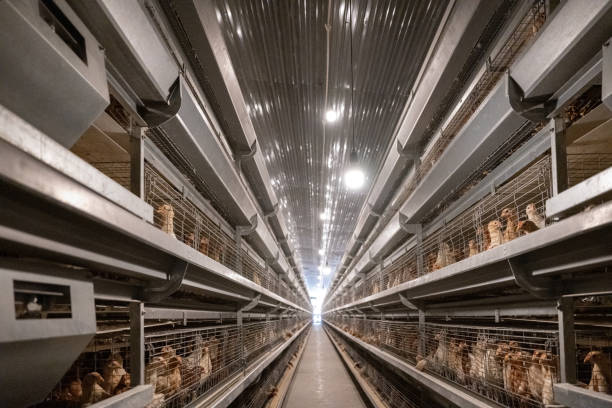
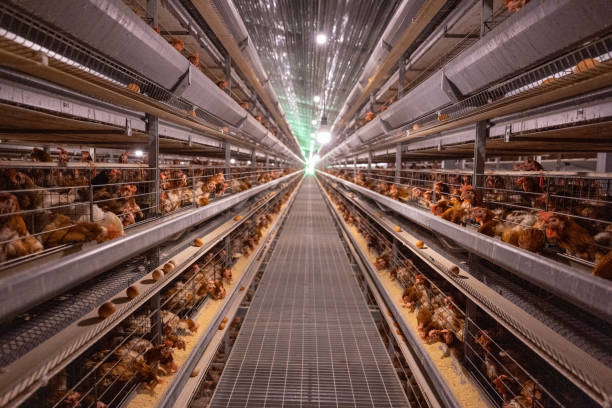
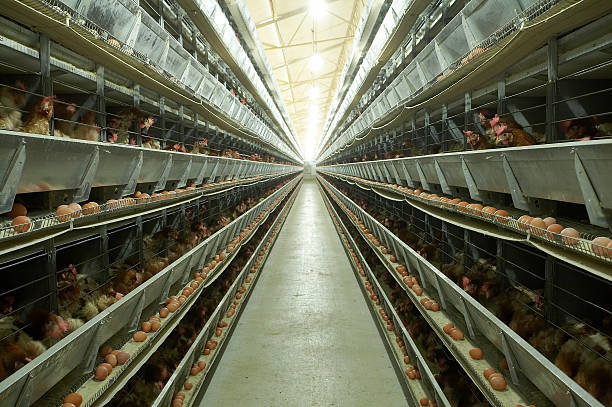
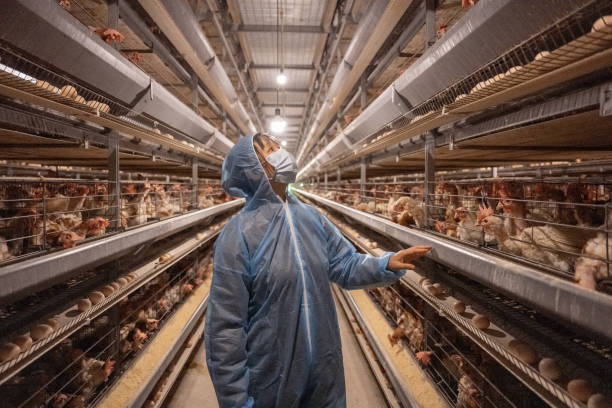
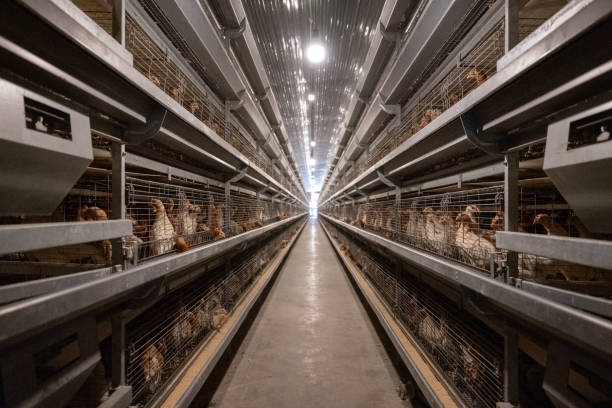
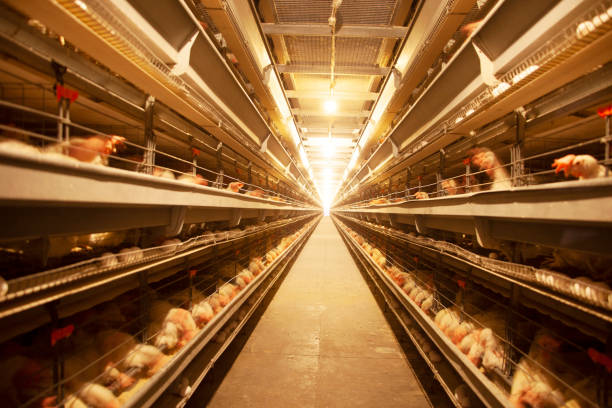
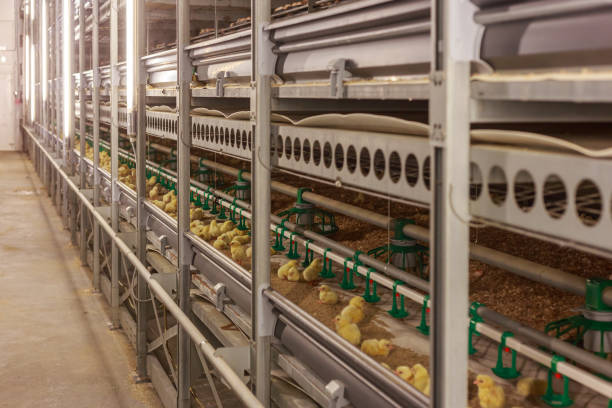
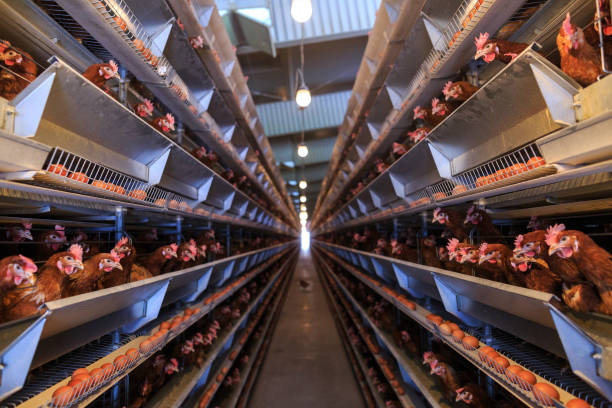
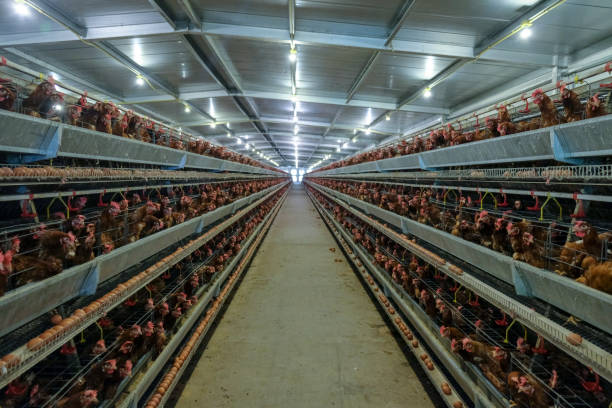
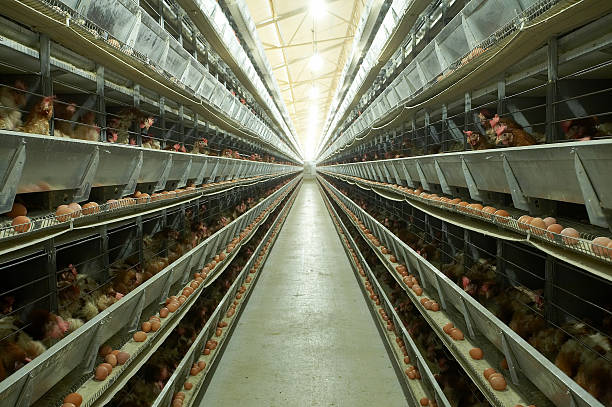
One of the first steps to upgrading your poultry operation is replacing manual or outdated systems with automated, reliable equipment. Our complete range includes automated layer cages, broiler chicken housing systems, chick brooders with precision temperature control, and hatchery incubators capable of handling thousands of eggs at once. But what really sets Livi apart is how we build smart features directly into each piece of equipment.
Take our automatic egg collection system in the cage houses, for example. Instead of workers having to walk aisle after aisle collecting eggs by hand — risk of breakage, inconsistency, and inefficiency — our roll-out trays gently guide eggs to a central collection belt. This reduces egg damage, saves hours of labor, and keeps eggs clean from the moment they’re laid. The same goes for our automated feeding and watering lines. Every bird gets consistent access to food and water without human error or delays. In fact, studies show automated feed delivery can reduce waste by up to 15%, which translates into serious cost savings on feed — often the biggest expense on any poultry farm.
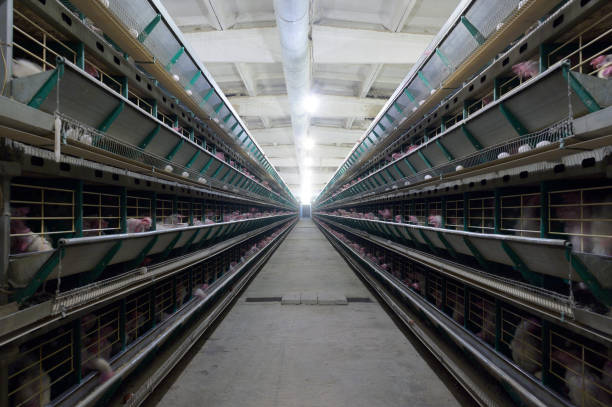
And let’s talk climate. Kenya experiences diverse weather patterns, from hot dry zones like Turkana to humid coastal areas around Mombasa. That’s why our housing systems include ventilation fans, cooling pads, and automated curtains controlled through a central system. These aren’t just add-ons; they’re built-in tools that respond to temperature and humidity changes in real-time. When paired with solar-powered backup options, these systems remain functional even during power outages — common in rural areas. For new startups and expanding farms alike, choosing the right equipment from day one means fewer retrofits later and more predictable results.
From Planning to Production: Your Full-Service Partner
Starting or scaling a poultry farm isn’t just about buying equipment — it’s about planning correctly from the ground up. One wrong move in site selection, house orientation, or flock density can impact performance for years. That’s why Livi doesn’t just sell products — we offer full-cycle support from concept to commissioning.
When you partner with us, a technical expert visits your location to assess layout, drainage, wind direction, biosecurity needs, and more. We help determine the ideal size and type of poultry house based on your goals — whether you’re raising 1,000 layers or building a commercial hatchery. Once the design is finalized, our team guides installation step-by-step, ensuring everything runs smoothly on day one. Even after setup, we provide training for staff, maintenance checklists, and remote troubleshooting when needed.
We also understand budget constraints are real. That’s why we offer flexible configurations — you don’t need to go “fully automated” overnight. You can start with semi-automated systems and scale up gradually as profits increase. Whether you’re launching a new venture in Nakuru or adding capacity in Kiambu, our goal is to make smart farming accessible, practical, and profitable.
Why Kenyan Farmers Are Choosing Livi
The truth is, not all poultry equipment performs equally well under African conditions. Cheap imports might seem cost-effective upfront but often fail within months due to thin metal, weak motors, or lack of spare parts. At Livi, we use heavy-duty galvanized steel, corrosion-resistant coatings, and components tested rigorously in high-heat environments. Most of our systems last 10–15 years with proper care — meaning long-term value over short-term savings.
Beyond durability, our customers love how easy it is to get support. We’ve partnered with distributors across East Africa and maintain inventory hubs so replacement parts arrive fast. No waiting weeks for a broken motor to be shipped from overseas. Plus, our multilingual team speaks Swahili, English, and several regional languages, making communication simple and effective.
Farmers who’ve upgraded to Livi systems report measurable improvements — hens lay 8–10% more eggs per cycle, chick survival rates exceed 95%, and labor requirements drop by nearly half. And because healthier birds live in cleaner, stress-free environments, there’s less reliance on antibiotics — an important factor as supermarkets and exporters demand higher health standards.
If you’re ready to take your poultry farm into 2025 and beyond, now’s the time to act. The future belongs to those who embrace change early — using smart tools, data, and modern practices to stay ahead. Whether you’re just starting out or looking to upgrade, Livi has the experience and technology to help you succeed. Let’s build something great together. Drop us a message with your name, location, and what kind of poultry project you’re working on — we’ll send you a free setup guide and personalized recommendation.
Frequently Asked Questions
What makes Livi’s poultry equipment suitable for Kenya’s climate?
Our equipment is designed to withstand high heat, dust, and humidity. We use galvanized steel with anti-rust coating, high-efficiency fans, and UV-resistant plastic components. Everything is tested in real African farm conditions before release.
Can I automate only part of my poultry house?
Absolutely. You can begin with automated feeding and watering while keeping other processes manual. We help design modular systems that grow with your business.
Do you offer installation support in rural areas?
Yes, we work with local technicians and partners across Kenya to provide on-site installation and training, even in remote regions.
How long does it take to receive equipment after ordering?
Most standard orders ship within 7–10 days. Delivery times vary depending on your location but typically range from 2 to 4 weeks within Kenya.
Are spare parts easy to find?
Yes, we keep key spare parts like motors, trays, and sensors stocked with our distribution partners. We also provide digital catalogs and part numbers for quick replacements.
Can Livi help me plan a new poultry farm from scratch?
Definitely. Our team provides full consultation services including house layout, equipment selection, flock management tips, and expected ROI projections.
Is solar power compatible with your automated systems?
Yes, our electrical units are low-energy and fully compatible with solar inverters and battery backups — perfect for off-grid farms.
What’s the expected lifespan of your chicken cages?
With regular maintenance, our cages last between 10 and 15 years. They’re built to handle daily wear, cleaning chemicals, and outdoor exposure.
Do you export to other East African countries?
Yes, we currently serve clients in Uganda, Tanzania, Rwanda, and Ethiopia with similar support structures and logistics networks.
How do I get technical support if something breaks down?
You can reach our customer service via WhatsApp, email, or phone. Most issues are resolved remotely, and we dispatch replacements quickly if needed.