
How to Start a Chicken Farm in India | Livi Machinery
Starting a chicken farm in India can be one of the most rewarding agricultural ventures today — and for good reason. With increasing protein consumption, rising demand for eggs and poultry meat, and strong government support for livestock development, the poultry industry in India is booming. Whether you’re a beginner looking to start small or an entrepreneur planning a large-scale operation, setting up a successful chicken farm requires smart planning, quality equipment, and proper execution. At Livi Machinery, we’ve helped thousands of farmers across Asia and Africa build efficient, profitable poultry farms — and in this guide, we’ll walk you through everything you need to know to get started right in India.
Understanding the Basics: Types of Poultry Farming in India
Before investing time and money, it’s crucial to understand the different types of poultry farming so you can choose the model that best fits your goals and resources.
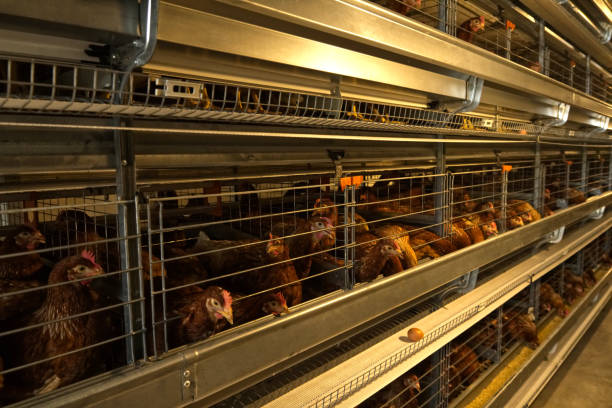
The two main types are egg production (layer farming) and meat production (broiler farming). Layer farming involves raising hens specifically for egg-laying. These birds start laying around 18–20 weeks of age and can produce over 300 eggs per year under optimal conditions. Broiler farming, on the other hand, focuses on raising chickens for meat. Broilers grow extremely fast — they’re ready for market in just 6–7 weeks — which makes this system ideal if you’re looking for quicker returns.
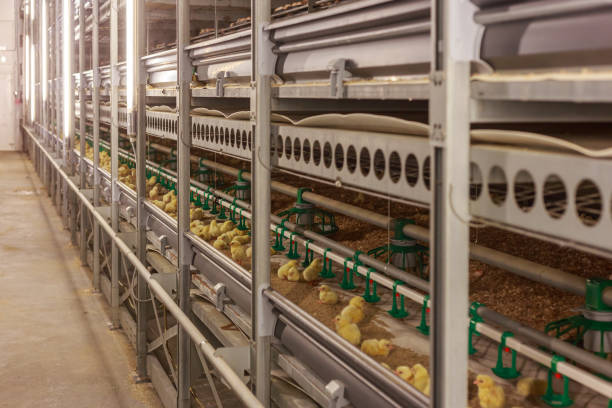
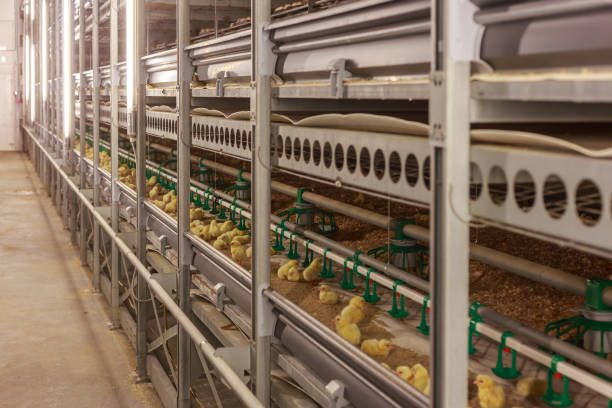
There’s also starter or育雏 farming, where young chicks are raised from day-old to about 4–6 weeks before being transferred to another farm. This niche is less common but offers high-profit margins due to lower space and feed requirements during early stages.
Hybrid systems exist too, combining both layers and broilers on the same property. While this increases management complexity, it spreads risk and allows farmers to diversify income sources.
India’s climate varies widely — from tropical in the south to temperate in the north — so choose bird breeds accordingly. For example, ISA Brown, Bovans White, or Shaver Classics work well as layers in most regions, while VenCobb 400 or Hubbard are top choices for broilers. Local desi chickens have their market as well, especially for organic or free-range labeling, though growth rates are slower.
Knowing your market first is essential. Are consumers near you buying more eggs or chicken? Is there a nearby cold storage facility or meat processing unit? Planning based on actual demand rather than assumptions helps avoid losses later.
Setting Up Your Farm: Location, Shed Design & Equipment Selection
Once you’ve decided what kind of farming you want to do, the next step is setting up your farm infrastructure. This includes choosing the right location, building proper housing (sheds), and selecting reliable equipment.
Pick a location with good road access, access to clean water, electricity supply, and some distance from residential areas to reduce odor complaints. It should also be elevated enough to prevent flooding during monsoon season, which is vital in states like West Bengal, Assam, or Odisha.
Poultry house design matters a lot. A typical shed for 1,000 birds needs around 2,500 sq. ft. (for broilers) or 1,800 sq. ft. (for layers). The structure must allow proper ventilation, insulation, and lighting control. In hot regions like Rajasthan or Telangana, roof insulation using thermocool sheets or cool roofing materials keeps temperatures down. In colder northern areas, partial insulation with curtains or plastic covers helps retain heat during winter nights.
Now let’s talk about equipment — because even the best breed won’t perform without proper tools.
At Livi Machinery, we specialize in full-line solutions that make farming easier and more productive:
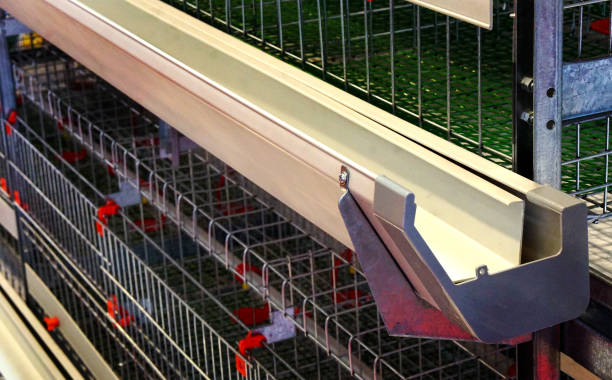
Automatic feeding systems: Ensure regular, waste-free food delivery.
Drinking nipple lines: Clean water access reduces disease risk.
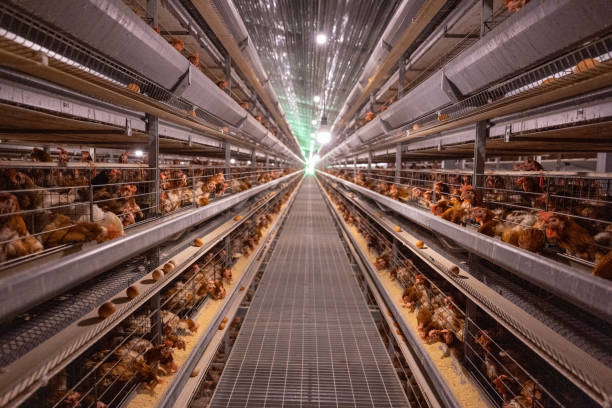
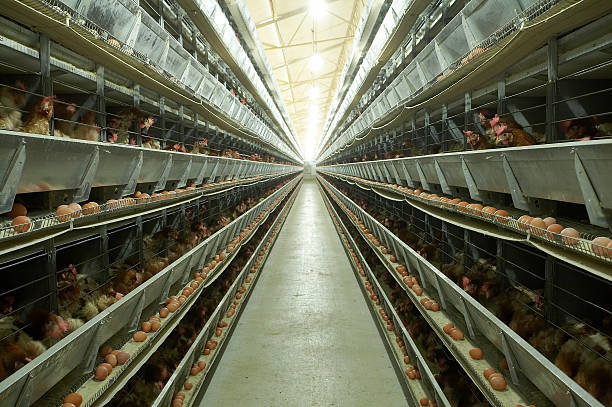
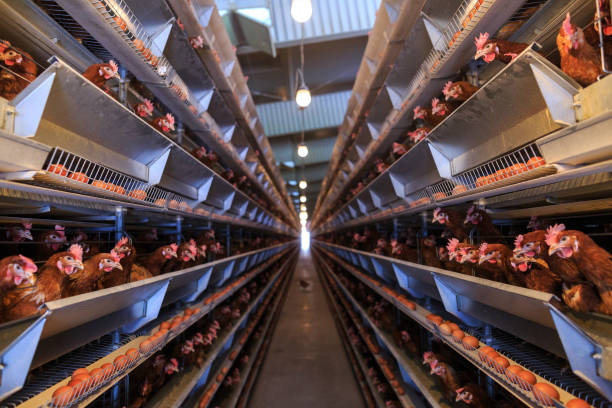
Egg collection trays: Especially useful in layer cages; saves labor and reduces breakage.
Ventilation fans and cooling pads: Critical for summer months.
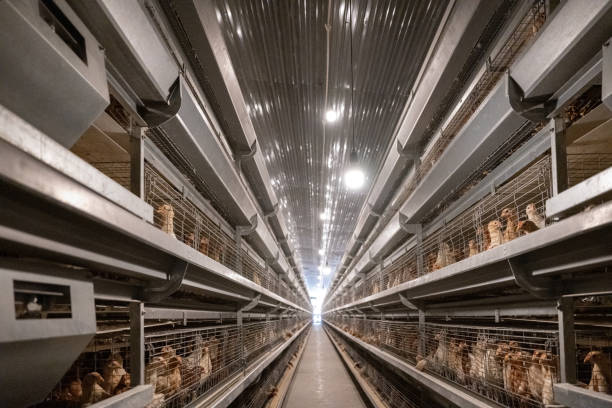
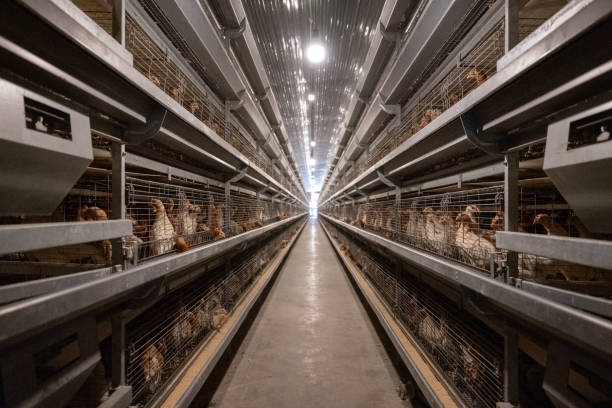
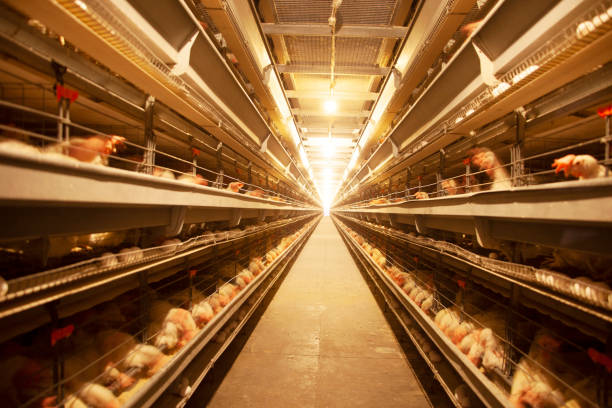
Layer or Broiler Cages: Designed for durability, ease of cleaning, and animal comfort.
We often recommend semi-automatic or fully automatic setups even for medium-sized farms, because they save time, reduce labor costs, and improve hygiene. For example, our hot-dipped galvanized steel cages last 10+ years and resist rust — important in India’s humid climate.
Also consider installing a hatchery incubator if you plan to hatch your own chicks. Our digital incubators offer 99% hatchability with precise temperature and humidity control.
Remember: investing in quality equipment upfront may cost more initially but pays off quickly through better survival rates, higher productivity, and reduced maintenance downtime.
Management Practices That Make or Break Your Success
Many new farmers fail not because of poor planning but due to weak daily management. Let’s go over the key practices that ensure your flock stays healthy and productive.
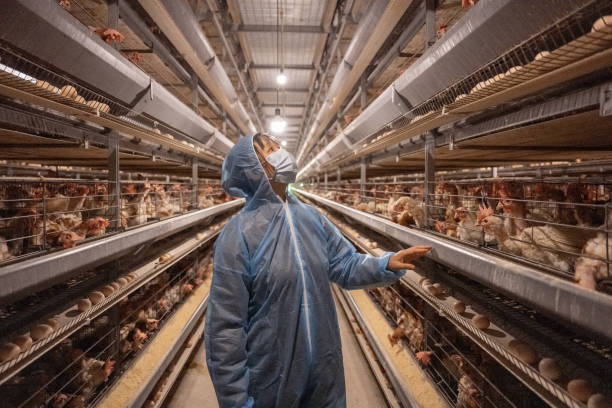
First is biosecurity. Limit visitors, disinfect shoes and tools regularly, and install footbaths at shed entrances. Vaccinate birds according to schedule — Marek’s disease vaccine on day one, followed by Newcastle, IB, and Fowl Pox at various intervals. Work with a local vet or animal husbandry officer for guidance.
Second, nutrition matters. Buy feed from trusted suppliers or mix your own using maize, soybean, rice bran, limestone, and premix. Don’t skimp here — poor nutrition leads to weaker birds, lower egg production, and disease vulnerability.
Keep accurate records: track feed usage, egg output, mortality rate, vaccination dates, and sales. This data shows trends early — like if feed conversion ratio suddenly spikes — helping you adjust fast.
Temperature and lighting control is especially important in brooder stages. Day-old chicks need warmth (around 95°F) in the first week, gradually decreasing by 5°F each week until they’re feathered out. Automatic brooders or infrared heaters help maintain consistency.
Another big factor? Stocking density. Overcrowding causes stress, fights, and increased disease spread. Standard guidelines suggest:
Layers: 4–5 birds per square meter in cage systems
Broilers: 8–10 birds per square meter (on floor) or fewer in cages
Breeders: More space required, around 3–4 birds per square meter
And finally, always have a marketing strategy ready before birds mature. Contact local wholesalers, supermarkets, restaurants, or set up a direct-to-consumer delivery service via WhatsApp or phone orders. Selling at the right price and time maximizes profit.
Why Partner with Livi Machinery for Your Poultry Journey
Starting a chicken farm in India doesn’t have to be overwhelming. With the right knowledge, equipment, and support, success is within reach — whether you’re operating in Gujarat, Tamil Nadu, Uttar Pradesh, or Himachal Pradesh.
At Livi Machinery, we don’t just sell equipment — we provide end-to-end support. From site consultation and shed layout planning to installation training and after-sales service, we’re with you every step of the way. All our products are designed for Indian conditions: corrosion-resistant, easy to maintain, and built for efficiency.
Our clients include backyard farmers starting with 500 birds and commercial farms managing over 100,000. We customize every solution based on your budget, land size, and production goals. Plus, since we manufacture all machinery in-house at our factory in Zhengzhou, China, we offer competitive pricing without compromising on quality.
If you’re serious about building a profitable, sustainable poultry business, now is the time to act. The demand for eggs and chicken isn’t slowing down — and modern farming technology makes it possible to scale faster than ever.
👉 Ready to start your journey? Share your farm size, location, and goals with us today. Leave your name and contact details below — or send us a message directly — and we’ll send you a FREE setup plan tailored to your needs, including equipment list, cost estimates, and timeline.
Let’s build your dream farm together — smarter, stronger, and more profitable from day one.
Frequently Asked Questions (FAQ)
What is the minimum investment needed to start a small chicken farm in India?
For a small-scale broiler farm with 500 birds, expect to spend between ₹1.5 to ₹2.5 lakhs. This includes shed construction, equipment, chicks, feed, and medicine. Layer farms take longer to return profits but generate steady income once hens start laying.
Which state in India is best for poultry farming?
All states support poultry farming, but Andhra Pradesh, Telangana, Tamil Nadu, Maharashtra, and Gujarat lead in production due to developed infrastructure, feed mills, and veterinary services.
Can I run a poultry farm part-time?
Yes — especially with automated systems. Many people manage 1,000–2,000 bird farms alongside another job. Just ensure someone trustworthy handles daily checks when you’re away.
How long does it take to earn back my investment?
Broiler farms typically break even in 5–7 cycles (about 9–12 months). Layer farms take longer — usually 12–14 months — but then profit consistently for 1.5–2 years.