
Poultry Farming in Kenya: Kienyeji Chicken Solutions
In recent years, poultry farming in Kenya has seen a major transformation, especially with the growing interest in kienyeji chicken production. Known locally as indigenous or free-range chickens, kienyeji birds are prized for their natural taste, disease resistance, and adaptability to local environments. As more Kenyan farmers look for sustainable and profitable ways to boost income, kienyeji chicken farming is emerging as a smart agricultural venture. But like any business, success depends on proper planning, quality equipment, and modern management practices. That’s where smart solutions from companies like Zhengzhou Livi Machinery come into play—helping smallholder and commercial farmers alike improve productivity while maintaining the traditional qualities consumers love.
Why Kienyeji Chicken Farming Makes Sense Today
Kienyeji chicken isn’t just about tradition—it’s increasingly becoming a smart economic choice. These birds may grow slower than exotic breeds, but they offer higher value in both meat and eggs due to consumer preference. Urban markets, hotels, and restaurants actively seek out organic-style kienyeji products because of their superior flavor and perceived health benefits. For rural farmers, raising these chickens requires fewer inputs compared to hybrid broilers or layers, making them ideal for low-budget operations. They can forage, tolerate harsh weather, and survive on kitchen scraps or local feed sources. However, one common challenge remains: poor housing systems lead to low survival rates, reduced egg production, and difficulty in monitoring flock health. This is exactly where improved poultry farming setups make all the difference.
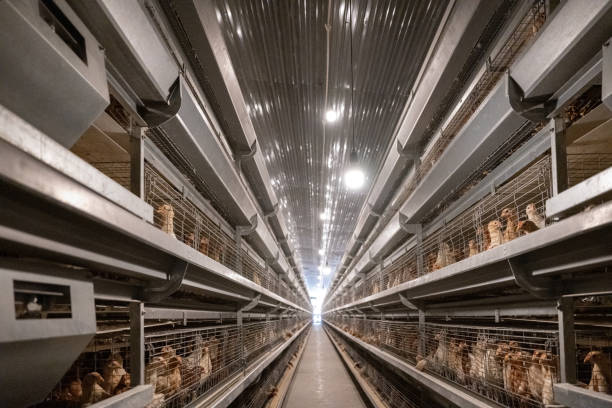
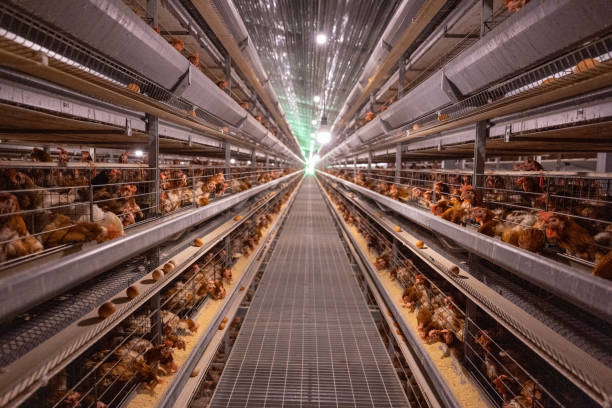
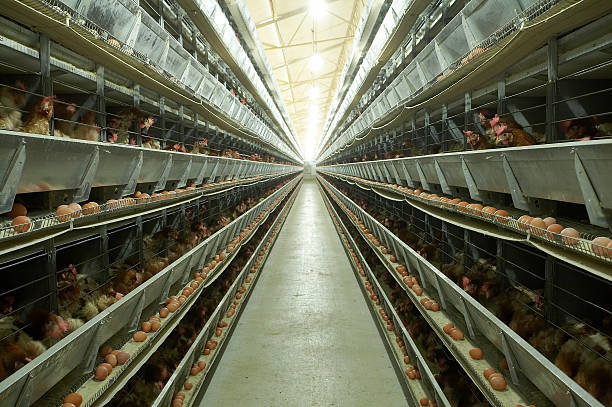
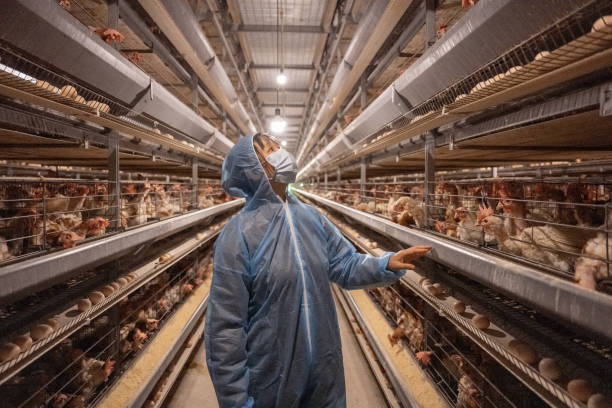
Traditional methods often involve keeping birds loose around the homestead, exposing them to predators, diseases, and inconsistent laying patterns. To scale up without losing the “natural” appeal of kienyeji chickens, farmers need better infrastructure—like elevated cages, secure coops, and climate-controlled brooding units—that support natural behaviors while enhancing biosecurity and efficiency. Livi Machinery specializes in designing poultry equipment tailored to African climates and farming styles, including specially adapted kienyeji chicken cages that promote hygiene, airflow, and bird comfort. Our systems allow farmers to raise healthier birds, reduce losses, and still market their produce as “free-range” or semi-intensive, meeting growing demand without compromising animal welfare.
Smart Housing Systems for Optimal Kienyeji Growth
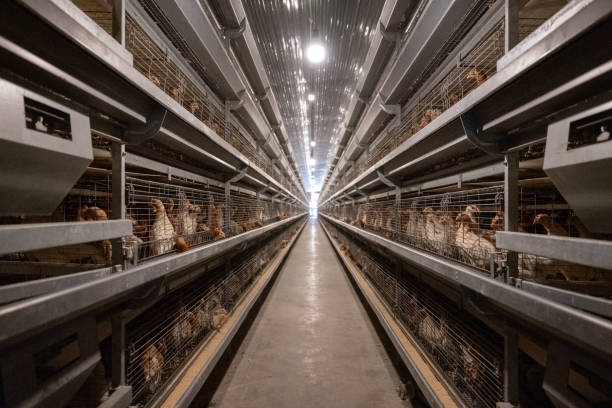
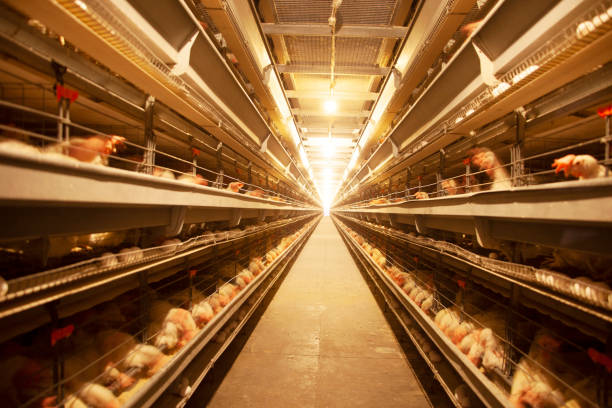
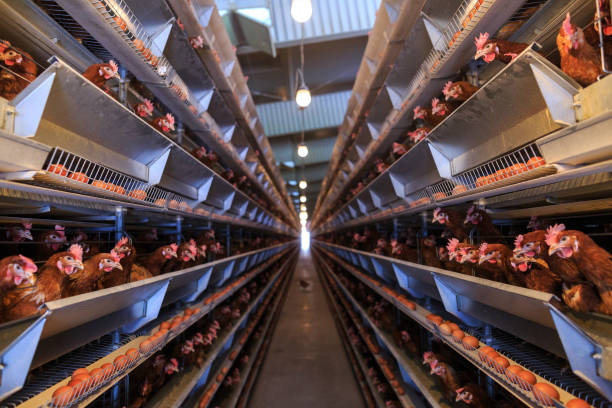
One of the biggest myths about kienyeji farming is that it must be entirely open-range to maintain authenticity. The truth? Modern poultry science shows that even indigenous birds benefit greatly from structured living environments. With well-designed housing, farmers can protect chicks from cold nights, isolate sick birds quickly, collect eggs consistently, and prevent cannibalism or egg-eating behaviors. At Livi, we design modular kienyeji chicken cages that combine durability with functionality. Made from galvanized iron wire, our cages resist rust—even in humid or rainy regions—and can last over 15 years with minimal maintenance. Adjustable heights keep droppings separate from birds, reducing disease risks like coccidiosis. Each unit includes feeding troughs, watering lines, and nesting boxes, streamlining daily management.

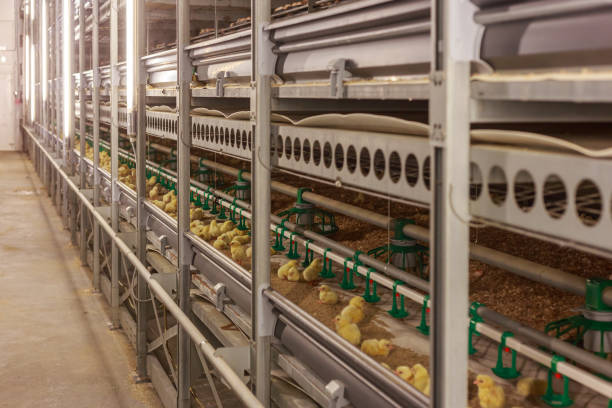
For hatchlings, temperature control is critical. Many new farmers lose chicks simply because nighttime temperatures drop too low. Our automatic poultry brooders use energy-efficient heating elements and thermostats to maintain ideal conditions (around 32°C in week one, gradually decreasing). These incubators and brooders are solar-compatible, perfect for remote areas where electricity is unreliable. What sets Livi apart is our commitment to hands-on support—we don’t just ship products; we help Kenyan farmers choose the right layout based on flock size, land availability, and future expansion goals. Whether you’re starting with 50 birds or planning a 5,000-bird farm, we provide full setup guidance, installation tips, and ongoing technical advice.
Boosting Productivity Without Losing Tradition
The real goal of kienyeji chicken farming isn’t just to preserve heritage breeds—it’s to make them economically viable at scale. Farmers want to enjoy high market prices while minimizing labor and maximizing output. This balance is possible when tradition meets innovation. For example, using controlled lighting schedules can increase egg-laying frequency without stressing birds. Providing balanced supplementary feeds during dry seasons ensures steady growth and immunity. And leveraging mobile apps or simple record books helps track vaccinations, egg collection, and sales trends for better decision-making.
Livi supports this transition by offering complete end-to-end solutions—from site planning and house construction templates, to automated feeding systems and waste management setups. We’ve worked with cooperatives in Nakuru, Kakamega, and Machakos to install standardized kienyeji farms that blend modern hygiene standards with cultural authenticity. One farmer in Kiambu increased his annual income by 3x after switching from backyard rearing to an organized cage system—we provided the cages, trained him on biosecurity, and connected him with nearby vet services through our partner network. Results like this show that progress doesn’t mean abandoning tradition; it means upgrading it intelligently.
If you’re ready to take your kienyeji chicken farming to the next level—if you’re tired of losing chicks to disease, struggling with inconsistent egg yields, or missing out on premium urban markets—we’d love to hear from you. Share your farm details, current challenges, and vision for growth, and our team will send you a customized solution package, including equipment recommendations, cost estimates, and layout designs. Don’t let outdated methods hold back your potential. Let’s build a smarter, more profitable kienyeji farm together. Reach out today via WhatsApp, email, or contact form—our experts are standing by to help Kenyan farmers succeed.
Frequently Asked Questions
What is kienyeji chicken farming?
Kienyeji chicken farming refers to raising indigenous or native chicken breeds commonly found in Kenya. These birds are hardy, able to forage, and produce meat and eggs with rich flavor preferred by many local consumers.
Are cages suitable for kienyeji chickens?
Yes! While kienyeji chickens do well in free-range settings, properly designed cages offer better protection from predators and diseases, improve hygiene, and make egg collection easier. Semi-intensive systems using cages give farmers the best of both worlds.
How does Livi Machinery support small-scale farmers?
We offer affordable, durable poultry equipment sized for small and growing farms. From starter kits for 50 birds to expandable systems, we also provide setup guides, training videos, and direct access to technical support.
Can I use solar power with your equipment?
Absolutely. Many of our brooders, feeders, and ventilation systems are compatible with solar energy setups, which is ideal for off-grid farms across Kenya.

Do you ship to rural areas in Kenya?
Yes, we work with reliable logistics partners to deliver our products nationwide, including remote counties. Shipping costs and timelines depend on location and order size.
How long do your chicken cages last?
Our cages are made from high-quality galvanized steel wire and can last 15 years or more, even in tough African weather conditions. Regular cleaning and basic care extend lifespan further.
Is there training available after purchase?
Yes. We offer video tutorials, on-site consultations (for larger installations), and phone/WhatsApp support to ensure every farmer uses the equipment correctly and gets maximum benefits.
Can I mix kienyeji with exotic breeds in the same house?
It’s possible, but not recommended unless carefully managed. Indigenous birds are usually more active and may dominate feed spaces. It’s better to separate them by breed and age group for optimal health and growth.

What kind of feed should I give kienyeji chickens?
While they can scavenge, supplementing with protein-rich feed (especially for laying hens) boosts egg production. A mix of maize germ, sunflower cake, and crushed oyster shells works well. Avoid giving too much commercial layer mash unless needed.
How do I start a kienyeji farm with limited capital?
Start small—just 30 to 50 birds. Use locally available materials for the coop frame, and invest in quality cages and brooders from trusted suppliers like Livi. Join a cooperative for bulk purchasing and shared marketing to reduce costs.