
Scaling up to 25,000 birds is an exciting milestone for any poultry farmer. It means your business is growing, demand is increasing, and you’re ready to take things to the next level. But let’s be honest—it also means the pressure is on. At this capacity, the old ways of doing things start to break down. You can’t rely on manual labor to keep up with feeding, watering, and egg collection for that many birds without burning out your team and watching your profits get eaten up by wages and waste. That’s where a complete, integrated poultry cage solution comes in. We’ve been designing and manufacturing systems for farms just like yours since 2012. We understand the challenges of hitting that 25,000-bird mark, and we build equipment that takes the stress off your shoulders while putting more money in your pocket. In this article, we’ll walk you through what a full solution looks like, why it works, and how you can make the leap to a smarter, more profitable farm.
Why 25,000 Birds Demands a Complete System Approach
When you’re managing 25,000 birds, you’re not just running a farm anymore—you’re running a business. And every business needs efficient systems to thrive. A piecemeal approach, where you buy cages from one supplier, feeders from another, and try to jury-rig the ventilation yourself, is a recipe for headaches. Things don’t fit right, they break down often, and you end up spending more time fixing problems than managing your operation.
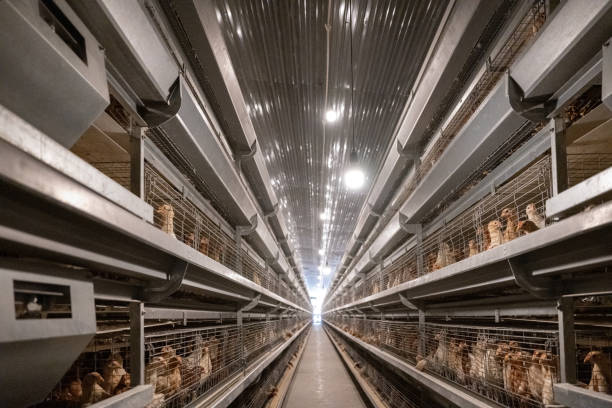
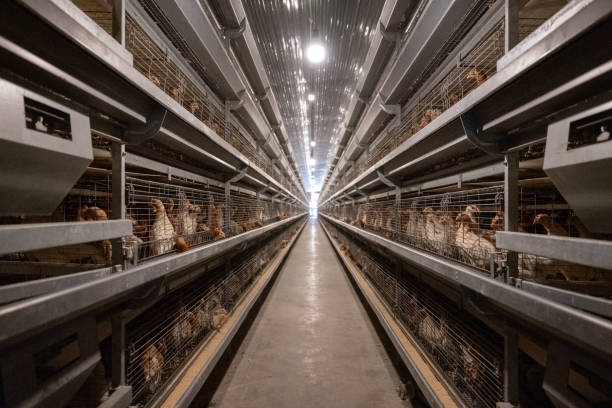
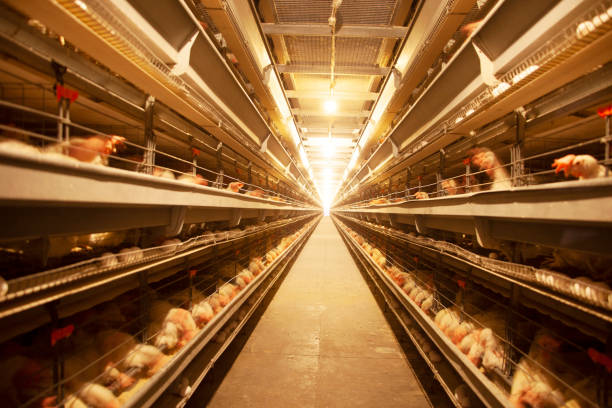
A complete poultry cage solution means every component is designed to work together seamlessly. From the galvanized steel cages that house your birds to the automatic feeding lines that keep them fed, the nipple drinking systems that keep them hydrated, and the manure belts that keep them healthy—it’s all integrated. This integration is crucial for hitting your production targets. When the environment is stable and the birds have constant access to fresh feed and water, they perform better. For layers, that means more eggs. For broilers, that means faster growth and better feed conversion. At 25,000 birds, even a tiny 1% improvement in efficiency translates to significant money over the course of a year. A complete system locks in those gains.
The Core Components of Your 25,000-Bird Setup
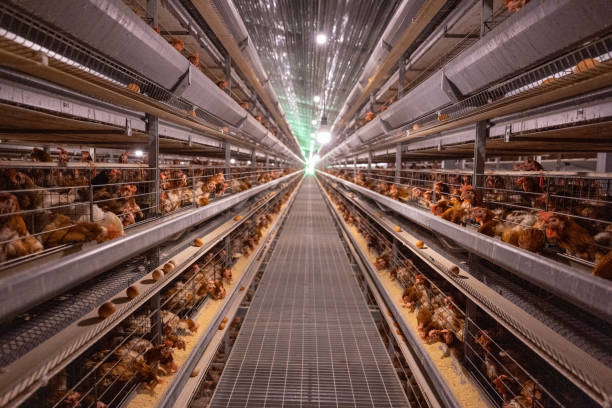
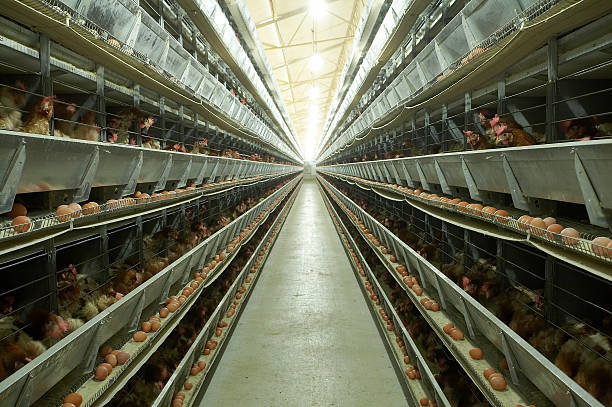
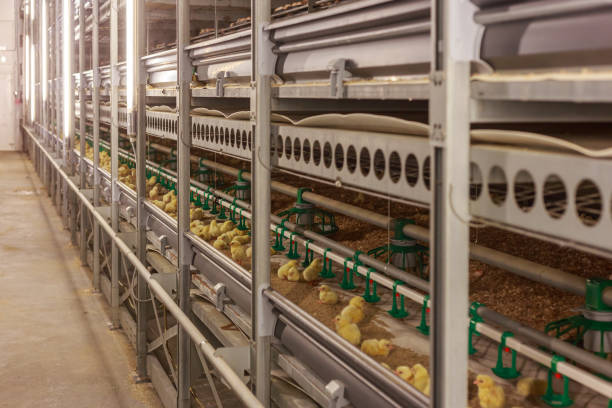
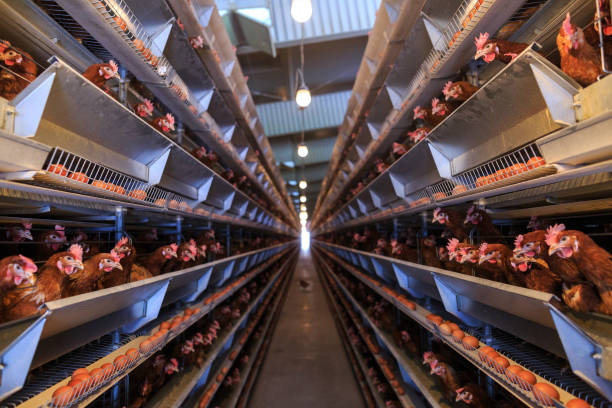
So, what actually goes into a complete solution for this scale? It starts with the right cage system. For 25,000 birds, you’re likely looking at either an A-type or H-type system, depending on your building and budget. H-type cages are the modern standard for high-density farming. They are stacked in 3, 4, or even 5 tiers, allowing you to maximize your floor space. If you have a house with good height, you can comfortably house 25,000 layers in a space that might only hold 10,000 birds in a floor system . For broilers, the cages are designed with sturdy floors and optimal space per bird to ensure they reach market weight quickly and healthily .
Next is the automatic feeding system. At this volume, hand-feeding is simply not an option. Our systems use a hopper and a chain or auger to distribute feed evenly along the entire length of the cage line. This ensures that every bird, whether at the front or the back of the house, gets the same ration. It eliminates waste and prevents the dominant birds from overeating while the smaller ones get pushed aside . The result is a more uniform flock, which is critical whether you’re selling eggs or meat birds.
You also need a reliable watering system. We use high-quality nipple drinkers with built-in cups to catch drips. This keeps the litter drier and reduces humidity in the house, which is a major factor in preventing respiratory diseases . The system is connected to a pressure regulator that ensures the water pressure is just right—enough for the birds to drink easily, but not so high that it causes leaks.
For layer operations, an automatic egg collection system is the crown jewel of the setup. Eggs roll gently onto a central conveyor belt that carries them directly to the packing room. This not only saves countless hours of labor but also dramatically reduces egg breakage. Cleaner eggs, collected faster, with less stress on your workers—it’s a no-brainer .
Finally, a manure removal system is essential for bird health and environmental control. Manure belts run under each tier of cages, and a motor drives them to discharge the waste into a central cross conveyor, which carries it out of the house. By removing manure daily, you slash ammonia levels, improve air quality, and reduce the fly population around your farm .
How Automation Transforms Daily Life on a 25,000-Bird Farm
Let’s paint a picture of what life looks like with a fully automated system. Before automation, your day probably starts at dawn and doesn’t end until well after dark. You’re constantly running from one end of the house to the other, checking feeders, fixing leaks, and chasing after broken equipment. Your workers are exhausted, and turnover is high.
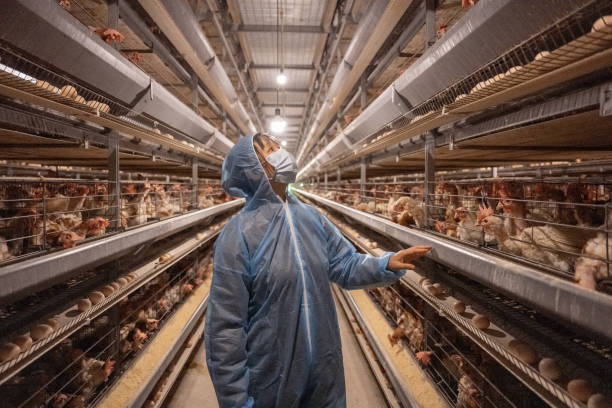
Now, imagine a different scenario. You walk into your control room and check the digital display. The temperature is steady at the perfect level. The feeders have already run their scheduled cycles. The egg counter shows how many eggs have come in overnight. You grab a coffee and take a stroll through the house, not to work, but to observe. The birds are calm and evenly distributed. The air smells fresh, thanks to the manure belts that ran automatically at 3 a.m. A sensor alerts you that a fan belt is wearing thin—you order a replacement and schedule a quick fix before it becomes a problem .
This isn’t a fantasy; it’s what our customers experience every day. Automation doesn’t just save labor; it gives you peace of mind. It allows you to focus on the big picture—marketing your products, planning your next expansion, and spending time with your family—instead of being chained to the daily grind. With 25,000 birds, your time is too valuable to spend on manual chores that a machine can do better.
Making the Investment Work for You
We know that investing in a complete poultry cage solution is a significant financial commitment. But it’s important to look at it as an investment, not an expense. The return comes from multiple angles: labor savings, reduced feed waste, lower medication costs due to healthier birds, and higher productivity. Many of our customers see a full return on their investment within 2 to 3 years .
We’re with you for the long haul. We don’t just sell you the equipment and disappear. We offer a full service that starts with understanding your specific needs. We’ll help you design the layout of your house to optimize space and workflow. We can provide guidance on installation, or send our team to oversee it. We train your staff on how to operate and maintain the system. And if you ever have a question or a problem, we’re just a phone call or message away.
If you’re ready to stop working harder and start working smarter, we’d love to talk. Whether you’re building a new farm or upgrading an existing one, we have the experience and the equipment to help you succeed. Contact Livi Machinery today for a personalized consultation and quote for your 25,000-bird project. Let’s build the future of your farm together.
Frequently Asked Questions
Q1: Can I really house 25,000 birds in my existing building?
It depends on the dimensions of your house. With high-density H-type cages, you can significantly increase your capacity compared to floor raising or older cage systems. We can perform a site assessment or work from your building plans to determine the exact layout and capacity possible in your space .
Q2: What’s the difference between a solution for 25,000 layers versus 25,000 broilers?
The core principles are the same—automated feeding, watering, and manure removal—but the cage design differs. Layer cages are designed with a sloped floor and an egg collection system, while broiler cages have a flat, sturdy floor designed for birds to stand and walk on as they grow to market weight . The density and cell sizes are also calculated differently based on the final target weight of the birds.
Q3: How much labor will I save with a complete automated system?
Most farmers report reducing their labor needs by 50% to 70% after switching to a fully automated system. Instead of needing a team for manual feeding, watering, and egg collection, you may only need 2-3 skilled people to monitor the equipment and handle tasks like vaccination and final bird collection .
Q4: What happens if the power goes out?
A well-designed system includes backup plans. We strongly recommend having a standby generator that can automatically kick in during a power failure to run the ventilation, feeding, and water systems. Additionally, many of our systems can be equipped with alarm systems that alert you via phone if there’s a critical failure in temperature control or power .
Q5: How long does it take to install a system for 25,000 birds?
Installation time varies depending on the complexity of the system and the condition of your building. A typical installation for a project of this size might take a few weeks. We work closely with you to schedule the installation to minimize downtime between your flocks .
Q6: What kind of warranty do you offer on your equipment?
At Livi Machinery, we stand behind the quality of our products. We offer a comprehensive warranty on our cages and automation systems. The specific terms can vary by component, so we’ll provide you with all the details in your proposal. Our focus is on providing durable equipment that lasts for 15-20 years .
Q7: Do you provide the plastic slats or flooring for the cages?
Yes, we can supply all necessary components, including the high-quality plastic slats or flooring that fits our cage systems. These are designed for durability and ease of cleaning, contributing to better bird health and hygiene .