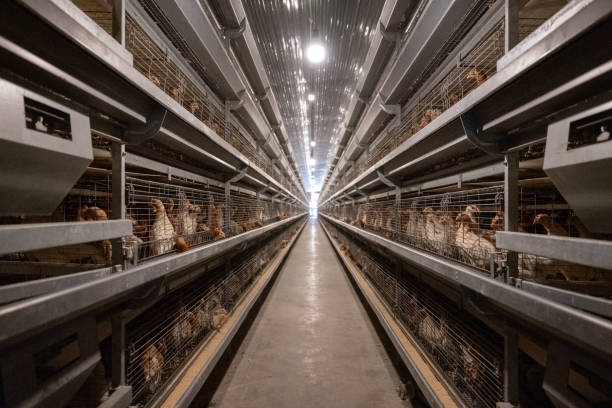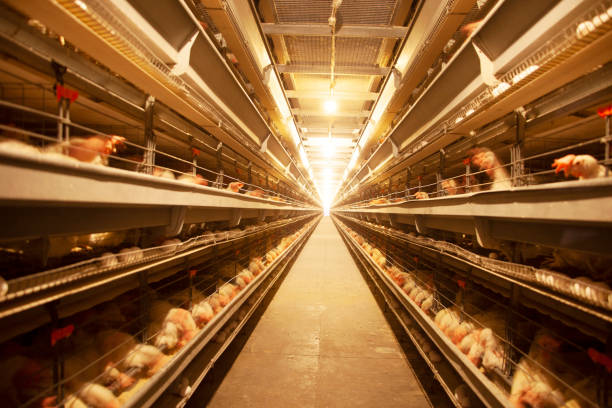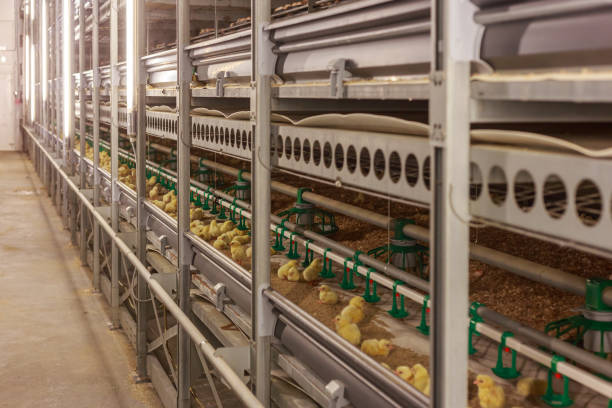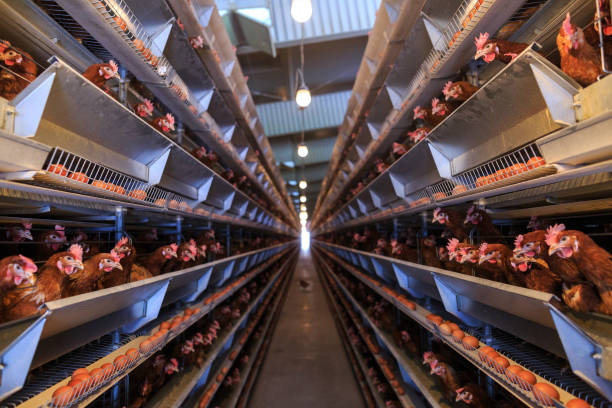

Why the Best Price for Automatic Poultry Cages is Critical for Zambian Layer Farms
For Zambian layer farm operators, securing the best price for automatic poultry cages is not merely a purchasing decision but a critical financial strategy that directly impacts long-term profitability and operational viability. This section explores why competitive pricing is essential within the local context and how it influences key farm outcomes.
- Improved cash flow management from lower upfront costs
- Higher net profit margins per egg produced
- Reduced financial risk during market price fluctuations for eggs
Beyond pure cost, the right price must correlate with reliable performance and regional suitability. Systems must withstand local conditions while delivering promised efficiencies. A well-priced, durable cage system directly addresses core operational challenges:
- Enhanced Bird Welfare & Productivity: Automated feeding, watering, and egg collection reduce stress, leading to consistently higher lay rates, often by 5-10%.
- Labor Optimization: Automation cuts manual labor requirements by up to 60%, allowing staff to focus on bird health monitoring and farm management.
- Resource Efficiency: Precise systems can lower feed waste by approximately 8-12% and reduce water consumption, directly lowering daily operating expenses.
Ultimately, achieving the best price for this equipment is foundational for Zambian layer farms to modernize competitively. It transforms a major capital expenditure into a strategic asset that drives efficiency, bird welfare, and financial resilience. We specialize in providing robust, locally-adapted automatic cage systems with comprehensive after-sales support. Contact us for a customized cost-benefit analysis tailored to your farm’s scale and goals.
Evaluating Automatic Poultry Cage Specifications for a 60,000-Bird Operation
Evaluating the specifications for an automatic poultry cage system is a critical step when planning a large-scale operation for 60,000 birds. This process involves balancing technical requirements with operational goals to ensure long-term productivity and a strong return on investment.
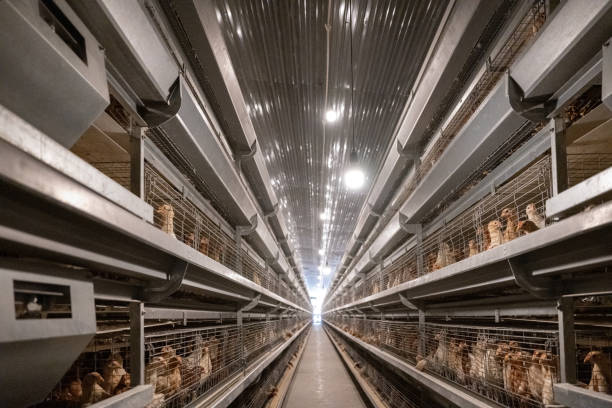
- Tier Configuration: Determining the optimal number of cage tiers (e.g., 3-tier, 4-tier, or 5-tier A-type or H-type systems) to maximize space utilization within your poultry house dimensions.
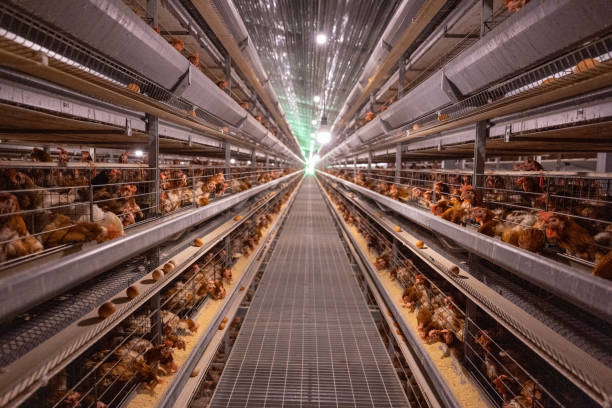
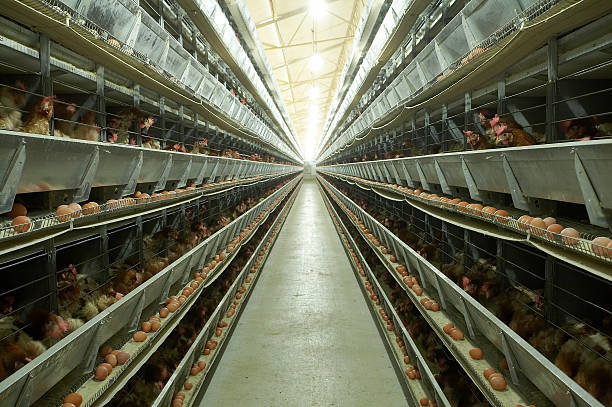
- System Synchronization: Ensuring the feeding, watering, egg collection, and manure removal systems are fully integrated and can handle the daily throughput for 60,000 layers or broilers without bottlenecks.
When considering regional factors for a market like Zambia, specifications should prioritize durability and adaptability. The ideal automatic poultry cages must withstand local conditions while optimizing labor and resource use.
- Material & Construction: Prioritize hot-dip galvanized steel to combat humidity and ensure a long service life, reducing replacement costs.
- Climate Resilience: Systems should include features like adjustable ventilation and robust manure belts to maintain a healthy environment in varying temperatures.
- Local Support: Evaluate the availability of local technical support and spare parts for the automated systems to minimize operational downtime.
Selecting the right system is a strategic investment. By thoroughly evaluating the technical specifications and aligning them with your farm’s scale and regional demands, you can secure a foundation for efficient, high-volume production. We provide customized layouts and ROI analyses for 60,000-bird projects, backed by local installation expertise. Contact our team for a detailed feasibility assessment and system proposal tailored to your operation.
Calculating the True Best Price: Efficiency and Cost Savings Analysis
This section moves beyond the initial purchase price to analyze how operational efficiency and long-term cost savings define the true best price for poultry equipment in Zambia. It examines key factors that impact your total cost of ownership and return on investment.
- Feed Conversion Ratio (FCR): High-quality feeders can reduce spillage by 5-10%, directly lowering your largest operational cost.
- Water Usage: Automated nipple drinkers cut water waste by up to 30% compared to troughs, a critical advantage in regions with water scarcity.
- Labor Efficiency: Automated systems for feeding, egg collection, and manure cleaning can reduce required manpower by up to 40%, significantly cutting recurring salary expenses.
To perform a complete cost savings analysis, consider this five-year projection for a mid-sized Zambian layer farm investing in durable, automated systems versus basic manual equipment.
| Cost Category | Basic Manual Equipment (5-Year Total) | Efficient Automated Equipment (5-Year Total) |
|---|---|---|
| Initial Investment | ZMW 200,000 | ZMW 350,000 |
| Estimated Feed & Water Waste | ZMW 450,000 | ZMW 380,000 |
| Labor Costs | ZMW 600,000 | ZMW 360,000 |
| Total Projected Cost | ZMW 1,250,000 | ZMW 1,090,000 |
As the analysis shows, the higher initial investment in efficient technology yields substantial long-term savings, proving its value. To secure the genuine best price for your operation, request a customized ROI projection based on your specific farm size and location in Zambia.
Securing Your Investment in High-Capacity Automatic Poultry Cages
Securing your investment in high-capacity automatic poultry cages requires careful planning that goes beyond the initial purchase. This section outlines key considerations for selecting robust systems and ensuring their long-term performance and return on investment in demanding commercial environments.
- Structural Frame: Heavy-gauge, hot-dip galvanized steel to resist corrosion from ammonia and moisture.
- Automated Systems: Reliability of the feed delivery, egg collection, and manure removal mechanisms is critical to minimize downtime.
- Load Capacity: Ensure the system is rated for the full weight of birds, equipment, feed, and water at maximum stock density.
For operations in Zambia, regional factors significantly influence the success of your installation. The local climate, power stability, and service availability must guide your specifications. Essential features to prioritize are:
- Climate Adaptation: Enhanced ventilation and cooling systems to manage high temperatures.
- Power Management: Built-in surge protection and backup power compatibility for inconsistent grid supply.
- Local Support: Availability of spare parts and technical service to maintain the automated systems without long delays.
To maximize your investment’s security, a proactive operational plan is essential. This involves scheduled maintenance, staff training on the automated systems, and having a contingency plan for equipment failures. Properly maintained automatic poultry cages deliver consistent performance, safeguarding your productivity and profitability for over a decade.
We ensure your investment is protected with cages built from premium materials and offer dedicated local technical support. [Contact us] for a customized feasibility assessment for your farm’s scale.
Maximizing Farm Profitability with the Right Automatic Poultry Cage System
This section explores how selecting the optimal automated housing directly impacts your bottom line, addressing key profitability drivers for Zambian poultry farmers.
- Reduced labor costs by up to 60% through automated feeding, watering, and egg collection.
- Improved feed conversion ratios (FCR) by 5-8% via precise delivery systems.
- Enhanced bird health and uniformity, leading to higher egg production rates and lower mortality.
To maximize your investment, follow these steps:
- Assess Your Scale: Match the system capacity (e.g., 5,000 vs. 20,000 birds) to your current and projected flock size.
- Prioritize Core Features: Ensure the chosen automatic poultry cages include robust climate control and manure removal systems suited to local conditions.
- Calculate Total ROI: Factor in long-term savings on labor, feed, and veterinary costs against the initial capital outlay.
For a precise cost-benefit analysis tailored to a Zambian operation, request a customized ROI projection for your farm size. The right system is a strategic asset that boosts efficiency, bird welfare, and ultimately, your farm’s profitability.