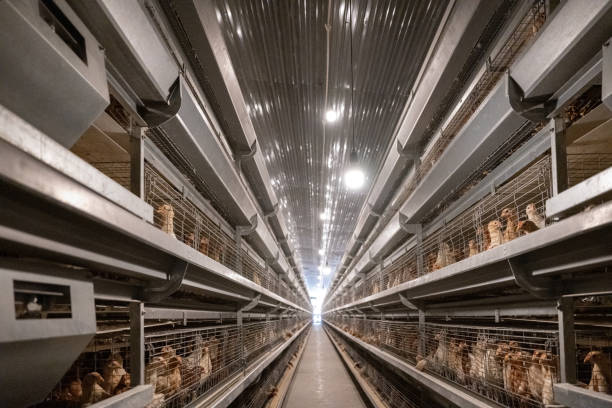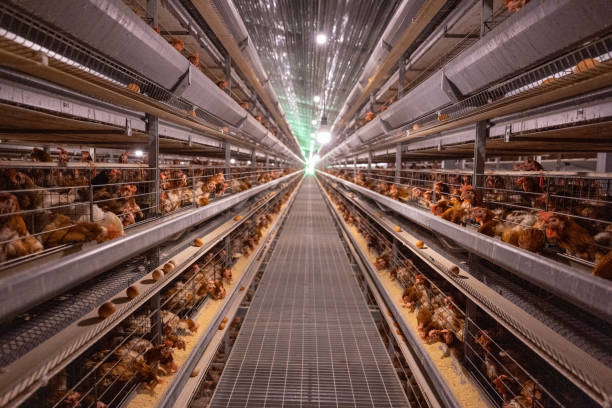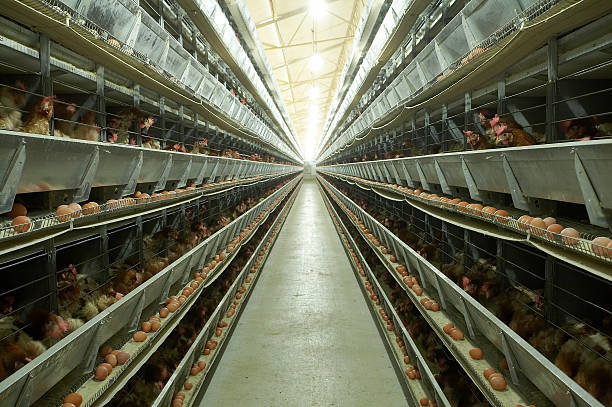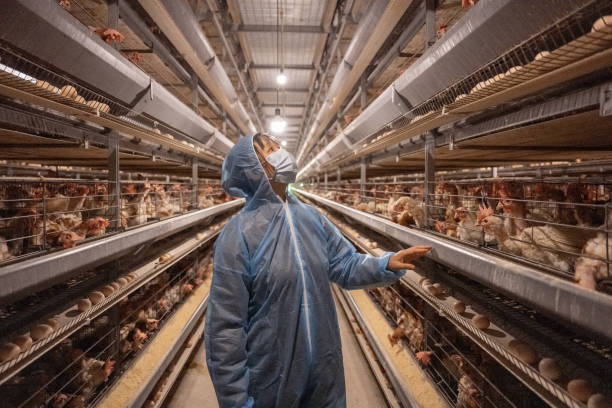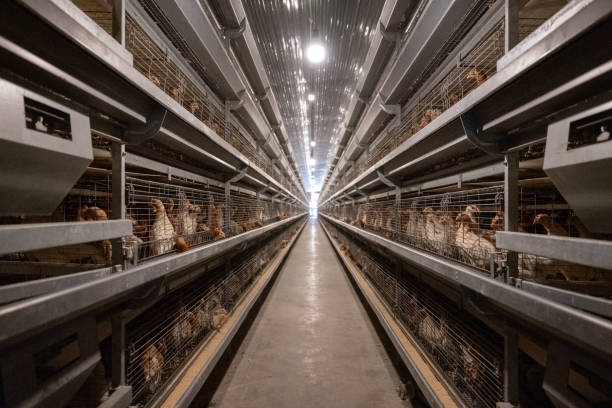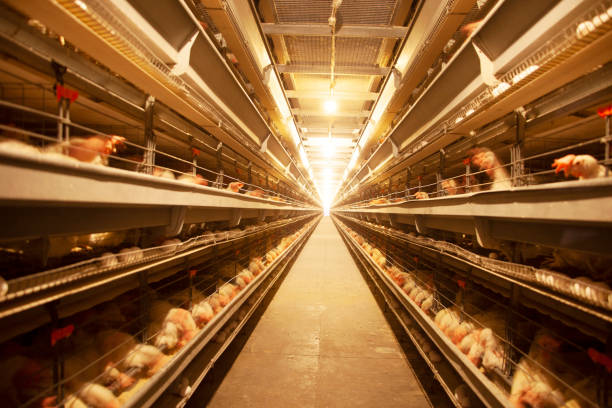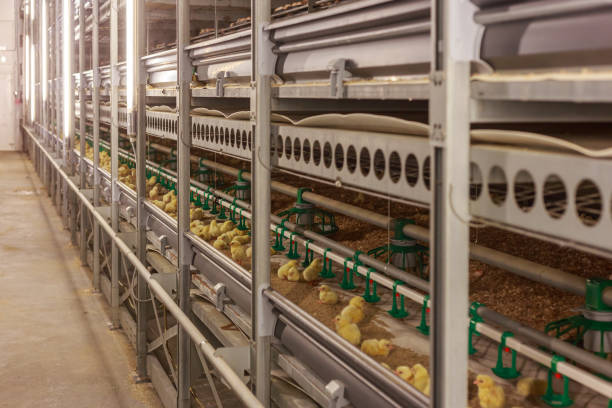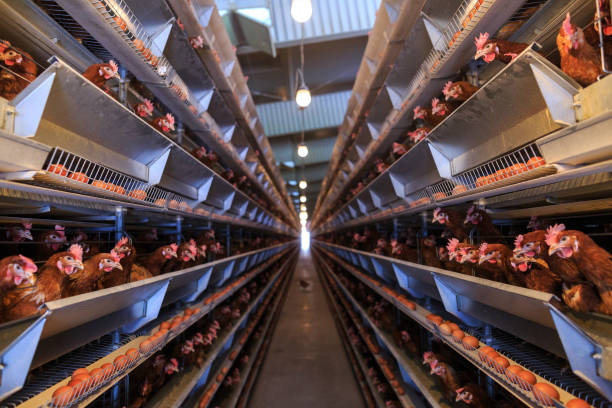

For large-scale poultry operations in Zambia, transitioning to modern infrastructure is a decisive step toward profitability and sustainability. This section explores how a structured Chicken Cage Farming System directly tackles regional challenges while unlocking significant operational advantages for commercial producers.
- Disease Management: Confined, elevated cages drastically reduce bird contact with manure and soil-borne pathogens, a critical defense against outbreaks of Newcastle disease or avian influenza.
- Feed & Water Efficiency: Automated delivery systems within the cage structure can cut feed waste by up to 15-20% and ensure consistent water access, directly combating high input costs.
- Labor Optimization: Centralized egg collection, manure belts, and streamlined bird handling can reduce required labor by approximately 30%, mitigating skilled worker shortages.
The key advantage for Zambian farms is enhanced productivity and product quality. A well-designed cage system enables precise environmental control and monitoring, leading to:
- Higher egg production rates due to reduced bird stress and easier health monitoring.
- Uniform egg size and superior shell quality, commanding better prices in premium markets.
- Efficient land use, allowing for higher stocking densities without compromising welfare, maximizing output per hectare.
In summary, a modern cage system is not just equipment but a foundational strategy for scalable, competitive poultry farming in Zambia. We provide robust, galvanized systems engineered for African conditions, backed by local technical support and custom farm layout planning. [Contact us] for a detailed ROI projection and a cage system design tailored to your farm’s scale.
Evaluating Core Features for Space Optimization and a 60,000-Bird Capacity
When planning a large-scale commercial operation, selecting the right poultry equipment is paramount for achieving both high density and optimal bird welfare. This section delves into the essential features to evaluate in a Chicken Cage Farming System designed to maximize space while reliably supporting a capacity of 60,000 birds, a scale that demands precision engineering and robust management.
- Tiered Configuration: Multi-tiered A-type or H-type systems dramatically increase stocking density per square meter of floor space.
- Integrated Manure Removal: Automated belt or scraper systems are non-negotiable for maintaining hygiene and air quality at this scale.
- Precision Feeding & Watering: Centralized feed lines and nipple drinkers ensure consistent nutrition and water access for every bird, minimizing waste and labor.
In the context of Zambia, where infrastructure and climate present specific challenges, the chosen Chicken Cage Farming System must be adapted for regional success. Critical considerations include:
- Durability: Equipment must withstand high temperatures and potential humidity with corrosion-resistant materials.
- Ventilation Integration: The cage design must seamlessly integrate with powerful tunnel ventilation to manage heat stress.
- Local Support: Availability of spare parts and technical service is crucial for minimizing costly operational downtime.
Ultimately, a well-chosen system transforms capital investment into long-term profitability. We specialize in heavy-duty, climate-adapted cage systems backed by on-ground technical support in Zambia. Contact our team for a customized 60,000-bird layout and efficiency analysis.
Prioritizing Health and Welfare Features in Your Chicken Cage Farming System
When implementing a modern Chicken Cage Farming System, a deliberate focus on health and welfare is not just ethical but a cornerstone of long-term productivity and farm viability. This approach directly impacts bird stress levels, disease incidence, and ultimately, your bottom line.
- Optimal Space Allocation: Providing adequate square inches per bird reduces aggression and feather pecking.
- Enhanced Hygiene Management: Sloped floors and smooth surfaces prevent manure buildup, lowering ammonia levels and the risk of respiratory diseases by up to 30%.
- Ergonomic Design: Rounded edges and appropriate feeder/nipple drinker heights prevent injuries and ensure easy access to feed and water.
Prioritizing these features yields significant operational advantages for your farm:
- Improved Flock Health: Reduced physical stress and better hygiene lead to stronger immune systems, decreasing medication costs.
- Enhanced Product Quality: Lower stress environments are linked to better eggshell strength and more uniform egg size.
- Increased Labor Efficiency: Automated manure removal systems and ergonomic cage layouts can cut daily management time by an estimated 15-20%.
Investing in a welfare-centric cage system builds a more resilient and profitable operation. We specialize in durable, galvanized systems engineered for animal comfort and ease of management. Contact us for a customized layout plan that prioritizes the health of your flock.
Analyzing Feed Conversion Efficiency and Productivity Metrics
This section examines how to measure and improve feed conversion ratios (FCR) and overall output, which are critical for profitability in Zambia’s poultry sector.
- Reduced feed wastage, as birds cannot scatter feed on the ground.
- Easier monitoring of individual bird health and consumption patterns.
- Optimized space, which lowers stress and improves uniform growth rates.
To accurately track productivity, farmers should focus on these sequential steps:
- Consistently record total feed intake and final bird weight over a specific period.
- Calculate the FCR by dividing total feed consumed by total weight gained.
- Compare this FCR against benchmarks, such as an ideal range of 1.5 to 1.7 for broilers, to identify areas for improvement.
For instance, a farm in Lusaka with a 5,000-bird capacity using an automated Chicken Cage Farming System reported a 12% improvement in FCR within six months, significantly boosting net revenue.
Implementing systematic tracking within a structured cage environment is fundamental for maximizing feed efficiency. We provide durable, locally serviced cage systems designed for Zambia’s climate to help you achieve these gains. Contact our team for a personalized feed efficiency and cage layout analysis.
Calculating ROI and Long-Term Operational Considerations for Zambia
Calculating the return on investment (ROI) for poultry equipment in Zambia requires a detailed analysis of initial capital outlay against long-term productivity gains and operational savings. A structured approach is essential for farmers to make informed financial decisions.
- Cage system purchase and installation
- Poultry house construction or retrofitting
- Ventilation and feeding/watering systems
- Day-old chick procurement
The financial benefits that drive ROI stem from the system’s efficiency. A well-managed Chicken Cage Farming System in Zambia can lead to:
- Higher stocking density, increasing bird capacity by 20-30% compared to floor systems.
- Improved feed conversion ratios and reduced disease incidence, lowering mortality rates.
- Streamlined labor requirements for feeding, egg collection, and manure management.
- Local availability of spare parts and technical support to minimize downtime.
- Fluctuations in feed costs, which typically constitute 60-70% of ongoing expenses.
- Market prices for eggs and meat, which influence revenue projections.
A precise ROI calculation demonstrates the viability of cage-based poultry farming. We provide customized financial models and durable cage systems backed by local service networks. Contact our Zambia team for a personalized farm profitability analysis.
Implementing Your Robust Chicken Cage Farming System for Superior Productivity
This section details the practical steps to establish a high-yield Chicken Cage Farming System in Zambia, addressing local infrastructure and climate challenges.
A successful implementation begins with strategic planning. Key steps include:
- Conducting a site assessment for water access and biosecurity.
- Selecting a cage design (A-type or H-type) based on your target flock size and budget.
- Ensuring reliable power backup, crucial for Zambia’s intermittent supply, to maintain ventilation and lighting.
- Training staff on daily operations like feeding and egg collection.
- Implementing a strict health and vaccination schedule to prevent disease.
- Monitoring environmental controls to protect birds from heat stress.
By following this structured approach, your robust Chicken Cage Farming System will deliver superior bird welfare and consistent productivity. We specialize in Zambia-specific designs with local technical support. Contact us for a customized project plan.