
Uganda’s poultry sector is growing fast, driven by rising urbanization, a growing middle class, and increasing demand for protein . With over 45 million people and a poultry population estimated at over 47 million, the market potential is enormous . Most of the country’s poultry production still comes from smallholder farmers, which creates a huge opportunity for commercial operations that can supply consistent, high-quality products .
A 30,000-bird farm puts you in the sweet spot. You’re large enough to achieve economies of scale—lower per-bird costs for feed, labor, and equipment—but still manageable for a dedicated owner-operator with a good team. You can supply regular orders to supermarkets and institutions, something smaller farms struggle with due to inconsistent supply. And you’re positioned to grow further if the market demands it.
The Ugandan government has also shown interest in supporting commercial agriculture, with programs like the National Agricultural Advisory Services (NAADS) and the Uganda Development Corporation offering various forms of support to serious farmers . While you shouldn’t rely on government help, it’s worth exploring what assistance might be available.
Step 1: Site Selection and Land Preparation
The first and most critical decision you’ll make is where to build your farm. Location affects everything from bird health to operating costs and market access.
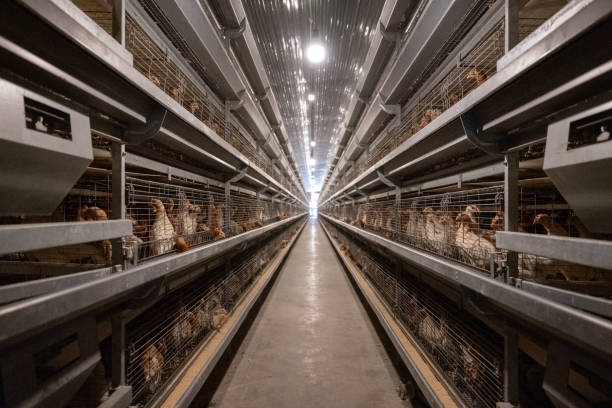
Land size requirements: For 30,000 birds in a cage system, you’ll need adequate space for the poultry houses plus support facilities. A typical layer house for 30,000 birds using H-type cages might be around 80 to 100 meters long and 10 to 12 meters wide . You’ll need multiple houses depending on your setup, plus space for feed storage, egg packing, staff facilities, and vehicle access. Aim for at least 2 to 3 acres total to give yourself room to operate and expand .
Accessibility: Your farm should be accessible by road year-round, even during the rainy season. You’ll be bringing in feed trucks and sending out egg or bird trucks regularly. If the road washes out every time it rains, you’ll have serious problems.
Water availability: Chickens need constant access to clean water. A 30,000-bird flock can consume thousands of liters per day. You need a reliable water source—a borehole, well, or municipal supply—with enough capacity to meet peak demand. Test your water quality before you build; contaminated water can devastate a flock .
Electricity: Automated equipment needs power for feeding, ventilation, lighting, and egg collection. Uganda’s grid can be unreliable, so plan for backup power. Many successful farms install generators with automatic transfer switches, and some are adding solar systems to reduce costs and improve reliability .
Orientation and drainage: Position your houses to take advantage of prevailing winds for natural ventilation. The long axis of the house should run east-west to minimize direct sun exposure on the walls. Good drainage is essential—you don’t want water pooling around your houses during heavy rains.
Distance from other farms: For biosecurity, locate your farm away from other poultry operations. Uganda has had outbreaks of Newcastle disease and other poultry illnesses, and proximity to infected farms is a major risk factor .
Before you break ground, visit the local government office to understand zoning requirements and any restrictions on poultry farming in your chosen area.
Step 2: Legal and Regulatory Requirements
Building a commercial farm in Uganda requires navigating several regulatory requirements. Don’t skip these steps—operating without proper approvals can lead to fines, closure, or worse.
Business registration: Register your farm as a business with the Uganda Registration Services Bureau (URSB). This gives you a legal identity and is required for bank accounts, permits, and contracts .
Environmental impact assessment: Depending on your location and scale, you may need an environmental impact assessment from the National Environment Management Authority (NEMA). This is especially likely if you’re near water sources or residential areas .
Local government permits: Your local district or municipal government will have its own requirements for agricultural operations. Visit their office early in the planning process to understand what permits you need .
Tax registration: Register for a tax identification number (TIN) with the Uganda Revenue Authority. You’ll need this for importing equipment, buying supplies, and paying taxes .
Animal health permits: The Ministry of Agriculture, Animal Industry and Fisheries (MAAIF) regulates livestock operations. You may need permits or inspections related to animal health and biosecurity .
Working with a local consultant or lawyer who understands agricultural regulations can save you enormous headaches. It’s money well spent.
Step 3: Choosing Your Production System
For 30,000 birds, you have two main options: layers for egg production or broilers for meat. Your choice determines everything about your facility design and equipment.
Layer farms produce eggs for 18 months to 2 years per flock. You’ll need rearing facilities for young birds (if you’re raising your own pullets) or arrangements with reputable suppliers for point-of-lay birds. Egg production requires daily collection, grading, and packing. You’ll also need cold storage if you’re holding eggs for more than a few days.
Broiler farms produce meat birds in cycles of 6 to 8 weeks. You’ll have multiple batches per year, which means regular cycles of cleaning and disinfecting between flocks. Broilers need different nutrition and management than layers, and your market connections will be different.
Some farmers choose to specialize in one type, while others diversify. For a first-time commercial farmer, specializing in either layers or broilers is usually simpler.
Within your chosen type, you’ll also decide on housing systems. For 30,000 birds, cage systems are the most efficient choice for most farmers. They maximize space use, improve bird health by separating them from waste, and enable automation that saves labor . Deep litter systems are possible but require much more space and labor, making them less economical at this scale.
Step 4: Designing Your Poultry Houses
Your poultry houses are the heart of your farm. Design them right, and daily operations run smoothly. Design them wrong, and you’ll fight problems every day.
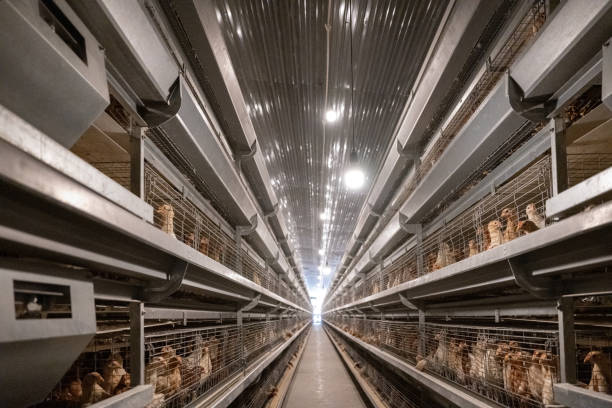
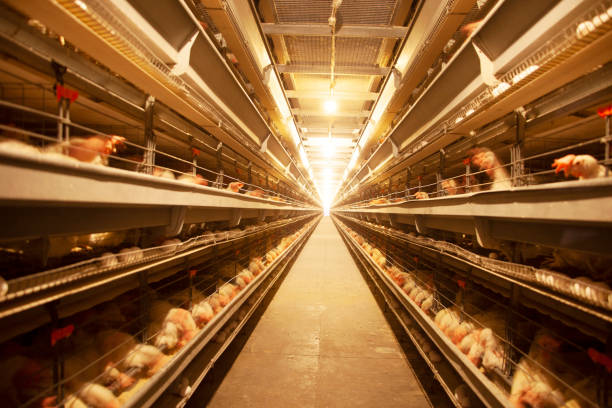
House dimensions: For 30,000 layers in H-type cages, a common configuration is one house 80 to 100 meters long and 10 to 12 meters wide. This size allows for multiple rows of cages with adequate aisles for access and airflow . For broilers, you might use multiple smaller houses to manage all-in/all-out production between flocks.
Height: For multi-tier cage systems, you need adequate height. Aim for at least 3.5 to 4 meters at the eaves to accommodate 4-tier H-type cages and allow good airflow above the top tier .
Floor: A concrete floor is essential for biosecurity and cleaning. It should be sloped slightly for drainage and include a proper waste management system connected to your manure handling .
Walls: In Uganda’s climate, many farmers use open-sided houses with curtains or screens that can be raised or lowered to control ventilation. This reduces construction costs and provides natural airflow . The lower portion of walls should be solid to prevent predators from digging in.
Roof: Use insulated roofing materials to reduce heat gain. In hot areas, consider a double roof or reflective materials. Overhangs provide shade and keep rain out when curtains are open.
Ventilation: Proper airflow is critical in Uganda’s warm climate. Your design should include ridge vents, side curtains, and provision for fans if you’re using tunnel ventilation. Work with an experienced poultry house designer to calculate your ventilation needs based on bird numbers and local climate .
Lighting: Layers need controlled lighting to maintain egg production. Design your electrical system to allow for dimming and timed lighting programs. Broilers also benefit from proper lighting programs to encourage feed intake .
Step 5: Selecting and Installing Equipment
With your houses designed, it’s time to choose the equipment that will make your farm productive. This is where your investment really starts to add up, but quality equipment pays for itself through efficiency and longevity.
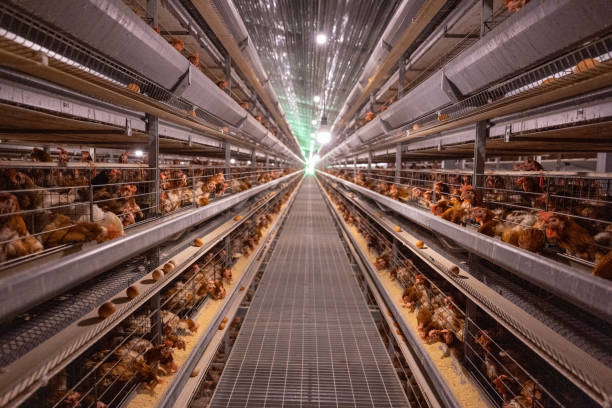
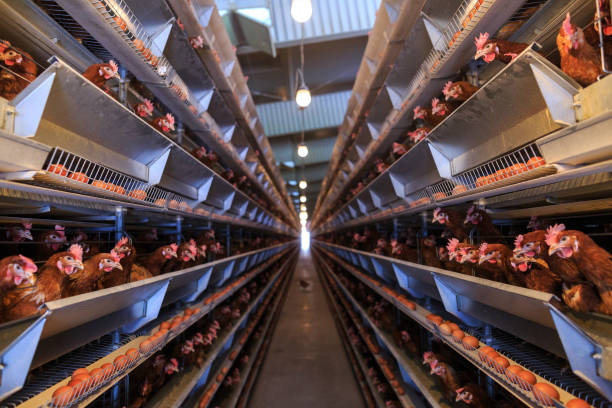
Cage systems: For 30,000 layers, H-type battery cages are the most efficient choice. They stack birds in 4 or 5 tiers, maximizing your space use. Look for cages made from hot-dip galvanized steel wire that will resist rust for 10 to 15 years or more . The wire gauge should be heavy enough to support mature birds without sagging. For broilers, you’ll need cages with stronger floors to support heavier birds .
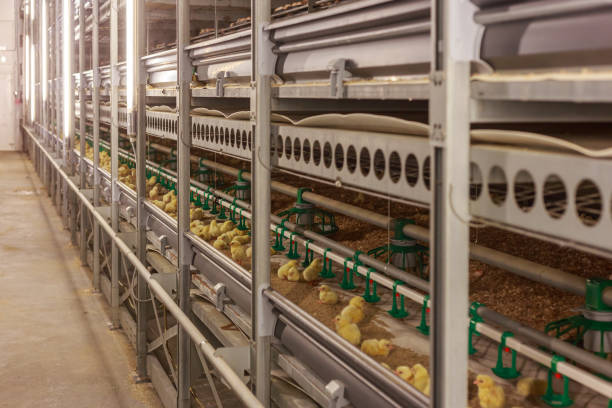
Automatic feeding systems: These distribute feed evenly along all cage rows on a timer. They ensure every bird gets the same ration and eliminate waste . For 30,000 birds, manual feeding would require multiple workers spending hours each day—automation pays for itself quickly.
Nipple drinking systems: These provide clean water on demand without spillage that can wet litter. Include pressure regulators to ensure proper flow and filters to keep the system clean .
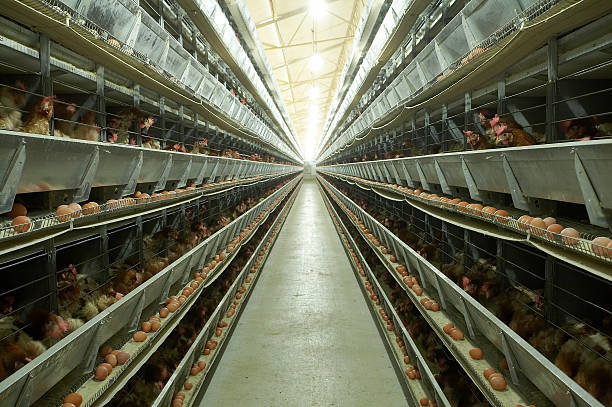
Automatic egg collection: For layer farms, this is a must. Eggs roll onto conveyor belts and travel directly to the packing room, reducing breakage and saving enormous labor . Breakage rates often drop below 0.5% compared to 2-3% with manual collection.
Manure removal systems: Belts under each cage tier automatically remove waste several times daily, keeping the house clean and reducing ammonia . The dry manure can be sold as fertilizer—an extra income stream.
Ventilation equipment: Depending on your house design, you may need exhaust fans, circulation fans, evaporative cooling pads, and automatic controllers that adjust ventilation based on temperature and humidity .
Backup power: Install a generator sized to run your critical systems—ventilation, feeding, water, and lighting. Automatic transfer switches ensure power comes on immediately when grid power fails.
Lighting systems: Programmable LED lighting allows you to control day length for layers or implement lighting programs for broilers .
When selecting equipment, don’t just look at price. Consider durability, availability of spare parts, and supplier support. A slightly more expensive system that lasts 15 years is a better investment than a cheap system that needs replacement in 5.
Step 6: Budgeting and Financial Planning
Building a 30,000-bird farm requires serious capital. Here’s a rough breakdown of what to expect. Remember that prices can vary significantly based on location, exchange rates, and specific choices.
Land: Costs vary wildly depending on location. Near Kampala, land is expensive; further from the city, prices drop. Budget accordingly.
Construction: Poultry houses, roads, utilities, and support buildings can cost anywhere from UGX 500 million to UGX 1.5 billion or more depending on materials and specifications .
Equipment: A complete automated system for 30,000 layers—including cages, feeding, watering, egg collection, manure removal, ventilation, and controls—typically ranges from $150,000 to $250,000 or more depending on quality and features . For broilers, costs are similar or slightly different based on cage design.
Birds: Point-of-lay pullets for a 30,000-layer farm will cost around UGX 15,000 to UGX 20,000 each, totaling UGX 450 million to UGX 600 million . Day-old chicks for broilers are cheaper but you’ll need multiple batches per year.
Feed: You’ll need significant working capital for feed. A layer eats about 115 grams per day, so 30,000 birds consume over 3,400 kg daily. At current prices, feed costs can exceed UGX 10 million per week .
Operating costs: Labor, utilities, veterinary supplies, transportation, and miscellaneous expenses add up. Plan for at least several months of operating costs before revenue starts flowing.
Contingency: Always budget 10-20% extra for unexpected costs. Construction always finds surprises.
Financing options in Uganda include commercial bank loans, agricultural development finance institutions, and sometimes supplier credit. Prepare a detailed business plan with realistic projections before approaching lenders.
Step 7: Managing Your 30,000-Bird Farm
Once your farm is built and stocked, the real work begins. Successful management requires attention to several key areas.
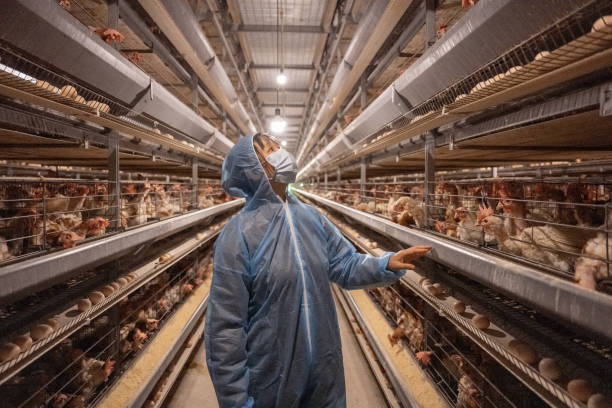
Biosecurity: This is non-negotiable. Establish protocols for visitors, vehicle entry, and staff movement. Clean and disinfect between flocks. Control rodents and wild birds. Have footbaths at house entrances. In Uganda, where Newcastle disease and other illnesses are present, good biosecurity is your best defense .
Nutrition: Work with a reputable feed supplier or formulate your own rations. Layers need different nutrition at different stages—grower feed for pullets, layer feed for production. Broilers need starter, grower, and finisher rations. Monitor feed intake and adjust as needed .
Health management: Establish a relationship with a poultry veterinarian. Implement vaccination programs appropriate for your area. Monitor birds daily for signs of illness. Quick response to health issues saves flocks .
Record keeping: Track feed consumption, egg production (or growth rates), mortality, medication use, and costs. Good records help you spot problems early and make informed management decisions .
Staff management: For 30,000 birds, you’ll need a team. Typically 4 to 6 workers can manage an automated farm, plus a manager and possibly maintenance staff . Train your team well and treat them fairly—good workers are hard to find and keep.
Marketing: Don’t wait until you have eggs or birds to find buyers. Develop relationships with wholesalers, retailers, hotels, and institutions before you start production. Consistent quality and reliable supply will keep them coming back.
Step 8: Common Challenges and How to Overcome Them
Every farmer faces challenges. Being prepared helps you handle them when they come.
Disease outbreaks: Despite best efforts, disease can strike. Have an emergency plan, maintain good relationships with your vet, and consider insurance if available. Quick response minimizes losses.
Feed price volatility: Feed prices in Uganda can fluctuate dramatically. Consider building storage for at least a month’s supply so you can buy when prices are favorable. Some farmers grow some of their own ingredients to reduce dependence on purchased feed.
Power outages: Uganda’s grid can be unreliable. A good generator with automatic transfer switch is essential. Solar systems are becoming more affordable and can offset some costs while providing backup.
Market fluctuations: Egg and meat prices vary seasonally. Budget for lower prices during glut periods and build reserves during good times. Diversifying your customer base helps stabilize demand.
Staff turnover: Losing trained workers hurts. Pay competitively, provide good working conditions, and invest in training. Cross-train multiple people so you’re not dependent on any single individual.
Building Your Future in Ugandan Poultry
Building a 30,000-bird chicken farm in Uganda is a major undertaking, but the rewards can be substantial. The market is growing, the technology is proven, and successful farmers are earning good returns. The key is doing it right—planning carefully, investing in quality equipment, and managing diligently.
At Livi Machinery, we’ve helped farmers across Uganda and around the world build successful poultry operations. We understand the local conditions, the challenges, and the opportunities. Whether you’re just starting to plan or ready to order equipment, we’re here to help.
Ready to build your 30,000-bird chicken farm in Uganda? Contact Livi Machinery today for a free consultation and custom farm design. Tell us about your land, your goals, and your budget, and we’ll help you create a poultry operation that delivers profits for years to come.
Frequently Asked Questions
Q1: How much land do I need for a 30,000-bird farm in Uganda?
You’ll need approximately 2 to 3 acres total. This includes space for poultry houses, feed storage, egg packing, staff facilities, and vehicle access . The exact requirement depends on your house design and layout.
Q2: How much does it cost to build a 30,000-bird chicken farm in Uganda?
Total investment typically ranges from UGX 1.5 billion to UGX 3 billion or more depending on land costs, construction quality, and equipment choices. This includes houses, equipment, initial bird stock, and operating capital .
Q3: How long does it take to build a farm of this size?
Construction typically takes 4 to 8 months, depending on weather, contractor availability, and equipment delivery times. Plan ahead so your houses are ready when your birds arrive .
Q4: Do I need to register my farm with the government?
Yes. You need business registration with URSB, tax registration with URA, and may need environmental permits from NEMA and local government approvals . Working with a local consultant can help navigate these requirements.
Q5: What’s better for Uganda—layers or broilers?
Both can be profitable. Layers provide steady daily income from eggs but require longer commitment per flock. Broilers offer faster returns but require consistent market access and more frequent flock turnover . Your choice should match your market opportunities and management preferences.
Q6: Do I need automated equipment for 30,000 birds?
While you could theoretically manage with manual systems and many workers, automation pays for itself through labor savings, reduced waste, and better bird performance. For 30,000 birds, automated feeding, watering, egg collection (for layers), and manure removal are highly recommended .
Q7: How many workers do I need for a 30,000-bird automated farm?
Typically 4 to 6 workers can manage daily operations, plus a farm manager and possibly maintenance staff. This depends on your exact setup and level of automation .
Q8: What permits do I need to import poultry equipment?
You’ll need to clear equipment through Uganda Revenue Authority customs. Working with a clearing agent who understands agricultural imports can simplify the process. Livi Machinery provides export documentation to facilitate clearance .