
This section explores the financial and operational considerations for Zambian poultry farmers evaluating modern housing solutions, focusing on long-term value and productivity gains.
- Reduced labor costs by automating feeding, watering, and manure removal
- Improved feed conversion ratios (FCR) through controlled bird access and waste management
- Higher stocking density, potentially increasing throughput by 20-30% within the same building footprint
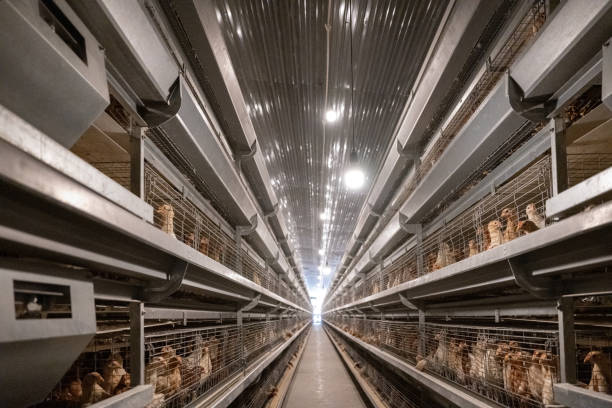
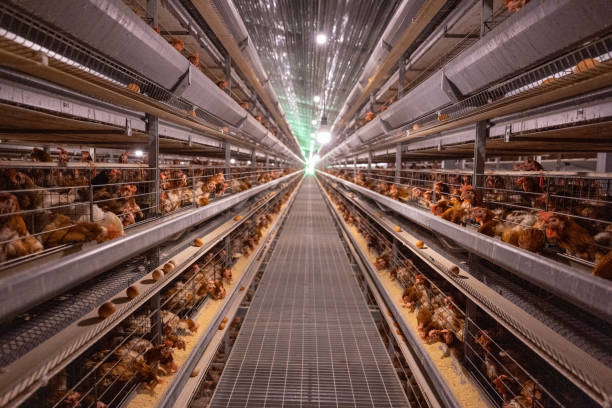
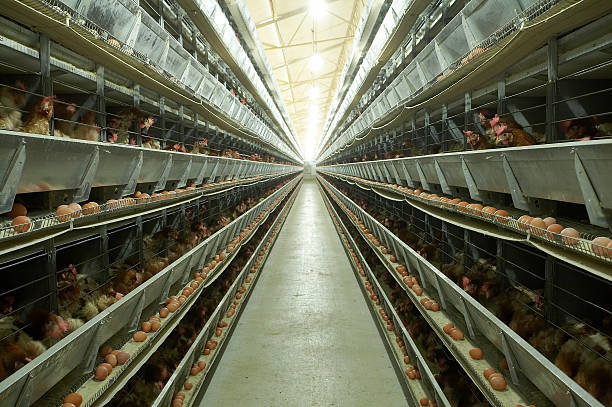
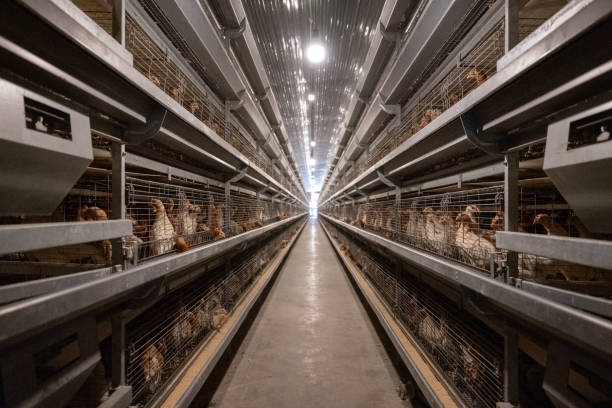
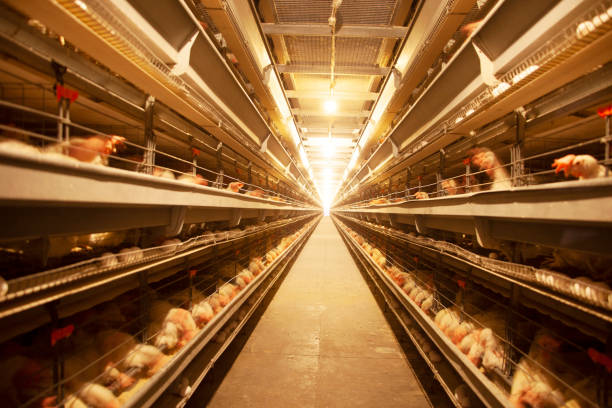
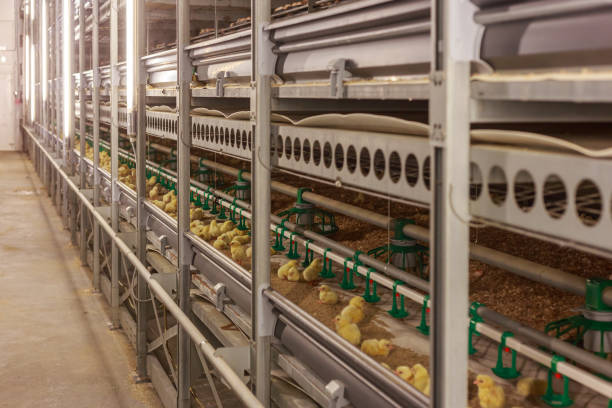
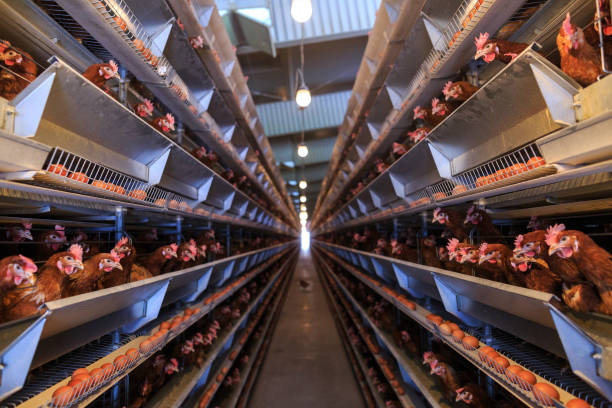
The H-Type design is particularly suited to scaling operations in Zambia. Its multi-tiered structure maximizes land use, a critical factor where suitable farm space can be limited. Implementing these systems follows a logical sequence:
- Assessment: Evaluate current flock size, growth targets, and available infrastructure.
- Planning: Secure a tailored layout for your H-Type Broiler Cage to optimize ventilation and workflow.
- Implementation: Partner with a supplier offering reliable local technical support for installation and maintenance.
To illustrate the potential return, consider a mid-sized farm in the Copperbelt Province. After transitioning to an automated H-Type system for 15,000 birds, the farm reported a 15% reduction in labor costs and a 5% improvement in feed efficiency within the first production cycle, accelerating the payback period.
Investing in Automatic Broiler Cage Systems is a strategic move toward greater efficiency and profitability for Zambia’s growing sector. We provide robust, galvanized H-Type cages backed by local installation teams and maintenance training. [Contact us] for a customized ROI projection and layout plan for your specific farm capacity.
Breaking Down the Capital Investment for a 60,000-Bird Automatic Cage System
Understanding the financial commitment for a modern 60,000-bird poultry farm is crucial for Zambian producers planning a major upgrade. This breakdown will outline the primary cost components for an H-Type system, helping you budget effectively for this high-efficiency infrastructure.
- The core cage structure, feeders, and drinkers
- Automated manure removal belts and environmental control systems
- Electrical panels, motors, and installation labor
A detailed cost estimate for a 60,000-bird setup typically follows this sequence:
- Procure the main H-Type Broiler Cage structure and automated equipment.
- Factor in shipping, customs clearance, and inland transportation to your farm site in Zambia.
- Account for professional installation, commissioning, and staff training.
While the upfront investment is substantial, modern Automatic Broiler Cage Systems deliver a rapid return in the Zambian market through reduced labor costs, improved feed conversion ratios, and higher stocking density. We specialize in durable, galvanized H-Type systems designed for African conditions and provide complete project cost projections. Contact our team for a detailed, localized capital expenditure breakdown for your 60,000-bird project.
Analyzing Operational Costs and Efficiency Gains of Modern Cage Systems
This section examines how modern cage systems impact a poultry farm’s bottom line, focusing on the balance between initial investment and long-term operational savings. For Zambian producers, this analysis is crucial for making informed decisions that enhance profitability and sustainability.
- Automated feeding and watering, cutting labor requirements by up to 60%
- Precise climate and ventilation control, improving Feed Conversion Ratios (FCR) by an estimated 5-10%
- Reduced feed wastage and lower mortality rates from improved bird management
For a Zambian farm utilizing an H-Type Broiler Cage, the operational model transforms. The vertical design maximizes land use, a critical factor where space is at a premium. A typical implementation for a 10,000-bird operation shows clear financial benefits:
- Initial capital is allocated to the durable cage system and automation.
- Recurring monthly costs shift from high manual labor to predictable maintenance and utilities.
- The system’s design facilitates faster, more uniform growth cycles, potentially allowing for an extra batch per year.
In summary, investing in modern Automatic Broiler Cage Systems is a strategic move for long-term efficiency. We provide robust H-Type cages specifically configured for the Zambian climate, backed by local technical support. Contact us for a personalized operational cost projection for your farm size.
Calculating Long-Term Profitability for Your 60,000-Bird Farm in Zambia
This section explores the financial analysis required to move beyond initial costs and understand the true return on investment for a large-scale operation in Zambia. We’ll break down the key factors that influence long-term profitability when scaling to 60,000 birds.
- Reduced labor costs through automated feeding, watering, and manure removal.
- Improved feed conversion ratios (FCR) due to controlled feeding and reduced stress.
- Higher stocking density, allowing you to utilize your building space fully.
- Better disease control with birds raised off the floor, leading to lower mortality rates.
To calculate your specific ROI, you must model both capital expenditure (CAPEX) and operational savings. For a 60,000-bird farm, consider this comparative framework:
| Cost/Saving Category | Traditional Floor System | H-Type Automatic Broiler Cage System |
|---|---|---|
| Initial Equipment Cost | Lower | Higher |
| Annual Labor Cost | High | Significantly Reduced |
| Average FCR | Standard | Improved by ~0.15 |
| Space Required | Higher | Lower |
A practical case study from a farm in Lusaka, Zambia, illustrates the impact. After switching to an Automatic Broiler Cage Systems H-Type setup for 60,000 birds, the farm reported a 30% reduction in manual labor, a 5% improvement in feed efficiency, and a 2% decrease in mortality within the first cycle. These compounded savings substantially shortened the payback period on the equipment investment. Ultimately, the higher upfront investment in an automated cage system is justified by sustained operational savings and improved output. We provide customized ROI models for Zambian farms, incorporating local feed and energy costs. Request a detailed 60,000-bird profitability projection for your specific location in Zambia to see the numbers for yourself.
Planning Your Expansion: A Strategic Path to Enhanced Farm Profitability
Expanding your poultry farm in Zambia requires a strategic approach to maximize returns on investment. This section outlines a practical roadmap for scaling up with modern equipment, focusing on efficiency and profitability.
- Increased bird density per square meter, optimizing land use.
- Automated feeding, watering, and manure removal, reducing manual labor by up to 70%.
- Improved biosecurity and uniform growth rates, leading to better flock performance.
Implementing this technology involves careful planning. Follow these steps for a smooth transition:
- Assess your current operation and define clear expansion goals.
- Calculate the required space and infrastructure for the new Automatic Broiler Cage Systems.
- Develop a phased investment plan, considering financing options available locally.
Strategic expansion with an automated H-Type system is a proven path to higher profitability. We provide robust cages designed for the Zambian climate, backed by local technical support. [Contact us] for a customized ROI projection and farm layout plan.