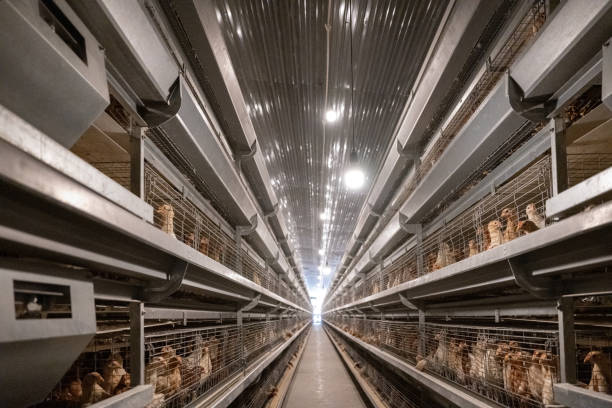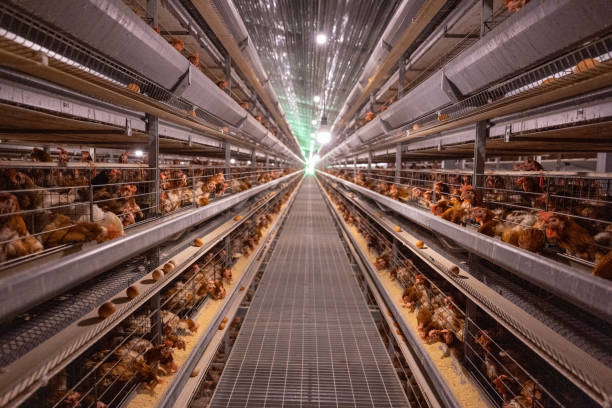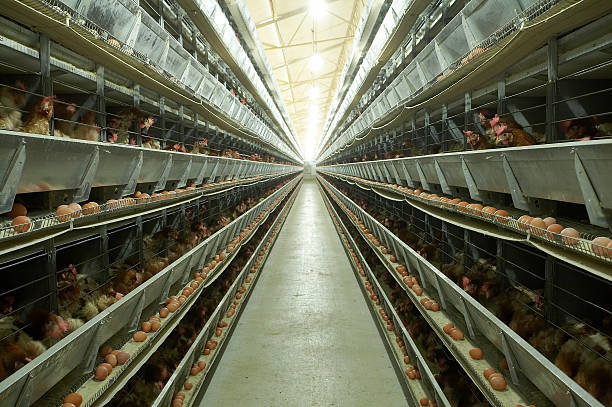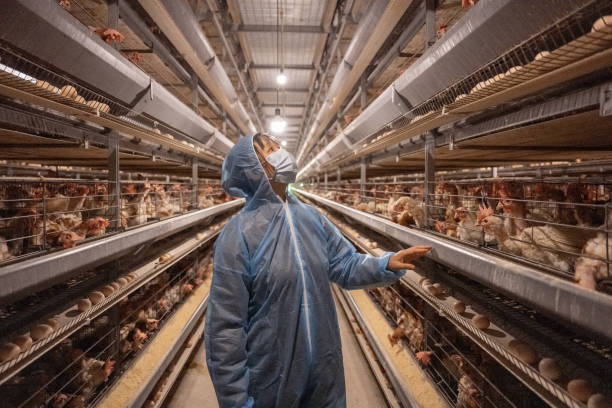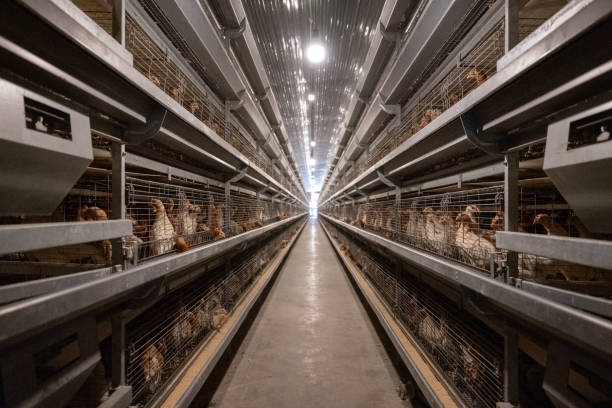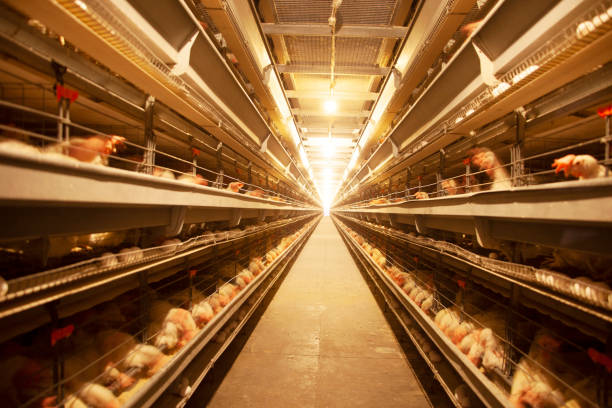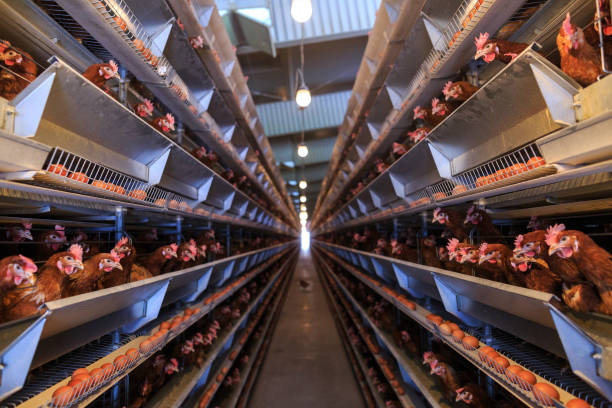

This section explores how the Layer Battery Cage Price is not merely an expense but a strategic investment that directly influences the scalability and long-term profitability of modern poultry farms in India.
- Reduced labor costs by up to 30% through automated feeding and egg collection.
- Improved feed conversion ratios, lowering feed waste.
- Higher bird density per square meter, maximizing land use.
Consider the case of a mid-sized farm in Tamil Nadu that upgraded to a 10,000-bird A-Type cage system. The initial investment was carefully calculated against projected outcomes.
| Metric | Before Upgrade | After Upgrade (6 Months) |
|---|---|---|
| Peak Lay Rate | 88% | 94% |
| Eggs Collected per Worker/Hour | 120 | 350 |
| Mortality Rate | 5% | 2.5% |
The farm’s owner reported that the disciplined approach to evaluating cage price against these performance metrics was crucial for securing financing and achieving a sub-18-month ROI.Therefore, a strategic analysis of the layer cage price is fundamental for scaling. We provide customized ROI projections and cage layouts specific to Indian states and farm sizes. Request a detailed cost-benefit analysis and layout plan to make a data-driven investment for your expansion.
Evaluating Battery Cage Specifications and Quality for a 30,000-Layer System
When planning a housing system for 30,000 layers, evaluating battery cage specifications is a critical step that directly impacts bird welfare, labor efficiency, and long-term profitability. This section will guide you through the key technical and quality factors to consider for a system of this scale.
- Wire Gauge & Strength: Heavier-gauge, galvanized steel prevents sagging and withstands constant use.
- Trough Space per Bird: A minimum of 10 cm ensures adequate feed access to minimize competition.
- Slope & Roll-Out: A precise 7-8 degree slope allows eggs to roll cleanly to the collection belt without breakage.
- Door Design: Easy-latch mechanisms that facilitate safe bird handling are essential.
Beyond basic dimensions, assessing build quality is paramount for return on investment. Focus on these elements during supplier evaluation:
- Corrosion Resistance: Insist on hot-dip galvanization, not electroplating, for a coating that lasts 15+ years in humid environments.
- Structural Integrity: Examine weld points and joint reinforcements; shaky frames lead to increased maintenance and bird stress.
- System Integration: Ensure the cage design seamlessly accommodates automated feeding systems, manure belts, and egg collection for a closed-loop operation.
Selecting the right cage system for a 30,000-bird farm balances upfront cost with lifetime durability. We provide cages engineered for high-density welfare and backed by local technical support. Contact our team for a customized layout and ROI analysis for your specific project.
Breaking Down the Layer Battery Cage Price: A Detailed Cost Analysis
Understanding the total investment for an A-Type layer battery cage system in India requires looking beyond the initial quote. This analysis breaks down the key cost components and variables that influence the final layer battery cage price, helping you budget effectively.
- Material & Coating: Hot-dip galvanized steel cages, while more expensive upfront than painted ones, offer superior longevity against humidity, directly impacting long-term value.
- Cage Density & Tier Configuration: Prices vary with the number of birds per cage and the number of tiers (usually 3-4 tiers for A-Type), affecting the per-bird equipment cost.
- Automation Level: A basic manual system costs significantly less than one integrated with automatic feeding, egg collection, and manure cleaning systems.
Additional expenses must be factored into your total project cost. These often include:
- Civil work for the poultry shed structure and flooring.
- Installation and commissioning charges by the supplier.
- Costs for ancillary equipment like feeders, drinkers, and ventilation systems.
- Transportation and logistics, which can vary greatly depending on your farm’s location in India.
For a clearer picture, here is a simplified cost comparison per bird for common A-Type setups:
| Configuration | Estimated Price Range (per bird, INR) | Key Inclusions |
|---|---|---|
| Basic 3-Tier Manual | 180 – 250 | Cage structure, manual feeders/drinkers |
| 4-Tier Semi-Automated | 260 – 350 | Cage, nipple drinkers, chain feeding system |
To make an informed decision, request a detailed quote that separates equipment costs from installation and ancillary charges. Compare local vs imported cage ROI for your specific planned flock size to see the long-term financial impact.
Maximizing ROI Through Efficient Farm Operations and Flock Management
For poultry farmers in India, maximizing return on investment hinges on the seamless integration of advanced equipment with precise flock management. This section explores how strategic operational upgrades, particularly in housing, directly translate to improved productivity and profitability.
- Enhanced Bird Management: Allows for easy monitoring of individual bird health and consistent egg collection.
- Superior Hygiene: Droppings fall through the cage floor, significantly reducing disease incidence and improving overall flock health.
- Labor Efficiency: Centralized feeding and watering systems cut daily labor requirements by up to 30%, lowering operational costs.
Effective flock management within this system is what unlocks its full financial potential. Key practices include:
- Precise Nutrition: Implementing phase-feeding programs tailored to the bird’s age within the Layer Battery Cage ensures optimal egg production and shell quality.
- Structured Lighting: Automated 16-hour light cycles within the poultry house stimulate consistent laying rates throughout the year.
- Data-Driven Decisions: Regularly tracking metrics like feed conversion ratio (FCR) and hen-housed egg production allows for timely interventions.
By adopting a modern A-Type layer battery cage and integrating these management protocols, farmers can achieve a faster payback period. The combined effect of higher egg yield, lower mortality, and reduced labor creates a sustainable model for growth. We specialize in robust, galvanized cage systems backed by local technical support and customized layout planning. Contact our team for a detailed ROI projection based on your farm’s specific scale and location.
Making the Right Investment: Next Steps for Your 30,000-Layer Farm in India
Making the Right Investment: Next Steps for Your 30,000-Layer Farm in India
Scaling your operation to house 30,000 layers requires strategic planning around equipment selection, layout, and long-term management. This section outlines the critical steps to ensure your investment in an A-Type layer cage system delivers optimal returns in the Indian market.
The first step is a detailed site and financial assessment.
- Calculate the precise shed dimensions needed for an A-Type system for 30,000 layers, accounting for aisles and service areas.
- Model the ROI, factoring in local electricity costs for automated feeding and egg collection systems, which are crucial for managing a flock of this size efficiently.
- Corrosion-resistant, hot-dip galvanized steel to withstand high humidity.
- Robust manure removal systems to maintain hygiene and bird health.
- Integrated nipple drinkers to conserve water and reduce disease risk.
For a 30,000-layer farm, successful implementation hinges on expert support. We provide customized layout designs and local installation teams to ensure a smooth setup. Our cages are engineered for maximum durability and bird performance, giving you a reliable foundation for your expanding business.
To move forward with confidence, request a free, customized layout and ROI projection for your 30,000-layer farm plan today.