
Cameroon is often called “Africa in miniature” because of its diversity, and that diversity extends to its poultry sector. The country has a growing urban population with increasing purchasing power, and poultry products are a preferred protein source. The government has also shown interest in supporting agricultural development, with programs aimed at reducing imports and boosting local production.
A 50,000-bird operation puts you at the forefront of this opportunity. You’re large enough to achieve serious economies of scale—your per-bird costs for feed, labor, and equipment drop significantly compared to smaller farms. You can supply consistent volumes that attract institutional buyers. And you’re big enough to justify full automation, which transforms the economics of poultry farming by slashing labor costs and improving efficiency.
The market in Cameroon has room for players at this scale. Processors need reliable supply, supermarkets want consistent quality, and the hotel and restaurant sector in cities like Douala and Yaoundé is always looking for dependable sources. If you can deliver quality consistently, you’ll find buyers.
Understanding Your Options: Types of Poultry Cages for 50,000 Birds
When you’re housing 50,000 birds, the type of cage system you choose affects everything from your building design to your daily operations and profitability. Here are your main options.
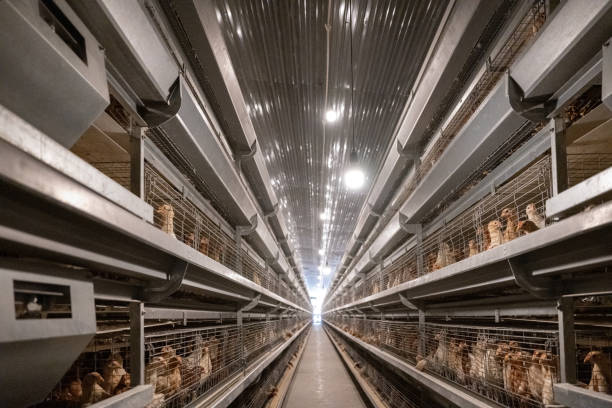
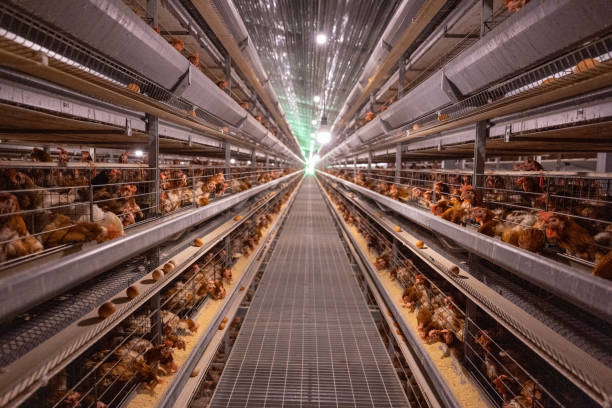
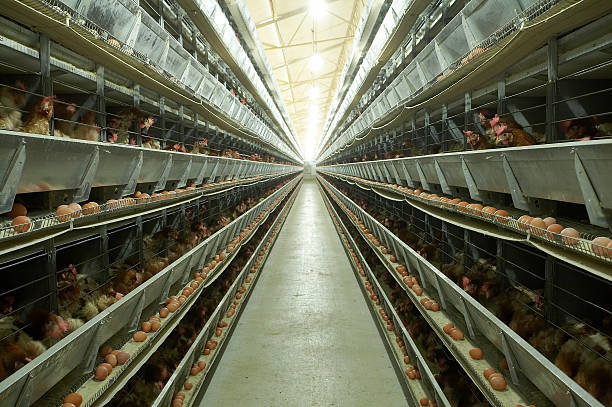
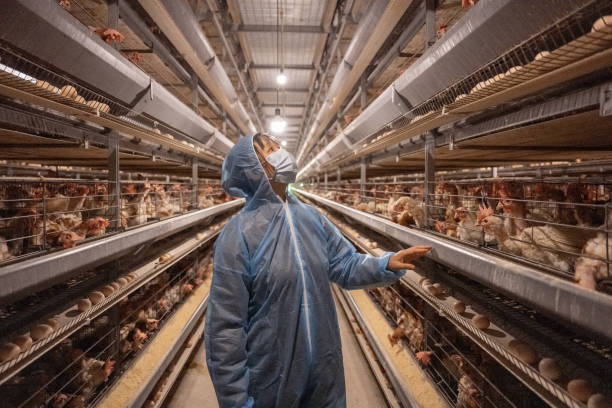
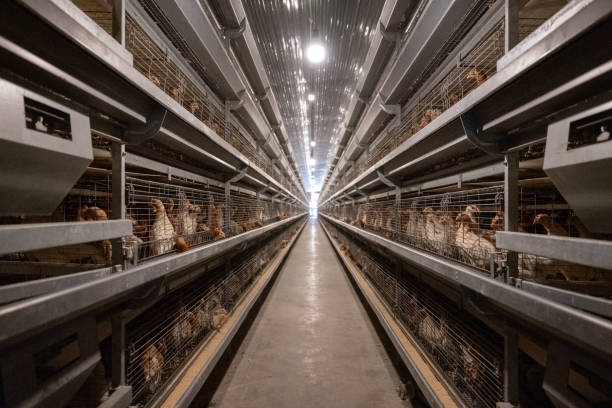
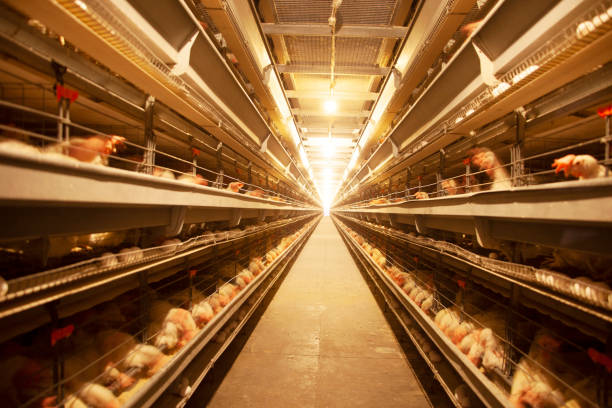
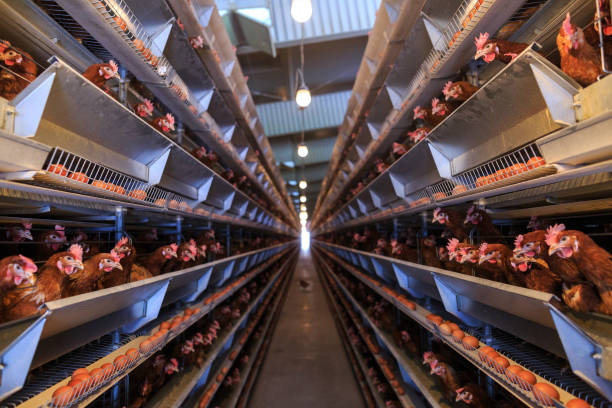
H-Type Layer Cages are the modern standard for large-scale egg production. These are stacked vertically in 3, 4, or even 5 tiers, supported by a sturdy H-shaped frame. The beauty of H-type cages is density—you can pack far more birds into the same floor space compared to older systems. For a 50,000-bird layer farm in Cameroon, H-type cages are usually the best choice. They maximize your investment in land and buildings, and they integrate seamlessly with full automation for feeding, watering, egg collection, and manure removal .
A-Type Layer Cages are arranged in an A-frame shape, typically with 3 to 4 tiers. They’re a proven technology and may be a better fit if you’re working with an existing building that has lower ceilings. A-type cages are generally less expensive than H-type, but they also house fewer birds per square meter. For 50,000 birds, you’d need more building space with A-type cages, which could offset the initial savings .
Broiler Cages are designed differently from layer cages. Meat birds need stronger floors to support their heavier weight, and the cages are configured to give them adequate space to move and grow. For a 50,000-bird broiler operation, you’ll typically use multi-tier cages similar to H-type but with different floor specifications. The stocking density for broilers is different from layers, so your house design and cage layout will need to account for the target market weight of your birds .
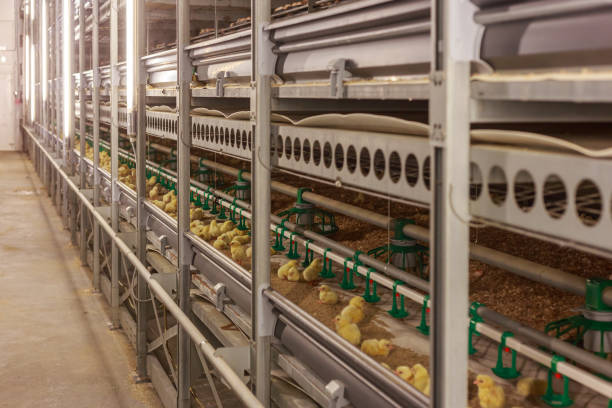
Brooder Cages are essential if you’re raising your own pullets for a layer farm or starting chicks for broiler production. These provide a warm, protected environment for young birds, with integrated heating and feeding systems. For 50,000 birds, you’ll need dedicated brooding facilities unless you’re buying point-of-lay pullets or day-old chicks ready for grow-out .
Key Features to Look for in Poultry Cages for Cameroon
Cameroon’s climate varies significantly—from the humid coastal region around Douala to the cooler highlands around Bamenda and the drier northern regions. Your cages need to perform in your specific conditions. Here’s what matters most.
Material quality is absolutely critical. Look for cages made from hot-dip galvanized steel wire. This isn’t just painted metal—the galvanization process coats the steel with a thick layer of zinc that protects against rust and corrosion. In Cameroon’s humid coastal areas, this is essential. Cheap cages with poor galvanization will start rusting within a year or two, compromising bird health and requiring expensive replacement . Quality cages should last 10 to 15 years or more with proper maintenance.
Wire gauge matters for durability. Thicker wire (lower gauge numbers) provides greater strength and resists sagging under the weight of mature birds. For layers, 14 to 16 gauge wire is typical. For broilers, you may need heavier gauge to support the additional weight.
Mesh size needs to be appropriate for your birds. The mesh floor should allow droppings to fall through easily while preventing birds’ feet from getting caught. For layers, common mesh sizes work well. For chicks, you may need smaller mesh or special brooder cages.
Door design affects your daily operations. Doors should slide or swing smoothly for easy access when you need to check birds, remove mortalities, or catch birds for sale. Poorly designed doors that stick or break are a constant frustration.
Tier height should provide adequate space for birds to stand comfortably. For layers, you need enough height for birds to perch and move without crowding. For broilers, especially as they near market weight, adequate headroom prevents stress and injury.
Corrosion resistance extends beyond the cages themselves. Look for galvanized hardware—bolts, clips, supports—not just painted components that will rust quickly in Cameroon’s humid conditions.
Automation: Making 50,000 Birds Manageable
Here’s the honest truth: you cannot effectively manage 50,000 birds with manual systems. It’s not just about labor costs—though those are significant. It’s about consistency. Humans get tired, make mistakes, and can’t be everywhere at once. Machines don’t.
Automatic feeding systems are non-negotiable at this scale. These systems use a hopper that travels along feed troughs, or an auger that pushes feed through tubes with drop points at each cage. They run on timers, delivering precise rations to every bird simultaneously. This eliminates waste, ensures uniform nutrition, and frees your workers for more important tasks . For 50,000 birds, manual feeding would require multiple workers spending hours every single day—automation pays for itself within a couple of years.
Automatic egg collection transforms layer farm operations. Eggs roll gently onto conveyor belts and travel directly to the packing room, never touched by human hands until they’re ready for grading and packing. Breakage rates often drop below 0.5%, compared to 2-3% with manual collection. Eggs stay cleaner, which means better prices at market. And your workers are freed from the most tedious, back-breaking job on the farm .
Nipple drinking systems deliver clean water on demand without spillage that can wet litter and cause ammonia problems. Quality systems include pressure regulators to ensure proper flow and filters to keep the system clean. For 50,000 birds, you need reliable water delivery—any interruption stresses birds and costs production .
Manure removal belts under each cage tier automatically carry waste out of the house several times daily. This dramatically reduces ammonia levels, improves air quality, and keeps birds healthier. The relatively dry manure can be sold as organic fertilizer—an extra income stream that many farmers are now tapping into .
Ventilation control is essential in Cameroon’s climate. Automated fans, evaporative cooling pads, and controllers that adjust airflow based on temperature and humidity keep your birds comfortable year-round. Heat stress kills egg production and bird growth—good ventilation prevents it .
Designing Your Poultry House for 50,000 Birds
Your cage system is only as good as the house it’s in. For 50,000 birds, you need properly designed facilities that support bird health and efficient operations.
House dimensions depend on your cage choice. For H-type cages housing 50,000 layers, you might use two or three houses rather than one massive structure. This allows for better management and biosecurity. A typical house for 20,000 to 25,000 layers in H-type cages might be 80 to 100 meters long and 12 to 15 meters wide . Work with your equipment supplier to design a layout that fits your land and optimizes workflow.
Height is critical for multi-tier systems. You need at least 3.5 to 4 meters at the eaves to accommodate 4-tier H-type cages and allow adequate airflow above the top tier . Skimping on height leads to poor ventilation and stressed birds.
Floor should be concrete for biosecurity and ease of cleaning. Slope it slightly for drainage and incorporate your manure handling system. A well-designed floor makes cleaning between flocks much easier.
Walls in Cameroon often use open-sided designs with curtains or screens that can be raised or lowered to control ventilation. This reduces construction costs and works well in moderate climates. The lower portion should be solid to prevent predators.
Roof insulation helps manage temperature. In hot areas, consider reflective materials or double roofing. Overhangs keep rain out when curtains are open and provide shade.
Ventilation must be calculated based on your bird numbers and local climate. Work with an experienced designer to ensure adequate airflow—too little and birds suffer, too much and you waste energy .
What 50,000-Bird Poultry Cages Cost in Cameroon
Let’s talk numbers, because this is what every serious farmer needs to know. Costs vary based on cage type, automation level, and quality, but here’s a realistic picture.
For a complete automated H-type layer cage system for 50,000 birds, including cages, automatic feeding, nipple drinking, automatic egg collection, manure belts, and basic ventilation controls, you’re typically looking at $250,000 to $450,000 or more depending on specifications and quality . This range reflects the difference between good equipment and premium equipment with all the features.
For broiler cages, costs are similar or slightly different based on cage design. The key is getting equipment that’s built to last—cheap cages may cost less upfront but will cost you more in the long run through higher mortality, lower production, and early replacement.
Shipping to Cameroon typically involves sea freight to Douala port, which is one of the busiest in Central Africa. Shipping from China takes about 30 to 45 days. Factor in customs clearance, which your supplier should help you navigate. Livi Machinery provides all export documentation to facilitate smooth clearance .
Installation costs depend on whether you do it yourself with your team or hire professional installers. Many farmers complete assembly with a small crew using detailed manuals and video guidance . For a project this size, professional supervision may be worth the investment to ensure everything is set up correctly.
Building construction is a separate cost. Poultry houses for 50,000 birds can cost anywhere from CFA 200 million to CFA 500 million or more depending on materials and specifications . This varies widely based on location and construction quality.
Remember that the cheapest option upfront is rarely the cheapest over the life of your farm. Quality equipment that lasts 15 years and keeps your birds healthy is a much better investment than something that needs replacement in 5.
Finding Reliable Suppliers in Cameroon
Cameroon has a growing network of poultry equipment suppliers, but quality varies. Here’s what to look for and who to consider.
Livi Machinery has experience supplying equipment to Central African markets and understands the conditions in Cameroon. We offer customized solutions tailored to local conditions, with cages made from high-quality, corrosion-resistant materials designed for long service life. Our team provides full support from design through installation and beyond .
Local suppliers in cities like Douala and Yaoundé offer various products. Visit their facilities if possible, ask for references, and talk to existing customers. A reputable supplier will be happy to connect you with farmers using their equipment.
Regional suppliers from Nigeria or other neighboring countries may also serve the Cameroonian market. Be sure to verify their reputation and support capabilities.
Red flags to watch for: Suppliers who can’t provide references, who pressure you to decide quickly, who offer prices significantly below market, or who can’t explain the technical details of their equipment. If it sounds too good to be true, it probably is.
Making Your 50,000-Bird Farm a Success
Building the farm is just the beginning. Running it successfully requires ongoing attention to several key areas.
Biosecurity is your first line of defense. Establish protocols for visitors, vehicle entry, and staff movement. Clean and disinfect between flocks. Control rodents and wild birds. In Cameroon, where diseases like Newcastle disease are present, good biosecurity can save your farm .
Nutrition drives performance. Work with reputable feed suppliers or formulate your own rations. Monitor feed intake and adjust as needed. Quality feed is expensive, but poor feed costs more in lost production .
Health management requires a good relationship with a poultry veterinarian. Implement vaccination programs appropriate for your area. Train your staff to recognize signs of illness early. Quick response to health issues minimizes losses .
Record keeping helps you spot trends and make informed decisions. Track production, feed consumption, mortality, and costs. Good records show you what’s working and what needs adjustment .
Staff management is critical with 50,000 birds. You’ll need a team of skilled workers—typically 8 to 12 people plus management, depending on your automation level . Train them well, pay fairly, and create a positive work environment. Good staff are hard to find and keep.
Marketing should start before your first eggs or birds are ready. Develop relationships with buyers—wholesalers, retailers, hotels, institutions. Consistent quality and reliable supply will keep them coming back .
Common Challenges and How to Handle Them
Even the best-planned farms face challenges. Being prepared helps you respond effectively.
Disease outbreaks can happen despite best efforts. Have an emergency plan, maintain good vet relationships, and consider insurance if available. Quick response minimizes losses, and strong biosecurity prevents spread .
Feed price volatility affects every farmer. Build storage for at least a month’s supply so you can buy when prices are favorable. Some farmers grow some ingredients to reduce dependence on purchased feed .
Power outages are a reality in many parts of Cameroon. A good generator with automatic transfer switch is essential. Solar systems are becoming more affordable and can offset costs while providing backup .
Market fluctuations in egg and meat prices are normal. Budget for lower prices during glut periods and build reserves during good times. Diversifying your customer base helps stabilize demand .
Staff turnover disrupts operations. Pay competitively, invest in training, and cross-train multiple people so you’re not dependent on any single individual. Good working conditions retain good workers .
Your Path to 50,000 Birds in Cameroon
Building a 50,000-bird poultry farm in Cameroon is a major undertaking, but the rewards can be substantial. The market is growing, the technology is proven, and successful farmers are earning good returns. The key is doing it right—planning carefully, investing in quality equipment, and managing diligently.
At Livi Machinery, we’ve helped farmers across Africa build successful poultry operations. We understand local conditions, the challenges, and the opportunities. Whether you’re just starting to plan or ready to order equipment, we’re here to help.
Ready to build your 50,000-bird poultry farm in Cameroon? Contact Livi Machinery today for a free consultation and custom farm design. Tell us about your land, your goals, and your budget, and we’ll help you create a poultry operation that delivers profits for years to come.
Frequently Asked Questions
Q1: How much land do I need for 50,000 birds in Cameroon?
You’ll need approximately 4 to 6 acres total, depending on your house design and layout. This includes space for poultry houses, feed storage, egg packing (for layers), staff facilities, vehicle access, and potential expansion .
Q2: How much does a complete cage system for 50,000 birds cost?
A complete automated H-type layer cage system typically ranges from $250,000 to $450,000 or more, depending on quality and features. Broiler systems are in a similar range. This includes cages, feeding, watering, egg collection (for layers), manure removal, and basic ventilation controls .
Q3: What’s the total investment for a 50,000-bird farm in Cameroon?
Total investment, including land, building construction, equipment, initial bird stock, and operating capital, typically ranges from CFA 500 million to CFA 1 billion or more, depending on location and specifications .
Q4: How long do poultry cages last in Cameroonian conditions?
High-quality hot-dip galvanized steel cages typically last 10 to 15 years or more with proper maintenance. Durability depends on the quality of galvanization and how well you maintain the equipment .
Q5: Should I choose H-type or A-type cages for 50,000 birds?
For 50,000 birds, H-type cages are usually the better choice because they maximize density and integrate seamlessly with full automation. A-type cages may work if you have existing buildings with lower ceilings, but you’ll need more floor space .
Q6: How many workers do I need for a 50,000-bird automated farm?
With full automation, you typically need 8 to 12 workers plus management, depending on your exact setup and whether you’re producing eggs or meat. This is dramatically fewer than manual systems .
Q7: Do I need automatic egg collection for 50,000 layers?
Absolutely. Manual collection for 50,000 layers would require an army of workers and result in high breakage rates. Automatic egg collection pays for itself quickly through labor savings and reduced breakage .
Q8: How do I handle power outages in Cameroon?
Install a generator sized to run your critical systems—ventilation, feeding, water, and lighting—with automatic transfer switch. Solar systems can supplement and provide backup for some loads .
Q9: What ventilation system works best in Cameroon’s climate?
Most large farms use tunnel ventilation with fans and evaporative cooling pads, combined with automated controls. This provides consistent airflow and temperature management year-round .
Q10: Can I get financing for a 50,000-bird farm in Cameroon?
Several options exist, including commercial bank loans, agricultural development finance institutions, and sometimes supplier credit. A detailed business plan with realistic projections is essential for lenders.