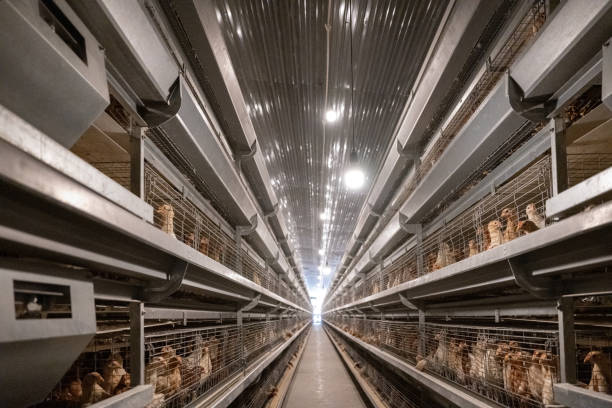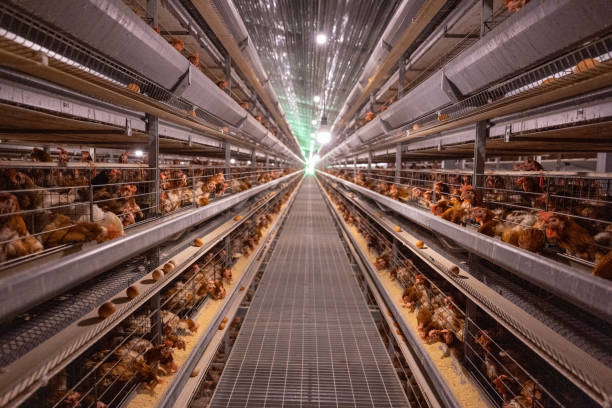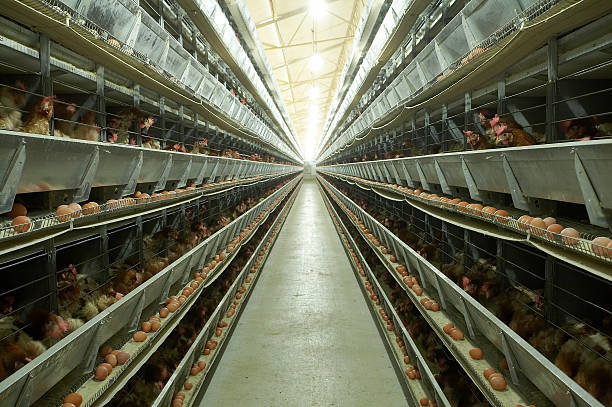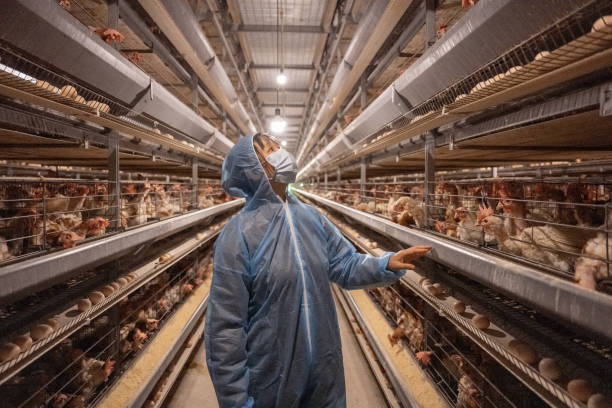

Let’s start by being honest about pricing. When you search for “best price” on automatic poultry cages, you’re going to see a huge range. Some suppliers will quote you prices that seem impossibly low. Others will be higher but offer more features. How do you know which is the real deal?
The truth is, manufacturing quality poultry cages costs money. Good steel costs money. Hot-dip galvanizing costs money. Quality welds and skilled labor cost money. When a price seems too good to be true, it usually is. That ultra-cheap cage probably uses thinner wire, lighter galvanization, and lower quality materials. It might look okay in pictures, but after a year or two in your poultry house, it will start to rust, sag, and fail.
The real “best price” isn’t the lowest number on a quote. It’s the price that gives you the lowest cost over the life of the equipment. A cage that costs a bit more but lasts 15 years is a much better deal than one that costs half as much but needs replacement in 5 years. When you do the math, quality always wins.
What Affects the Price of Automatic Poultry Cages?
Understanding what goes into the price helps you evaluate whether you’re getting good value. Here are the main factors.
Material quality is the biggest factor. Hot-dip galvanized steel costs more than painted steel or light-gauge galvanized, but it lasts many times longer. The thickness of the wire—the gauge—also affects price. Heavier wire costs more but won’t sag under the weight of your birds .
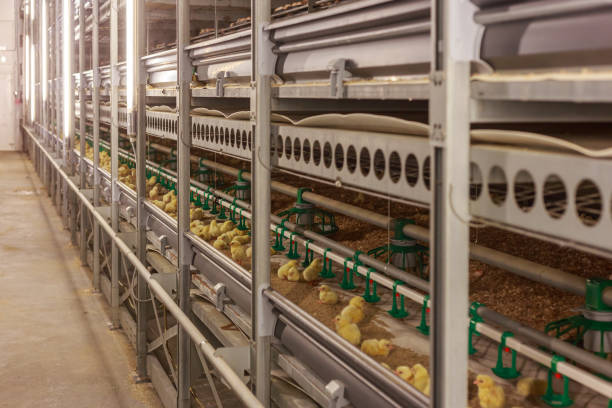
Automation level dramatically affects price. A fully automatic system with feeding, watering, egg collection, and manure removal costs more than a manual system. But it also saves enormous amounts of labor. You have to weigh the upfront cost against the ongoing savings .
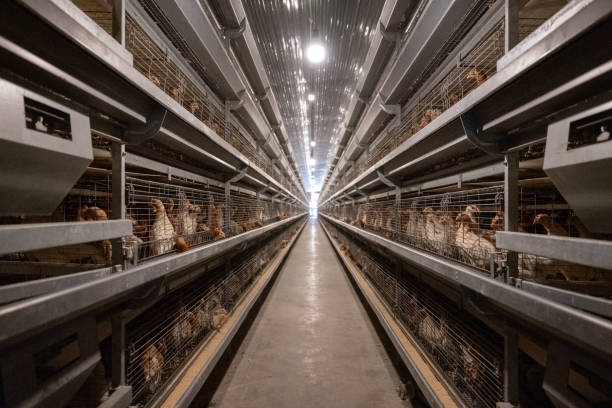
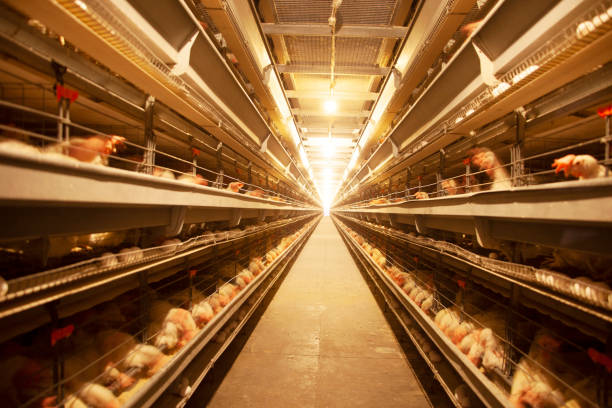
Cage type and density matter. H-type cages generally cost more per bird space than A-type cages, but they pack more birds into the same building footprint. If your land is expensive or limited, the higher density of H-type might actually give you a better overall value .
Brand and warranty affect price. Established manufacturers with proven track records charge more than unknown suppliers. But you’re paying for reliability and support. When something goes wrong—and eventually something always does—you want a supplier who will answer the phone and send parts .
Shipping and logistics add to the total cost. Shipping from China to Africa, for example, can add significantly to your landed cost. But buying locally often means paying a markup to a distributor. Sometimes direct import gives you better quality for the same or lower total cost .
What Should You Expect to Pay?
Let’s talk real numbers. These are estimates and can vary based on specifications, exchange rates, and market conditions, but they’ll give you a ballpark.
For manual A-type layer cages, you might pay $15 to $25 per bird space . This includes the cages themselves but minimal automation.
For semi-automatic systems with basic feeding and manual egg collection, expect $25 to $35 per bird space .
For fully automatic H-type layer cages with feeding, drinking, egg collection, and manure removal, prices typically range from $35 to $60 per bird space or more , depending on quality and features .
For a complete 15,000-bird layer farm with full automation, total equipment cost might be $90,000 to $150,000 . For 30,000 birds, $180,000 to $300,000 . For 50,000 birds, $250,000 to $450,000 .
For broiler cages, prices are similar but can vary based on cage design and floor specifications.
Remember that these are equipment costs only. They don’t include building construction, land, birds, feed, or operating capital.
What You Get for Your Money in a Quality System
When you pay for a quality automatic cage system, here’s what you’re really buying.
Durability that lasts. Quality cages are made from heavy-gauge wire with thick hot-dip galvanization. They resist rust and corrosion even in the humid, ammonia-rich environment of a poultry house. You should get 10 to 15 years or more from good equipment .
Precision feeding that saves feed. Automatic systems deliver exact rations to every bird, eliminating waste. The savings on feed alone can pay for the automation over time .
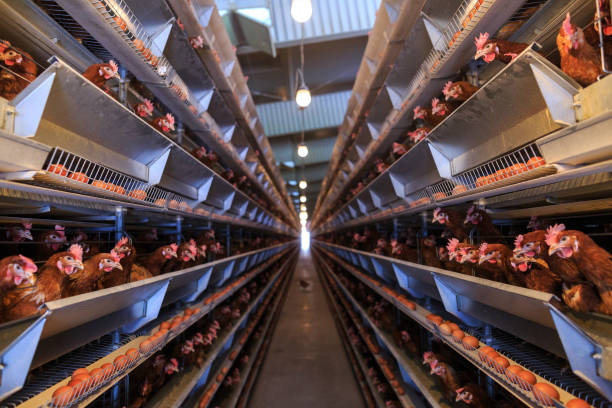
Gentle egg handling that reduces breakage. Automatic collection systems cut breakage rates to under 0.5%, compared to 2-3% with manual collection. That’s more eggs to sell every single day .
Cleaner eggs that fetch better prices. Eggs that never touch the floor or litter are simply cleaner. Buyers notice, and they pay more .
Better bird health from clean air. Manure belts remove waste daily, dramatically reducing ammonia. Healthier birds lay more eggs and live longer .
Labor savings that transform your operation. A fully automated farm can run with a fraction of the workers needed for manual systems. In countries where labor is expensive or hard to find, this is huge .
Peace of mind from knowing your system is reliable. When you buy from a reputable manufacturer, you have support when you need it. That’s worth something.
Red Flags to Watch for When Comparing Prices
When you’re getting quotes, watch out for these warning signs.
Prices way below market are suspicious. If one quote is 30% lower than everyone else, ask why. There’s usually a reason, and it’s rarely good.
Vague specifications are a problem. A good quote specifies wire gauge, galvanization thickness, motor brands, and component details. If the quote just says “high quality” without specifics, you don’t know what you’re getting.
No references or examples is a red flag. Any established supplier should have customers you can talk to. If they can’t provide references, be very careful.
Pressure to decide quickly is a sales tactic. Legitimate suppliers will give you time to compare and think. If they say “this price is only good today,” walk away.
Unclear about shipping and taxes is concerning. A good quote includes all costs—equipment, packing, shipping, insurance—so you know your total landed cost. Hidden fees later are a nasty surprise.
Poor communication before the sale often means worse communication after. If they’re hard to reach now, imagine when you need spare parts.
How to Get the Best Value, Not Just the Lowest Price
Here’s how to approach your purchase to get real value.
Get multiple quotes from different suppliers. Compare not just prices but specifications. What wire gauge? What galvanization thickness? What motors? What warranty?
Ask for references and actually call them. Ask about their experience with the equipment and the supplier. Would they buy again?
Visit installations if possible. Seeing equipment in person, preferably after a few years of use, tells you more than any brochure.
Calculate total cost of ownership , not just purchase price. Factor in expected lifespan, maintenance costs, labor savings, and production improvements. A slightly more expensive system that lasts twice as long and saves more labor is the better deal.
Consider the supplier’s reputation and support . Will they be there when you need parts or help? A slightly higher price from a reliable supplier is often worth it.
Think about your specific needs . Do you really need every bell and whistle? Sometimes mid-range equipment with the features you actually need is the sweet spot.
Why Livi Machinery Offers True Value
At 郑州Livi机械, we don’t try to be the cheapest. We try to be the best value. Here’s what that means for you.
Quality materials: We use heavy-gauge steel with thick hot-dip galvanization. Our cages are built to last 15 years or more in real farm conditions .
Proven designs: We’ve been manufacturing since 2012 and continuously improve our designs based on farmer feedback. Our systems are field-proven across Africa, Asia, and beyond .
Full automation: Our systems integrate feeding, watering, egg collection, and manure removal seamlessly. Everything works together .
Export experience: We’ve shipped to dozens of countries and know how to handle logistics, documentation, and customs. We make importing as smooth as possible .
Customer support: We provide installation guidance, manuals, videos, and ongoing technical support. When you need help, we’re here .
Factory direct pricing: By buying directly from the manufacturer, you avoid distributor markups. You get quality equipment at the best possible price .
What Our Customers Say About Value
Don’t just take our word for it. Farmers who’ve bought our equipment consistently report that the value exceeds the price.
A farmer in Kenya who installed our 15,000-bird layer system told us his breakage rate dropped from over 3% to under 0.5% with automatic collection. The savings on cracked eggs alone will pay for the collection system within two years .
A broiler farmer in Nigeria reported that our cages, combined with better ventilation, reduced his mortality by over 2% per batch. On 50,000 birds per cycle, that’s a lot of extra meat .
A layer farmer in Uganda said his labor costs dropped by more than half after installing our automatic feeding and egg collection. He’s now able to manage more birds with the same team .
Making Your Decision
Choosing the right automatic poultry cage system is one of the most important decisions you’ll make for your farm. Take your time, do your research, and choose value over the lowest price.
Remember: the best price isn’t the cheapest number on a quote. It’s the price that gives you the lowest cost over the life of your equipment, combined with the production and efficiency gains that help your farm thrive.
At Livi Machinery, we’re committed to providing that value. We’d love to talk with you about your farm and give you a quote that reflects real quality at a fair price.
Ready to get a real quote for quality automatic poultry cages? Contact Livi Machinery today. Tell us about your bird capacity and location, and we’ll provide a detailed proposal with transparent pricing and full specifications. Let’s find the best value for your farm.
Frequently Asked Questions
Q1: What’s the difference between “best price” and “best value”?
Best price is just the lowest number. Best value considers quality, durability, performance, and support over the life of the equipment. A cage that costs a bit more but lasts 15 years and saves labor is often better value than a cheap cage that needs replacement in 5 years .
Q2: How much do automatic poultry cages cost per bird?
For fully automatic systems, expect $35 to $60 per bird space or more, depending on quality and features. Manual systems are less expensive upfront but cost more in labor over time .
Q3: Why are some cages so much cheaper than others?
Cheaper cages typically use thinner wire, lighter galvanization, lower quality materials, and fewer automation features. They may look similar but won’t last as long or perform as well .
Q4: How long do quality automatic cages last?
High-quality hot-dip galvanized steel cages typically last 10 to 15 years or more with proper maintenance. Durability depends on the quality of materials and how well you maintain the equipment .
Q5: Do automatic cages really save enough labor to justify the cost?
For most farms, yes. Automatic feeding and egg collection can reduce labor needs by 50% to 70% or more. Over the life of the equipment, these savings typically exceed the additional upfront cost .
Q6: What’s included in a typical automatic cage system quote?
A complete quote should include cages, automatic feeding system, nipple drinking system with pressure regulators, automatic egg collection, manure removal belts, and basic controls. It should also specify wire gauge, galvanization thickness, and motor brands .
Q7: Should I buy directly from a manufacturer or through a local dealer?
Both have advantages. Direct from manufacturer often gives better prices and direct support. Local dealers may offer easier communication and faster parts availability. Consider your specific situation and preferences .
Q8: How do I compare quotes from different suppliers?
Look beyond the total price. Compare specifications—wire gauge, galvanization thickness, motor brands, warranty terms. Ask for references and contact them. Consider the supplier’s reputation and support capabilities .
Q9: What payment terms are typical for international orders?
Common terms include deposit with order (often 30%) and balance before shipment (70%). Letters of credit are sometimes used. Discuss terms with your supplier and understand the protections they offer .
Q10: How do I handle shipping and customs?
A good supplier will provide export documentation and help you understand the process. Work with a clearing agent in your country who handles agricultural imports. Factor shipping and customs into your total budget .