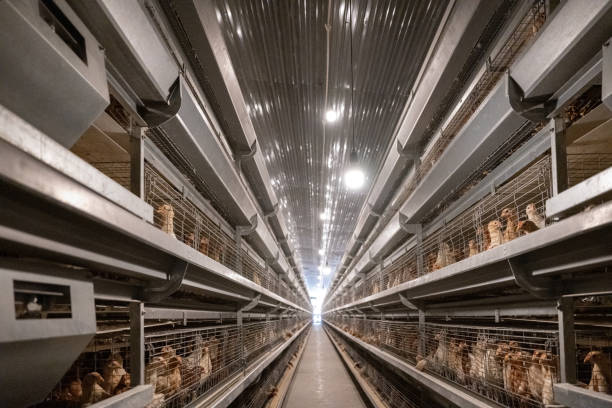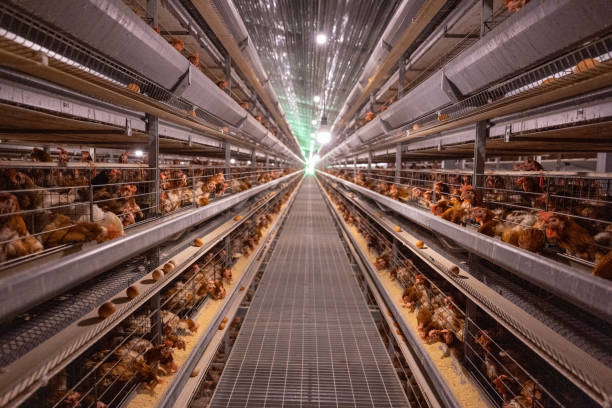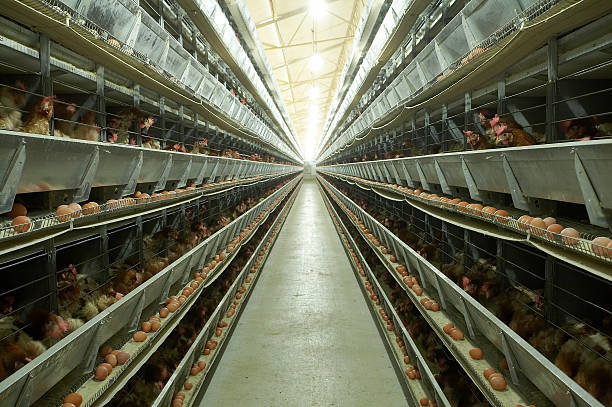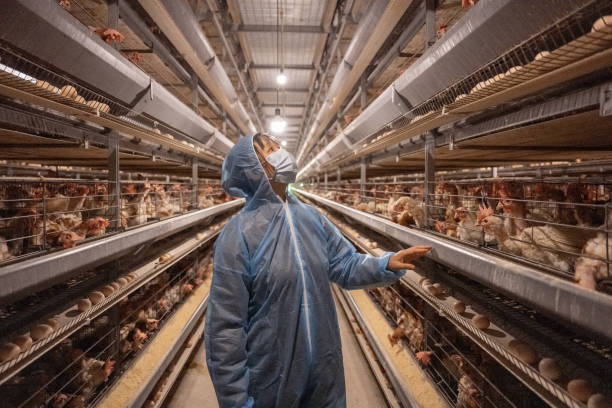

A robust Poultry Farming Business Plan is more than a document; it is the strategic foundation for navigating Cameroon’s unique agricultural landscape and securing long-term profitability. For entrepreneurs, moving beyond subsistence farming requires a clear roadmap that addresses local market realities, manages risks, and attracts necessary support.
- Fluctuating feed costs, which can constitute over 70% of operational expenses
- Access to reliable veterinary services and quality chicks
- Navigating local regulations and potential grant opportunities from programs like the Agricultural Value Chain Development Project
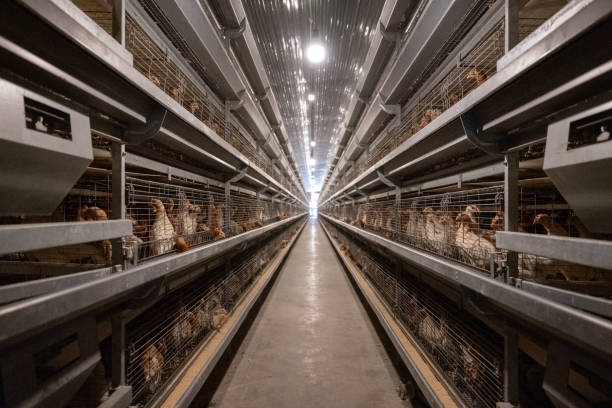
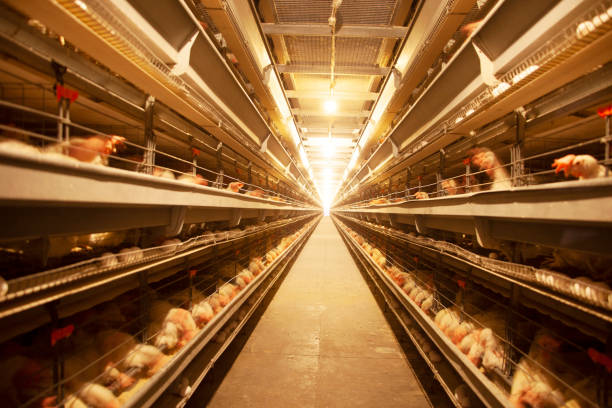
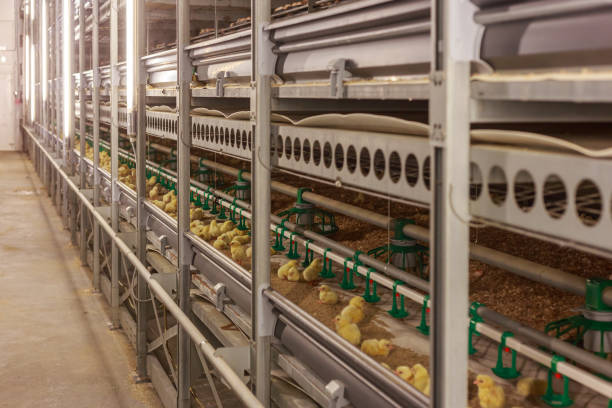
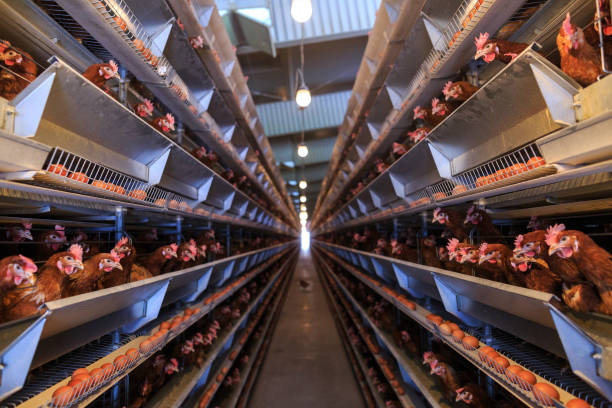
- Planning for equipment scalability, from brooders to layer cages or broiler cages
The plan’s financial projections are vital for sustainability and growth. A well-structured model should clearly outline:
- Startup Capital: Itemizing costs for housing, initial stock, and essential poultry equipment.
- Operating Budget: Monthly projections for feed, labor, utilities, and healthcare.
- Revenue Forecasts: Realistic sales estimates based on local market prices and production cycles.
- Break-even Analysis: Determining the production volume required to cover all costs, a crucial metric for lenders.
Ultimately, a disciplined business plan transforms a poultry venture from a hopeful endeavor into a bankable investment. It demonstrates professionalism to financial institutions and partners, providing a clear framework for managing daily operations while strategically planning for expansion. This structured approach is essential for any farmer aiming to build a resilient and commercially successful poultry business in Cameroon.
Building Your Financial Model: The Core of Your Poultry Farming Business Plan
A robust financial model is the analytical engine that transforms your poultry farming vision into a viable, bankable venture. This section details the essential components you must calculate to forecast profitability and secure funding for your operation in Cameroon.
- Land acquisition or lease rates in your target region
- Poultry house construction and poultry equipment like feeders, drinkers, and climate control systems
- Day-old chick purchase, vaccines, and feed—which can constitute 60-70% of ongoing costs
- Labor, utilities, and marketing expenses
Revenue forecasting is equally critical. Follow these steps to build a reliable income projection:
- Define your production capacity (e.g., 5,000 broilers per cycle or 2,000 layers).
- Research current market prices for eggs and meat in major Cameroonian cities like Douala or Yaoundé.
- Account for standard production metrics, such as a layer’s peak laying rate of 90% or a broiler’s feed conversion ratio.
- Model different scenarios to understand sensitivity to feed price fluctuations or disease outbreaks.
| Financial Metric | Example Calculation | Purpose |
|---|---|---|
| Break-Even Point | Total Fixed Costs / (Price per Unit – Variable Cost per Unit) | Determines the sales volume needed to cover all costs. |
| Return on Investment (ROI) | (Net Profit / Total Investment) x 100 | Measures the profitability of your initial capital outlay. |
| Payback Period | Total Investment / Annual Net Cash Flow | Estimates how long it will take to recoup your initial investment. |
Integrating these detailed calculations creates a compelling and credible poultry farming business plan for investors or loan officers. A well-structured model not only secures funding but also serves as an indispensable management tool for monitoring the financial health of your farm, allowing for proactive adjustments to ensure long-term sustainability.
Selecting the Right Equipment for Operational Efficiency in Your Poultry Farming Business Plan
A well-structured Poultry Farming Business Plan must dedicate significant attention to equipment selection, as this directly impacts daily workflow, bird welfare, and long-term profitability. This section outlines how to choose systems that enhance operational efficiency, reduce labor costs, and maximize output within the Cameroonian context.
- Automation Level: Semi-automatic feeding and egg collection systems can reduce labor needs by up to 40%.
- Energy Resilience: Prioritize equipment with manual overrides or compatible with solar-powered backup systems.
- Durability: Opt for hot-dip galvanized steel cages and drinkers to withstand humid conditions, extending service life beyond 10 years.
Integrating the right equipment into your Poultry Farming Business Plan follows a logical sequence:
- Assess Scale: Define your initial stock (e.g., 5,000 layers) and 5-year expansion target.
- Calculate ROI: Compare the higher upfront cost of automated systems against long-term labor savings.
- Plan for Logistics: Ensure chosen equipment can be sourced, transported, and installed in your specific region, accounting for local infrastructure.
| Equipment Type | Key Efficiency Feature | Impact on Operational Plan |
|---|---|---|
| Battery Brooders | Consistent heat with lower fuel dependency | Reduces chick mortality risk during power outages |
| Nipple Drinkers | Automated, closed water system | Cuts water waste by ~70% and improves flock health |
| Manure Belt Systems | Regular, automated waste removal | Lowers labor costs and enhances biosecurity |
Ultimately, strategic equipment investment streamlines your entire operation. We provide tailored equipment packages with local technical support and financing guidance to align with your specific business model. Contact us for a customized efficiency audit and ROI projection for your farm.

Developing Market and Operational Strategies Tailored to Cameroon’s Challenges
This section explores how to build resilient and profitable poultry operations in Cameroon by aligning market strategies with practical farm management, directly addressing the nation’s unique infrastructural and economic hurdles.
- Conducting local demand analysis for broilers and eggs in major cities like Douala and Yaoundé.
- Securing reliable feed supply chains to mitigate the 15-20% cost volatility.
- Integrating contingency plans for frequent power outages, which can cost a 5,000-bird farm up to $1,200 monthly in generator fuel.
Operational strategies should then focus on maximizing efficiency with available resources. For instance, a farm in Bafoussam with 3,000 layers implemented a phased approach:
- Started with a 1,000-bird deep litter system to establish cash flow.
- Reinvested profits into a 2,000-bird battery cage system within 18 months.
- Achieved a 40% reduction in labor costs and a 15% increase in egg production after the upgrade.
Ultimately, success hinges on a flexible poultry farming business plan that turns constraints into structured opportunities. We specialize in designing cost-effective equipment solutions backed by local technical support to navigate these challenges. Contact us for a customized ROI projection based on your target scale in Cameroon.
Executing Your Plan for Sustainable Profitability in Cameroon
This section outlines the actionable steps to implement your strategy, turning a documented vision into a profitable and resilient operation in Cameroon’s market.
A robust Poultry Farming Business Plan is your operational blueprint. To execute it effectively, focus on these core phases:
- Procure & Install: Source durable, climate-appropriate equipment like brooder heaters and ventilation systems based on your planned flock size.
- Manage & Optimize: Implement the feeding schedules, biosecurity protocols, and production targets detailed in your plan.
- Monitor & Adapt: Regularly track key metrics against your projections to manage costs and maximize yield.
For instance, a farm in Bafoussam following its Poultry Farming Business Plan saw a 20% reduction in feed waste within six months by adhering to its prescribed equipment and management protocols.
Executing your plan systematically transforms investment into sustainable profit. We offer tailored equipment solutions and local technical support to ensure your plan’s success. Contact our Cameroon team for a customized project implementation review.