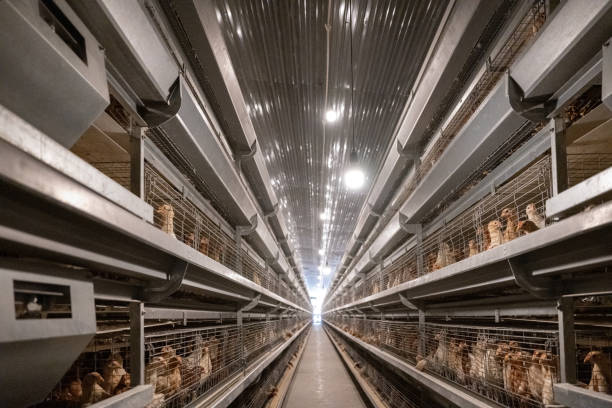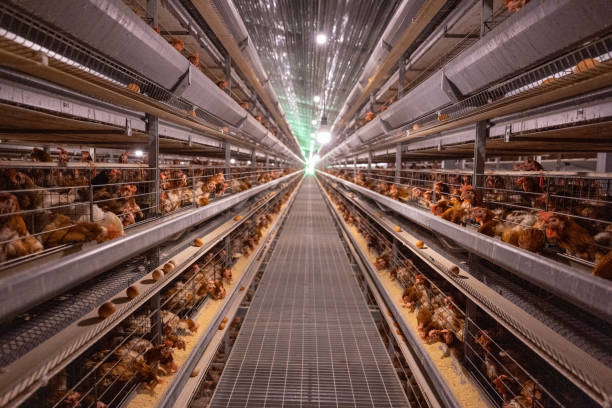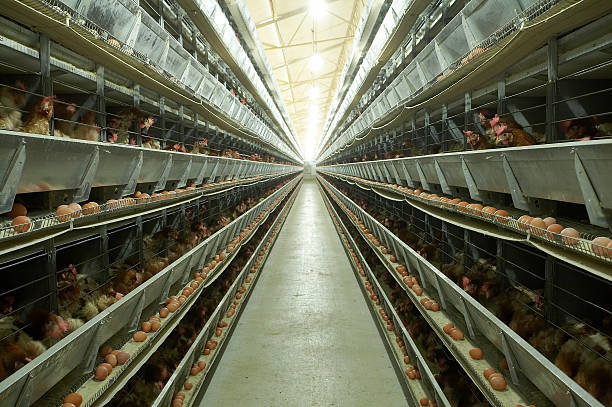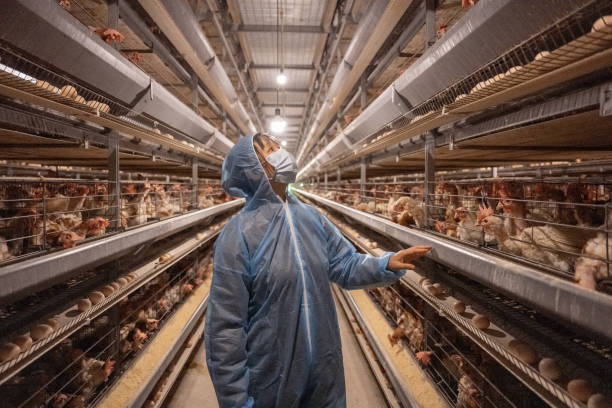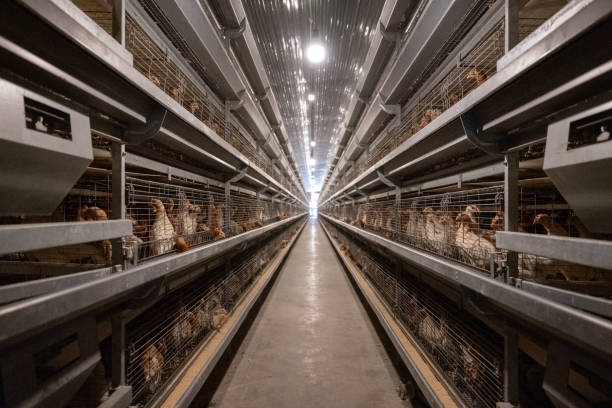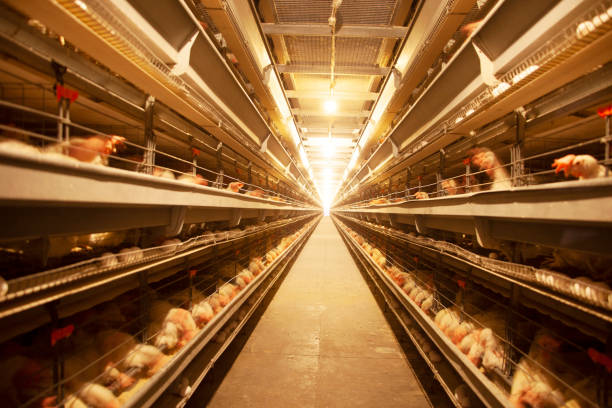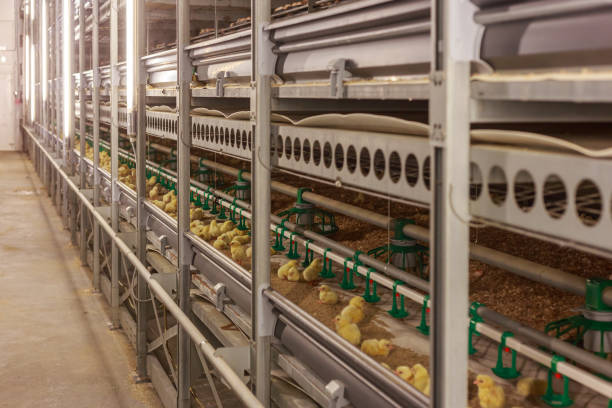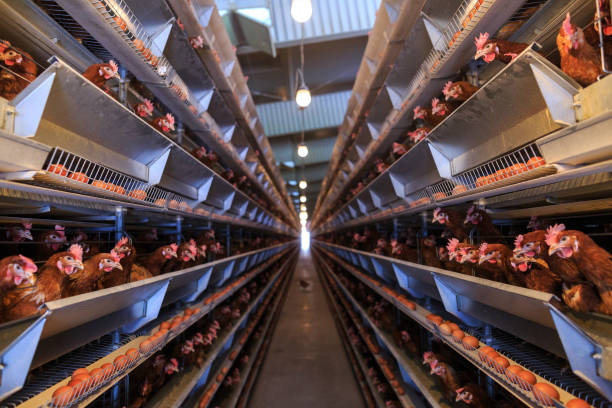

For Indian poultry farmers, achieving optimal productivity and animal welfare hinges on selecting housing that aligns with local operational scales and environmental challenges. The choice of an H Type Layer Chicken Cage system is particularly pivotal, as it directly influences bird health, egg quality, and long-term farm profitability in a competitive market.
- Enhanced air circulation to reduce heat stress
- Automated manure removal systems for better hygiene
- Streamlined feeding and egg collection processes
Implementing the right system requires careful planning tailored to your farm’s specific context. For a successful setup, consider these steps:
- Assess your available space and target flock size to determine the required capacity range.
- Prioritize features like robust cooling mechanisms and durable, corrosion-resistant materials suited to local conditions.
- Plan for integrated automation in feeding and watering to optimize labor efficiency.
Ultimately, a well-planned H Type Layer Chicken Cage installation is a strategic investment that boosts output and safeguards your birds. We provide customized layouts with local climate adaptations and on-site technical support. Contact us for a detailed capacity plan and ROI analysis for your poultry farm.
Evaluating H Type Layer Chicken Cage Specifications for a 30,000-Bird Capacity
When planning a large-scale commercial layer operation for 30,000 birds, selecting the right H Type Layer Chicken Cage is a critical decision that impacts long-term productivity and return on investment. This evaluation focuses on the core specifications and layout considerations essential for achieving optimal flock management at this capacity.
- Tier Configuration: Typically, 3-5 tier systems are used to maximize vertical space without compromising animal welfare or manure management.
- Bay Dimensions: Each bay often houses 90-120 birds, requiring approximately 250-300 total cages to reach the 30,000 capacity.
- Structural Integrity: The frame must support significant weight; steel with a minimum tensile strength and precise welding specifications is non-negotiable.
Beyond individual cage specs, the overall house layout and supporting systems define operational efficiency. A well-designed plan ensures smooth workflow and bird health.
- Space Planning: Allocate precise aisle widths (often 0.9-1.2 meters) for equipment access and ensure proper ventilation channels between rows.
- System Integration: The cage layout must seamlessly integrate with automated feeding, drinking, egg collection, and manure belt systems.
- Regional Adaptation: For operations in India, specifications should account for local climate challenges, prioritizing enhanced ventilation designs and corrosion-resistant materials to handle high humidity and temperature fluctuations.
Evaluating these specifications holistically ensures your 30,000-bird facility is built on a foundation of efficiency and durability. We provide customized layout engineering and source robust, galvanized systems suited for high-capacity farms. Contact us for a detailed 30,000-bird project proposal and feasibility analysis.
Designing an Efficient Farm Layout with Your H Type Layer Chicken Cage
Designing an efficient farm layout is a critical step in maximizing the productivity and welfare of your flock. This section explores how to strategically plan your poultry house around the central component: the H Type Layer Chicken Cage. A well-designed layout optimizes space, streamlines daily operations, and directly impacts your bottom line.
- Allow a minimum of 1-meter wide service aisles between cage rows for easy access to feeding, egg collection, and bird inspection.
- Plan for centralized manure removal systems beneath the cages, ensuring proper ventilation to manage moisture and ammonia levels.
- Position critical infrastructure—like feed silos, water lines, and electrical panels—for shortest possible runs to the cage rows, reducing energy loss and maintenance complexity.
A logical workflow is essential for farm staff efficiency and bird health management. A sequential layout following the daily operational cycle is recommended:
- Start with feed storage and mixing at one end of the house, leading directly into the automated feeding system for the H Type cages.
- Design the central walkways to facilitate smooth movement for egg collection carts moving from the cages to the packing area.
- Ensure the layout allows for easy removal of spent hens and the introduction of new pullets with minimal disruption to other sections.
Ultimately, a layout built around the H Type system creates a streamlined production environment. This careful planning reduces labor costs, improves disease control through better biosecurity zoning, and enhances overall flock performance. For a customized layout plan that fits your specific barn dimensions and flock size, you can [Request a 20,000-layer cage layout (PDF)].
Implementing Flock Health and Management Strategies in an H Type System
Implementing effective flock health and management strategies is essential for maximizing productivity in modern poultry farming. An H Type Layer Chicken Cage system provides a structured environment that facilitates these critical practices, allowing for precise monitoring and intervention to ensure bird welfare and optimal egg production.
- Enhanced Monitoring: The open layout allows for clear visual inspection of every bird, enabling early detection of illness or stress.
- Controlled Environment: Manure removal belts and ventilation systems help maintain air quality and reduce ammonia levels, a common respiratory challenge.
- Targeted Care: Birds are easily accessible for vaccination, treatment, or culling without disturbing the entire flock, minimizing stress.
To leverage this infrastructure, farmers should adopt a structured management routine. A consistent daily and weekly schedule is crucial for maintaining flock health within this system.
- Daily: Conduct visual checks for bird activity, feed/water consumption, and egg collection consistency. Monitor automated systems for manure belts and feeders.
- Weekly: Perform detailed inspections for signs of parasites, check equipment integrity, and analyze mortality records to identify trends.
- Periodically: Execute biosecurity measures, review vaccination schedules, and assess body condition scores of sample birds.
Adopting these targeted strategies within an H-type system transforms flock management from reactive to proactive. We provide robust, galvanized cages engineered for the Indian climate, backed by local technical support for optimal setup. Contact us for a customized management plan and cage layout for your specific capacity needs.
Calculating ROI and Ensuring Long-Term Profitability for Your 30,000-Bird Operation
This section explores the financial analysis and strategic planning necessary to secure a strong return on investment and sustainable growth for a 30,000-bird poultry farm in India. We will break down key cost factors and operational efficiencies that impact your bottom line.
- Initial equipment purchase and installation
- Day-old chick procurement and feed costs for the first cycle
- Utilities, labor, and ongoing maintenance
Maximizing long-term profitability hinges on operational efficiency and bird welfare, which directly influence egg production rates and mortality. A well-designed cage system contributes significantly. Core benefits for a 30,000-bird operation include:
- Optimized space utilization to reduce stress and feather pecking.
- Automated manure removal and egg collection to cut labor costs by up to 30%.
- Improved feed conversion ratios and easier disease management.
- Project revenue based on local egg prices and a target lay rate (e.g., 90%).
- Calculate payback period by dividing total investment by annual net profit.
- Plan for equipment depreciation and future maintenance reserves.
By focusing on durable equipment and efficient management, you build a resilient operation. We provide robust A-Type cages with local technical support to minimize your operational risks. Contact our team for a customized ROI projection and cage layout for your 30,000-bird farm.
Securing Your Investment: Next Steps for Implementing a 30,000-Bird H Type Layer Chicken Cage Setup
Implementing a 30,000-bird H Type Layer Chicken Cage setup is a major investment. This section outlines the practical next steps to ensure a smooth installation and optimal performance, securing your long-term returns.
- Ensuring a level, concrete floor with proper drainage
- Verifying structural integrity of the building
- Planning for efficient ventilation, lighting, and manure removal systems
Next, focus on procurement and logistics. For a project of this scale, securing quality components and timely delivery is critical. Essential considerations are:
- Sourcing the complete H Type Layer Chicken Cage system from a reliable supplier
- Coordinating delivery of all parts, including feeders, drinkers, and egg collection belts
- Scheduling certified technicians for professional assembly to avoid operational delays
Proper commissioning and staff training complete the process. Before introducing birds, conduct thorough system checks on all automated functions. Train your team on daily operations, maintenance protocols, and bird welfare monitoring specific to the H Type Layer Chicken Cage environment to maximize productivity.
Following these structured steps transforms your capital investment into a streamlined, profitable operation. We provide complete project management, from layout design to on-site technical support, ensuring your high-capacity system runs flawlessly. Contact our team for a customized implementation timeline and support package.