
Poultry farming in Kenya is evolving fast, and 2026 looks set to be a year of opportunity for new and existing producers. Rising protein demand, improved market access, and a growing interest in smart, scalable systems are driving investment across smallholder and commercial operations. Whether you’re running a backyard flock, scaling to a semi-commercial farm, or planning a large integrated operation, understanding the latest trends, technologies, and practical steps will help you stay competitive and profitable. This article walks you through market drivers, modern technologies, best practices for flock health and management, profitability strategies, and how to scale sustainably in the Kenyan context.
Market trends and business opportunities in 2026 The Kenyan poultry market remains one of the most dynamic agricultural sectors. Consumers increasingly prefer broiler meat and locally produced eggs due to affordability and safety concerns around imports. Urbanization and rising incomes are fueling demand in cities like Nairobi, Mombasa, Kisumu, and Nakuru. At the same time, government support for agribusiness, improved cold chain infrastructure, and e-commerce platforms for fresh food are creating new distribution channels.
Smallholder producers still dominate the landscape, but there’s a clear shift: more farmers are adopting semi-commercial systems to capture economies of scale. Contract farming models and producer cooperatives are expanding, enabling access to bulk feed, veterinary services, and collective marketing. Niche markets—organic, free-range, and specialty breeds—are growing among affluent consumers and restaurants, offering higher margins for producers who can meet certification and traceability demands.
Export opportunities are emerging too. Regional trade within East Africa benefits producers who meet sanitary and phytosanitary standards. Investments in biosecure production facilities and traceability systems help unlock these markets. For entrepreneurs, value-added processing—ready-to-cook products, packaged eggs, and small-scale slaughter and cold storage—represents an attractive way to increase revenue and reduce dependence on fluctuating live-bird prices.
Adopting modern technologies for improved productivity Technology adoption is accelerating across Kenyan poultry farms, from simple digital tools to full automation. The most impactful technologies in 2026 are those that raise efficiency, reduce mortality, and improve data-driven decision making.
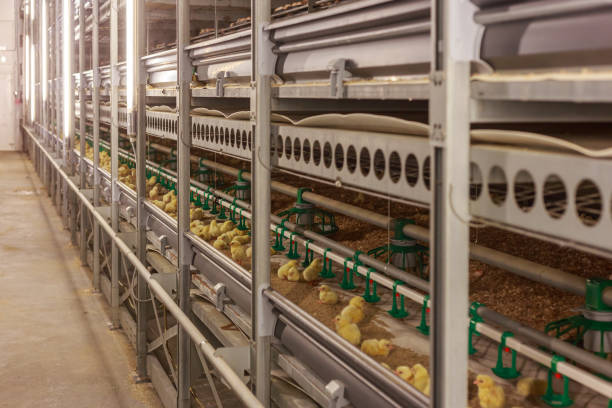
Automated feeding and watering systems: These reduce labor, ensure consistent nutrition, and cut feed waste—feed is the highest single cost in poultry production. Even small-scale farms benefit from gravity-fed or motorized feeders and nipple drinkers that keep water clean and reduce disease risk.
Smart climate control: Proper ventilation and temperature control are crucial, especially for broilers and hatcheries. Affordable sensors and controllers help maintain optimal conditions, improving feed conversion ratios (FCR) and reducing mortality. Tunnel ventilation and evaporative cooling are increasingly used in warmer regions.
Precision monitoring: IoT sensors for temperature, humidity, ammonia, and flock weight allow farmers to monitor flock health remotely. Mobile apps aggregate data, providing alerts and historical trends so managers can act quickly on early signs of disease or suboptimal conditions.
Vaccination and biosecurity tech: Cold chain solutions for vaccines, portable diagnostic kits, and improved record-keeping tools reduce disease outbreaks. Training staff on biosecurity protocols—controlled access, sanitation stations, and quarantine procedures—remains vital.
Data and farm management platforms: Cloud-based farm management software helps track feed consumption, growth rates, medication use, and production cycles. These platforms support forecasting, budgeting, and compliance documentation, making it easier to attract financing or enter contract production arrangements.
Improving flock health and welfare Healthy birds are the backbone of profitable poultry farming. Focus on preventive health management, nutrition, and welfare to lower mortality and improve productivity.
Vaccination and disease prevention: Follow a vaccination schedule tailored to local disease pressures—Newcastle disease, Infectious Bursal Disease (Gumboro), coccidiosis, and avian influenza risks vary by region and season. Work with qualified veterinarians to design vaccination and monitoring programs, and keep accurate records for traceability and market access.
Nutrition and feed management: Feed quality directly affects growth and egg production. Source reliable feed or mill your own using tested formulations. For broilers, focus on phase feeding to match protein and energy needs across starter, grower, and finisher stages. For layers, maintain balanced calcium and phosphorus levels to support shell quality and egg production.
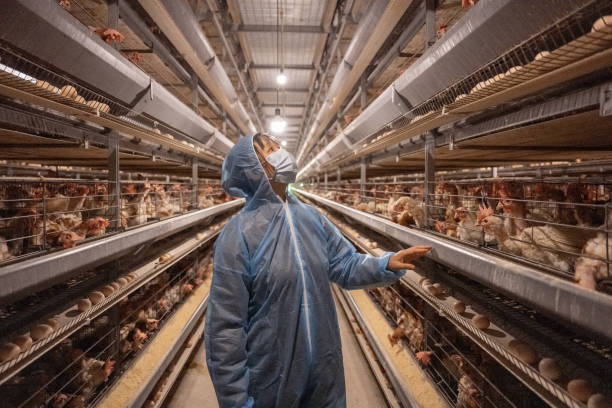
Biosecurity and hygiene: Preventing disease is far cheaper than treating outbreaks. Isolate new birds, limit farm visitors, designate clothing and boots, and establish disinfection points. Regularly clean and disinfect housing, feeders, and water systems. Control rodents and wild birds that can transmit pathogens.
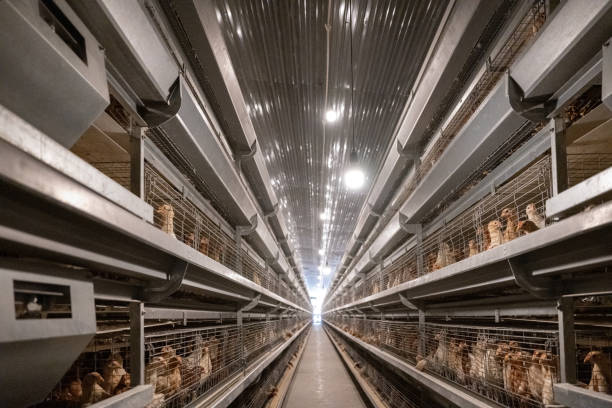
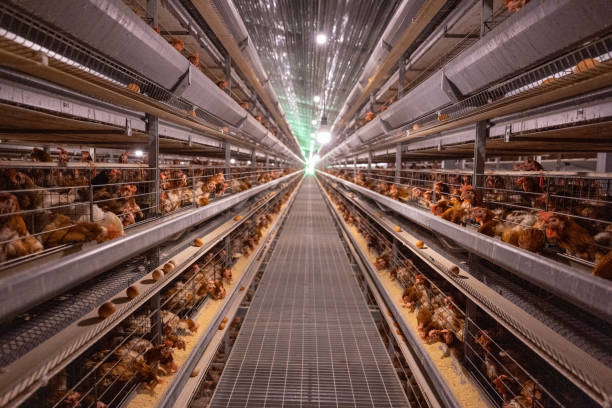
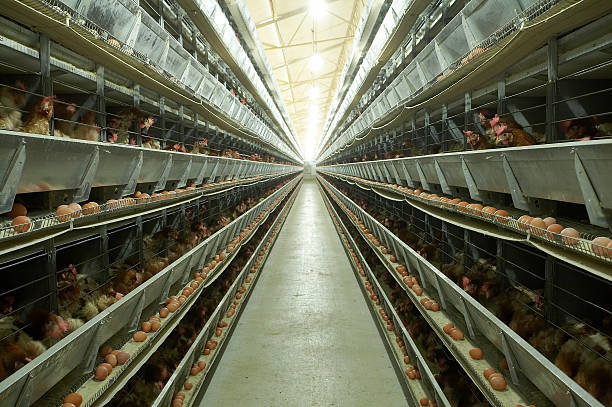
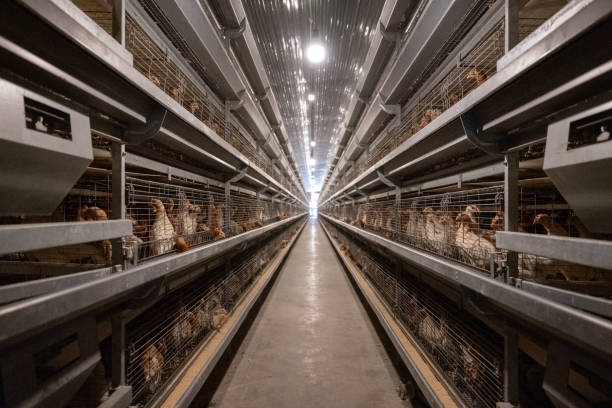
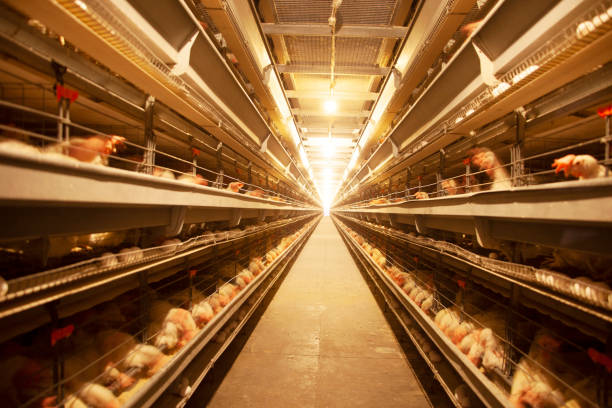
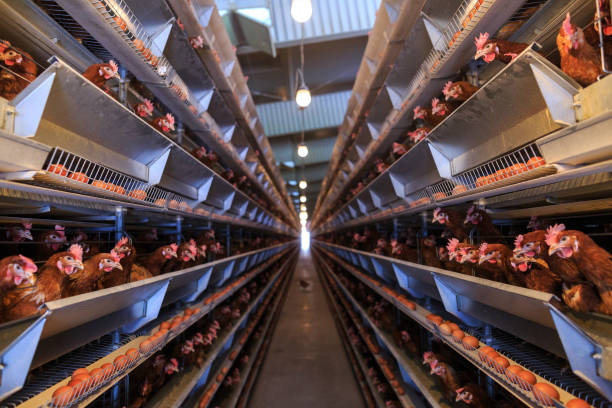
Welfare and housing: Good welfare improves productivity. Provide adequate space, lighting cycles that support natural behaviors and production, and comfortable bedding. Well-designed cages or deep-litter systems can improve feed efficiency and egg-laying consistency when managed properly.
Hatchery and breeder management: For integrated operations, focus on breeder nutrition, egg handling, and hatchery hygiene. Proper incubation protocols, temperature and humidity control, and handling of day-old chicks reduce losses early in the production cycle.
Practical farm management and cost control Controlling costs while maintaining quality is key to profitability. Start with a clear business plan and monitor key performance indicators (KPIs) such as mortality rate, FCR, average daily gain (ADG), and eggs per hen per year.
Feed efficiency and sourcing: Feed accounts for 60–70% of production costs. Negotiate bulk purchase agreements where possible, consider local raw materials to reduce costs, and explore feed additives that improve digestion and growth. Regularly test feed for contaminants and consistent nutrient profiles.
Labor and workflow optimization: Streamline tasks with clear standard operating procedures. Training staff on efficient feeding, vaccination, egg handling, and record-keeping reduces errors and stress on birds. Implement simple checklists and daily logs to track performance.
Energy and resource efficiency: Energy costs can be significant for lighting, heating, and cooling. Invest in energy-efficient lighting (LED), optimize ventilation to reduce power usage, and consider renewable options like solar for on-farm electricity and water pumping.
Risk management and insurance: Identify local risks—disease outbreaks, drought, feed supply shocks—and develop contingency plans. Explore livestock insurance where available, and diversify income streams through value-added products or services to buffer price volatility.
Marketing and value addition Selling your product consistently and at competitive prices requires strategic marketing and possibly value addition.
Branding and traceability: Build a recognizable brand focused on freshness, safety, or specialty attributes (free-range, organic, high-welfare). Traceability—from hatchery to plate—adds value with institutional buyers and export customers.
Direct-to-consumer channels: Urban demand in Kenya supports farmer markets, online ordering, and direct delivery. Social media and messaging apps are cost-effective tools for promotion and customer service. Partnering with aggregators and retailers expands reach quickly.
Processing and packaging: Simple processing like chilled carcasses, vacuum-packed parts, or processed products (marinated, ready-to-cook) can boost margins. Egg grading and clean packaging enhance appeal to supermarkets and hotels.
Cooperatives and contract farming: Joining a cooperative lowers input costs and improves bargaining power. Contract farming with processors provides stable off-take and predictable income—ensure contracts specify biosecurity, quality standards, and price mechanisms.
Scaling sustainably and access to finance Scaling requires capital, technical know-how, and market connections. Demonstrate sound farm management and profitability to attract finance.
Financial planning and record-keeping: Maintain transparent records of costs, revenues, and KPIs. Lenders and investors look for repeatable, well-documented results. Use simple accounting tools or farm management software to track cash flow and performance.
Access to finance: Explore local agricultural loans, microfinance, and grant programs. Some commercial banks offer tailored agribusiness loans when backed by viable business plans and collateral. Crowdfunding and impact investors are emerging sources for innovative or community-oriented projects.
Phased scaling: Grow in stages—improve current operations, reinvest profits into incremental upgrades (improved housing, better feeders, a chill room), and then expand flock size. Phased growth reduces risk and helps maintain biosecurity.
Sustainability and community impact: Consider environmental and social sustainability—manage manure for biogas or fertilizer, use water-saving systems, and create local jobs. Sustainability practices appeal to buyers and can open up premium markets.
Practical checklist for new and expanding farmers Location and layout: Choose sites with good road access, clean water, and distance from other poultry farms to reduce disease risk. Design housing to allow easy cleaning and good ventilation.
Breed selection: Select breeds suited to your market—fast-growing broilers for meat, high-yield layers for eggs, or dual-purpose breeds for mixed systems. Consider hatchery reliability and mortality statistics.
Biosecurity: Enforce footbaths, visitor logs, controlled access, and quarantine pens for new birds.
Feed strategy: Secure reliable feed supply, monitor feed conversion, and test feed quality.
Record-keeping: Log mortalities, feed usage, growth rates, vaccinations, and sales for better decision-making.
Market plan: Identify buyers, pricing, and transport logistics before scaling up flock sizes.
Closing and call to action Poultry farming in Kenya in 2026 offers many pathways to profit—whether through smallholder intensification, semi-commercial operations, or fully integrated farms. Success depends on adopting practical technologies, maintaining strong biosecurity and flock health, controlling feed and operational costs, and building reliable market channels. If you’re ready to improve your production with modern equipment, optimized management, or a scalable business plan, leave your contact details and a brief description of your operation. We’ll connect you with tailored solutions, expert guidance, and equipment options to help you grow.
FAQ What are the biggest challenges for poultry farmers in Kenya today? Key challenges include feed cost and quality, disease outbreaks, inconsistent market prices, limited access to cold chain infrastructure, and occasional regulatory or trade barriers.
How much space do I need per bird for broilers and layers? For broilers on deep litter, aim for 0.07–0.1 square meters per bird initially, increasing as they grow. For layers in cage systems, standard recommendations range from 0.06–0.08 square meters per bird in enriched cages; free-range systems require more space to meet welfare standards.
What is a realistic survival rate for broilers and layers? With good management and biosecurity, broiler mortality should be below 5% per cycle; layers should have flock mortality under 8–10% annually, excluding culling and common lifecycle replacements.
How do I reduce feed costs without compromising growth? Negotiate bulk feed purchases, use locally available raw materials where safe, apply precise feeding programs, minimize feed waste with proper feeders, and consider feed additives that improve digestion and nutrient uptake.
When is the best time to vaccinate chicks? Vaccination schedules depend on local disease risks and types of vaccines. Common early vaccinations include Marek’s and Newcastle disease for chicks; consult a vet for a schedule tailored to your region and flock.
Can small farms benefit from automation? Yes. Even low-cost automation like timed feeders, nipple drinkers, and basic environmental controllers can significantly reduce labor and improve consistency. Scale the technology to your operation size and budget.
What biosecurity steps are essential for preventing disease outbreaks? Essential steps include controlled access, perimeter fencing, sanitation points, dedicated clothing and boots, quarantine for new birds, rodent control, and strict cleaning and disinfection routines.
How can I access financing for expansion? Prepare a clear business plan with records and KPIs, approach agricultural loan products, microfinance institutions, cooperatives, or look for grants and impact investors interested in agribusiness.
Is free-range or cage farming better for Kenyan markets? Both systems have market demand. Free-range and high-welfare products can fetch premium prices in urban and niche markets, while cage systems or controlled-environment production are often more efficient for high-volume commercial supply.
What steps help me enter export markets? Invest in biosecurity, adhere to sanitary and phytosanitary standards, implement robust traceability and record-keeping, obtain required certifications, and partner with experienced exporters or consolidators who understand regulatory requirements.