
For beginners, layer chicken farming in South Africa should start with a clear farm plan, reliable water and power supply, proper poultry house ventilation, suitable layer cages, and a realistic flock size. New farmers can begin with A type layer cages for lower investment, while farms planning fast expansion can choose H type layer battery cages with automatic feeding, drinking, manure removal, egg collection, and environmental control systems.
South Africa has an active poultry sector, but new layer farmers must plan carefully because feed costs, disease control, electricity reliability, and heat stress can directly affect egg production. SAPA noted that highly pathogenic avian influenza remains a major industry concern, while feed and energy costs continue to pressure producers.
Why Is Layer Chicken Farming in South Africa Attractive for Beginners?
Egg demand is relatively stable because eggs are affordable, easy to distribute, and consumed daily by households, bakeries, restaurants, and food processors. For new farmers, layer farming can generate regular cash flow once hens reach laying age.
However, a layer project is not just about buying chicks. A beginner should first confirm:
- Local egg buyers and selling channels
- Feed supply and transport cost
- Water quality and daily water availability
- Power backup for fans, lighting, and automation
- Biosecurity plan to reduce disease risk
- Poultry house size and future expansion space
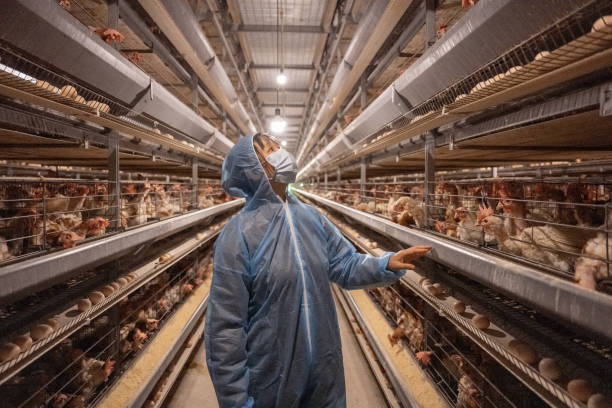
Commercial egg production requires full-time management and organized systems for feeding, egg collection, manure handling, and flock records. FAO describes commercial poultry production as a full-time enterprise, while integrated egg production involves mechanized egg collection, scientific feeding, and controlled housing.
What Flock Size Should a Beginner Start With?
The right scale depends on budget, land, market access, and management experience. For South African beginners, starting too large without trained workers or a power backup plan can create unnecessary risk.
| Beginner Stage | Suggested Scale | Suitable Equipment | Main Advantage |
|---|---|---|---|
| Learning stage | 2,000–5,000 layers | Manual or semi-automatic A type cages | Lower investment, easier management |
| Small commercial stage | 5,000–15,000 layers | A type layer cages with feeding and drinking system | Better labor efficiency |
| Expansion stage | 15,000–30,000 layers | A type automatic system or 3–4 tier H type cages | Higher output per house |
| Intensive farm stage | 30,000+ layers | H type layer battery cage system with full automation | Saves land and reduces labor |
For many first-time investors, 10,000 to 30,000 layers is a practical starting range if they already have stable egg buyers, sufficient land, and basic poultry management knowledge.
How Should Beginners Plan the Poultry House?
A poultry house in South Africa should be designed around local climate, wind direction, ventilation, water, electricity, and future expansion. The most important point is not only the outside weather, but the micro-climate at bird level. PoultryHub explains that temperature, humidity, air composition, air movement, and light should be measured at animal level because the bird-level climate directly affects health and production.
For beginners, the poultry house should include:
- Good roof insulation to reduce heat stress
- Enough side ventilation or tunnel ventilation
- Cooling pads and fans in hot regions
- Reliable lighting control for laying performance
- Drainage design to keep the house dry
- Enough space for feed silo, egg room, manure area, and service passage
- Backup power for fans and water systems
South African farmers should pay special attention to power reliability. Farmer’s Weekly notes that load-shedding and rising electricity tariffs are serious challenges for poultry producers, and ventilation failure during hot weather can cause severe losses within hours.
Should New Farmers Choose A Type or H Type Layer Cages?
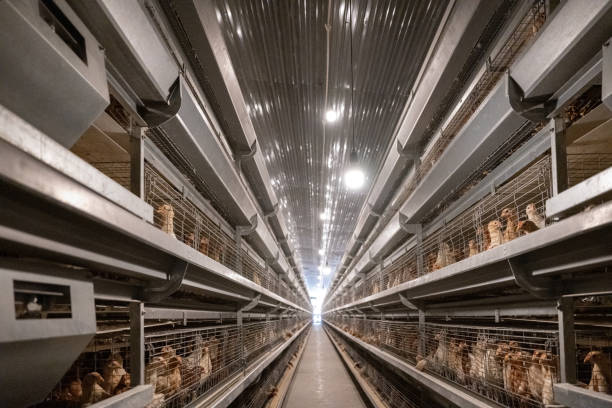
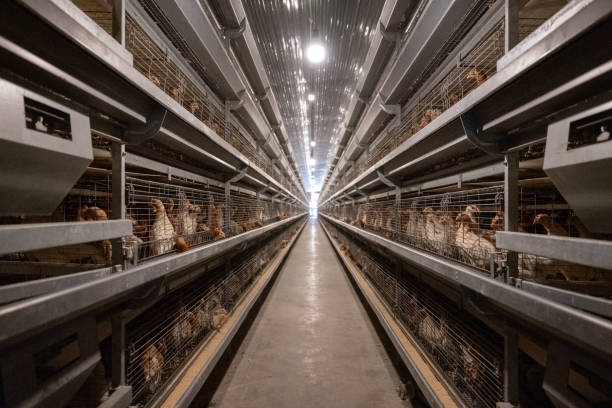
For most beginners, A type layer cages are easier to understand, install, inspect, and maintain. They are suitable for medium-sized farms and farms that want good ventilation with moderate investment. LIVI’s A type layer cage uses hot-dip galvanized cage mesh, supports automatic feeding, drinking, egg collection, and manure removal, and is designed for medium-sized poultry farms.
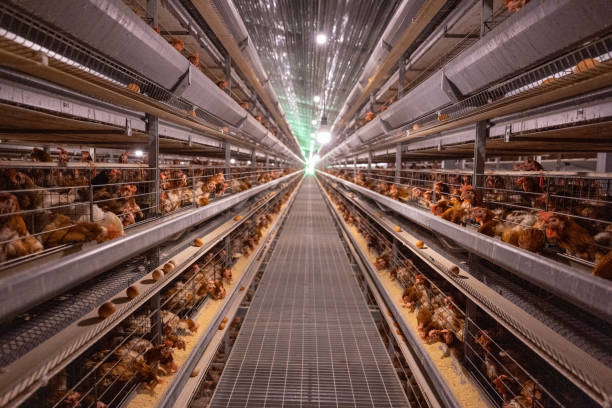
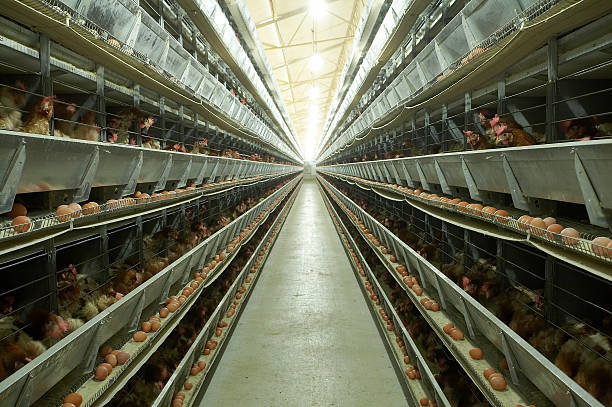
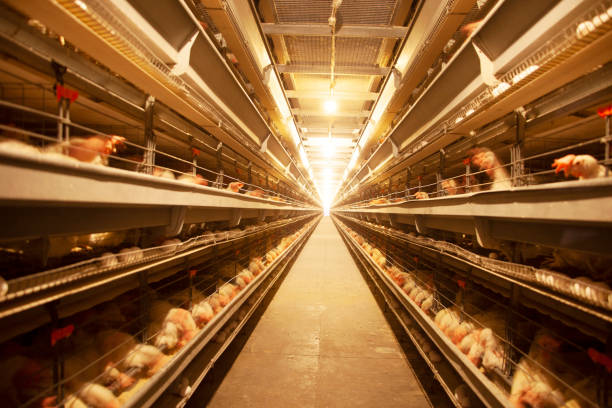
H type layer cages are better for farmers who want higher stocking density, better land use, and full automation. They are suitable for intensive egg farms in areas where land cost, labor cost, and expansion planning are important. LIVI’s H type layer cage system can be configured in multiple tiers and is designed for automatic feeding, drinking, egg collection, manure removal, and environmental control.
| Cage Type | Best For | Key Benefit | Beginner Suitability |
|---|---|---|---|
| A type layer cage | 5,000–30,000 layers | Lower cost, easier ventilation | Very suitable |
| H type layer cage | 30,000+ layers or expansion farms | High density, saves land, full automation | Suitable if budget and management are ready |
What Equipment Does a Beginner Layer Farm Need?
A complete beginner layer farm in South Africa usually needs the following equipment:
| Equipment | Function | Why It Matters |
|---|---|---|
| Layer cages | Houses laying hens safely | Improves space use and egg collection |
| Automatic feeding system | Delivers feed evenly | Reduces labor and feed waste |
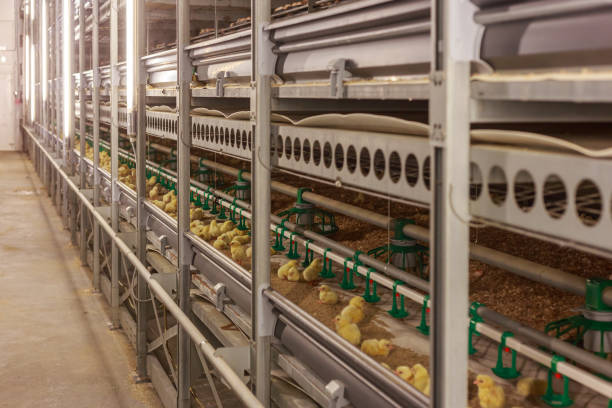
| Nipple drinking system | Provides clean water | Supports bird health and stable production |
| Manure removal system | Removes manure regularly | Improves hygiene and reduces ammonia |
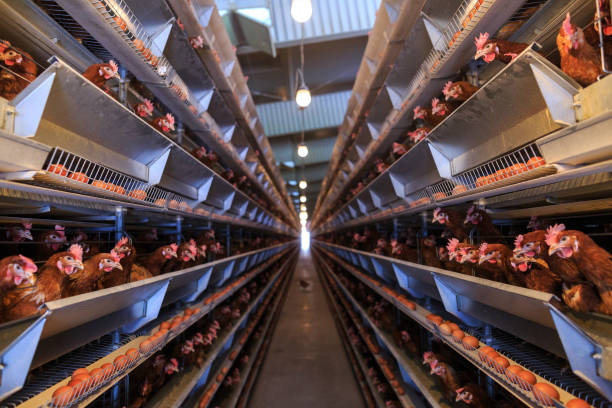
| Egg collection system | Transfers eggs safely | Reduces egg breakage and labor |
| Ventilation fans and cooling pads | Controls heat and airflow | Important for hot weather |
| Lighting system | Controls laying cycle | Helps maintain production rhythm |
| Control cabinet | Manages equipment operation | Supports timing, monitoring, and automation |
For new farmers, automation should not be selected only because it looks modern. It should match the farm scale, power condition, labor cost, and management ability. South Africa’s energy cost pressure is real; NAMC reported that electricity tariff increases can raise production costs and affect agricultural output.
Which Automation Systems Improve Egg Farm Efficiency?
The most useful automation systems for a beginner moving into commercial production are:
- Automatic feeding system — keeps feed distribution uniform and reduces manual labor.
- Automatic drinking system — provides clean water and helps reduce leakage.
- Automatic manure removal system — keeps the poultry house cleaner and improves air quality.
- Automatic egg collection system — reduces egg handling damage and improves collection speed.
- Ventilation and environmental control system — manages temperature, humidity, airflow, and lighting.
LIVI Machinery provides poultry farm scheme design, cage systems, automatic feeding, drinking, manure cleaning, egg collection, ventilation, intelligent control, installation guidance, and after-sales service for large and medium-sized chicken farms.
Practical Tips for South African Layer Farm Beginners
Before placing the first batch of pullets, prepare a simple management checklist:
- Test water quality before equipment installation.
- Keep daily records of feed intake, water intake, mortality, egg number, and egg weight.
- Install a generator or solar backup for ventilation and water systems.
- Do not mix different bird ages in the same house.
- Keep visitors, vehicles, and wild birds away from the production area.
- Plan manure disposal before production starts.
- Leave space for the second poultry house if expansion is planned.
A beginner should treat the first flock as a learning cycle. Once egg sales, flock health, and cash flow are stable, the farm can expand to a larger H type cage system or add more automated equipment.
How Can Livi Machinery Help New Layer Farmers in South Africa?
Livi Machinery can support South African beginners from early planning to equipment operation. Instead of only selling cages, the technical team can help design the poultry house layout, choose suitable cage types, calculate equipment quantity, arrange automatic feeding and drinking systems, and provide installation guidance.
For a new investor, this reduces common mistakes such as wrong house dimensions, poor ventilation layout, insufficient manure space, unsuitable cage configuration, or lack of backup power planning.
FAQ
1. How many layer chickens should a beginner start with in South Africa?
A beginner can start with 5,000–10,000 layers if learning poultry management for the first time. If the farmer already has buyers, land, workers, and power backup, 20,000–30,000 layers can be a more commercial starting scale.
2. Is A type or H type layer cage better for beginners?
A type layer cages are usually better for beginners because they are simpler and lower cost. H type layer cages are better for farmers who want high-density farming, full automation, and future expansion.
3. What is the biggest risk for a new egg farm in South Africa?
The major risks include feed price fluctuation, disease outbreaks, poor ventilation, unreliable electricity, and weak egg sales channels. Power backup is especially important for farms using fans, cooling pads, automatic feeding, and drinking systems.
4. Does a beginner layer farm need automatic egg collection?
For very small farms, manual egg collection may be acceptable. For commercial farms above 10,000–20,000 birds, automatic egg collection can reduce labor, improve efficiency, and lower egg breakage during daily handling.
5. Can Livi Machinery design a poultry house based on my land size?
Yes. Livi Machinery can provide poultry house layout design, cage configuration, equipment selection, shipping support, installation guidance, and after-sales service according to flock size, land dimensions, climate conditions, and expansion plans.