
1. Introduction: Opportunities and Challenges in Modern Poultry Farming in Kenya
Kenya’s poultry farming industry is a vital component of its agricultural economy, providing livelihoods and food sources for millions of households. However, traditional free-range or rudimentary cage farming methods face numerous challenges, including low land utilization, high disease transmission risks, inefficient production, and rising labor costs. To address these challenges and seize market opportunities, an increasing number of Kenyan farmers are transitioning to modern, intensive farming practices. In this shift, galvanized chicken cages and automatic chicken cage systems play a pivotal role. This article will delve into the application, advantages, pricing, and selection of these modern chicken cages in the Kenyan market. Our aim is to help Kenyan poultry farmers enhance efficiency, reduce costs, and achieve sustainable development.
2. Galvanized Chicken Cages: Durable and Economical Choice
2.1 What are Galvanized Chicken Cages?
Galvanized chicken cages are made from high-quality low-carbon steel wire, welded, and then treated with hot-dip galvanization or cold galvanization. The galvanized coating effectively isolates the steel wire from oxygen and moisture in the air, significantly enhancing the cage’s corrosion resistance and extending its service life. In Kenya’s hot and humid climate, galvanization is particularly crucial for ensuring the cages maintain structural integrity and hygiene over long-term use.
2.2 Advantages of Galvanized Chicken Cages
Galvanized chicken cages are gaining popularity in Kenya’s poultry industry due to their excellent performance. Their main advantages include:
•Durability and Hygiene: High-quality galvanization effectively resists rust, allowing the cages to maintain a long service life even in harsh environments. The smooth surface prevents dirt accumulation, making cleaning and disinfection easy. This significantly reduces the risk of bacterial growth and disease transmission, ensuring the health of the flock .
•Cost-Effectiveness: While the initial investment in galvanized chicken cages might be slightly higher than ordinary cages, their exceptionally long lifespan (typically 10-20 years) and low maintenance costs result in lower overall operating costs in the long run, offering significant economic benefits.
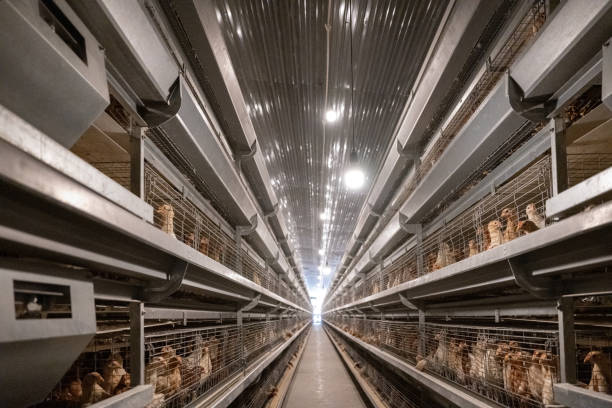
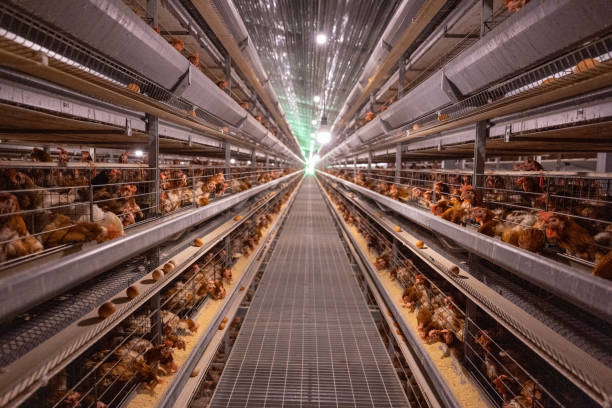
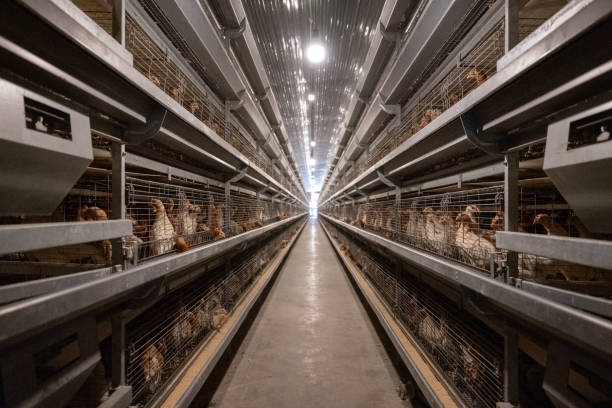
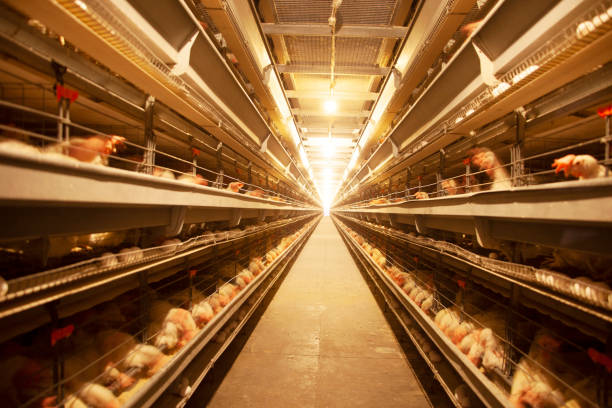
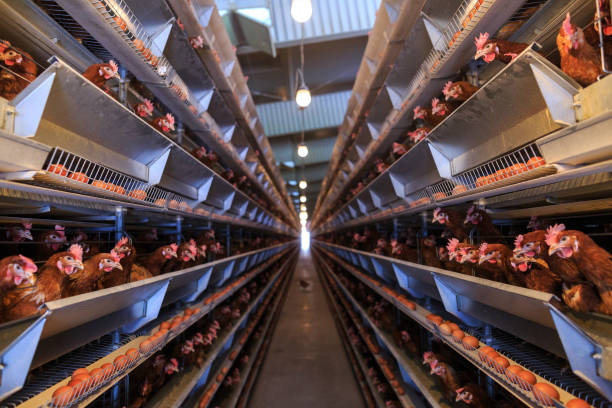
•High Space Utilization: Galvanized chicken cages often feature multi-tier designs (such as A-type or H-type), maximizing the use of limited farming space. This increases the stocking density per unit area, thereby boosting output.
2.3 Galvanized Chicken Cage Types and Prices in the Kenyan Market
In the Kenyan market, galvanized chicken cages primarily come in two types: A-type and H-type. A-type cages have a relatively simple structure, are easy to operate and maintain, and are suitable for small to medium-sized farms or those new to cage farming. H-type cages are better suited for large-scale commercial farms, allowing for a higher degree of automated management .
According to market research, the galvanized chicken cages price in Kenya varies depending on brand, material, level of automation, and capacity. For instance, an A-type galvanized chicken cage with a capacity for 128 birds costs approximately KSh 38,000, while an H-type cage of similar capacity might be around KSh 45,000 . These prices typically include the basic cage structure; automation equipment needs to be configured separately. Key suppliers include Livi Poultry Cage, offering various specifications and configurations of galvanized chicken cages.
3. Automatic Chicken Cage Systems: Key to Enhancing Efficiency and Profitability
3.1 Components and Functions of Automatic Chicken Cage Systems
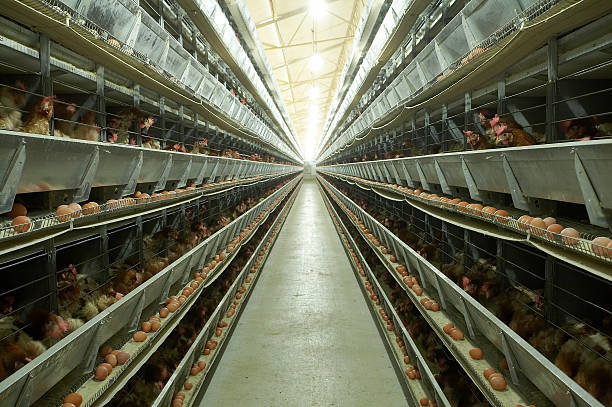
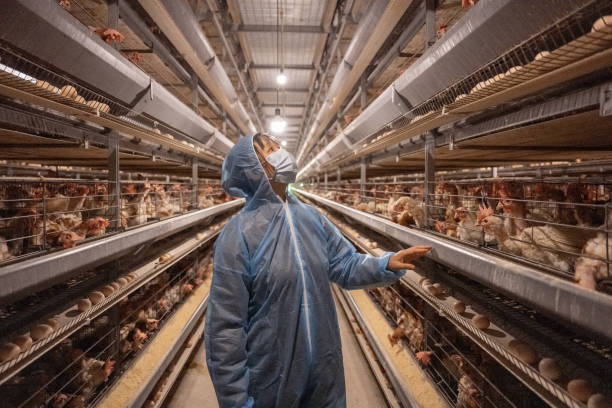
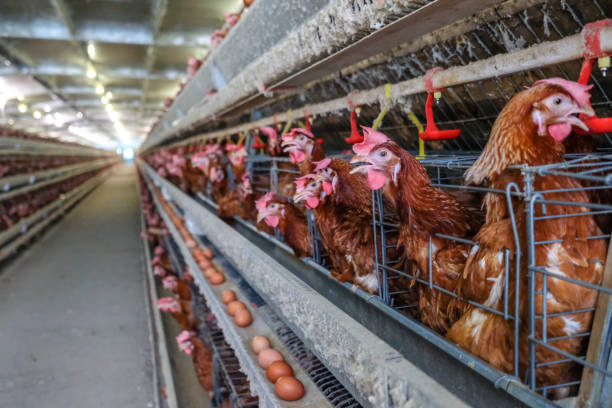
Automatic chicken cage systems are standard for modern large-scale poultry farms, integrating various automated equipment to achieve precise management of the flock. A typical automatic chicken cage system usually includes:
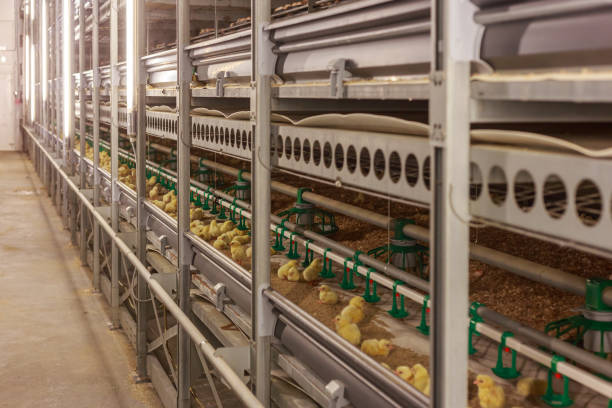
•Automatic Feeding System: Uses feed lines and pans to deliver feed to each cage at regular intervals and in precise quantities, reducing feed waste and ensuring uniform consumption by the flock.
•Automatic Drinking System: Employs nipple drinkers to provide clean and hygienic water, preventing water contamination and reducing disease risks.
•Automatic Manure Removal System: Uses scraper boards or conveyor belts to regularly clear chicken manure from the house, maintaining a clean environment and reducing ammonia emissions.
•Automatic Egg Collection System: Uses egg collection belts to automatically gather eggs at a designated location, reducing breakage rates and improving work efficiency.
•Environmental Control System (Optional): Includes automatic ventilation, cooling, heating, and lighting systems to provide optimal growth conditions for the flock.
3.2 Significant Advantages of Automatic Chicken Cages
Introducing automatic chicken cage systems can bring revolutionary changes to Kenya’s poultry farming industry:
•Labor Cost Savings and Efficiency Improvement: Automated systems replace a large amount of manual labor, significantly reducing labor costs. Studies show that automatic chicken cages can reduce daily labor requirements per 1,000 birds by 68% to 83% . Simultaneously, work efficiency is greatly improved, allowing farmers to manage larger flocks.
•Improved Production Performance and Product Quality: Precise feeding and drinking management, along with stable environmental control, help flocks maintain good health and production performance, increasing egg-laying rates, hatchability, and broiler growth rates. Automatic egg collection systems also reduce egg breakage and contamination, enhancing product quality.
•Reduced Disease Risk and Environmental Pollution: A clean and hygienic farming environment and automated management reduce human-flock contact, lowering the risk of disease transmission. The automatic manure removal system promptly clears chicken manure, effectively controlling the generation of harmful gases like ammonia and hydrogen sulfide, improving air quality in the chicken house, and reducing environmental pollution.
3.3 Analysis of the Kenyan Automatic Chicken Cage Market
For Kenyan farmers seeking chicken cages for sale automatic, investing in an automated system is a crucial decision. The automatic chicken cage price in Kenya is generally higher than traditional cages, but the long-term benefits are substantial. The investment cost for a complete automatic H-type layer cage system might range from KSh 200,000 to KSh 400,000, while individual automatic cage units (as seen on Made-in-China) could be between US$120-180 .
Return on Investment (ROI) analysis indicates that automatic chicken cage systems typically recoup their initial investment within three years, primarily due to increased production efficiency, labor savings, and improved product quality . For Kenyan farmers aspiring to expand their scale and enhance competitiveness, automatic chicken cage systems are key to achieving profitable growth.
4. How to Choose the Right Chicken Cage System for Your Kenyan Farm?
Selecting the appropriate chicken cage system requires considering multiple factors:
•Farm Size and Budget: Small farms can start with A-type galvanized chicken cages and gradually transition to partial automation. Large farms should prioritize H-type fully automated systems to achieve economies of scale.
•Farming Objectives: Layer farming typically opts for multi-tier cages, while broiler farming has specialized broiler cage designs.
•Automation Level Required: Choose systems with varying degrees of automation based on your management capabilities and pursuit of efficiency. Initially, semi-automation can be chosen, with gradual upgrades to more comprehensive automated systems later.
•Supplier Selection Criteria: Choosing reputable suppliers who offer quality products and comprehensive after-sales service is crucial. Evaluate their product quality, technical support, installation guidance, and spare parts availability .
5. Kenyan Poultry Farming Regulations and Standards
In Kenya, poultry farming must comply with relevant animal welfare and environmental regulations. For example, The Livestock (Poultry Industry) Regulations, 2023, outlines specific requirements for poultry transportation and housing environments . While there are currently no strict mandatory regulations on specific cage dimensions and designs, farmers should pay attention to animal welfare trends and choose cage systems that provide sufficient space and comfortable environments to meet international standards and enhance product competitiveness.
6. Conclusion: Investing in Modern Chicken Cages for Sustainable Poultry Development in Kenya
In summary, investing in galvanized chicken cages and automatic chicken cage systems is a critical pathway for Kenya’s poultry farming industry to modernize, improve efficiency, and enhance profitability. Galvanized cages provide a foundation of durability and hygiene, while automated systems offer significant economic benefits by substantially reducing labor costs, improving production performance, and enhancing environmental management. By carefully assessing their needs, budget, and market trends, Kenyan farmers can select the most suitable chicken cage solutions, thereby driving the poultry industry towards a more efficient and sustainable future, contributing to Kenya’s food security and economic growth.
7. Frequently Asked Questions (FAQ)
Q1: What is the average lifespan of galvanized chicken cages in Kenya?
A1: High-quality hot-dip galvanized chicken cages, with normal use and proper maintenance in Kenya, can have an average lifespan of 10 to 20 years, significantly longer than ordinary cages.
Q2: Can automatic chicken cage systems truly reduce labor costs significantly?
A2: Yes, automatic chicken cage systems, through automated feeding, drinking, manure removal, and egg collection functions, can greatly reduce manual operations. This can decrease daily labor requirements per 1,000 birds by 68% to 83%, leading to substantial labor cost savings.
Q3: Are automatic chicken cages suitable for small farms?
A3: For small farms, it’s advisable to initially consider investing in A-type galvanized chicken cages and gradually introduce partial automated equipment, such as automatic drinkers and simple feeding systems. As the farm expands and capital accumulates, upgrading to a more comprehensive automated system will be a more economically sound choice.
Q4: Besides price, what other factors should be considered when buying chicken cages in Kenya?
A4: Besides price, you should also consider the cage material (galvanization quality), design (A-type or H-type), capacity, level of automation, supplier’s reputation, after-sales service, spare parts availability, and compliance with local animal welfare standards.
Q5: How can I ensure the maintenance and after-sales service for chicken cage systems?
A5: Before purchasing, be sure to clarify the after-sales service terms with the supplier, including installation guidance, technical training, warranty period, and spare parts supply. Choosing a supplier with a local service team or partners in Kenya can ensure more timely maintenance and support.