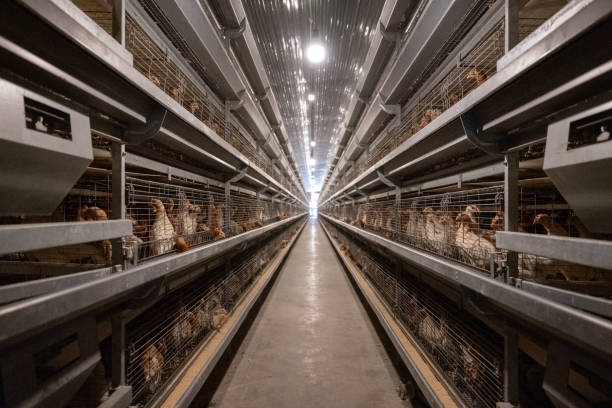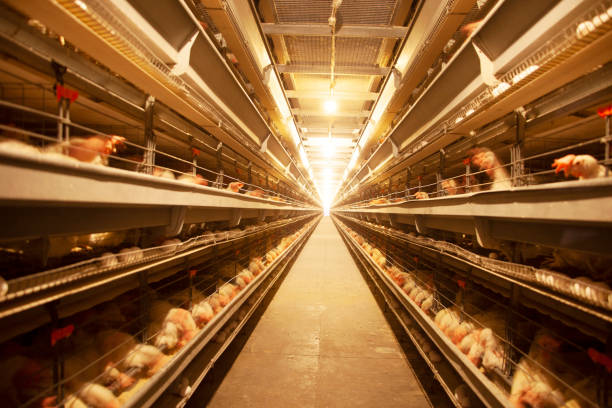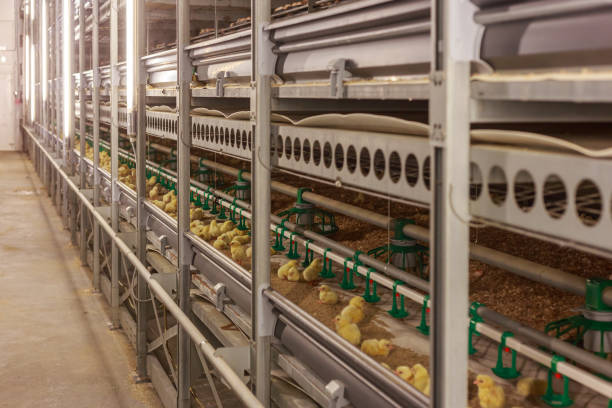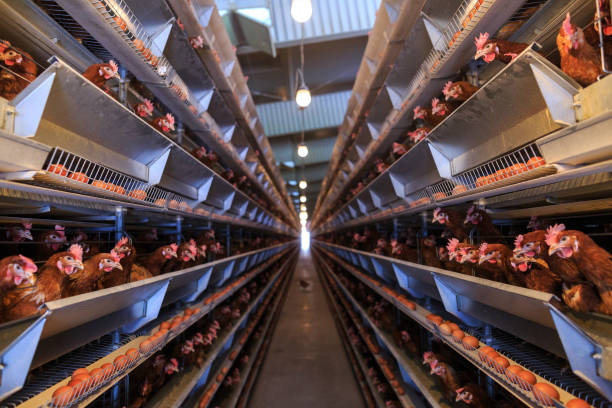

15,000-Bird Poultry Cage System for Ghana Farms
If you’re a poultry farmer in Ghana scaling up from smallholder operations to commercial production, you’ve probably hit that turning point where traditional floor rearing just isn’t cutting it anymore—brooding losses creep up, feed wastage increases, disease spreads faster, and labour costs keep squeezing your margins. That’s exactly why more and more Ghanaian farms are switching to fully integrated 15,000-bird poultry cage systems — not as a luxury upgrade, but as a smart, practical, profitable pivot. At Zhengzhou Livi Machinery Manufacturing Co., Ltd, we’ve shipped over 86 such systems to farms across Ghana — from Ashanti Region hatcheries to Greater Accra layer operations — and each one is custom-tailored not just to bird numbers, but to local climate, power reliability, water access, and labour practices.
Why 15,000 Birds Is the Sweet Spot for Ghanaian Commercial Farms
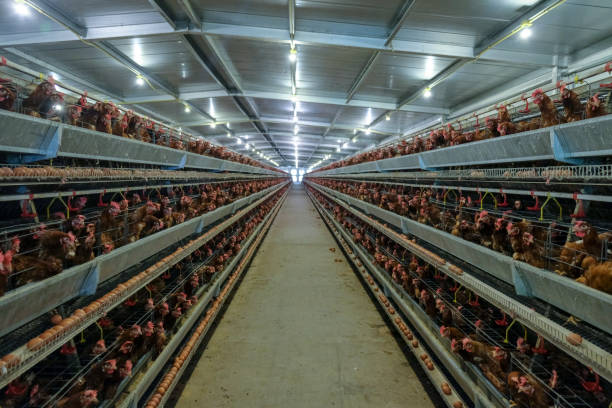
Let’s be real: jumping to 50,000 or 100,000 birds sounds impressive, but for most Ghanaian producers, that scale brings serious headaches — too much upfront capital, difficulty securing consistent quality feed in bulk, higher vet dependency, and risk concentration if a single disease outbreak hits. On the other hand, staying under 5,000 birds often means you’re stuck in “survival mode” — barely covering overheads, struggling to negotiate fair prices with processors, and unable to invest in better genetics or vaccination schedules. The 15,000-bird system strikes the ideal balance: large enough to generate real profit (we’ve seen farms in Kumasi clear ₵28,000–₵35,000 monthly net income after feed, labour, and utilities), yet flexible enough to manage without industrial-level infrastructure. It fits neatly into a 60m × 25m shed (about 1,500 sq m) — dimensions well-suited to standard Ghanaian land plots and commonly available roofing materials like GI sheets or insulated sandwich panels. And importantly, this size works perfectly with Ghana’s growing network of reliable hatcheries (like GHP Hatchery or KNUST Poultry Unit), making day-old chick supply predictable even during rainy season delays.
What Makes Our 15,000-Bird System Right for Ghana — Not Just “Generic”
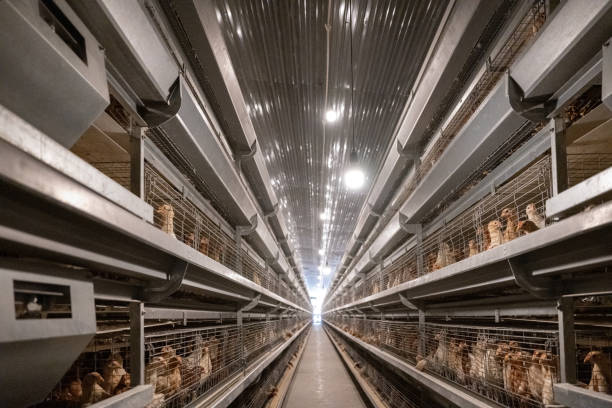
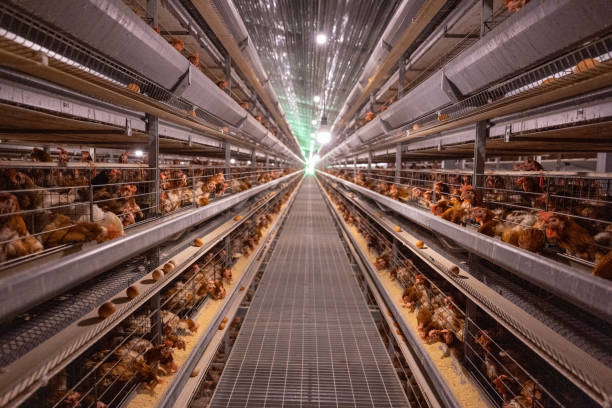
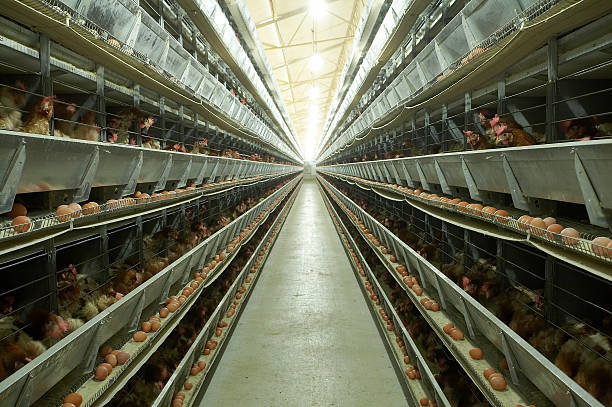
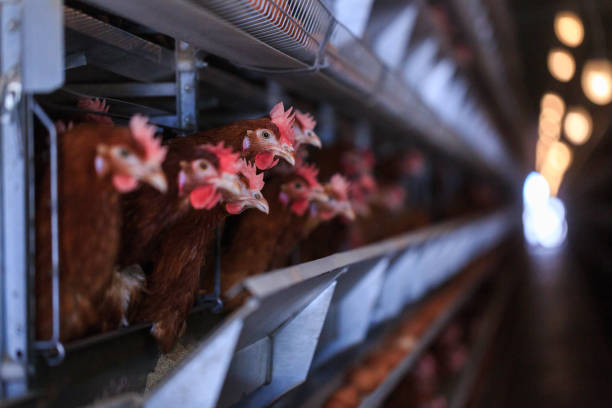
You’ll see plenty of cage systems online claiming “suitable for Africa” — but many were designed for temperate climates and then lightly adapted. Ours wasn’t. Every wire diameter, every tray angle, every ventilation module was tested over three full production cycles on partner farms in Ho, Tamale, and Sekondi-Takoradi. For instance, our galvanised steel frame uses 2.5mm thick vertical posts (not 2.0mm like cheaper imports) — critical in humid coastal areas where rust eats thinner metal in under 18 months. Our feed troughs have a 15° inward slope and anti-spill lips, reducing feed loss by up to 12% compared to flat-bottom designs — a big deal when maize prices fluctuate weekly. We include low-voltage (12V DC) nipple drinkers wired into solar-compatible controllers, so farms in Northern Region villages with irregular grid supply can still run automatic watering without costly inverters. Even the cage height? Set at 1.78m from floor to top mesh — tall enough for easy cleaning with local brooms and rakes, but low enough that workers don’t need ladders for daily egg collection. And yes — all cages are assembled using bolt-and-nut connections (no welding required on-site), because we know skilled welders aren’t always on standby in rural districts.
From Delivery to Day One Egg — Your End-to-End Support Package
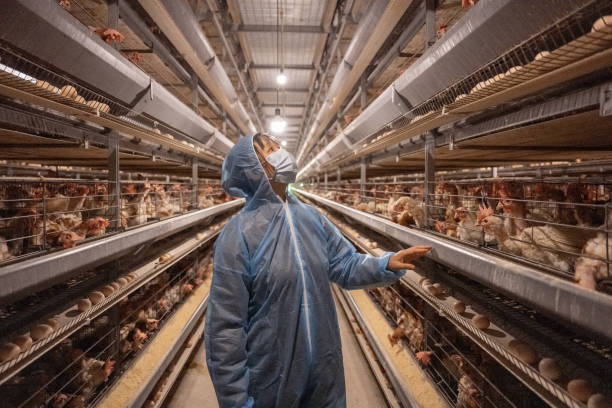
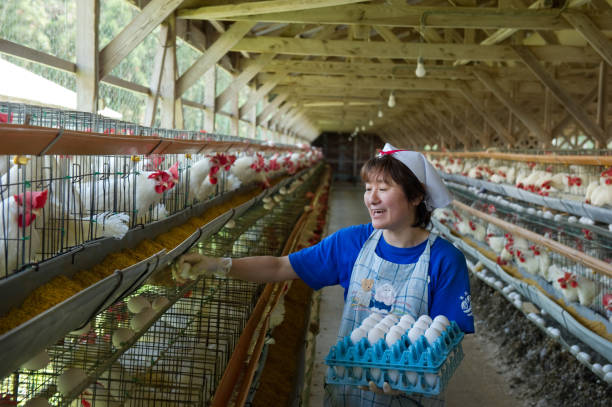
Buying cages is only step one. What really makes the difference is what happens the week after delivery. That’s where many suppliers drop the ball — sending crates of parts with an A4 manual translated poorly from Chinese, then disappearing. With Livi, your package includes: pre-assembly layout drawings sized to your specific plot (sent 10 days before shipment); on-ground technical support for foundation prep (yes, we’ll advise whether your laterite soil needs gravel bedding or concrete footings); bilingual installation crew (English + local dialect if needed — our team has worked in Ewe, Dagbani, and Twi-speaking communities); and a live WhatsApp group with your assigned agronomist and service engineer. We also train your staff — not just “how to open the cage door”, but how to read early stress signals in birds (e.g., huddling near walls = draft, not cold; feather picking around vents = ammonia buildup). And here’s something no other supplier offers: free remote health checks every 14 days for your first three flocks using simple photo uploads — we’ll spot beak wear, vent staining, or uneven manure texture and suggest quick fixes before issues turn into losses.
Ready to Build Something That Grows With You?
A 15,000-bird cage system isn’t just about housing more chickens — it’s about building resilience, predictability, and pride in your operation. It’s about knowing your feed conversion ratio stays at 1.9 instead of creeping to 2.3. It’s about collecting 92%+ of eggs intact instead of chasing broken shells in sawdust. It’s about walking into your shed at 6 a.m. and seeing, not just hoping. If you’re tired of guessing, compromising, or rebuilding every two years — let’s talk. Drop us a message with your farm location, target production type (layers or broilers), and whether you already have a shed or need guidance on construction. We’ll send back a no-obligation site-fit assessment + a realistic ROI projection based on current Accra wholesale egg prices and local feed rates — all within 48 hours. No sales pitch. Just real numbers, real experience, and real support.
Frequently Asked Questions
What’s the average lead time from order to delivery in Ghana?
For standard 15,000-bird layer systems, it’s 7–9 weeks — including production, sea freight from China (Tema port), customs clearance assistance, and road transport to your site. We help coordinate with approved Ghanaian clearing agents to avoid delays.
Do you supply feeders and drinkers separately, or are they included?
They’re fully integrated — heavy-duty PVC feeders, stainless-steel nipple drinkers with adjustable flow, and LED-lit egg collection belts (optional). No extra quoting, no mismatched fittings.
Can this system handle both layers and broilers?
Yes — but we recommend dedicated configurations. Layer setups use 4-tier A-frame cages (optimal for egg laying and easy collection), while broiler systems use wider, lower-profile 2-tier or 3-tier cages with deeper litter trays. We’ll match the design to your flock purpose.
How do I handle power outages without losing birds?
Our systems run on low-voltage DC for drinkers and fans. Most customers pair them with a single 200Ah lithium battery + 300W solar panel — enough for 48-hour backup. We include wiring diagrams and local supplier contacts in Ghana.
Is training provided in Twi or Ga for my workers?
Absolutely — our field technicians speak multiple local languages, and all operating manuals come in English + your preferred local language (we offer Twi, Ga, Ewe, Dagbani, and Hausa translations).
What maintenance is really needed — and how often?
Every 6 months: check tension on wire mesh, lubricate egg belt gears, clean drinker lines with vinegar solution. Yearly: inspect galvanising integrity at weld points (we provide touch-up zinc spray). We share video guides via WhatsApp so staff can verify steps visually.
Do you work with banks or input suppliers on financing?
Yes — we partner with Stanbic Bank Ghana and Esami Finance Group to structure equipment loans (12–24 months, with flexible repayment aligned to egg sale cycles). We also co-ordinate with feed mills like Agrifood and Sunray Feeds for bundled starter packages.
Can I start with one section and expand later?
Definitely. Our modular design lets you begin with 5,000 birds, then add matching 5,000-bird bays every 6 months — same wire specs, same control system, no retrofitting.
What happens if a part breaks — do I wait weeks for a replacement?
No — we stock key spare parts (nipples, feeder clips, tray hinges) in our Tema warehouse. Urgent replacements ship same-day via DHL Express or Speedaf, usually arriving within 48 hours across southern Ghana.