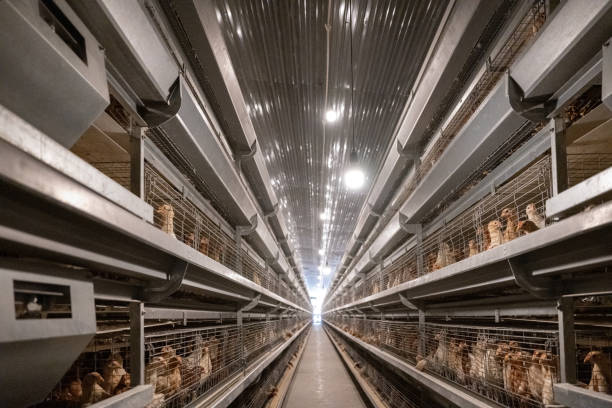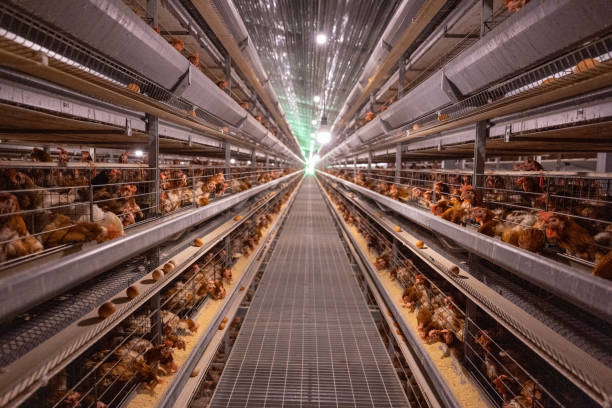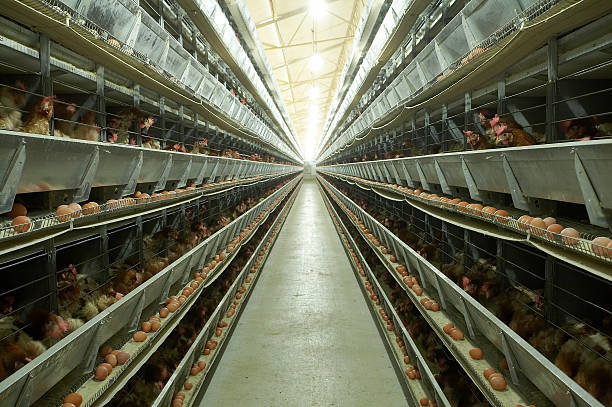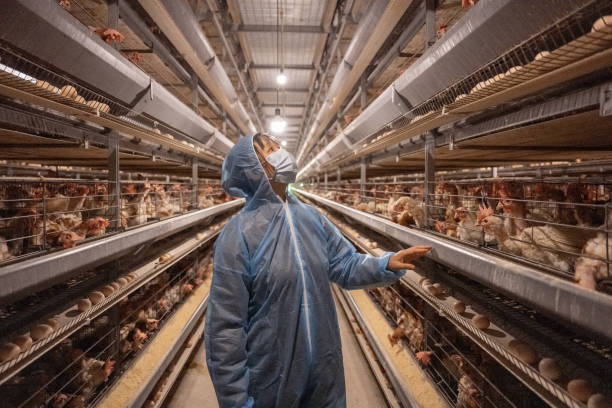

20,000 Capacity Large-Scale Chicken House for Efficient Farming
In today’s fast-paced poultry farming industry, efficiency is the key to achieving profitability and sustainability. As demand for poultry products—both eggs and meat—continues to rise, more and more farmers are looking to scale up operations. One of the most effective ways to do that is by investing in a 20,000 capacity large-scale chicken house. This kind of facility is designed with modern production models in mind, making it possible to manage thousands of birds with minimal manpower and maximum output.
A large-scale chicken house isn’t just about numbers—it’s about intelligent design, efficient resource management, and a smooth, automated workflow. From egg production to broiler growth, a 20,000-capacity system ensures that farmers can run operations more professionally and cost-effectively. Whether you’re managing a commercial egg farm or specializing in meat production, such a system provides the foundation for high-volume, low-cost farming.
Why Choose a 20,000 Chicken House?
Scaling up to a 20,000 chicken house offers farmers multiple advantages over smaller operations. First and foremost, the cost per unit drops significantly. When you house more birds in a single system, the fixed costs—like infrastructure, ventilation systems, and feeding equipment—get spread over a much larger number of animals. This means you get more output for the same or slightly higher running costs.
Labor efficiency is another major factor. With the right poultry equipment in place, a single worker can monitor and manage the entire operation from a centralized control point. Automation features like automatic feeding lines, water systems, manure removal, and climate control reduce the need for constant manual oversight, allowing you to focus on animal health and product quality.
Additionally, large-scale houses provide better control over the chicken environment. By managing factors like temperature, humidity, airflow, and light cycles more accurately, you can ensure optimal growth and productivity. This level of control helps reduce stress in birds, lowers the risk of disease outbreaks, and improves overall feed conversion rates.
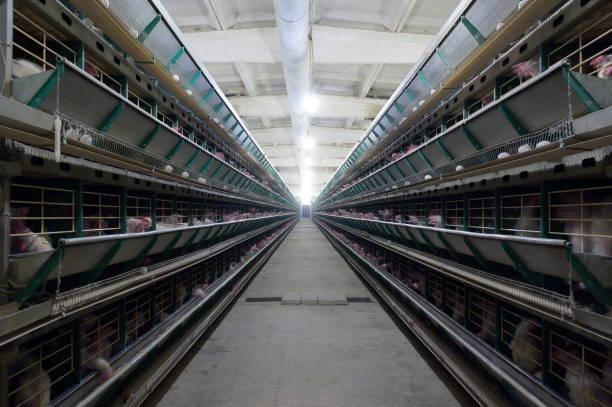
Key Components of a Modern 20,000 Chicken House
A modern large-scale chicken house doesn’t function well on size alone—it needs the right equipment and layout to optimize production. Here are the most critical components you should consider:
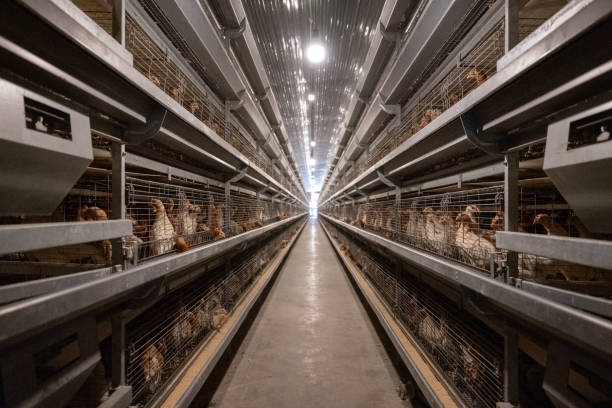
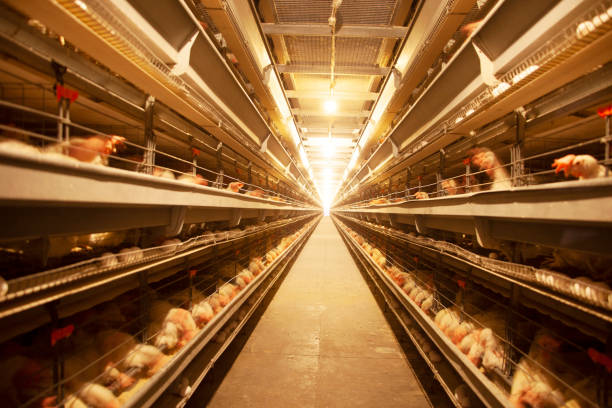
High-Density Cage Systems: Whether you’re raising layers, breeders, or broilers, choosing the right cage setup is essential. For a 20,000 capacity house, three- or four-tier cage systems maximize space and allow for easy access and maintenance. Each cage should be designed with the bird’s comfort and health in mind, including proper air circulation, adequate space, and feeding accessibility.
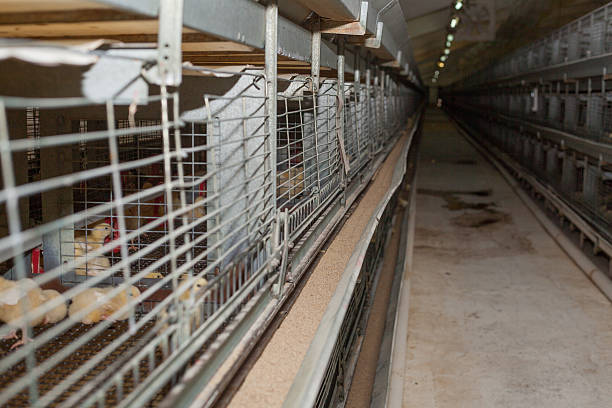
Automated Feeding Systems: Manual feeding is impractical at scale. Automatic chain feeders or belt feeding systems ensure that every chicken gets a timely and consistent feed supply, which improves growth rates and uniformity across the flock. These systems reduce feed wastage and ensure a clean, hygienic feeding process.
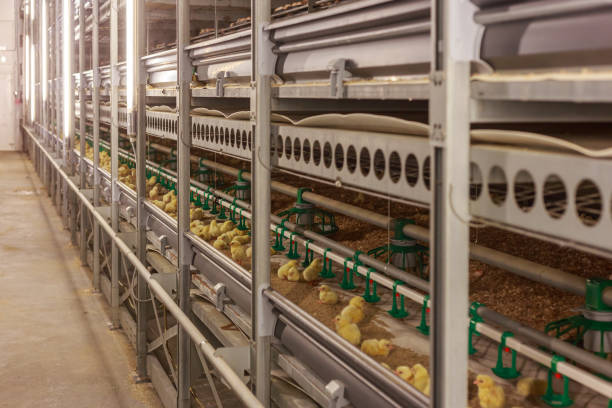
Watering Systems: Drip or nipple drinking systems are the standard for large-scale houses. They provide clean water directly to the chickens while minimizing spillage and contamination. These systems are also easier to maintain and monitor compared to traditional water pans.
Ventilation and Climate Control: Proper ventilation is vital to maintaining air quality and thermal comfort in a high-density chicken house. Cross-ventilation designs, tunnel ventilation, or combination systems with exhaust fans and cooling pads are commonly used to regulate temperature and reduce ammonia levels.
Manure Management: In a 20,000 chicken house, waste can become a major issue if not managed correctly. Automated manure scrapers or belt systems allow regular, timely removal of droppings, which not only keeps the house cleaner but also reduces the risk of disease and fly infestations. In some cases, manure can be collected and repurposed as organic fertilizer, adding another revenue stream.
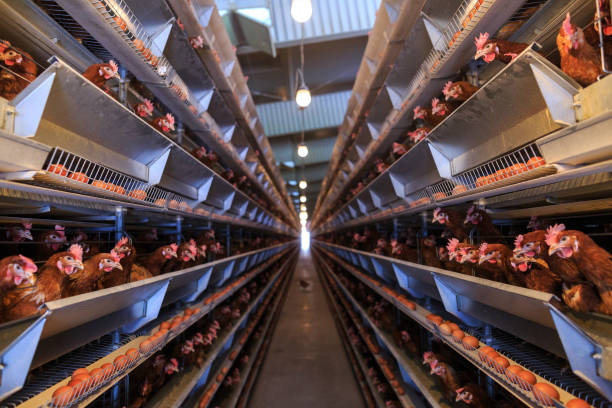
Nesting Boxes and Egg Collecting Systems (for layers): For egg production, nest boxes and centralized egg belts ensure eggs roll to a collection point without being damaged or contaminated. This boosts egg quality and reduces labor.
Planning Your 20,000 Chicken House
Building a 20,000 chicken house is a significant investment, and proper planning is crucial. The layout and design must consider local climate conditions, available space, biosecurity needs, and compliance with local laws and regulations.
Location is the first thing to consider. Ensure there is enough space with easy access to roads, power, and water sources. Proximity to markets or processing plants is a plus, especially for large-scale meat production. Environmental impact assessments might also be necessary depending on regional laws.
Next, choose the right contractor and equipment supplier. It’s better to partner with an experienced provider like Livi Machinery that offers comprehensive solutions—from farm layout planning to turnkey installation. Our engineers can customize the design based on your requirements, local conditions, and budget.
Inside the house, lighting should be optimized for both bird behavior and energy efficiency. LED lighting with programmable timers supports consistent light cycles, which encourages eating and laying habits. Proper insulation also keeps energy costs down and provides a stable indoor climate.
Biosecurity is another non-negotiable aspect. Limiting access to the farm, installing footbaths, using sealed ventilation systems, and ensuring clean water and feed practices can all reduce the risks of disease outbreaks.
Looking for High-Quality Equipment for Your Chicken House?
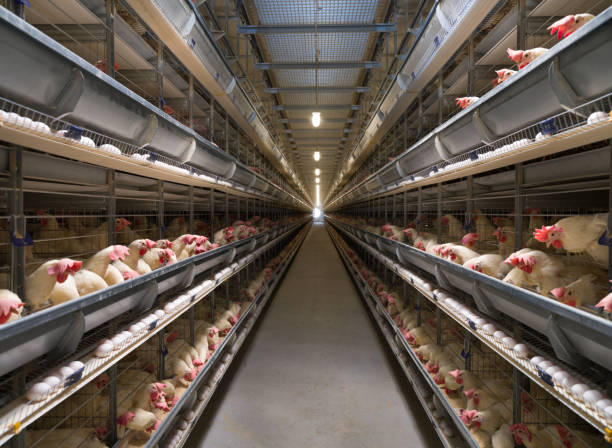
If you’re ready to take your poultry farming operation to the next level, investing in a 20,000 capacity chicken house could be the best decision you make. At Livi Machinery, we specialize in intelligent poultry equipment for efficient farming. Our comprehensive range of chicken cages, feeders, drinkers, manure systems, and climate control solutions ensure that your house operates at peak performance without unnecessary complexity.
We provide end-to-end support—from initial consultation and design to delivery and installation. Whether you own a small poultry farm looking to expand or a large agribusiness planning a new facility, our team is here to help you make the most of your investment.
Got Questions? Here are the Answers:
What types of chickens can be raised in a 20,000 chicken house?
You can raise layers, broilers, and even breeding chickens in this type of house. The cage design and equipment can be customized based on the type of birds you are keeping.
How much space is needed for a 20,000 chicken house?
The space required depends on the cage design, but a typical layout with a 3-tier cage system can fit into a building that’s about 20m x 90m, or roughly 18,000 square feet.
Is automation necessary for this scale of operation?
Yes, automatic feeding, watering, manure removal, and climate control systems are essential for managing a large chicken house efficiently and cost-effectively.
What are the major benefits of a large poultry house like this?
Benefits include reduced labor, increased productivity, better disease control, higher feed efficiency, and lower operational costs.
How much does it cost to set up a 20,000 chicken house?
Costs vary based on the level of automation, equipment quality, and location. Livi Machinery offers different configurations to meet different budgets.
Can waste from the chicken house be reused?
Yes, chicken manure can be processed into organic fertilizer for agriculture, which can create an additional income stream.
Do I need special permits to build a large chicken house?
Yes, depending on your location, you may need permits related to land use, environmental regulations, and waste management. We can recommend legal or local consultation services if needed.
How long does it take to install the equipment?
With proper planning, a complete poultry house setup can typically be completed and ready for operation within weeks.
Can Livi Machinery help me plan and design the entire farm layout?
Absolutely! We offer turnkey solutions including site design, equipment layout, and technical support to streamline your project.
What support options do you offer after installation?
We provide after-sales service, maintenance support, and replacement parts to keep your operation running smoothly long after installation.
Ready to take your poultry operation to the next level? Contact us today to learn more about how we can help you build and equip your ideal 20,000 chicken house. Let’s grow together!
Leave your contact details below and our team will connect with you to discuss your project needs, send a full equipment list, and offer a free customized plan!