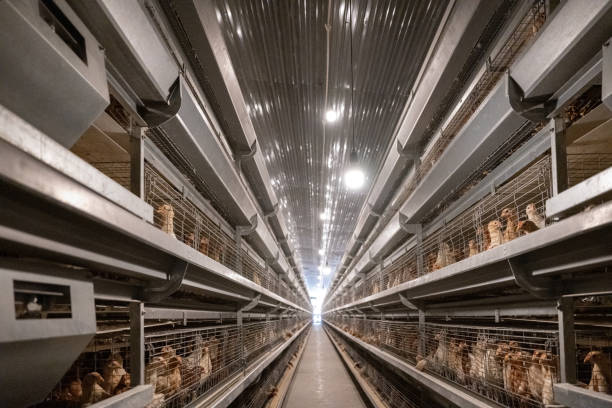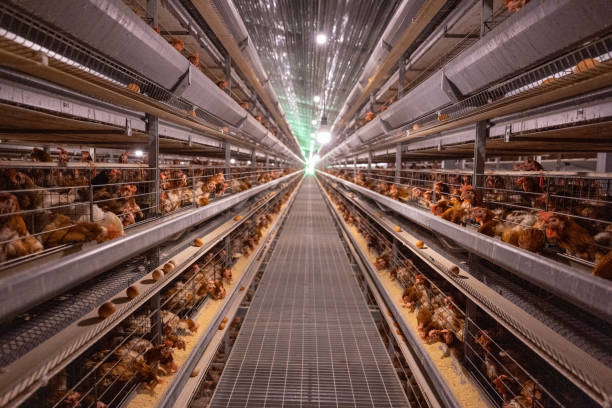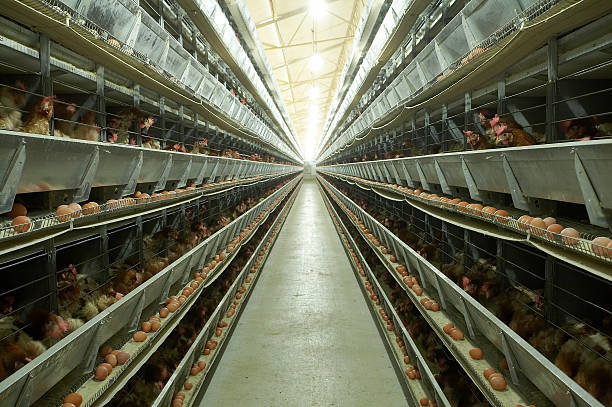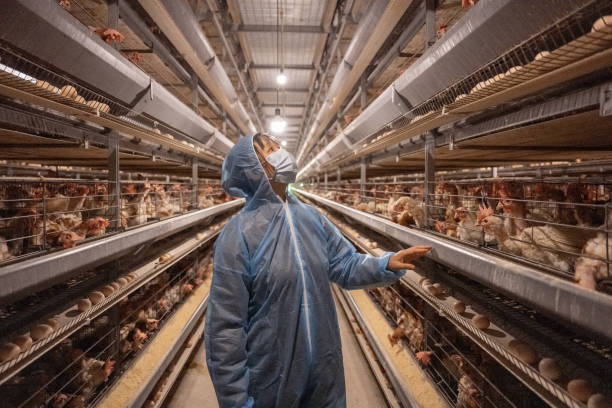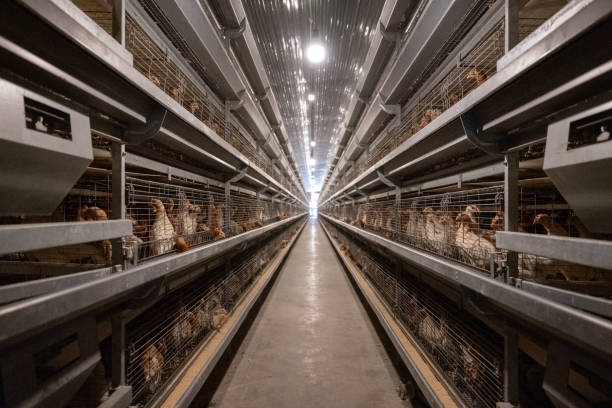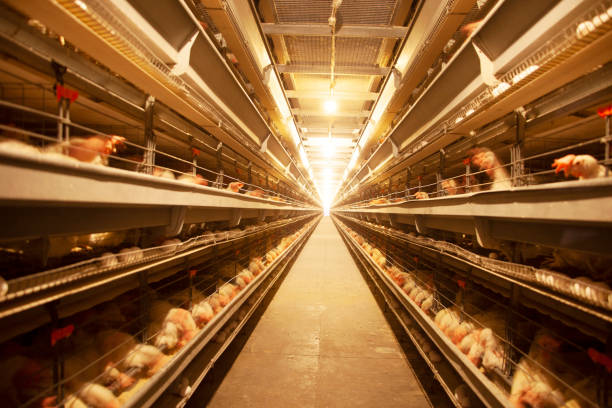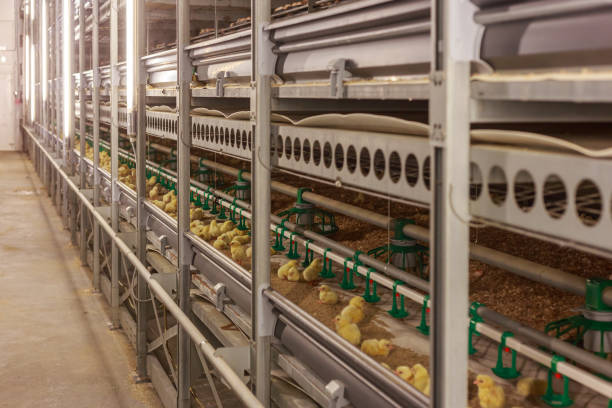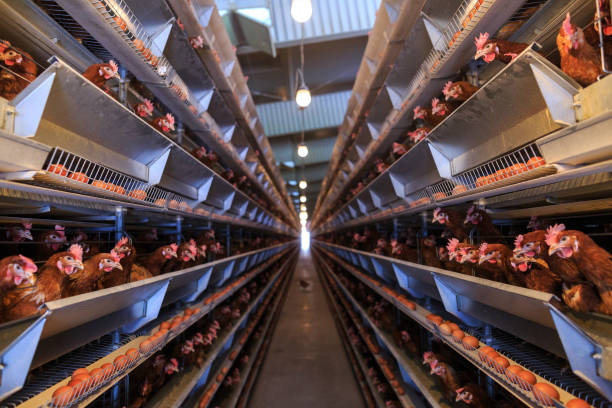

For a 25,000-layer chicken farm in Zimbabwe, the most practical solution is a semi-automatic or fully automatic H-type layer cage system combined with automatic feeding, drinking, manure removal, and egg collection equipment. This setup can significantly reduce labor requirements, improve egg quality, maximize housing capacity, and support long-term farm expansion. A properly designed poultry house can accommodate 25,000 laying hens while maintaining good ventilation and environmental control under Zimbabwe’s climatic conditions.
What Is the Best Cage System for a 25,000-Layer Farm in Zimbabwe?
Zimbabwe’s poultry industry continues to grow as demand for eggs increases in urban and rural markets. For investors planning a medium-to-large commercial layer farm, selecting the right housing and equipment system is critical for profitability.
For a 25,000-bird project, an H-type layer cage system is generally recommended because it offers:
- Higher stocking density
- Better space utilization
- Lower labor costs
- Easier flock management
- Reduced disease transmission
- Improved egg collection efficiency
Compared with traditional floor systems, modern layer cage systems allow farmers to produce more eggs per square meter while maintaining cleaner production conditions.
Why Is Zimbabwe Suitable for Commercial Egg Production?
Zimbabwe offers several advantages for layer farming projects:
Growing Egg Consumption
Urban populations in cities such as Harare and Bulawayo continue to increase demand for affordable protein sources, including eggs.
Favorable Climate
Many parts of Zimbabwe experience moderate temperatures, which are suitable for poultry production when proper ventilation systems are installed.
Expanding Commercial Farming Sector
Commercial poultry farms are increasingly adopting automated poultry equipment to improve production efficiency and reduce dependence on manual labor.
Regional Market Opportunities
Egg producers can potentially supply neighboring markets within Southern Africa, creating additional revenue opportunities.
What Equipment Is Needed for a 25,000-Layer Chicken Farm?
A complete layer farm requires more than just cages. The following equipment is typically included in a modern poultry project.
| Equipment | Function |
|---|---|
| H-type layer cages | Housing for laying hens |
| Automatic feeding system | Uniform feed distribution |
| Nipple drinking system | Clean water supply |
| Automatic manure removal system | Improved hygiene |
| Automatic egg collection system | Reduced egg breakage |
| Ventilation system | Temperature and air quality control |
| Environmental controller | Automated farm management |
| Feed silo | Bulk feed storage |
A well-integrated system reduces labor intensity and improves operational consistency throughout the production cycle.
How Should the Poultry House Be Designed for 25,000 Layers?
The poultry house design should be customized according to local land conditions, prevailing winds, electricity availability, and future expansion plans.
Recommended House Features
- Steel structure poultry house
- Hot-dip galvanized equipment
- Insulated roof system
- Tunnel ventilation design
- Cooling pads for hot seasons
- Energy-efficient exhaust fans
- Automated environmental monitoring
For Zimbabwe’s hot periods, proper airflow management is essential to prevent heat stress and maintain egg production performance.
This is why many commercial farms choose an automatic poultry farm design approach before construction begins.
H-Type or A-Type Cage: Which Is Better for 25,000 Birds?
Both systems are widely used, but the farm size often determines the most economical choice.
| Factor | A-Type Cage | H-Type Cage |
|---|---|---|
| Initial Investment | Lower | Higher |
| Labor Requirement | Moderate | Lower |
| Automation Level | Medium | High |
| Bird Density | Standard | Higher |
| Expansion Potential | Limited | Excellent |
| Long-Term Efficiency | Good | Excellent |
For a 25,000-layer commercial project, the H type layer battery cage system generally delivers better long-term returns because of its higher degree of automation and production efficiency.
How Can Automation Improve Farm Profitability?
Labor costs continue to rise in many agricultural sectors. Automation helps farmers maintain production efficiency while reducing operational expenses.
Automatic Feeding
Benefits include:
- Uniform feed distribution
- Reduced feed waste
- Consistent bird growth and production
Automatic Egg Collection
A modern automatic egg collection system can:
- Reduce egg breakage rates
- Improve egg cleanliness
- Save significant labor hours
- Increase daily collection efficiency
Automatic Manure Removal
Advantages include:
- Better air quality
- Lower ammonia levels
- Reduced disease risk
- Improved worker comfort
For medium and large operations, investing in poultry cage equipment for large farms often generates measurable savings over the life of the project.
What Investment Factors Should Zimbabwean Farmers Consider?
Before starting a 25,000-layer project, investors should evaluate several key factors.
Land Availability
Ensure sufficient space for:
- Poultry houses
- Feed storage
- Manure management
- Future expansion
Electricity Supply
Reliable power is important for:
- Ventilation fans
- Feeding systems
- Egg collection equipment
- Environmental control systems
Where power interruptions occur, backup generators are highly recommended.
Feed Costs
Feed represents the largest operating expense in layer production. Efficient feed management and storage systems can significantly improve profitability.
Future Expansion
Many successful farms begin with 25,000 birds and later expand to 50,000 or more layers. Planning for expansion during the initial design stage can reduce future construction costs.
Why Choose a Customized Layer Chicken Cage Solution?
Every poultry farm faces unique challenges related to climate, budget, land size, labor availability, and production goals.
A customized layer chicken cage solution typically includes:
- Poultry house layout drawings
- Equipment configuration planning
- Ventilation system design
- Installation guidance
- Transportation arrangements
- Technical support after installation
Rather than purchasing individual equipment items separately, an integrated solution helps avoid compatibility issues and construction delays.
Conclusion
A 25,000-layer chicken farm in Zimbabwe represents an attractive investment opportunity when supported by proper housing design and automated poultry equipment. An H-type layer cage system combined with feeding, drinking, manure removal, egg collection, and environmental control equipment can help maximize production efficiency while reducing labor requirements.
Careful planning of poultry house layout, ventilation, power supply, and future expansion will create a stronger foundation for long-term profitability.
FAQ
How many poultry houses are needed for 25,000 laying hens?
The exact number depends on the cage configuration and house dimensions. In most cases, one properly designed poultry house with an H-type cage system can accommodate approximately 25,000 layers.
Is an H-type cage system suitable for Zimbabwe’s climate?
Yes. When combined with proper ventilation fans, cooling pads, and environmental controls, H-type systems perform well under Zimbabwean weather conditions.
How much labor is required for a 25,000-layer farm?
A fully automated system can significantly reduce labor requirements compared with traditional floor rearing systems, improving management efficiency.
Can the farm be expanded in the future?
Yes. Most commercial farms are designed with future expansion in mind, allowing additional poultry houses or cage rows to be added later.
What is the lifespan of hot-dip galvanized poultry cages?
High-quality hot-dip galvanized cages typically last 15–20 years or more under proper management conditions.