
Poultry Farming Equipment Cost & For Sale
When it comes to building or upgrading a poultry farm, one of the most important decisions you’ll make is selecting the right equipment — not just what works best for your chickens, but also what fits your budget and long-term goals. Whether you’re starting a small backyard setup or managing a large commercial operation, understanding poultry farming equipment cost and where to buy quality solutions is key to your success. In this article, we’ll take a close look at the various types of equipment needed in modern poultry farming, break down the costs involved, and help you find reliable suppliers who offer durable, high-performing gear that won’t break the bank.
Why Quality Poultry Equipment Matters – More Than Just Price Tag
Let’s be honest — when you’re budgeting for your farm, price is usually the first thing on your mind. But here’s something experienced farmers already know: cheap equipment often ends up costing more in the long run. Poorly built cages, outdated feeding systems, or unreliable incubators can lead to higher mortality rates, lower egg production, wasted feed, and frequent repairs. That’s why investing in well-designed, durable poultry farming equipment makes financial sense over time.
Take automatic feeding systems, for example. Yes, they cost more upfront than manual trays, but think about how much labor they save. One automated system can handle feeding for thousands of birds with minimal human input — reducing labor costs by up to 40%. And because feed is delivered consistently and without spillage, you’ll see less waste and better weight gain in meat birds. The same goes for climate-controlled ventilation systems. While basic fans are cheaper, smart ventilation units with temperature sensors help maintain ideal conditions year-round, which keeps your flock healthy and productive even during hot summers or cold winters.
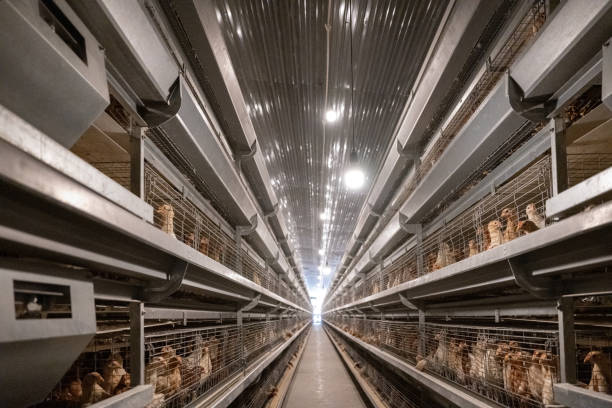
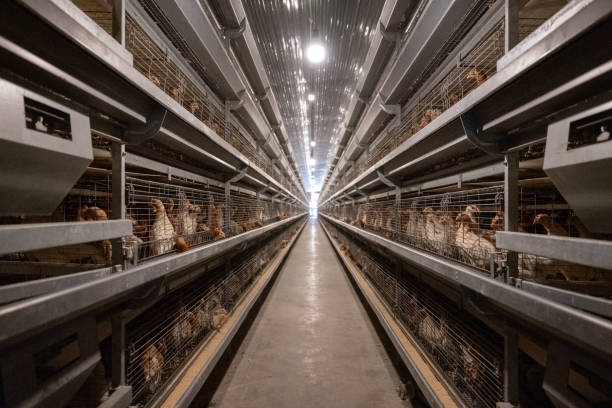
Then there’s the cage system itself — perhaps the biggest investment in any poultry setup. A well-constructed chicken cage made from galvanized steel will last 10–15 years with little maintenance. On the other hand, low-quality wire cages may rust within two to three years, requiring full replacement. So when comparing prices, ask yourself: am I paying for a short-term fix or a long-term solution? At Livi Machinery, we design all our poultry equipment with durability, efficiency, and scalability in mind, helping farmers maximize ROI while minimizing downtime.
Breaking Down the Costs: What You Can Expect to Pay
So, let’s talk numbers. How much does poultry farming equipment actually cost?
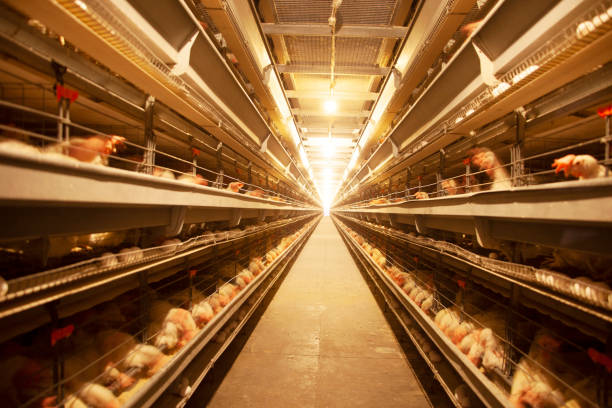
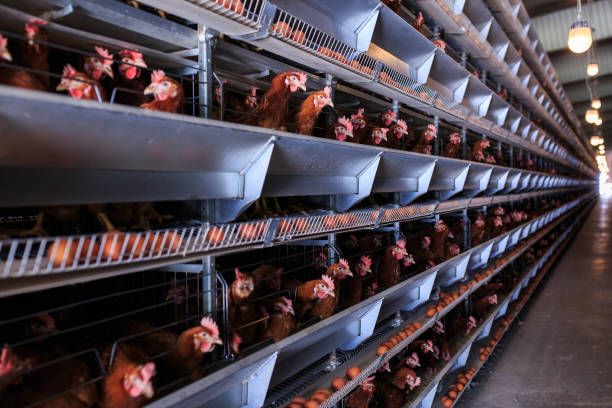
Starting with broiler (meat chicken) cages — prices typically range from $8 to $14 per bird space depending on size and features. For a medium-sized farm housing 10,000 birds, that translates into roughly $80,000–$140,000. Cage systems are usually sold in tiers — three- or four-tier models being the most common — and include accessories like manure belts, feed troughs, and drinkers. If you opt for automation, add another $15,000–$30,000 for auto-feeders and water lines.
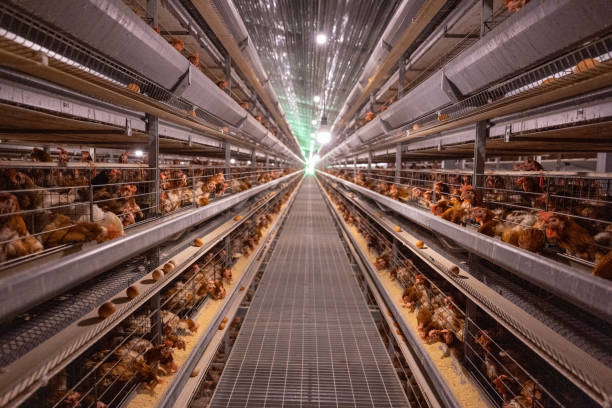
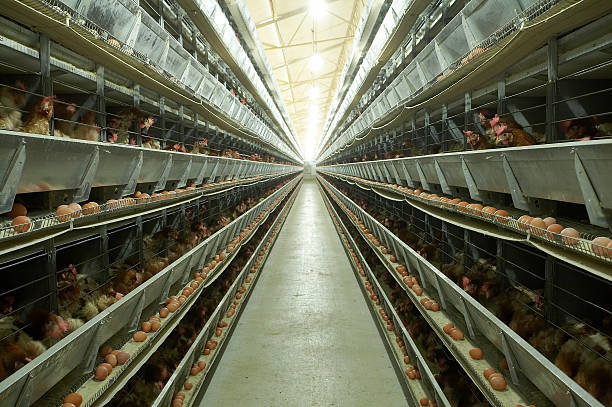
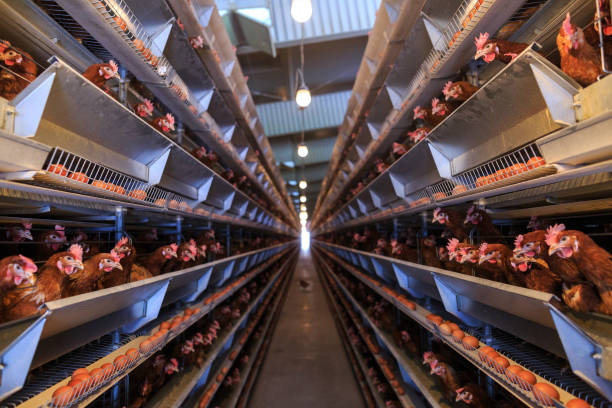
Egg-laying hens need different setups — namely layer cages designed for comfort and easy egg collection. These tend to cost slightly more, around $10–$16 per hen spot, due to added features like sloped floors for egg rolling and individual nesting areas. Again, automation options such as automatic egg collection belts can increase initial costs but significantly reduce daily labor.
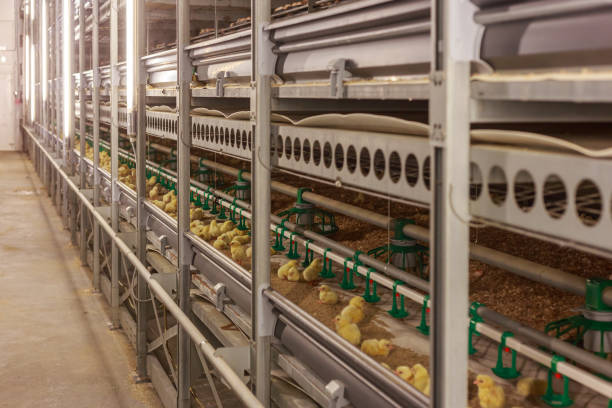
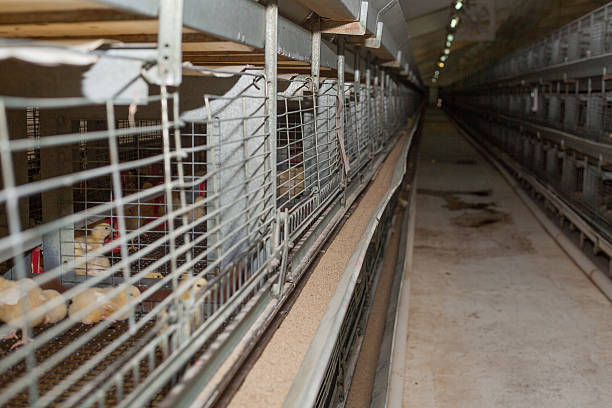
Chick brooding is another major phase. Brooder cages for chicks (0–6 weeks old) are smaller and require extra heating and protection. A complete starter kit — including cage, heater, feeder, drinker — can cost between $2,000 and $5,000 for every 1,000 chicks. Some newer farms skip brooders entirely and use floor rearing under controlled conditions, though this demands strict biosecurity and more hands-on management.
Incubators vary widely based on capacity. Small-scale hatchers (handling 1,000–3,000 eggs) start around $1,500, while industrial models capable of processing over 20,000 eggs at once can go well above $15,000. Most modern ones come with humidity control, automatic turning, and digital monitoring — essential if you plan to hatch at scale.
Feeding and watering systems, whether manual or automatic, represent ongoing costs too. Manual systems are cheaper ($0.50–$1 per bird) but inefficient. Automatic chain-feeders and Nipple watering systems cost $1.50–$3 per bird but pay for themselves in reduced labor and feed loss.
Don’t forget supporting infrastructure: lighting controls, ventilation fans, cooling pads, and waste removal systems. When fully equipped, a turnkey poultry house setup can range from $3 to $6 per bird space. So, for a 20,000-bird facility, expect total equipment costs between $60,000 and $120,000 — depending on automation level and regional material prices.
Where to Buy Reliable Poultry Equipment — And Save Money
Now that you know what’s out there and what it costs, where should you actually buy your equipment?
Many farmers turn to online marketplaces or local dealers, but quality varies dramatically. Some suppliers source from multiple factories with inconsistent standards, leading to mismatched parts, poor welds, or weak coatings that rust quickly. Others offer attractive prices but provide zero after-sales support — meaning if something breaks, you’re on your own.
This is where working directly with a proven manufacturer like Livi Machinery makes a real difference. We’ve been designing and building poultry farming solutions since 2012, with installations across Africa, Southeast Asia, South America, and Eastern Europe. Our entire product line — from chick brooder cages to multi-layer laying systems — is engineered to withstand tough farming environments while maximizing productivity.
And yes, we sell direct. That means no middlemen markups, better customization options, and competitive pricing. Plus, we don’t just ship boxes — we offer full project support: site assessment, layout planning, installation guidance, training, and 24/7 technical assistance. Need a system tailored for tropical climates? Done. Want solar-powered ventilation integration? We can do that too.
We also offer flexible payment terms and container loading services for international buyers, making global shipping hassle-free. Whether you’re ordering $10,000 worth of equipment or filling an entire 40-foot container, we ensure every piece is packed securely and documented clearly.
Better yet, we regularly run seasonal promotions and bulk discounts — especially for farms expanding operations or governments launching rural agriculture programs. By signing up for our newsletter or contacting our sales team early in your planning stage, you could save thousands off your total setup cost.
Make the Smart Move — Contact Us Today
Choosing the right poultry farming equipment isn’t just about finding the cheapest option — it’s about building a sustainable, profitable business. With the rising demand for eggs and chicken worldwide, now is the perfect time to invest in smart, efficient technology that scales with your ambitions.
At Livi Machinery, we believe every farmer deserves access to high-quality, affordable equipment — no matter where you’re located. Our mission is simple: help you raise healthier birds, work smarter, and earn more. From our durable galvanized cages to our advanced automated systems, everything we build is tested under real farm conditions.
If you’re ready to get accurate pricing, request a free design plan, or speak with one of our experts about your specific needs, drop us a message today. Tell us your farm size, type of birds, and country, and we’ll send back a detailed quote along with recommended configurations. Join hundreds of satisfied customers who’ve upgraded their farms with Livi — and never look back.
Got Questions? We’ve Got Answers.
What type of poultry equipment do I need to start a small farm?
For a small-scale operation, you’ll typically need cages or pens, feeders, drinkers, a brooder heater for chicks, and basic ventilation. As you grow, consider adding automatic feeders, egg collection systems, or nest boxes.
Are automatic systems worth the investment?
Absolutely — especially if you have 5,000+ birds. Automation reduces labor, ensures consistent feeding/watering, and improves overall flock health and output.
How long do chicken cages last?
High-quality galvanized steel cages last 10–15 years. Cheaper materials may corrode or warp in 2–3 years.
Can I customize the cage size?
Yes! We design cages based on your barn dimensions, bird type, and desired density. Customization ensures maximum space utilization.
Do you ship internationally?
Yes, we export to over 50 countries. We handle packaging, documentation, and logistics coordination.
Is installation support available?
We provide detailed setup guides, videos, and remote assistance. For large projects, we can arrange on-site technician visits.
How soon can I receive my order?
Standard orders ship within 15–20 days after confirmation. Custom builds may take 25–35 days.
What’s included in after-sales service?
We offer lifetime technical advice, spare parts supply, troubleshooting help, and design upgrades as your farm grows.
Can I visit your factory before buying?
Of course! We welcome visitors to our manufacturing facility in Zhengzhou, China. Let us know in advance and we’ll schedule a tour.
Do you offer financing or payment plans?
We accept T/T, L/C, and offer partial payment options for qualified buyers. Talk to our sales team for more details.