
Layer Chicken Cages in Nigeria – Efficient Egg Farm Solutions
Nigeria’s poultry industry has been growing rapidly over the past decade, driven by increasing demand for protein-rich foods and a rising population. Among the most profitable segments of this sector is egg production, where layer chicken farming plays a crucial role. However, traditional free-range or backyard systems often struggle to meet modern efficiency, hygiene, and scalability standards. This is where layer chicken cages in Nigeria come into the picture as a game-changing solution for farmers aiming to maximize productivity while minimizing labor and resource waste.
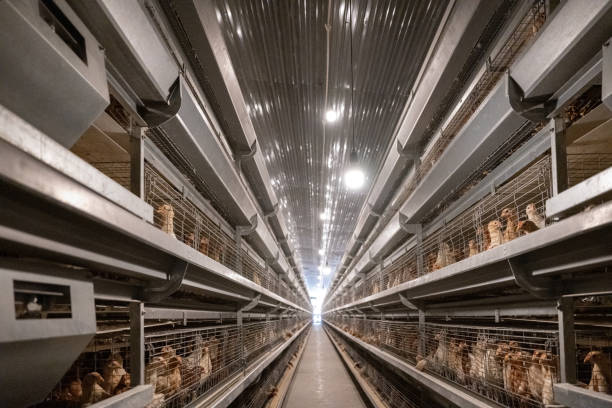
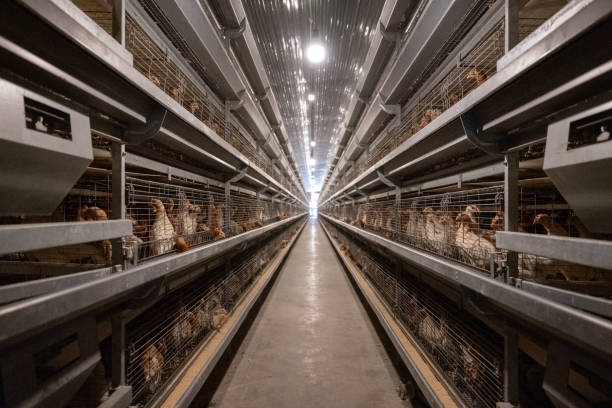
Layer chicken cages are specially designed housing units that provide a controlled environment for laying hens throughout their productive cycle. These systems allow for better space utilization, improved disease control, easier egg collection, and more accurate monitoring of feed and water consumption. In countries like Nigeria, where land and skilled labor can be limited, adopting modern cage systems isn’t just an upgrade—it’s a strategic necessity for sustainable growth in commercial egg farming.
Why Layer Chicken Cages Are Perfect for Nigerian Farms
One of the biggest advantages of using layer chicken cages in Nigeria is how well they adapt to different farm sizes and conditions. Whether you’re running a small-scale startup operation or managing a large commercial poultry facility, these cage systems can be customized to suit your needs. The modular design allows for easy expansion as your flock grows, which means you don’t have to overhaul your entire infrastructure every time you want to scale up.
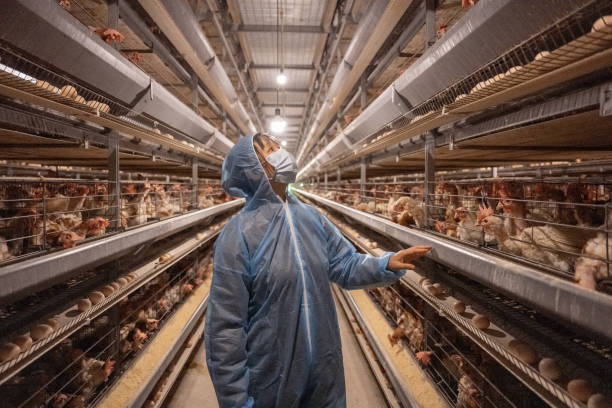
Another major benefit is biosecurity. Open-air or floor-based systems expose birds to parasites, predators, and infectious diseases like Newcastle disease and avian influenza—common threats in tropical climates like Nigeria’s. With layer cages, chickens are elevated off the ground, reducing contact with feces and damp litter that harbor bacteria and pathogens. Many modern cages also come equipped with automated feeding, watering, and manure removal systems, further enhancing sanitation and lowering the risk of disease outbreaks.
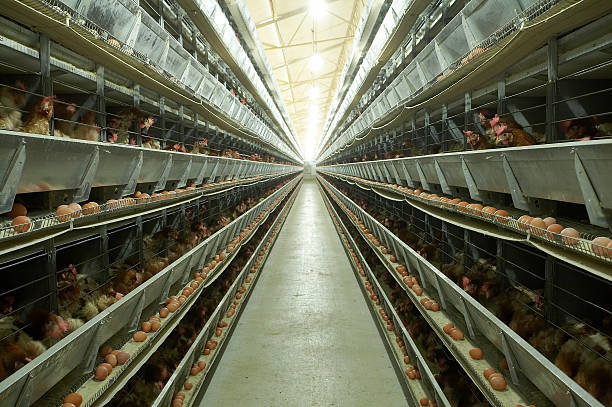
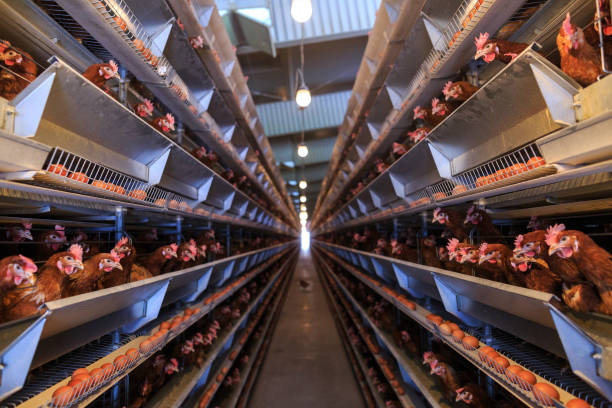
From an economic standpoint, layer chicken cages help reduce feed wastage and improve feed conversion ratios (FCR). Since each bird has its own designated space and access point to food and water, there’s less competition and bullying among hens—a common cause of stress and reduced egg output. Automated egg collection trays make gathering eggs faster, cleaner, and safer, significantly cutting down on breakage and contamination rates.
Moreover, proper ventilation and temperature control built into quality cage designs help maintain optimal laying conditions even during Nigeria’s hot and humid seasons. This kind of environmental stability translates directly into consistent egg production, healthier birds, and higher profits over time.
Choosing the Right Type of Layer Cage System for Your Farm
Not all layer chicken cages are created equal. Depending on your goals, budget, and available labor, there are several configurations to consider before making a purchase:
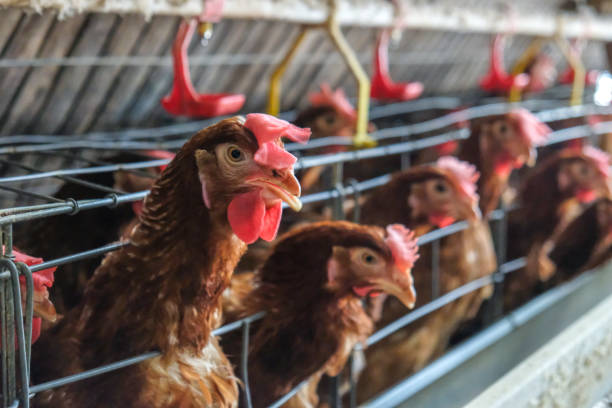
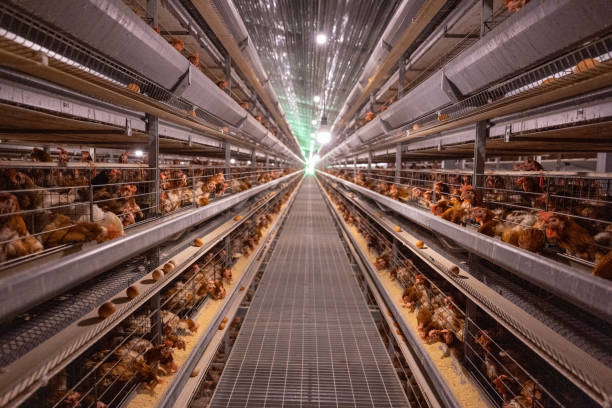
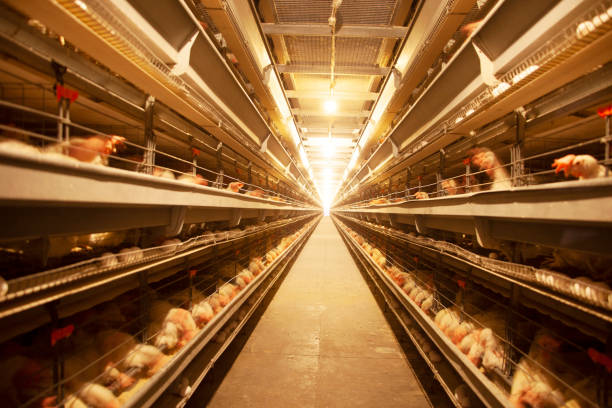
Battery cage systems are the most common choice for intensive commercial farms. They consist of stacked rows of small, wire-mesh enclosures that maximize space usage and simplify management tasks. While efficient, they do require careful planning around stocking density and bird welfare regulations if exporting to certain markets.
Enriched colony cages offer more room per hen and include features like perches, nesting areas, and scratching zones. These are ideal for farms targeting premium or organic egg labels, especially those looking to export to international buyers who prioritize animal welfare standards.
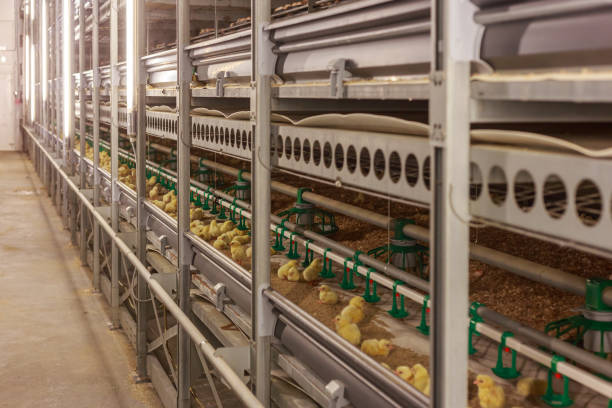
Semi-automatic and fully automatic systems differ mainly in labor requirements. A fully automated setup includes automatic feeding belts, drinker lines, manure belts, and egg conveyor belts—ideal for large operations aiming to minimize human intervention. Semi-automatic versions still save significant time and resources but may need workers to assist with some daily functions.
When selecting a supplier for layer chicken cages in Nigeria, it’s essential to choose a manufacturer that understands local climate challenges and operational constraints. For example, galvanized steel construction ensures durability against moisture and corrosion—critical in high-humidity regions. At Livi Mechanical, we design our cages with reinforced frames, anti-rust coatings, and customizable layouts tailored to Nigerian barn dimensions and ventilation patterns.
We’ve helped dozens of Nigerian farms transition from scattered backyard setups to organized, high-output facilities with structured cage systems. Our clients report not only increased egg yields but also lower mortality rates and easier compliance with health inspections.
Maximizing Profitability and Sustainability with Smart Layer Housing
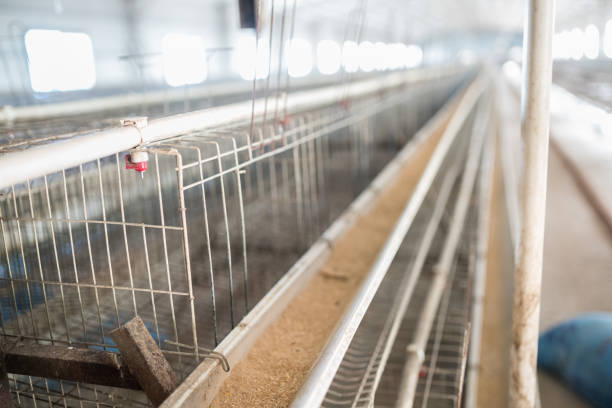
Beyond just improving physical housing, investing in advanced layer chicken cages opens doors to smarter farm management. When combined with digital tools like sensors for temperature, humidity, and egg counting, you gain real-time insights into your operation. Some modern systems even integrate with mobile apps, allowing farmers to monitor performance remotely and respond quickly to any issues.
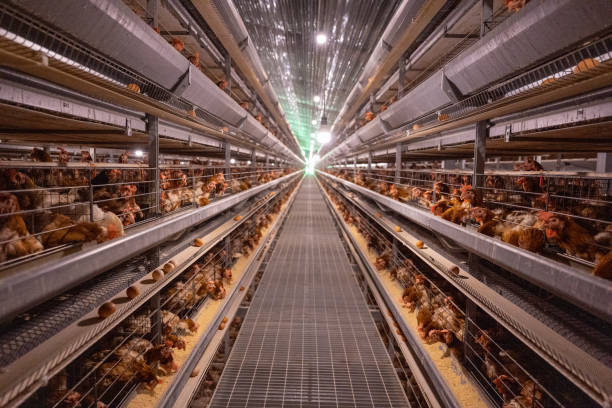
Let’s talk numbers: a typical deep-litter system might support 5–6 hens per square meter with moderate egg output and frequent cleaning labor. In contrast, a well-designed battery cage system can comfortably house 12–15 hens in the same area, boost average egg production by 10%–15%, cut labor costs by over 40%, and extend the productive life of each bird due to reduced stress and better health monitoring.
For Nigerian entrepreneurs entering or expanding in the poultry business, such efficiency gains can mean the difference between marginal returns and strong profitability. And because properly installed cage systems last 10–15 years with minimal maintenance, the long-term return on investment is highly favorable.
But success doesn’t stop at hardware. We believe that true value comes from end-to-end support—from helping you plan your shed layout, calculate required capacity, select compatible feeding systems, and train staff on daily operations. That’s why Livi provides full-service guidance, including site assessment, engineering drawings, installation supervision, and after-sales service. Whether your farm is in Lagos, Kaduna, Kano, or Port Harcourt, we ensure smooth implementation no matter the location.
Ready to Upgrade Your Egg Farm? Let’s Talk!
If you’re serious about building a profitable, modern egg production business in Nigeria, layer chicken cages are not just an option—they’re the foundation of tomorrow’s smart poultry farms. Don’t let outdated methods hold back your potential. Whether you’re starting fresh or upgrading an existing facility, now is the perfect time to invest in durable, efficient, and scalable cage solutions backed by expert support.
We’d love to hear about your project. Tell us your farm size, target output, and current challenges, and we’ll craft a personalized cage system proposal that fits your goals—and your budget. Reach out today by leaving your name, phone number, and location, and one of our specialists will get back to you within 24 hours with practical next steps.
Let’s build the future of Nigerian poultry—together.
Frequently Asked Questions (FAQ)
What are layer chicken cages?
Layer chicken cages are metal enclosures designed to house laying hens in a clean, organized, and space-efficient way. They usually come in multi-tier systems and include features like feeding troughs, watering lines, sloped floors for egg rolling, and manure collection trays.
Are layer cages suitable for small farms in Nigeria?
Yes, absolutely. Even smaller farms benefit from layer cages because they make feeding, cleaning, and egg collection easier. We offer compact and scalable models perfect for backyard entrepreneurs or semi-commercial farms.
How many hens can fit in one cage?
It depends on the design, but standard cages typically accommodate 4 to 8 hens per unit. Colony systems can hold 20 or more birds with shared amenities like nests and perches. We always recommend following welfare guidelines to avoid overcrowding.
Can I automate my layer cage system?
Definitely. You can add automation step by step—start with automatic drinkers and feeders, then later include manure belts and egg conveyors. Full automation reduces labor costs significantly and improves consistency across large flocks.
Do layer cages affect egg quality?
Not negatively—in fact, they often improve it. Eggs laid in cages roll gently onto clean collection trays, so they stay spotless and unbroken. Less exposure to dirt and droppings also means safer, more marketable eggs.
How long do chicken cages last?
With proper maintenance, high-quality galvanized cages last between 10 to 15 years. Ours are built with thick steel and anti-corrosion treatment to withstand tough Nigerian weather conditions.
Is installation included when I buy from Livi?
We provide detailed installation guides and technical support. On request, we can send experienced technicians to supervise setup and train your team, ensuring everything runs smoothly from day one.
Can I customize the cage size?
Yes. We offer custom sizing based on your poultry house dimensions and production targets. Whether you need narrow units for tight spaces or extra-tall tiers for better airflow, we can adjust accordingly.
Do you ship to all parts of Nigeria?
Yes, we deliver nationwide—from Abuja and Enugu to Sokoto and Maiduguri. We work with reliable logistics partners to ensure safe and timely delivery, even to remote areas.
What makes Livi’s cages better than local options?
Our cages use industrial-grade materials, precision welding, and tested designs that balance cost, durability, and bird comfort. Unlike many local fabricators, we incorporate international best practices and offer post-sale service—something that truly adds long-term value for farmers.