
Best Improved Kienyeji Chicken Cages in Kenya
When it comes to poultry farming in Kenya, one thing is clear — the demand for kienyeji (indigenous) chicken is on the rise. Not only are consumers turning back to this traditional source of protein for its taste and nutritional value, but more farmers are realizing the economic potential of raising kienyeji chickens. However, while these birds are hardy and well-suited to local conditions, traditional rearing methods often limit productivity and expose flocks to disease and predation. That’s where improved kienyeji chicken cages come in — and they’re changing the game for small and medium-scale poultry farmers across Kenya.
At Livi Mechanical Manufacturing, we’ve spent over a decade perfecting poultry housing solutions that work in African climates and farming realities. Based in Zhengzhou, China, our team designs durable, smart, and cost-effective poultry equipment tailored to real-world needs. We’ve partnered with distributors and farmers across East Africa to deliver custom-designed kienyeji chicken cages that improve survival rates, optimize space, reduce feed waste, and ultimately increase profitability. If you’re a Kenyan farmer looking to modernize your kienyeji chicken setup, here’s why the latest generation of improved cages might be exactly what you need.
Why Improved Cages Are a Game-Changer for Kienyeji Chicken Farming
You might be wondering: if kienyeji chickens thrive in free-range systems, why cage them at all? The truth is, while free-ranging has its benefits, it also comes with major drawbacks — scavenging leads to inconsistent feeding, high chick mortality, disease exposure from wild birds, and loss to predators like mongooses and snakes. Many farmers report losing up to 60% of their chicks before maturity when using open systems.
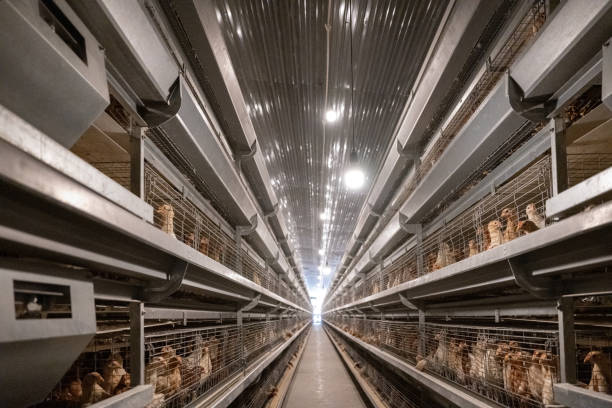
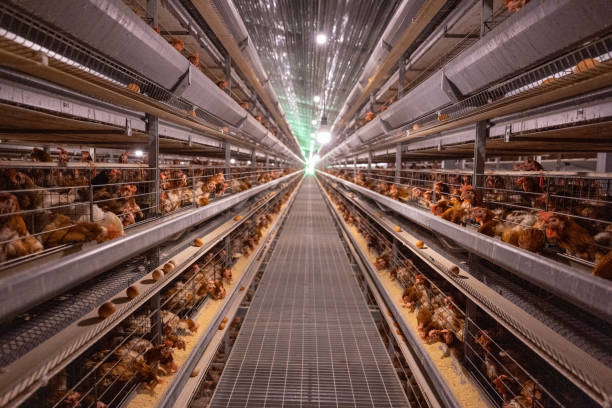
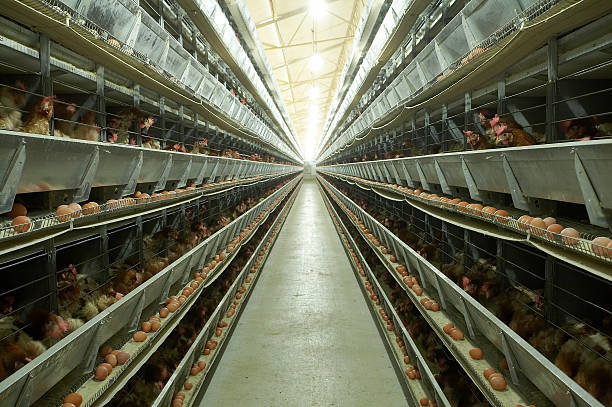
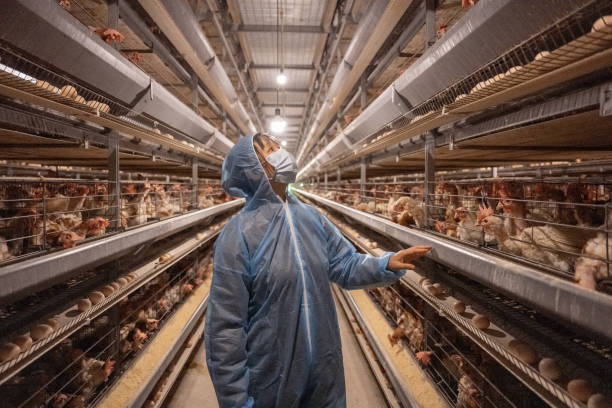
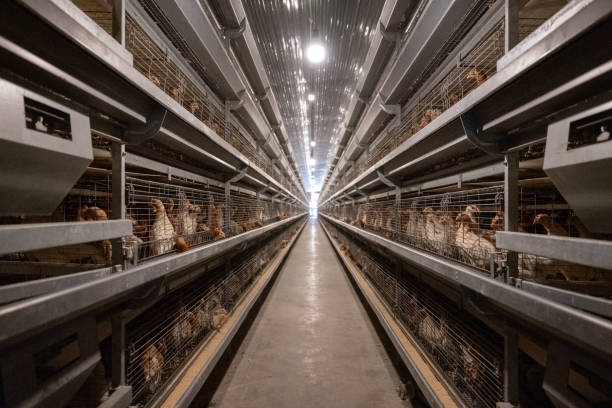
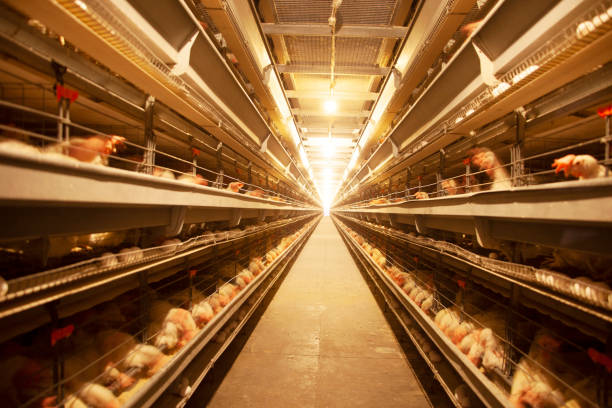
Improved kienyeji chicken cages solve these problems without compromising the health or natural behavior of the birds. These aren’t the flimsy, wire-mesh boxes you might remember from a decade ago. Today’s upgraded models are designed with thoughtful features like proper ventilation, easy-cleaning trays, raised mesh floors to prevent contact with droppings, and anti-rust coatings that withstand humid or rainy environments. Some even incorporate modular sections that allow birds to be separated by age or purpose — layers from growers, males from females.
One of the biggest improvements is in cage layout and material strength. Farmers used to struggle with cages that bent under weight or rusted within a year. Our new-generation kienyeji cages use galvanized iron or hot-dipped zinc-coated steel, which can last over 10 years with minimal maintenance. This durability means lower long-term costs and better ROI. And because the cages are stackable, you can fit two or three times as many birds in the same space — crucial for urban or peri-urban farmers with limited land.
Smart Design Features That Boost Productivity
Modern kienyeji chicken cages are no longer basic enclosures — they’re engineered systems designed to support efficient, hygienic, and stress-free farming. Let’s break down some of the smart design upgrades that are making a real difference in Kenyan farms.
First, consider ventilation and airflow. Poor air circulation is a silent killer in poultry houses. It leads to ammonia buildup, respiratory issues, and reduced egg production. Improved cages now feature side and top mesh panels that promote cross-ventilation while still protecting birds from dust and pests. In hotter regions like Nakuru or Mombasa, this helps keep birds cool during midday heat — reducing heat stress and maintaining consistent laying cycles.
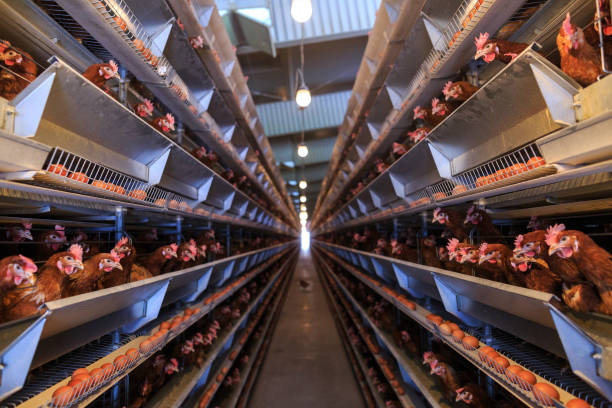
Second, automatic feeding and watering systems are being integrated into cage rows. While this might sound high-tech, even simple gravity-fed drinkers and troughs mounted outside the cage save massive amounts of time. One farmer in Kiambu shared that switching to automated feeders cut his daily labor from two hours to 20 minutes. Less handling also means less disturbance for the birds, leading to calmer flocks and better growth.
Another key innovation is the removable dropping tray. Older cages let waste fall directly to the ground, creating a breeding ground for parasites and requiring daily raking. With trays underneath each level, droppings can be collected every few days and used as organic fertilizer — turning waste into income. Plus, cleaner coops mean healthier birds and fewer vet bills.
And let’s not overlook ergonomics. Taller gateways, smooth weld points, and easier access for cleaning help prevent injuries and make routine checks faster. For older farmers or those managing large flocks, these small details add up to big gains in comfort and efficiency.
How to Choose the Right Cage for Your Farm
With so many options flooding the market, how do you pick the best improved kienyeji chicken cage? Here are a few practical tips from our experience working with Kenyan clients.
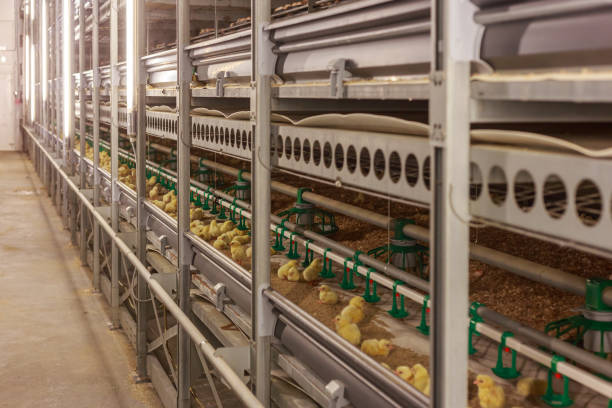
Start by assessing your goals. Are you raising kienyeji chickens mainly for eggs, meat, or breeding? If it’s for egg production, cages with nesting boxes built into the design make collection easier. For brooding, look for starter cages with finer mesh to protect fragile chicks and temperature regulation features like shaded roofs.
Next, consider scalability. Will you expand in the next 1–2 years? Modular cages that can be linked together give you room to grow without replacing your entire system. At Livi, we offer customizable cage sets — whether you’re starting with 50 birds or planning for 2,000, we can design a layout that fits your shed and future plans.

Also, pay attention to after-sales support. A reliable supplier should offer installation guidance, spare parts, and technical advice. We’ve seen too many farmers buy cheap cages online, only to struggle with broken rods and missing connectors months later. Investing a little more upfront for quality pays off in durability and service.
Finally, don’t underestimate the importance of local adaptation. A cage that works in cold European climates may not suit Nairobi’s mix of sun, rain, and dust. Look for suppliers who understand Kenyan weather patterns and adjust materials accordingly — such as powder-coated frames to resist rust or UV-resistant plastic components.
Ready to Upgrade Your Kienyeji Chicken Setup?
If you’ve been frustrated with low chick survival, inconsistent egg yields, or endless cleaning, now is the perfect time to switch to an improved kienyeji chicken cage system. The newest designs blend durability, functionality, and smart farming principles to help you get the most out of your birds — safely, sustainably, and profitably.
At Livi Mechanical Manufacturing, we’re passionate about empowering African farmers with tools that truly work. Whether you’re in Kisumu, Eldoret, or Machakos, we can ship high-quality poultry cages directly to your location, along with detailed setup instructions and ongoing support. Don’t just take our word for it — hundreds of Kenyan farmers have already upgraded their operations with our systems and seen real results.
If you’d like to see photos, pricing, or a custom quote for your farm size, drop us a message today. Tell us how many birds you plan to raise, your location, and your main goal (egg production, meat, or breeding), and we’ll send you a tailored solution. Let’s build a smarter kienyeji chicken farm together — reach out now and start your upgrade journey.
Frequently Asked Questions
What makes improved kienyeji chicken cages different from traditional ones?
Improved cages use stronger materials, better ventilation, anti-rust coatings, and smart features like dropping trays and automatic feeders. They’re designed to boost hygiene, reduce labor, and improve bird health compared to basic homemade pens.
Can I use these cages for both chicks and adult kienyeji chickens?
Yes! Many improved cages come in multi-tier or modular systems that let you separate birds by age. Starter units have finer mesh for chicks, while larger compartments accommodate adults.
Are these cages suitable for free-range hybrid systems?
Absolutely. Many farmers use cages for night-time safety and brooding, then let birds range during the day. This “semi-intensive” approach combines the best of both worlds.

How long do these cages last?
With proper care, high-quality galvanized or zinc-coated cages can last 10–15 years. Unlike old wire cages, they resist rust and bending, even in rainy areas.
Do you offer delivery to rural areas in Kenya?
Yes, we work with logistics partners to deliver chicken cages to major towns and rural locations across Kenya. Shipping costs depend on order size and destination.
Can I customize cage size and layout?
Definitely. We design cages based on your bird count, available space, and farming goals. Whether you need 10 units or 100, we can tailor the setup.
Do the cages come with feeders and waterers?
Standard packages include basic mounting points, and we can include automatic feeders and drinkers as add-ons depending on your budget and needs.
How do improved cages affect egg production?
Healthier, less-stressed birds lay more consistently. Better hygiene and protection from predators mean fewer lost eggs and higher survival rates overall.

Is installation difficult?
Not at all. Most cages come pre-assembled or in easy-to-connect panels. We provide step-by-step guides and can assist via video call if needed.
Can I use chicken manure from the trays as fertilizer?
Yes — and it’s highly effective! The collected dry droppings are rich in nitrogen and make excellent organic compost for crops or vegetables.