
Kuroiler Chicken Farming Solutions for Kenya
Kenya’s poultry sector has seen remarkable growth over the past decade, especially with the rising demand for protein-rich food and affordable livestock farming options. Among various breeds that have gained popularity, Kuroiler chickens stand out — not just because of their high egg and meat yield, but also due to their adaptability to local conditions. For smallholder farmers and medium-scale producers alike, Kuroiler chicken farming offers a profitable opportunity. But success doesn’t come from just having the right breed — it requires the proper infrastructure, management practices, and long-term planning. That’s where smart, reliable farming solutions come in. At Livi Machinery, we specialize in providing tailored poultry equipment and support for Kuroiler farms across Kenya, helping farmers maximize productivity while minimizing effort and costs.
Why Kuroiler Chickens Are Ideal for Kenyan Farmers
Before diving into the technical side of farming equipment, let’s talk about why Kuroiler chickens are such a strong fit for East African agriculture. Originally developed in India, this hybrid breed combines the hardiness of local free-range birds with the productivity of commercial layers and broilers. A mature Kuroiler hen can lay between 150 to 200 eggs per year — far more than most indigenous chickens — and the males grow quickly, reaching market weight in about 3 to 4 months. This dual-purpose capability makes them a favorite among rural farmers who need both income and family nutrition.
But here’s the catch: while Kuroiler chickens are adaptable, they still perform best when raised under good conditions. Poor housing, inconsistent feeding, or disease-prone environments can significantly reduce their output. This is especially true during rainy seasons or in areas with fluctuating temperatures. Without proper control over these factors, farmers may experience high mortality rates or low egg production, turning what should be a profitable venture into a disappointing one. That’s why investing in quality farming infrastructure is not optional — it’s essential.
Optimizing Housing and Environment for Kuroiler Chickens
One of the most critical steps in setting up a successful Kuroiler farm is building or upgrading your poultry house. Contrary to common belief, you don’t need expensive construction materials or a massive space to get great results. What matters most is ventilation, dry bedding, protection from predators, and stable temperature control. And this is where modern poultry cages — like those designed by Livi Machinery — make a real difference.
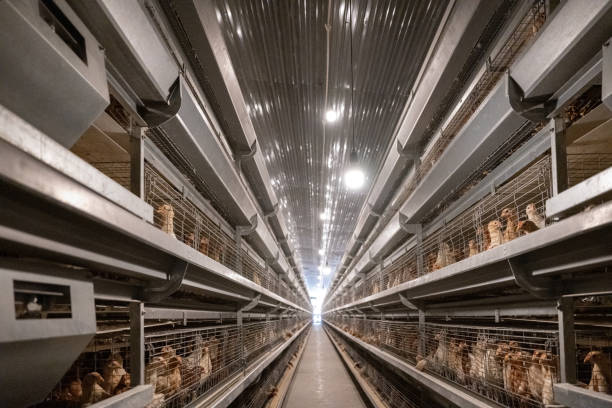
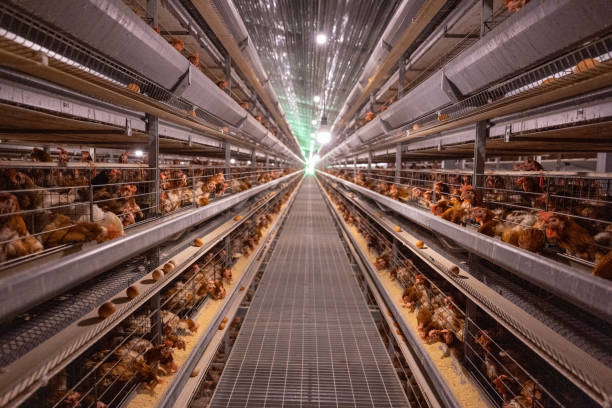
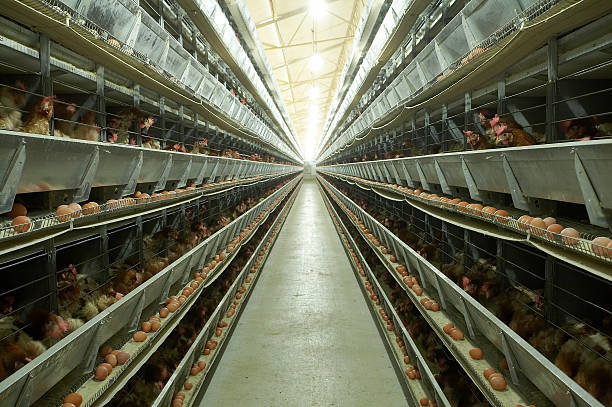
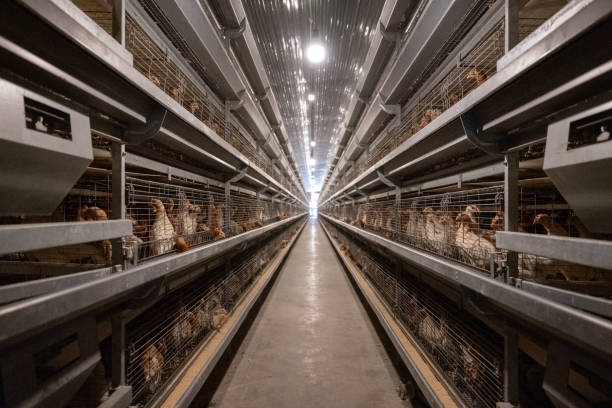
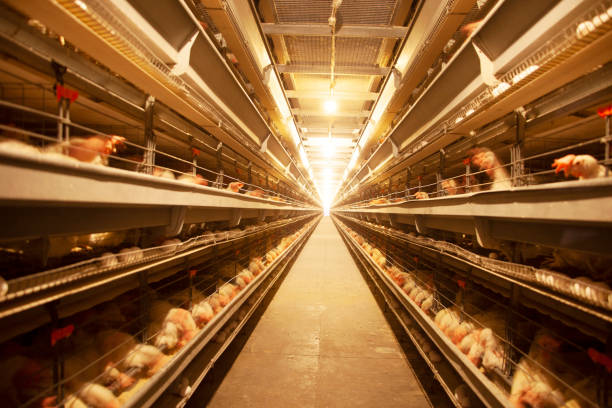
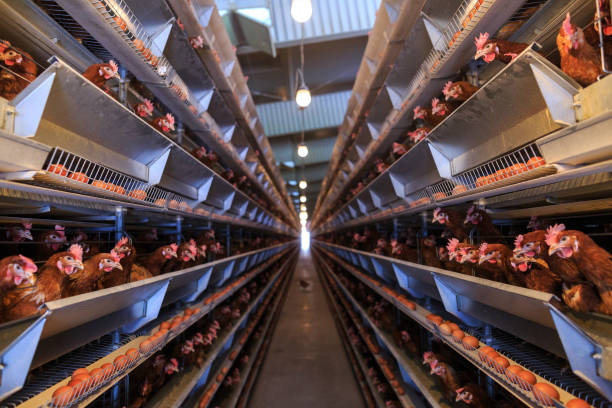
Our Kuroiler-specific cage systems are engineered with the African climate in mind. They’re made from galvanized steel, which resists rust and lasts years even in humid or rainy regions. Each layer includes features like anti-pecking mesh, sloped floors for automatic egg collection, and easy-clean trays that save time and reduce disease risk. Whether you’re starting small with 200 birds or expanding to a 5,000-bird operation, our modular designs let you scale efficiently. Plus, cage systems allow for better biosecurity — keeping droppings separate from feed and water — which dramatically lowers the chance of infections like coccidiosis or respiratory diseases.
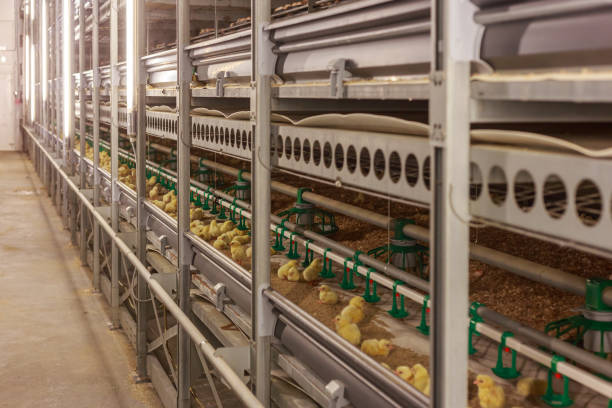
For day-old chicks, we recommend using our automated brooding units. These systems come with temperature controls, uniform heat distribution, and enough space for healthy movement. Proper brooding in the first few weeks sets the foundation for strong immunity and good growth later on. With our equipment, the survival rate of chicks can go above 95% — compared to 70–80% in traditional open-floor setups.
Beyond cages and brooders, we also offer complete house solutions: including tunnel ventilation fans, cooling pads, automatic feeding lines, and drinking nipple systems. Together, these create a controlled environment that supports consistent performance regardless of outside weather changes. In fact, many farms in Nakuru and Kitale have reported a 30% increase in egg production just by switching to fully equipped cage houses.
Efficiency, Sustainability, and Long-Term Growth

Running a Kuroiler farm isn’t just about raising chickens — it’s about running a business. Profitability depends on how efficiently you manage labor, feed, vet care, and daily operations. This is where automation plays a major role. Manual feeding and watering take hours each day and often lead to waste. With an automatic feeding system, you can schedule meals precisely, reduce feed loss by up to 20%, and ensure every bird gets equal access. Same goes for water — using nipple drinkers keeps water clean, reduces spillage, and helps prevent parasitic infections.
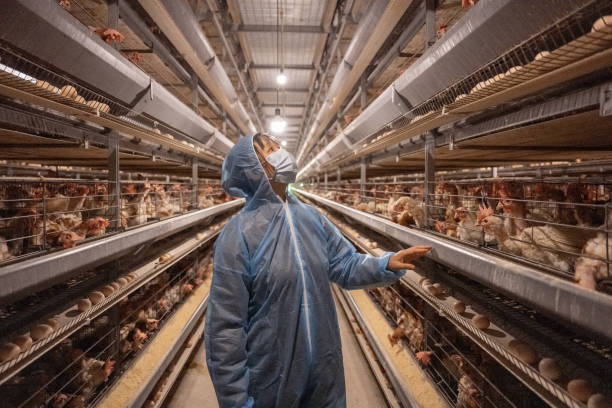
Another key advantage of using structured equipment is record-keeping and monitoring. When your birds are housed in organized rows with clear access points, it becomes easier to track health indicators, vaccination schedules, and laying patterns. Some of our advanced customers even integrate digital sensors that monitor temperature, humidity, and feed levels via smartphone apps. It might sound high-tech, but for busy farmers managing multiple flocks, this level of insight pays off fast.
We’ve worked with dozens of farmers across Kenya — from Bungoma to Machakos — and one thing we’ve learned is that support matters as much as the equipment itself. That’s why our team provides full-service assistance: site assessment, layout design, installation training, and ongoing technical help. We don’t just sell cages; we help build working farms. Whether you’re converting a backyard setup into a semi-commercial unit or launching a new agribusiness, we tailor our solutions to your goals, budget, and available space.
Our goal is simple: help Kenyan farmers unlock the full potential of Kuroiler chickens through smart, durable, and easy-to-manage technologies. Because when farmers succeed, communities benefit — through jobs, food security, and stronger rural economies.
Ready to take your Kuroiler farming to the next level? Let us help you design a system that fits your needs. Share your farm size, location, and target bird capacity with us — and we’ll send you a customized proposal, including pricing and layout suggestions. Don’t guess your way through setup; work with experts who understand both the chickens and the climate. Contact us today and start building a smarter, more profitable poultry operation.

Frequently Asked Questions (FAQ)
What is a Kuroiler chicken?
A Kuroiler chicken is a dual-purpose hybrid bird developed for tropical climates. It lays lots of eggs and grows fast for meat, making it ideal for small and commercial farms in Kenya.
How many eggs does a Kuroiler hen lay per year?
On average, a well-managed Kuroiler hen can produce 150 to 200 eggs annually. This is significantly higher than most local breeds, which typically lay fewer than 100.
Can Kuroiler chickens be raised in cages?
Yes, and doing so actually improves productivity. Cages reduce disease risk, improve hygiene, and make feeding and egg collection easier. Our cage systems are designed specifically to support Kuroiler growth and laying cycles.
How much space does one Kuroiler chicken need?
In cage systems, each bird needs about 600–800 cm² of floor space. For floor rearing, it’s recommended to provide at least 0.5 m² per bird to avoid overcrowding and stress.
What kind of feed do Kuroiler chickens need?
They require balanced diets rich in protein, especially during brooding and peak laying stages. Start with starter mash (20–22% protein), switch to grower feed, then layer mash (16–18% protein) once they begin laying.
Are Kuroiler farms profitable in Kenya?
Absolutely. With proper management and good infrastructure, a 1,000-bird Kuroiler farm can generate solid monthly income from egg sales and occasional meat production. ROI is typically achieved within 8–12 months.
Do you deliver and install equipment in Kenya?
Yes, we regularly ship and install poultry systems across Kenya, including Nairobi, Kisumu, Eldoret, and Mombasa. Our team handles logistics, assembly, and training on-site.

How long do Kuroiler chickens live?
With proper care, Kuroiler hens can remain productive for 2–3 years. After that, they can be sold for meat or replaced with new stock.
Can I mix Kuroilers with local chickens?
It’s possible but not recommended. Mixing breeds can lead to uneven growth, pecking issues, and difficulty managing feed and vaccinations. Keeping them separate ensures better control and performance.
What support does Livi Machinery offer after purchase?
We provide lifetime technical support, maintenance tips, spare parts supply, and updates on best practices. Our goal is to ensure your farm runs smoothly for years.