
Large Scale Poultry Farming Solutions in Kenya
Kenya has seen a rapid growth in the poultry farming industry over the past decade. With increasing demand for eggs and chicken meat driven by population growth and urbanization, large-scale poultry farming is no longer just an option — it’s becoming a necessity. However, scaling up isn’t as simple as buying more birds. It requires smart planning, quality infrastructure, and modern farming systems that can handle the challenges of high-volume production while keeping costs under control. That’s where advanced poultry farming solutions come in.
For farmers aiming to transition from backyard setups to commercial operations, one of the biggest hurdles is finding reliable, efficient, and affordable equipment that supports mass production without compromising animal health or food safety. This is especially critical in Kenya, where climate conditions vary significantly across regions — from the hot, dry north to the cooler highlands. Poor ventilation, inadequate feeding systems, or poorly designed housing can quickly lead to disease outbreaks, low egg production, or high mortality rates. The solution lies in investing in integrated poultry farm systems that are not only durable but also designed with automation, biosecurity, and scalability in mind.

At Livi Mechanical Manufacturing, we’ve worked closely with Kenyan farmers and agribusinesses to understand these unique challenges. Based in Zhengzhou and operating since 2012, our team specializes in designing complete poultry farming solutions tailored to African climates and market needs. From automated layer cages and broiler house systems to chick incubators and manure removal units, our equipment helps farmers maximize output while minimizing labor and feed waste. But our involvement doesn’t stop at selling cages — we provide full support from initial farm layout design to installation and after-sales service, ensuring every farmer gets a turnkey system that works efficiently from day one.

Smart Design for Maximum Efficiency
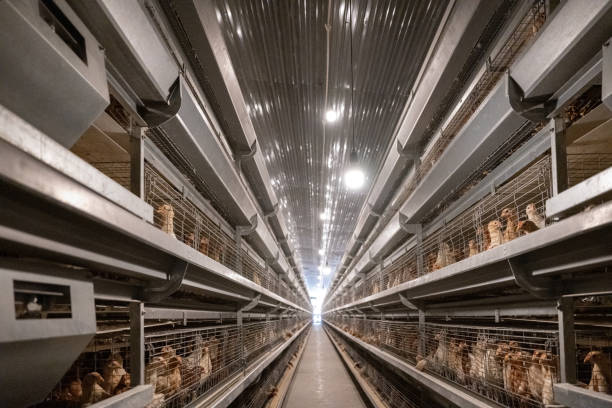
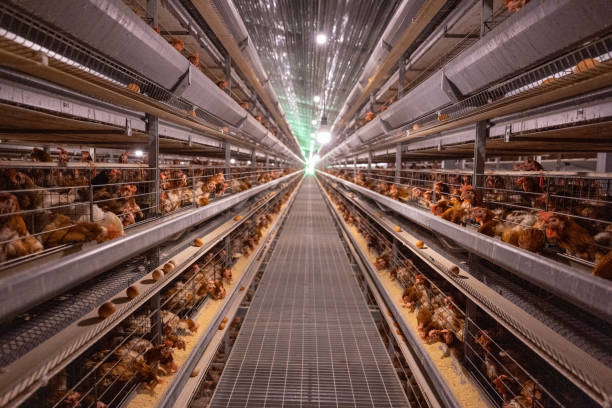
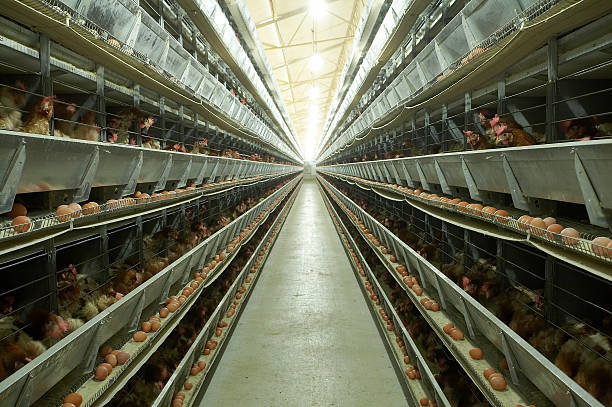
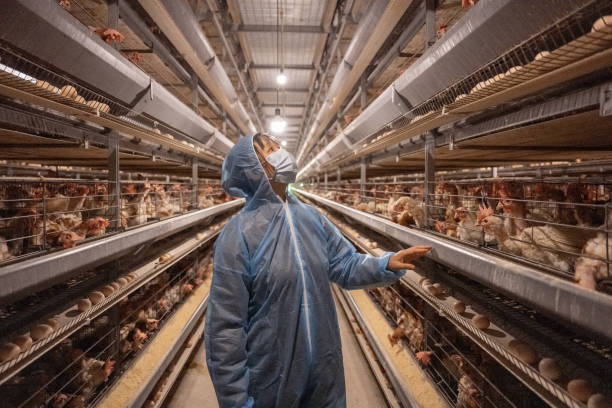
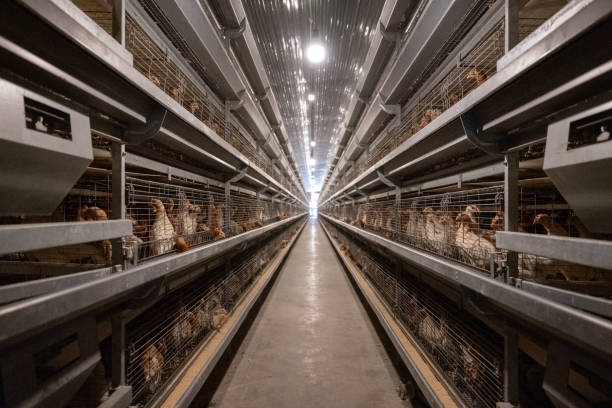
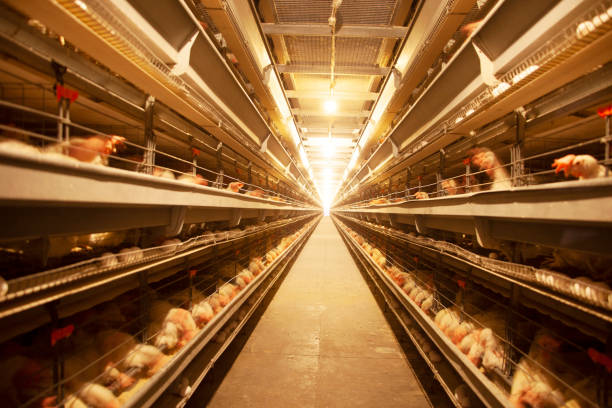
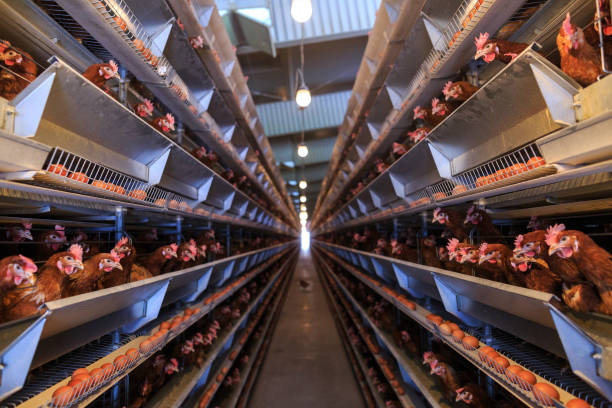
When building a large-scale poultry farm, space utilization and bird welfare go hand in hand. A well-designed house with tiered cage systems allows for higher stocking density without overcrowding. For example, our multi-tier laying hen cages can accommodate thousands of birds in a compact area, all while giving each hen enough room to move, lay eggs comfortably, and stay away from waste. This reduces stress and improves overall productivity — essential for maintaining consistent egg yields.
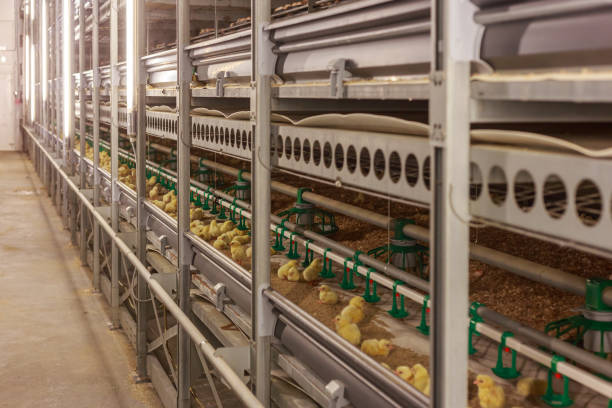
Equally important is ventilation. In many parts of Kenya, temperatures can soar above 35°C during peak seasons. Without proper airflow, heat stress becomes a major issue, leading to reduced appetite, slower growth, and lower egg production. Our houses are equipped with tunnel ventilation systems, cooling pads, and automated fans that maintain ideal indoor temperatures year-round. Combined with drip watering lines and automated feeding chains, this creates a controlled environment where birds grow faster, eat less, and produce more.
Automation also plays a key role in managing large flocks efficiently. Imagine manually feeding 10,000 birds twice a day — it’s time-consuming, labor-intensive, and prone to inconsistency. Our automatic feeding and drinking systems deliver precise amounts of feed and water directly to each cage row, reducing spillage and contamination risks. Even egg collection is simplified with sloped mesh floors that allow eggs to roll gently into central collection trays, saving hours of manual picking and reducing breakage.
Scalability and Long-Term Value
One thing we emphasize when working with new clients is future-proofing their farms. Many entrepreneurs start with 5,000 birds but plan to expand within two years. That’s why our systems are modular — meaning they can be easily extended as your business grows. Need to double your capacity? We can add another set of cages, connect them to the same feeding line, and integrate everything into your existing control panel.
Durability is another priority. Unlike cheap wire cages that rust within months, our galvanized steel frames resist corrosion even in humid environments like western Kenya or coastal areas. All components are pre-treated and powder-coated for extra protection, so you won’t need replacements every season. Some of our earliest installations in East Africa are still fully operational after eight years — a testament to the build quality and engineering behind our products.
Beyond physical equipment, we also help farmers implement digital monitoring tools. Our smart farm management kits include temperature sensors, camera surveillance, and mobile alerts that let you check on your flock anytime, anywhere. You’ll get notified if something goes wrong — say, a fan stops running at midnight — so you can act fast before losses occur. These systems may sound high-tech, but they’re surprisingly affordable and easy to use, even for farmers without technical backgrounds.
Support That Goes Beyond Delivery
Purchasing equipment is just the beginning. Setting up a successful commercial poultry farm involves many steps: choosing the right location, organizing waste disposal, training staff, setting vaccination schedules, and complying with local regulations. That’s why we don’t just ship containers; we walk you through every phase of development.
Our engineers can visit your site to assess terrain, recommend optimal house orientation (based on sun exposure and wind direction), and assist in drafting construction plans. Once the structure is ready, we coordinate installation, train your workers on daily operation and maintenance, and offer remote troubleshooting whenever needed. Whether you’re in Nakuru, Eldoret, Mombasa, or Kisumu, our Kenyan partner agents ensure timely delivery and ongoing service.
We’ve seen firsthand how the right setup can transform a struggling farm into a profitable venture. Take Mr. Omondi from Kakamega, who upgraded his small free-range setup to a 12,000-bird automated layer farm last year. Within six months, he broke even on his investment thanks to increased egg output and reduced labor costs. Today, he supplies three supermarkets and is planning a second unit.
Are You Ready to Scale Your Chicken Farm?
If you’re serious about growing your poultry business in Kenya, now is the perfect time to invest in a professional farming system. Whether you’re focused on table eggs, broilers, or hatcheries, having the right equipment makes all the difference between surviving and thriving. At Livi Mechanical, we’re committed to helping African farmers succeed by offering cost-effective, sustainable, and scalable poultry solutions.
Don’t let outdated methods hold you back. Let us help you build a smarter, more profitable farm from the ground up. Click below or leave your phone number and farm details — one of our experts will contact you within 24 hours to discuss your specific needs and send a free quote tailored to your goals.
Frequently Asked Questions
What types of poultry farming systems do you offer in Kenya?
We supply complete systems for layer farming, broiler raising, breeder management, and chick rearing. Each includes cages, feeders, drinkers, ventilation, and optional automation tools. All are adapted to local weather and power conditions.
How much space do I need for a 10,000-bird poultry house?
A standard 10,000-bird layer farm needs about 800–1,000 square meters of building space, depending on cage configuration. We help calculate exact dimensions based on your land size and expansion plans.
Can your systems run without constant electricity?
Yes. While full automation works best with stable power, we offer solar-compatible controllers and battery backup options. Some mechanical systems function manually if needed, ensuring continuity during outages.
Do you install the equipment, or do I hire local workers?

We handle full turnkey installation through our certified partners in Kenya. Your team will also receive hands-on training so they can manage day-to-day operations confidently.
How long does delivery take from China to Kenya?
Shipping from our factory in Zhengzhou to Mombasa Port takes around 25–35 days, depending on logistics. After customs clearance, we arrange inland transport directly to your farm. Total timeline usually ranges from 6 to 8 weeks.
Is financing available for your poultry farming systems?
While we don’t provide direct loans, we partner with agricultural banks and cooperatives in Kenya who offer favorable terms for registered farmers. We can also provide official invoices and equipment appraisals to support your loan application.
Can I customize cage sizes or layouts?
Absolutely. We design custom configurations based on your barn size, bird type, and production goals. Whether you need J-type, H-type, or ladder-style cages, we adapt to your needs.
Do you offer spare parts and after-sales service?
Yes, we stock all common spare parts — from motors and belts to drinker nozzles and sensors. Our local agents provide quick replacements and technical support, minimizing downtime.
How do your systems improve egg production?
By reducing stress, preventing disease, and ensuring consistent feeding and lighting, our controlled environments often increase egg output by 15%–20% compared to traditional methods. Automated collection also reduces breakage and contamination.
Are hybrid models available for semi-automatic farms?
Definitely. Not every farmer needs full automation right away. We offer step-by-step upgrade paths, starting with manual systems and adding auto-feeders or ventilation controls later as your budget allows.