
Modern Poultry Farms in Dormaa Ahenkro
When you think of modern poultry farming in Ghana, Dormaa Ahenkro might not immediately come to mind. But this growing town in the Bono Region is witnessing a quiet revolution in agriculture — one that’s driven by technology, efficiency, and smart farming practices. With rising demand for eggs and chicken meat, many farmers in Dormaa Ahenkro are turning to modern poultry farms to boost productivity, reduce labor costs, and ensure better animal health. These aren’t your average backyard coops anymore. We’re talking about fully equipped, automated systems that streamline every stage of poultry production — from hatching chicks to laying eggs at scale.
What makes this shift so exciting isn’t just the technology itself, but how accessible it’s becoming. Thanks to companies like Zhengzhou Livi Machinery Manufacturing Co., local farmers can now access high-quality, cost-effective poultry farming equipment tailored for tropical climates and small to medium-sized operations. Whether you’re setting up your first flock or upgrading an existing farm, embracing modern solutions means higher profits, lower mortality rates, and more sustainable farming overall. And as the agricultural sector evolves across West Africa, Dormaa Ahenkro is positioning itself as a model for the future of poultry farming.
How Modern Poultry Systems Are Changing Farming in Dormaa Ahenkro
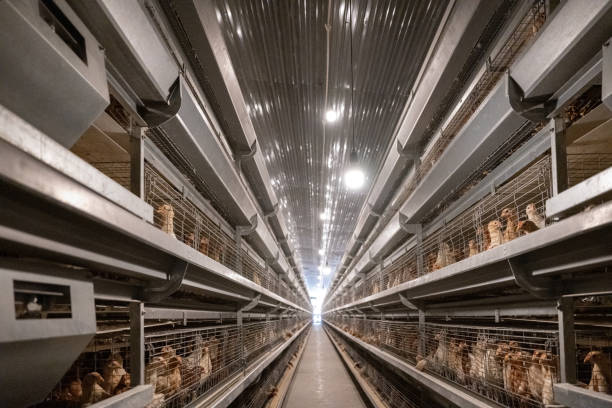
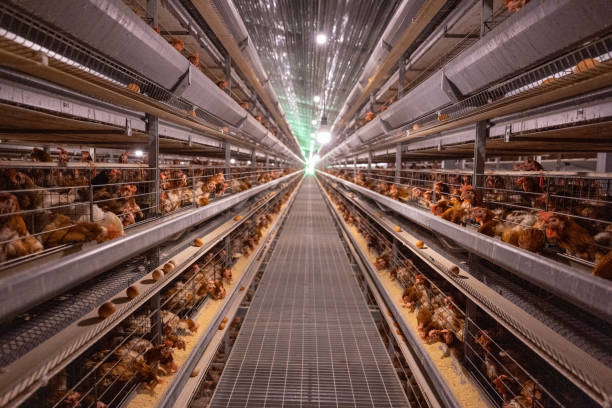
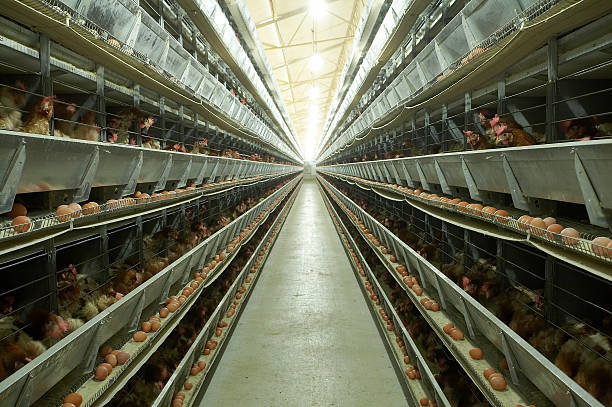
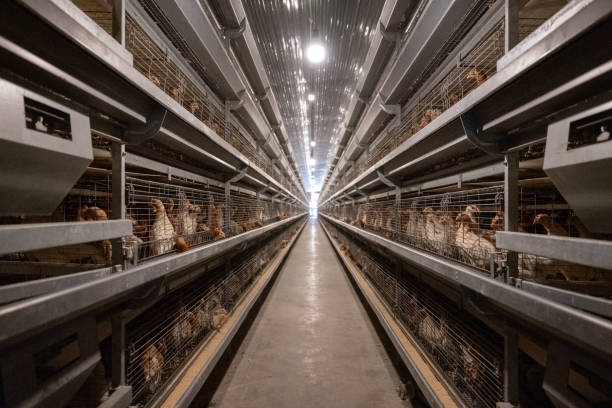
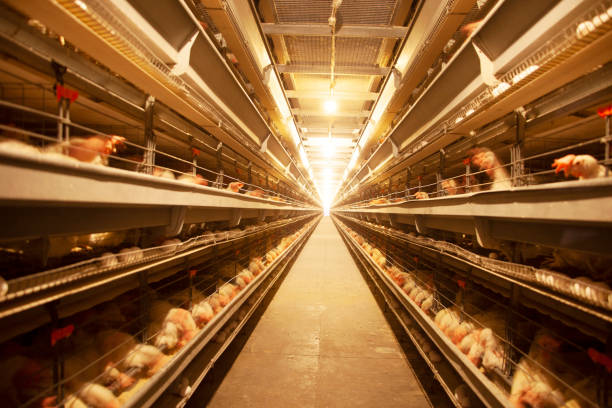
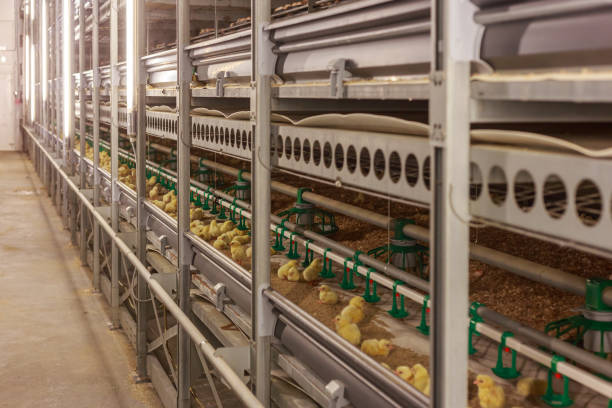
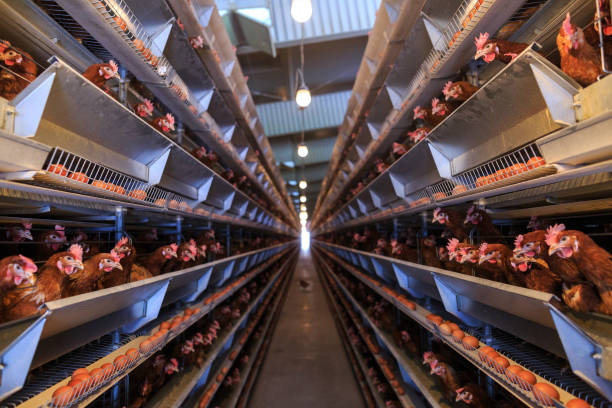
So what exactly defines a “modern” poultry farm? It starts with design. Traditional free-range or deep-litter systems relied heavily on manual work — feeding, watering, cleaning, and egg collection all had to be done daily by hand. In contrast, today’s smart poultry farms use cages, automatic feeders, nipple drinkers, cooling pads, fans, and even egg collection belts to minimize human intervention and maximize hygiene and output.
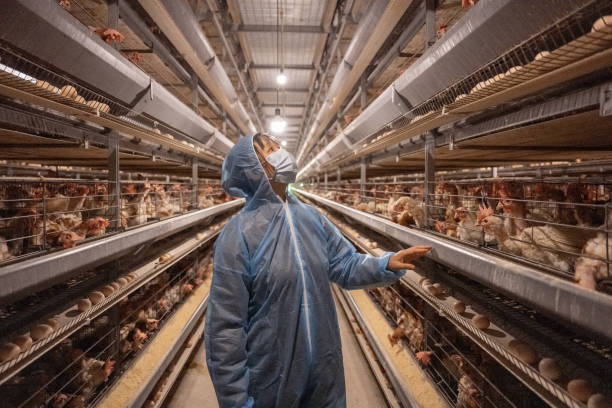
In Dormaa Ahenkro, progressive farmers are adopting cage systems such as battery cages for layers and broiler cages for meat birds. These systems keep birds off the floor, reducing contact with droppings and lowering disease risks like coccidiosis and avian flu. Each cage tier is designed for easy access, ventilation, and waste removal. Some farms have even added manure scraper systems that automatically remove waste every few hours, keeping the environment clean and odor-free.
Another key upgrade? Environmental control. The Ghanaian climate can be tough — hot days and humid nights take a toll on chickens. Modern housing includes tunnel ventilation, cooling pads, and temperature monitoring devices that maintain optimal conditions year-round. When birds stay cool and stress-free, they grow faster, lay more eggs, and require fewer medications. That translates directly into better margins for farmers.
And let’s not forget automation. Automated feeding lines ensure birds get consistent nutrition without wasted grain. Water systems with anti-leak nozzles prevent contamination and save water. Even lighting is controlled via timers or smart sensors to simulate natural daylight cycles, stimulating egg production and improving sleep patterns in chickens. All these upgrades mean less physical labor, fewer errors, and more reliable results — which is exactly what growing businesses need.
The Role of Expert Equipment Suppliers in Building Smarter Farms
You can have the best ideas, but without the right tools, scaling up becomes a challenge. This is where experienced suppliers like Zhengzhou Livi Machinery come in. As a company founded in 2012, Livi has spent over a decade perfecting poultry farming solutions that work in diverse global markets — including West Africa.
Livi doesn’t just sell products; they offer end-to-end support. From the moment you decide to start a poultry project, their team helps with planning: calculating space needs, selecting suitable cage models, designing house layouts, and estimating feed and water requirements. Their engineers understand the challenges faced by farmers in regions like Dormaa Ahenkro — unreliable power, limited technical staff, and variable building materials — so they tailor solutions accordingly.
For example, Livi offers solar-compatible ventilation systems and backup battery options for fans and controllers. They provide galvanized steel cages that resist rust in humid conditions. Their incubators are designed to handle batch hatching of thousands of eggs with minimal energy use. Best of all, installations are supported either remotely or through trained technicians who can travel onsite if needed.
One thing many first-time buyers worry about is complexity. Will I be able to operate these machines? The truth is, most modern poultry systems are surprisingly user-friendly. Touchscreen controls, clear manuals (available in English), and video tutorials make training manageable. Plus, Livi offers ongoing customer service — answering questions, troubleshooting issues, and helping optimize performance long after delivery.
It’s also worth noting that investing in quality equipment pays off quickly. A typical layer farm using traditional methods might achieve a 75% hen-day production rate. With proper cages, lighting, and feeding systems, that jumps to 90–93%. For a 5,000-bird operation, that extra 15% could mean hundreds of additional eggs per day — generating thousands of extra cedis each month. And because well-managed caged systems reduce bird mortality and feed waste, operating costs drop significantly too.


Looking Ahead: The Future of Poultry Farming in Ghana
As urbanization continues and diets evolve, the demand for affordable, safe poultry products will only grow. In cities like Sunyani and Kumasi near Dormaa Ahenkro, supermarkets and restaurants are sourcing more locally produced eggs and chicken. Consumers want freshness, traceability, and consistency — qualities that large-scale, modern farms are uniquely positioned to deliver.
But beyond economics, there’s a bigger story here about food security and rural development. By empowering smallholder farmers with industrial-grade tools, we’re enabling them to transform subsistence farming into real agribusinesses. Young people see opportunities in agriculture again — not just manual labor, but tech-driven entrepreneurship involving data, automation, and logistics.
Imagine a network of connected farms across the Bono Region sharing best practices, pooling resources, and selling under cooperative brands. Picture hatcheries equipped with AI-powered chick sexing machines, or farms using apps to track egg yields, vaccination schedules, and market prices in real time. This future isn’t science fiction — it’s already taking root in places like Dormaa Ahenkro.
To any farmer reading this: whether you’re running a backyard coop with 200 birds or dreaming of a 10,000-bird commercial operation, the tools and knowledge exist to help you succeed. You don’t have to reinvent the wheel — just partner with a reliable supplier who understands both global standards and local realities.
If you’re ready to explore how modern poultry farming can change your business, we’d love to hear from you. Share your farm size, goals, and location, and our team will send you a customized proposal — complete with layout designs, equipment lists, and estimated returns. Let’s build something great together.
Frequently Asked Questions
What is the difference between traditional and modern poultry farming?
Modern poultry farming uses automated systems for feeding, watering, egg collection, and environmental control. It improves hygiene, increases productivity, reduces labor, and lowers death rates compared to traditional floor-based or free-range systems.
Can modern poultry equipment work during power outages?
Yes, many systems are designed with backup options. For instance, ventilation fans can run on solar power or batteries, and some controllers have offline modes that maintain settings temporarily.
Are cage systems suitable for tropical climates like Ghana’s?
Absolutely. High-density galvanized cages with good airflow, combined with cooling pads and exhaust fans, create ideal conditions even in hot and humid environments.
How much space do I need for a 1,000-bird layer farm?
A fully caged system for 1,000 laying hens usually requires around 200–250 square meters, including space for feeding aisles, egg collection, and manure management.
Do I need technical experience to operate automated poultry houses?
Not necessarily. Most systems come with simple controls and detailed instructions. Training videos and remote support are usually provided by suppliers like Livi.
Can I start small and expand later?
Yes! Modular systems allow you to begin with a smaller setup and add sections as your business grows — perfect for phased investment.
What kind of maintenance do modern poultry systems require?
Routine checks include cleaning drinker lines, inspecting motors, lubricating moving parts, and replacing worn components. With proper care, equipment can last 10+ years.
Is financing available for modern poultry setups in Ghana?
While direct financing depends on local banks or cooperatives, some equipment suppliers offer installment plans or partnerships with agricultural lenders.
How does automation affect egg quality and shelf life?

Cleaner housing, reduced handling, and consistent diets lead to stronger shells and fresher eggs — meaning better market appeal and longer storage times.
Where can I see working examples of modern poultry farms in West Africa?
Contact us with your location and interest level, and we’ll connect you with reference farms or arrange virtual tours of operational sites.