
If you’re a poultry farmer in Pakistan looking to scale up your broiler operation, you’ve probably realized that traditional floor systems just don’t cut it anymore. With rising feed costs, increasing demand for chicken meat in cities like Lahore, Karachi, and Islamabad, and the need to stay competitive, switching to a modern cage system is one of the smartest moves you can make. We’ve been supplying poultry equipment to Pakistani farmers since 2012, and we’ve seen firsthand how the right cage system can transform a struggling farm into a profitable business. In this guide, we’ll walk you through everything you need to know about broiler chicken cage systems in Pakistan—from the different types available and the materials used, to costs, installation, and how to choose the right setup for your farm.
Why Broiler Cages Are Taking Over in Pakistan
Pakistan’s poultry industry is one of the largest in the world, and it’s growing fast. But with growth comes challenges—land is expensive, labor costs are rising, and disease outbreaks can wipe out a flock in days. That’s where broiler cages come in .
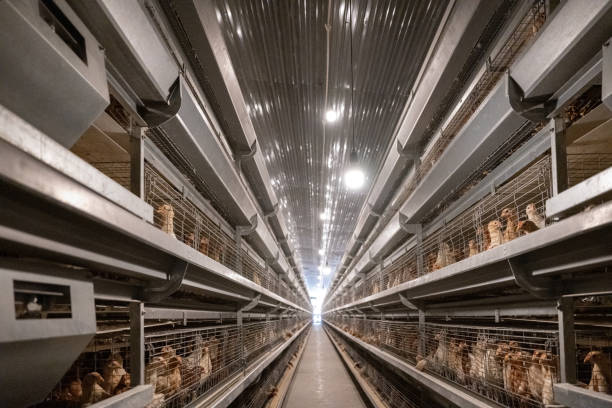
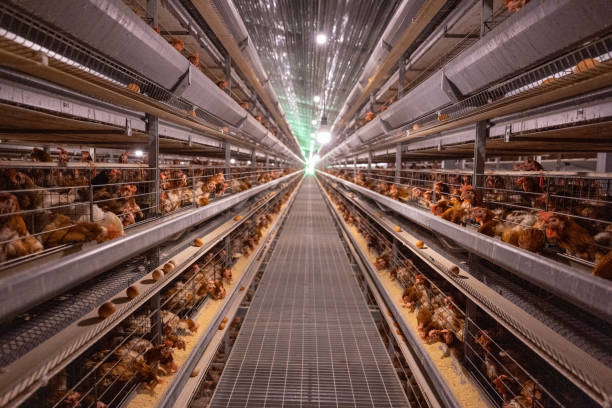
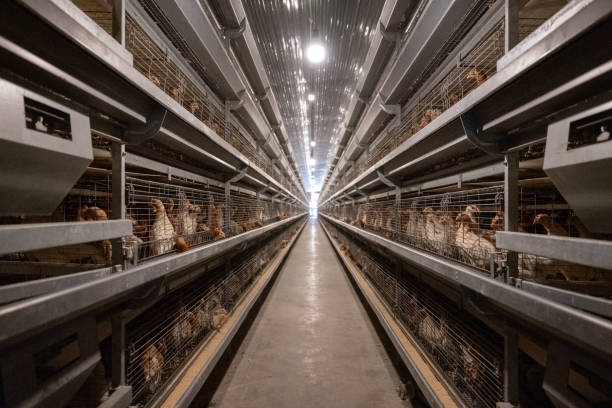
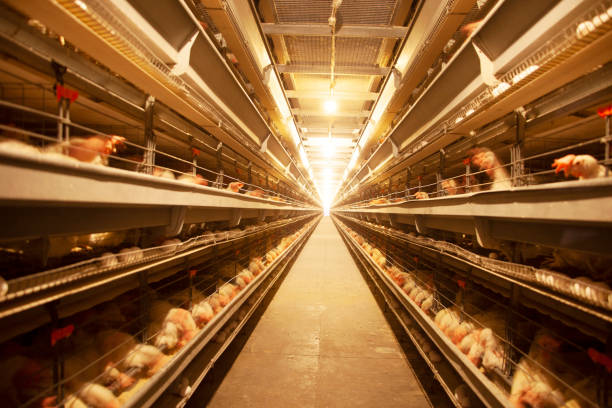
Broiler cages are specially engineered for meat-producing chickens, supporting intensive farming by housing birds in controlled environments until they reach market weight . The advantages are clear: sloped flooring enables efficient waste removal, which keeps birds cleaner and reduces disease risk. They maximize space for high-density rearing, meaning you can fit more birds in the same square footage. And by reducing contact with droppings, you lower the chances of infections like coccidiosis that plague floor-raised birds .
Of course, there are limitations to keep in mind. Limited movement can affect bird welfare if not managed properly, so you need strict ventilation and temperature control. And because broilers grow fast—typically ready in 6 to 8 weeks—you’re turning over batches quickly, which requires good management . But for commercial broiler farms focused on efficient meat production, cages are the way to go.
The numbers back this up. Research comparing floored and cage-housed broiler breeder farms in Pakistan found that production costs per bird were significantly higher in floor systems, and net income was 2.3 times higher in enriched cages . That’s the kind of math that makes farmers sit up and pay attention.
Types of Broiler Cage Systems Available in Pakistan
When you start shopping for broiler cages in Pakistan, you’ll come across a few main types. Understanding the differences helps you make the right choice for your farm.
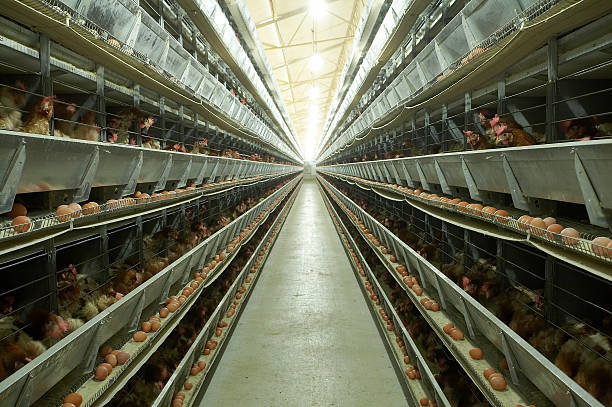
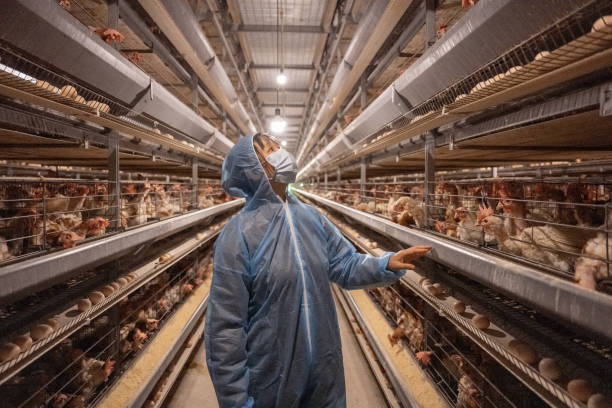
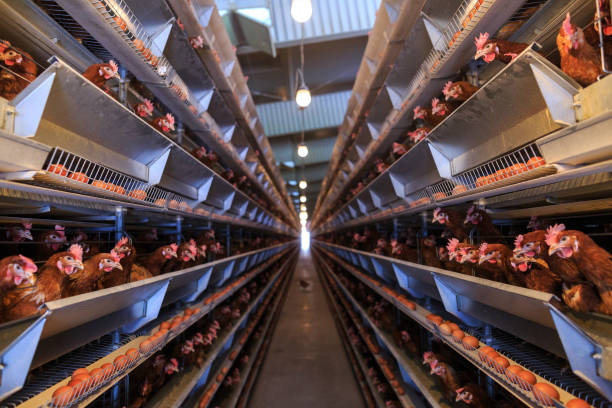
Battery broiler cages are the most common for commercial operations. These are stacked in multiple tiers—usually three or four levels high—and are designed for high-density production . They work well with automated feeding and watering lines, and many farmers in Punjab and Sindh are using them to supply processors and markets with consistent volumes of meat. The key consideration with battery cages is ventilation; because birds are stocked densely, you need good airflow to prevent heat stress, especially during Pakistan’s scorching summers .
A-type vs. H-type cages refers to the frame design. A-type cages are arranged in an A-frame shape, typically with 3 to 4 tiers, and are easier to install in existing buildings with standard ceiling heights . H-type cages are the modern standard for high-density farming, stacked in a straight vertical arrangement up to 5 or more tiers high. If you have a house with good height, H-type cages let you maximize your space and integrate more seamlessly with full automation .
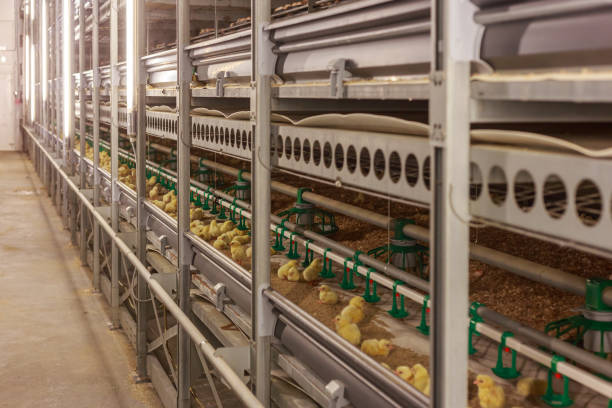
Brooder cages are essential for the first few weeks of the chicks’ lives. These provide a safe, warm, and protected environment critical for early development, with integrated heating and humidity controls that ensure chick survival . Once the chicks grow, you move them to growing or finishing cages.
Materials Matter: What Pakistani Farmers Need to Know
The material your cages are made from will determine how long they last and how well they perform in Pakistan’s diverse climate—from the humid coastal areas of Karachi to the hot, dry plains of Punjab .
Galvanized steel wire is the industry standard for good reason. It offers an exceptional balance of strength, durability, and cost-effectiveness. The galvanization process coats the steel wire with a protective layer of zinc, which acts as a barrier against moisture and corrosion . This is crucial in poultry houses where frequent cleaning, water spillage, and natural condensation create consistently damp conditions. Quality cages use hot-dip galvanizing, which provides a thicker, more durable coating than electro-galvanizing . When properly installed and maintained, galvanized cages can last 10 to 15 years, making them a smart long-term investment .
Stainless steel represents the premium end of the market, offering unmatched resistance to rust, corrosion, and bacterial growth . While significantly more expensive than galvanized options, stainless steel is ideal for high-end, biosecure farms or operations in regions with exceptionally high humidity or frequent washdowns. It requires minimal maintenance and doesn’t degrade over time .
Polymer plastics are gaining popularity for specific components like feeders, waterers, and slats. These materials are rust-proof, lightweight, and easy to clean—making them excellent for maintaining hygiene . They also offer thermal insulation properties, helping to stabilize internal temperatures. While not suitable for primary structural frameworks, plastic components complement metal cages nicely.
Wire mesh is the backbone of modern poultry housing. When selecting cages, pay attention to wire gauge and mesh size. Thicker gauges (lower gauge numbers) provide greater strength. Mesh openings should be small enough to prevent chicks from escaping or getting injured—typically 1″ x 1″ or ½” x 1″ for broilers . The mesh floors allow droppings to fall through, significantly reducing contact with waste and lowering disease transmission .
Key Features of Modern Broiler Cage Systems
A complete broiler cage system is more than just the cages themselves. Here’s what you should look for:
Automated feeding systems are vital for any operation over a few thousand birds. These systems distribute feed evenly to all troughs, ensuring every bird gets the same ration and reducing waste . For a 20,000-bird farm, automated feeding can save enormous amounts of labor .
Automated watering systems with nipple drinkers provide clean water on demand and prevent contamination. Quality systems include pressure regulators to ensure the right water flow—enough for birds to drink easily but not so much that it causes wet litter .
Ventilation and environmental control are absolutely critical in Pakistan’s climate. Adequate airflow prevents respiratory issues and heat stress, which can devastate a flock . Modern systems include automated fans, evaporative cooling pads, and smart controllers that monitor temperature and humidity 24/7 . Some farmers are adding solar-powered backup systems to keep fans running during power outages .
Manure removal systems with belts under each tier automatically carry waste out of the house several times a day . This slashes ammonia levels, improves air quality, reduces fly populations, and produces dry manure that can be sold as fertilizer—an extra income stream .
Space allocation matters for bird welfare and growth. The recommended space for each broiler chicken is around 0.25 square meters (about 2.7 square feet), though some sources suggest 2 square feet per bird . Overcrowding leads to stress, poor growth, and more leg problems.
What Does a Broiler Cage System Cost in Pakistan?
Let’s talk money, because this is what every farmer wants to know. Costs vary based on capacity, automation level, and equipment quality.
For a 20,000-bird broiler farm, you can expect to spend anywhere from $50,000 to $100,000 on high-quality equipment . This includes cages, feeding and watering systems, ventilation, and basic automation.
For a 50,000-bird automated operation, the investment is larger. Based on a recent Livi Machinery project in Pakistan, here’s a breakdown :
- Broiler cage equipment: $120,000 – $150,000
- Automatic feeding and drinking system: $25,000 – $30,000
- Ventilation system: $15,000 – $20,000
- Environmental control system: $10,000 – $15,000
- Installation and training: $10,000 – $15,000
- Total Estimated Investment: $180,000 – $230,000
These figures include transportation, on-site installation, and a complete support package . For mega-farms with 500,000 birds, costs scale accordingly, with automated systems requiring substantial investment but delivering proportional labor savings and efficiency gains .
Remember, while the initial investment may seem substantial, the long-term benefits in labor savings, improved biosecurity, and better flock management make it a smart choice for growth-focused operations . Many farmers recoup their investment within 2 to 4 years through lower operating costs and higher productivity.
Success Stories from Pakistani Farmers
The proof is in the results. Livi Machinery has helped numerous Pakistani farmers transform their operations with modern cage systems.
One farmer successfully raised 20,000 broiler chickens using Livi’s advanced battery cage system, significantly improving efficiency, productivity, and profitability . The farmer praised the ease of installation and maintenance, noting how the system streamlined daily operations. Key features included automated feeding and watering, which reduced labor costs and ensured consistent nutrition, plus a waste collection system that minimized manual handling and promoted a cleaner environment .
Another farm reported a significant reduction in labor and operational costs alongside improved broiler performance, achieving a higher feed conversion ratio and reduced mortality rates .
For layer operations, a 20,000-hen egg farm in Pakistan using Livi’s A-Type battery cage saw egg production rates soar to over 95%, far exceeding industry averages . While this is a layer example, it demonstrates the potential of quality cage systems in Pakistani conditions.
Making Your Broiler Farm Investment Work
If you’re considering investing in a broiler cage system in Pakistan, here are some practical tips:
First, assess your farm’s specific needs. How many birds do you want to house per batch? What are your building dimensions? What’s your budget? Do you have reliable electricity, or will you need backup power?
Second, choose a supplier with local experience. Look for companies that understand Pakistan’s climate, have a track record of successful installations, and offer after-sales support . Livi Machinery, for example, provides free design plans, equipment quotes, and technical training for Pakistani farmers .
Third, plan your layout carefully. Work with your supplier to design a system that maximizes space while ensuring proper ventilation and workflow . In Pakistan’s hot climate, efficient ventilation systems with automated fans and evaporative cooling pads are essential to prevent heat stress .
Finally, think long-term. Quality equipment costs more upfront but lasts 10 to 15 years or longer with proper maintenance . Cheap cages with poor galvanization may rust out in a few years, costing you more in replacements and lost production.
We’re committed to helping Pakistani farmers succeed. We offer customized automated solutions tailored to Pakistan’s agricultural landscape, with over 13 years of experience delivering equipment to clients across Asia, Africa, and the Middle East . Whether you’re starting with 5,000 birds or scaling up to 500,000, we can design a system that fits your farm and your goals.
Ready to take your broiler farm to the next level? Contact Livi Machinery today for a free consultation and custom quote. Tell us about your bird capacity and location, and we’ll design a broiler cage system that maximizes your efficiency and profits in Pakistan’s growing poultry market.
Frequently Asked Questions
Q1: What’s the best type of broiler cage system for Pakistan’s climate?
Battery cage systems with good ventilation are most common in Pakistan. Look for multi-tier H-type or A-type cages made from galvanized steel, paired with automated fans and cooling pads to manage heat stress during summer months .
Q2: How much space does each broiler chicken need in a cage?
The recommended space allocation is around 0.25 square meters (about 2.7 square feet) per bird, though some sources suggest 2 square feet . Proper spacing prevents overcrowding, reduces stress, and supports healthy growth.
Q3: How long do galvanized steel cages last in Pakistani conditions?
High-quality hot-dip galvanized steel cages typically last 10 to 15 years with proper maintenance . Durability depends on the quality of galvanization and how well you maintain the equipment.
Q4: What’s the cost of setting up a 20,000-bird broiler farm in Pakistan?
For a 20,000-bird broiler farm, expect to spend between $50,000 and $100,000 on quality equipment including cages, feeding systems, watering systems, and ventilation . Costs vary based on automation level.
Q5: What’s the cost of a fully automated 50,000-bird broiler farm in Pakistan?
A fully automated 50,000-bird operation typically requires an investment of $180,000 to $230,000, including cages, automated feeding/watering, ventilation, environmental controls, and installation .
Q6: Do broiler cages cause leg problems in chickens?
It’s a common concern, but modern cage designs with proper floor space and good management minimize leg issues. The key is avoiding overcrowding and ensuring good nutrition .
Q7: Can I install the cage system myself?
Many farmers complete assembly with a small team using detailed manuals and video guides . For larger projects, professional installation and training are recommended and often included by suppliers like Livi Machinery .
Q8: What maintenance do broiler cages require?
Regular maintenance includes checking for rust spots, tightening bolts, ensuring feeders and drinkers work properly, and cleaning manure belts . With quality galvanized steel, maintenance is minimal.
Q9: How do I handle ventilation during Pakistan’s hot summers?
Install automated fans and evaporative cooling pads, and consider backup power solutions like generators or solar systems to keep fans running during outages . Good airflow is essential to prevent heat stress.
Q10: Are there Pakistani suppliers or should I import directly?
Several reputable manufacturers serve Pakistan, including Livi Mechanic, Jupiter Poultry Solutions, and Agropro Pakistan . Importing directly from manufacturers like Livi Machinery often provides better value and access to customized solutions .