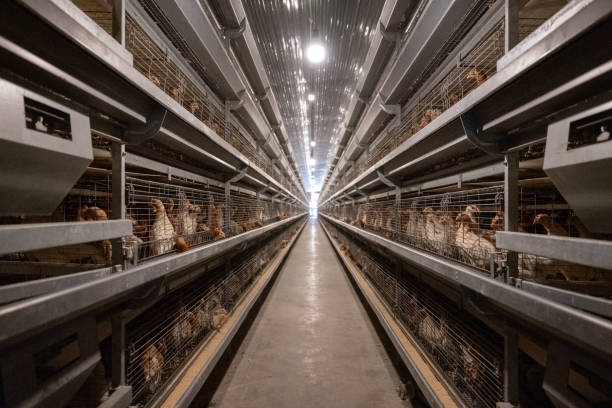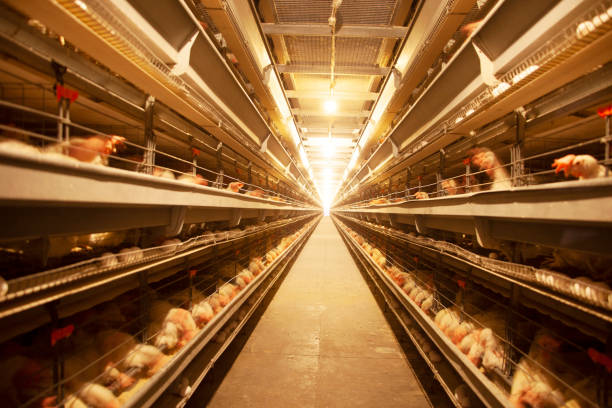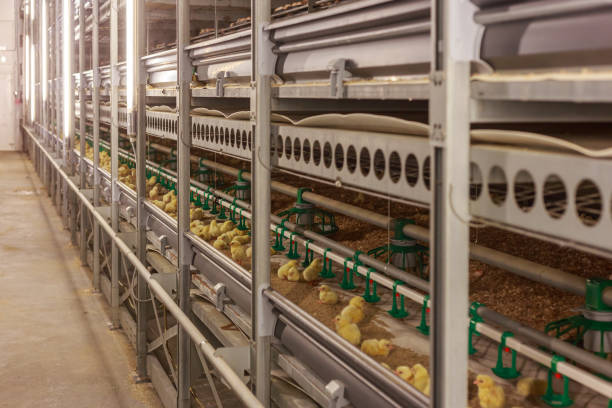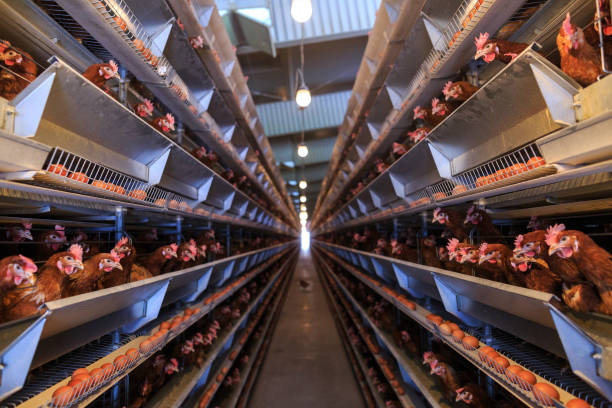

If you’re a poultry farmer in Kenya, you’ve probably noticed that the demand for chicken meat is growing every single day. With urbanization on the rise and more Kenyans adding protein to their diets, the opportunity for broiler farming has never been better. But here’s the thing—raising broilers the traditional way, on deep litter floors, just doesn’t cut it anymore when you’re trying to scale up. Between the disease risks, the labor costs, and the space limitations, floor systems can hold you back. That’s where broiler cage systems come in. We’ve been helping farmers around the world, including right here in Kenya, transition to smarter, more efficient poultry housing since 2012. In this guide, we’re going to walk you through everything you need to know about broiler cage systems in Kenya—from the different types available to the costs, materials, and how to choose the right setup for your farm.
Why Kenyan Farmers Are Switching to Broiler Cages
Kenya’s climate and farming conditions present unique challenges for poultry producers. From the humid coastal regions to the cooler highlands, your equipment needs to work everywhere. Broiler cages have become increasingly popular across the country because they address the specific pain points that Kenyan farmers face every day .
First and foremost, cages dramatically improve disease control. When birds are raised on the floor, they’re constantly in contact with their own droppings, which creates a breeding ground for bacteria and parasites. With cages, the waste falls through the mesh floor, keeping the birds clean and reducing the risk of infections like coccidiosis . This is huge for biosecurity, especially in a country where disease outbreaks can wipe out an entire flock in days.
Space efficiency is another game-changer, particularly for farmers in urban and peri-urban areas around Nairobi, Mombasa, or Kisumu where land is expensive and hard to come by. With a multi-tier cage system, you can house three to four times more birds in the same footprint compared to a deep litter setup . For a farmer with limited land, that’s the difference between a hobby and a real business.
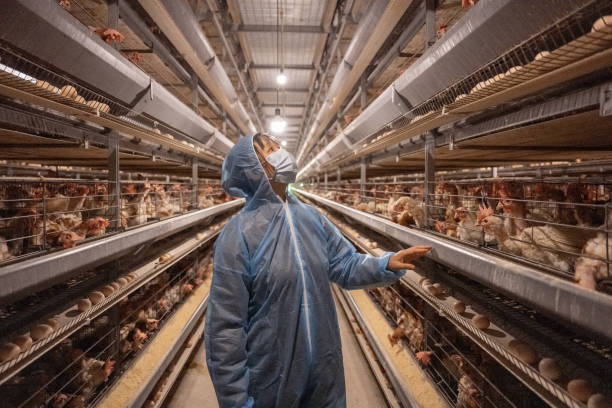
And let’s talk about labor. Anyone who’s managed broilers on the floor knows how much work it is—spreading litter, filling feeders by hand, chasing down water leaks. With cage systems, especially when you add automation, one person can manage thousands of birds . In Kenya’s competitive market, saving on labor costs directly boosts your bottom line.
Types of Broiler Cage Systems Available in Kenya
Not all cage systems are created equal, and the right choice depends on your farm’s size, budget, and goals. Here’s what you’ll typically find in the Kenyan market.
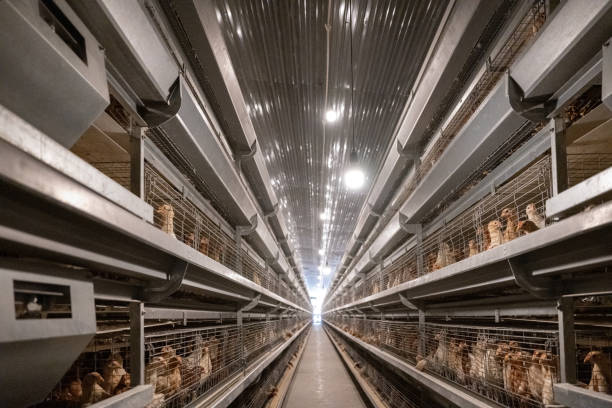
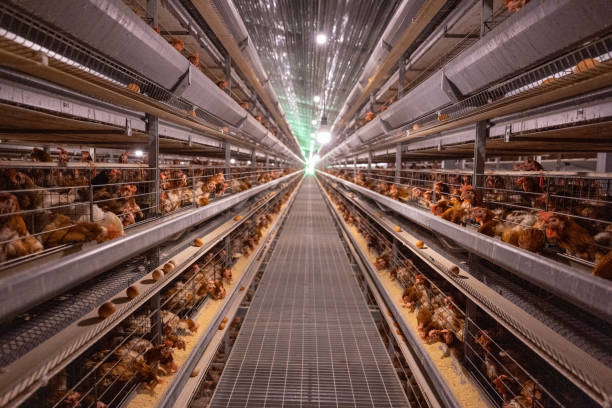
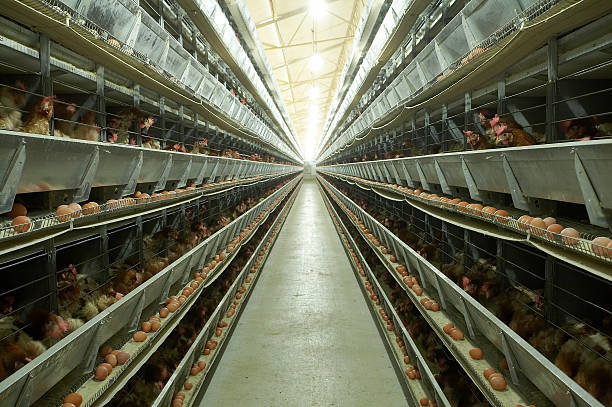
Battery broiler cages are the most common choice for commercial operations. These are stacked in multiple tiers—usually three or four levels high—and are designed for high-density production . They work well with automated feeding and watering lines, and many farmers in places like Eldoret or Nakuru are using them to supply processors and supermarkets with consistent volumes of meat. The main consideration with battery cages is ventilation; because birds are stocked densely, you need good airflow to prevent heat stress, especially in warmer regions .
Flat deck cages offer a different approach. These are single-level systems that give birds more floor space to move around. Some farmers prefer these because they believe the extra room leads to better leg health and fewer mobility issues in fast-growing broilers . The trade-off is that you need more building space to house the same number of birds, so they’re better suited for farms with plenty of land.
Furnished or enriched cages are a newer trend, adding features like perches and scratching areas to improve welfare . While these are less common in Kenya right now, some farmers targeting premium markets or export opportunities are starting to look at them. They cost more upfront, but they can open doors to higher-value customers who care about how the birds were raised.
For smaller-scale farmers or those just getting started, local DIY cages made from timber and wire mesh are an option . These are much cheaper to build and can work well for flocks of a few hundred birds. But if you’re serious about growing your business, investing in professionally manufactured galvanized steel cages will save you money in the long run through durability and better bird performance.
Materials and Durability in Kenya’s Climate
The materials your cages are made from will determine how long they last and how well they perform. This is especially important in Kenya, where conditions vary so much from one region to another .
Galvanized steel is the gold standard for most farmers. The hot-dip galvanization process coats the steel with a layer of zinc that protects against rust and corrosion . In humid areas like the coast or around Lake Victoria, this is essential. A good galvanized cage system can easily last 8 to 12 years or more with proper care . At Livi Machinery, this is what we use for all our broiler cages because we know Kenyan farmers need equipment that can handle real-world conditions.
Stainless steel offers even better corrosion resistance and can last 15 years or longer . It’s more expensive, so it’s typically used by large commercial operations or hatcheries where biosecurity and longevity are critical. For most farmers, high-quality galvanized steel provides the best balance of cost and performance.
The wire mesh gauge matters too. For broilers, you need mesh that’s strong enough to support heavier birds without sagging or bending . Look for 14 to 16 gauge wire, which provides the right combination of strength and airflow. The mesh openings should be sized so that droppings fall through easily but birds’ feet don’t get caught.
For feeders and drinkers, you’ll typically see galvanized steel or UV-resistant plastic components . Plastic parts are affordable and easy to clean, but they can become brittle over time in the sun if they’re not UV-stabilized. Galvanized steel lasts longer but costs more initially.
Understanding Broiler Cage Costs in Kenya
Let’s talk money, because this is what every farmer wants to know. The cost of a broiler cage system in Kenya depends on several factors: the type of cages, the materials, the level of automation, and whether you’re buying from a local dealer or importing directly .
For basic manual systems, you might pay anywhere from $15 to $25 per bird space . This includes the cages themselves, basic feeders and drinkers, and the frame. If you add automation—like automatic feeding lines, nipple drinkers with pressure regulators, and manure removal belts—the cost per bird space can go up to $30 to $40 or more . But remember, automation saves you money every single day on labor, so the payback period can be surprisingly short.
To give you a concrete example, a complete three-tier layer cage system for 1,000 birds might start around $18,000 FOB, plus shipping and installation . For broilers, the pricing is similar or slightly lower depending on the design. Some sources suggest that a complete setup for 10,000 birds in Kenya could range from $100,000 to $200,000, including all equipment and installation . That sounds like a lot, but when you spread that cost over the 15-year life of the equipment, it’s a fraction of what you’d spend on labor and losses with a manual system.
Shipping from China to Mombasa typically takes 2 to 3 weeks, and we handle all the export documentation to make customs clearance as smooth as possible . The landed cost—including freight—is often still lower than buying from local dealers who mark up imported units, and you get the benefit of dealing directly with the manufacturer.
One word of caution: beware of extremely cheap cages. Some suppliers use thin wire or poor galvanization to cut costs, and those cages can rust out or collapse within a couple of years . A “bargain” that fails after one season ends up costing you more in lost birds and replacement than buying quality equipment from the start.
Key Considerations for Your Farm
Before you place an order, there are a few practical things to think through. The first is ventilation. Kenya’s warm climate means you need to design your poultry house with airflow in mind. Cages should be arranged to allow air to move freely between rows, and your building should have adequate ridge vents, side curtains, or fans to keep temperatures under control . Heat stress is a killer of broiler performance, and no amount of good feed can fix it if your birds are too hot.
Space allowances matter too. For broilers, you generally want about 0.1 to 0.15 square meters per bird at finishing stage . Overcrowding leads to stress, poor growth, and more leg problems. If you’re raising larger birds or in a hotter climate, err on the side of more space.
Think about water and power reliability. Automated systems need consistent electricity for feeding motors and, if you have them, ventilation fans. In many parts of Kenya, that means investing in a backup generator or solar power solution. Water should be clean and available at all times—nipple drinkers are great for reducing waste, but they need adequate pressure to work properly.
Finally, consider expansion. Look for modular systems that allow you to add more rows or tiers as your business grows . The last thing you want is to outgrow your equipment in two years and have to tear everything out and start over.
Making Your Investment Work for You
At Livi Machinery, we don’t just sell cages—we partner with farmers to build successful businesses. Whether you’re starting with 1,000 birds or scaling up to 50,000, we can design a system that fits your farm, your budget, and your goals. We provide free consultations, 3D layout sketches, and full support from delivery through installation.
Kenya’s poultry industry is growing fast, and the farmers who invest in modern equipment today will be the ones supplying Nairobi’s supermarkets and hotels tomorrow. Don’t get left behind using methods that don’t scale.
Ready to take your broiler farm to the next level? Contact Livi Machinery today for a free quote and farm consultation. Send us your bird capacity and location, and we’ll design a custom broiler cage system that maximizes your profits.
Frequently Asked Questions
Q1: What’s the average cost per bird for a broiler cage system in Kenya?
For quality galvanized steel cages, expect to pay between $15 and $25 per bird space for manual systems, and $30 to $40 or more for fully automated setups including feeders, drinkers, and manure belts . This cost varies based on materials, automation level, and whether you import directly or buy locally.
Q2: How long do galvanized steel cages last in Kenya’s climate?
High-quality hot-dip galvanized steel cages typically last 8 to 12 years or more with proper maintenance . In humid coastal areas, stainless steel may offer even longer life, but galvanized provides the best value for most farmers.
Q3: Can I install the cage system myself?
Yes, we provide detailed manuals, labeled parts, and video guides. Most farmers complete assembly in 5 to 7 days with a small team and basic tools . For larger projects, we can also arrange on-site installation supervision.
Q4: How many birds can I house per square meter with broiler cages?
With multi-tier cage systems, you can typically house 3 to 4 times more birds than on deep litter . The exact density depends on your cage configuration, but a common guideline is 0.1 to 0.15 square meters per bird at finishing stage .
Q5: What’s better for Kenya’s climate—manual or automatic systems?
Both can work, but automation significantly reduces labor and improves consistency in feeding and watering. For farms with reliable electricity, automatic systems pay for themselves through lower labor costs and better bird performance . Always have backup power for ventilation.
Q6: Do broiler cages cause leg problems in chickens?
It’s a common concern, but modern cage designs with proper floor space and good management minimize leg issues . Some farmers prefer flat deck or enriched cages to allow more movement. The key is avoiding overcrowding and ensuring good nutrition.
Q7: How do I ship cages from China to Kenya?
Shipping typically takes 2 to 3 weeks from factory to Mombasa port . We handle all export documentation, and customs clearance time depends on KRA processing. Many farmers find direct import more cost-effective than buying from local dealers.
Q8: What maintenance do broiler cages require?
Regular maintenance includes checking for rust spots, tightening bolts, ensuring feeders and drinkers work properly, and cleaning manure belts . With quality galvanized steel, maintenance is minimal compared to cheaper alternatives.