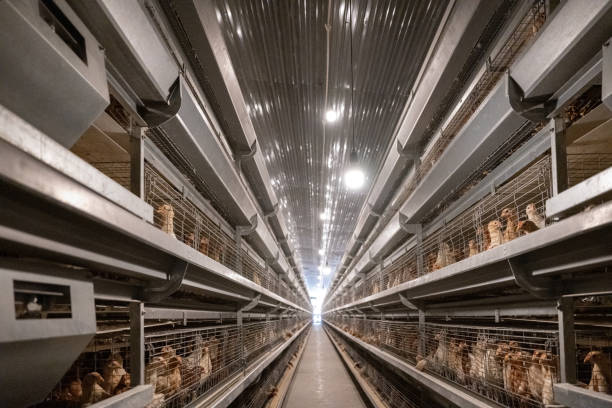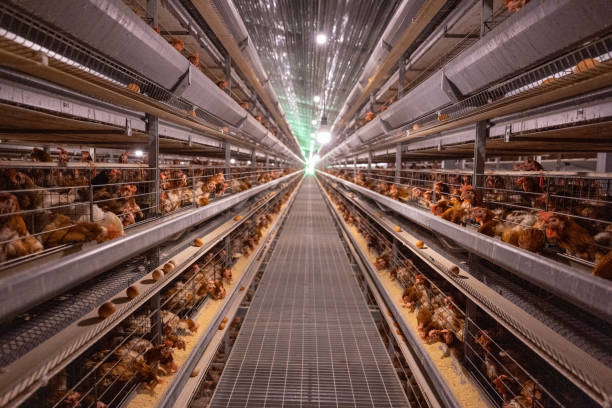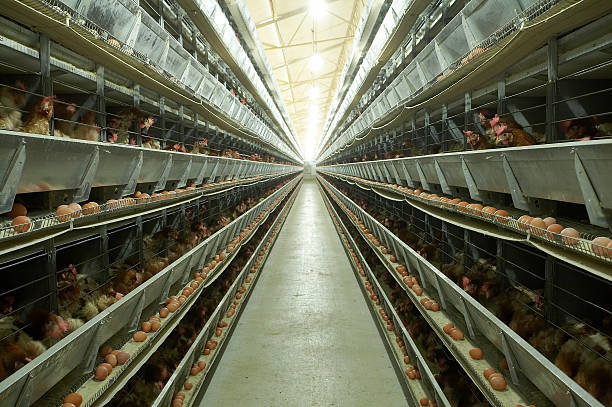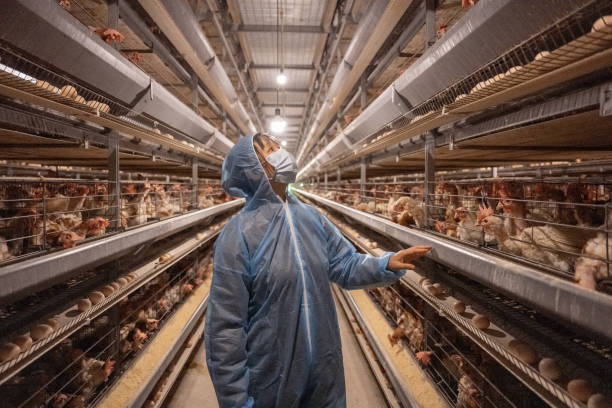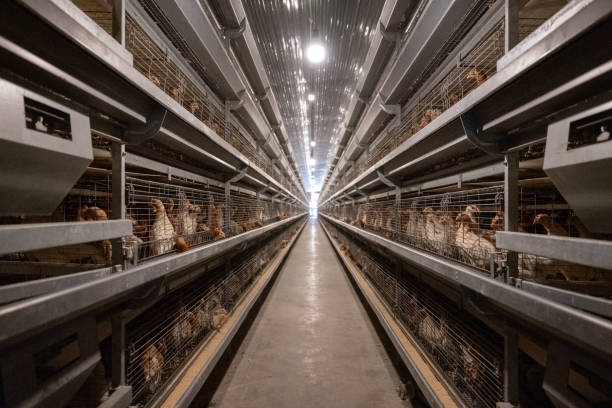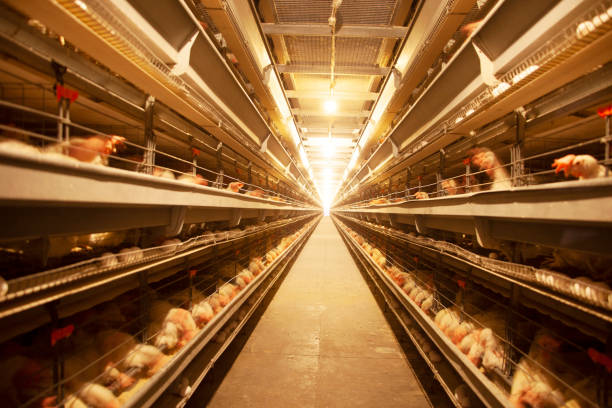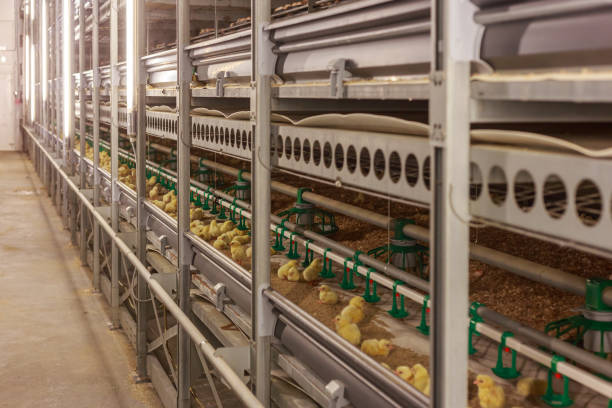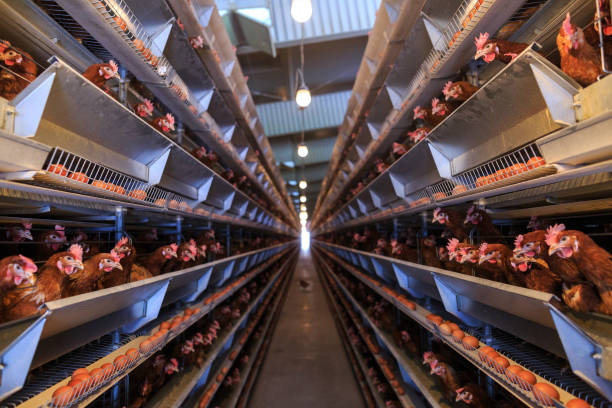

In South Africa’s competitive commercial layer farming sector, a thorough cost analysis is not merely an accounting exercise but a strategic tool for long-term viability. This section explores how a detailed financial assessment, particularly when investing in critical infrastructure like the A-type cages, directly impacts profitability and operational resilience against local market pressures.
- Capital Expenditure: The upfront cost of the cage system, automated feeding/watering, and manure removal belts.
- Operational Costs: Ongoing expenses for feed, water, labor, and energy consumption, where modern cage designs can offer significant savings.
- Maintenance & Durability: Projected costs for repairs and parts, heavily influenced by the material quality (e.g., hot-dip galvanized steel) and local technical support availability.
To make this analysis actionable, farmers should follow a structured evaluation process:
- Benchmark Local Data: Gather real quotes from South African suppliers for both equipment and installation, accounting for potential import duties on components.
- Model Productivity Gains: Quantify how improved bird welfare and automated features in a modern A-type system can enhance feed conversion ratios and egg production rates.
- Calculate ROI Scenarios: Project payback periods under different production volumes and egg price forecasts, a critical step given the rand’s volatility.
| Cost Analysis Factor | Traditional Setup | Modern A型蛋鸡笼 System |
|---|---|---|
| Initial Investment | Lower | Higher |
| Labor Cost / 10,000 Birds | ~ZAR 15,000/month | ~ZAR 8,000/month |
| Projected Payback Period | N/A | 3-5 Years |
Ultimately, a rigorous cost analysis provides the clarity needed to transform a major capital outlay into a documented profit center. We specialize in providing South African farmers with localized ROI models and durable, high-efficiency cage systems backed by on-the-ground service. Contact us for a customized financial projection for your layer operation.
Building a Complete Financial Blueprint for Your 50,000-Bird Operation
This section details the essential financial planning components for establishing a large-scale commercial poultry farm, focusing on capital allocation and operational budgeting.
- Land acquisition and site preparation
- Housing, ventilation, and biosecurity infrastructure
- The A-type layer cage system and automated feeding/watering lines
- Biosecurity measures and flock acquisition
To manage cash flow effectively, your budget must forecast recurring monthly expenses. A detailed operational model is critical for sustainability.
| Cost Category | Key Considerations | Typical % of Operational Budget |
|---|---|---|
| Feed | Primary cost driver; quality directly impacts lay rate | 60-70% |
| Labor | Skilled farm managers and technicians are essential | 10-15% |
| Utilities & Maintenance | Power for automation, water, and routine equipment upkeep | 8-12% |
Securing financing in South Africa requires a compelling business case. Lenders will scrutinize your projected Return on Investment (ROI), which hinges on layer productivity and egg market prices. A well-planned 50000 Layers Chicken Farming Business mitigates risk and attracts investment. We help you build a resilient financial model tailored to local feed costs and market dynamics. Our company provides detailed ROI projections based on our durable A-type cage systems and local technical support. Contact us for a customized capital and operational expenditure breakdown for your South African operation.
Identifying Key Savings Areas in Your Layer Chicken Farming Business
This section explores practical strategies to enhance profitability in your layer chicken farming business by targeting operational efficiency and capital expenditure. We will focus on equipment investments that deliver measurable returns, particularly within the South African context of fluctuating input costs.
- Automated feeding systems that deliver consistent rations
- Designed troughs that prevent birds from scratching out feed
- Optimized bird density that reduces competition and stress
Beyond feed, labor and energy represent significant recurring expenses. Manual egg collection and manure cleaning are time-intensive. Modern cage systems streamline these processes, leading to direct savings. Consider the following sequential upgrades:
- Implement automated egg collection belts to reduce handling time and breakage.
- Install manure drying systems beneath cages to lower cleaning frequency and improve barn air quality.
- Integrate efficient ventilation to regulate temperature, reducing the energy burden during South Africa’s summer months.
To illustrate, a farm in the Free State with 15,000 birds reported a 12% reduction in monthly feed costs and a 30% decrease in labor hours after upgrading to an automated A-type system within one year.
Optimizing your equipment is fundamental to building a resilient and profitable operation. We provide robust A-type cages engineered for the local environment, backed by on-site technical support. Contact our team for a customized ROI analysis and cage layout for your specific farm size.
Ensuring a Profitable and Scalable Commercial Layer Venture
To build a profitable and scalable commercial venture in South Africa’s layer market, strategic investment in the right infrastructure is non-negotiable. This section details how the A-type layer cage system directly addresses local challenges like feed cost volatility and labor shortages, transforming your poultry operation into a resilient and growth-ready asset.
- Feed Conversion: The integrated feeding system reduces waste by up to 15%, a critical saving given fluctuating local feed prices.
- Labor Optimization: Automated manure belts and egg collection can cut daily labor requirements by approximately 30%, mitigating skilled labor shortages.
- Health Management: The sloped wire floor and separation of birds from manure drastically lowers disease incidence, improving flock uniformity and productivity.
Scalability is built into the system’s modular architecture. You can start with a core unit for 5,000 birds and expand seamlessly to 50,000+ without redesigning your barn layout. This future-proofs your investment and allows for phased capital expenditure. For a precise expansion plan, you can request a 20,000-layer cage tailored to South African barn dimensions.
A profitable commercial layer venture requires a foundation of durable, efficient equipment. We provide A-type cages with hot-dip galvanized coating for a 15+ year lifespan in humid climates, backed by local technical support. Contact us for a detailed cost-benefit analysis specific to your farm’s scale and location.
From Blueprint to Reality: Implementing Your 50,000-Layer Farm Plan
This section details the practical steps and equipment considerations for turning your large-scale poultry farm blueprint into a fully operational facility in South Africa.
The implementation phase requires meticulous planning. Key sequential steps include:
- Finalizing the site layout and infrastructure (power, water, biosecurity).
- Procuring and installing the core housing and A-type cages systems.
- Conducting rigorous system testing before bird placement.
- Corrosion-resistant galvanized steel to handle varied climates in South Africa.
- Automated feeding, watering, and egg collection to optimize labor.
- Robust manure removal systems to maintain hygiene and bird health.
A successful case study from the Free State province in South Africa demonstrates this process:
| Farm Aspect | Detail |
|---|---|
| Location | Free State, South Africa |
| System Installed | A-Type Layer Cages |
| Flock Size | 52,000 layers |
| Key Result | Achieved 92% peak lay rate within 8 weeks of implementation |
Executing a plan of this scale demands reliable partners and precise equipment. We provide turnkey project management and cages engineered for the specific challenges of poultry farming in South Africa. Request a detailed 50,000-layer farm implementation timeline and cost breakdown today.