
Why Selecting Broiler Chicken Cages is a Foundational Decision for Tanzanian Commercial Farms
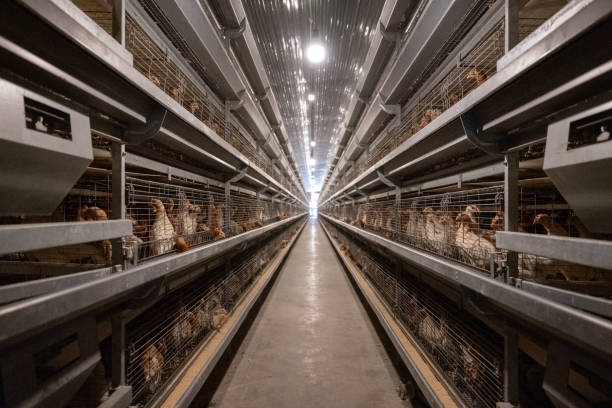
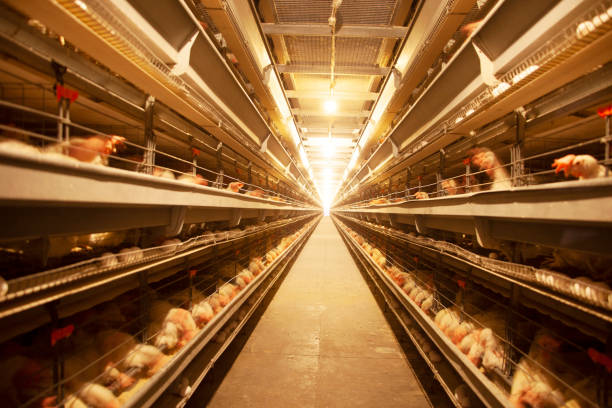
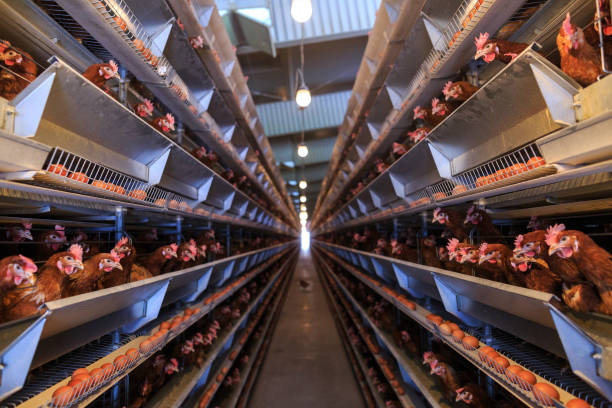
For Tanzanian commercial poultry farms aiming to maximize productivity and profitability, the choice of housing infrastructure is a critical first step. This section explores why Selecting Broiler Chicken Cages is a foundational decision, directly impacting operational efficiency, bird welfare, and long-term financial sustainability in the local context.
- Optimized Space Utilization: Cages allow for higher stocking densities in a controlled environment, a crucial factor for maximizing output on limited land.
- Enhanced Biosecurity: Elevated cages separate birds from their waste, significantly reducing the risk of disease outbreaks like coccidiosis, which can devastate flocks.
- Improved Feed Conversion Ratios (FCR): By minimizing bird movement and stress, cages help ensure more feed energy is directed toward growth, directly improving profitability.
Regionally, this decision addresses two pivotal market challenges: the high cost and inconsistent quality of feed, and the need for efficient labor management. A well-chosen cage system directly mitigates these by conserving feed through better FCR and streamlining daily tasks like feeding, watering, and monitoring. The key regional advantage is achieving higher, more predictable meat yields per cycle, which is essential for meeting growing domestic demand and competing in the market.
Ultimately, the foundational act of selecting the right cage system sets the trajectory for a farm’s success. It creates a controlled environment where birds can express their genetic potential for growth, leading to more uniform batches and reliable harvest schedules. For Tanzanian farmers, this translates into a stronger, more resilient business model capable of withstanding market fluctuations and scaling effectively.
Evaluating Broiler Chicken Cages for Durability and Operational Efficiency in a 30,000-Bird Setup
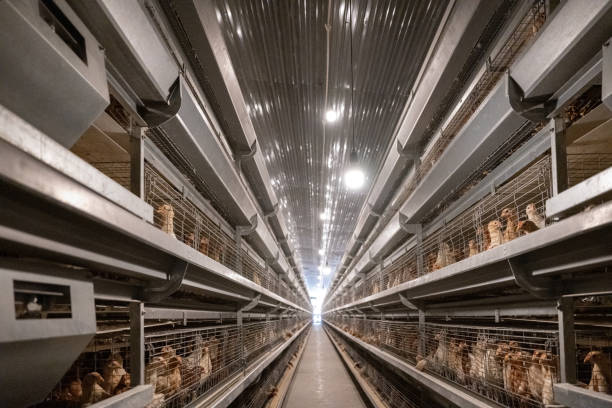
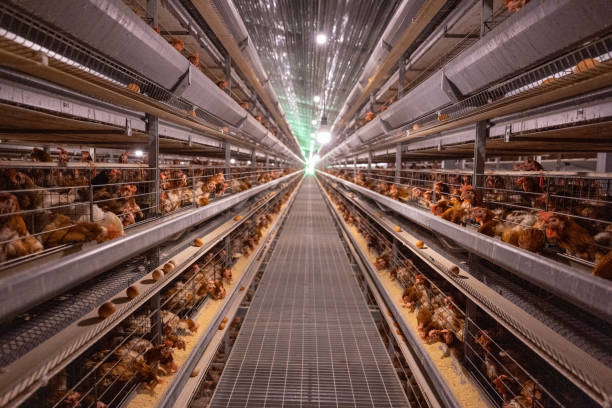
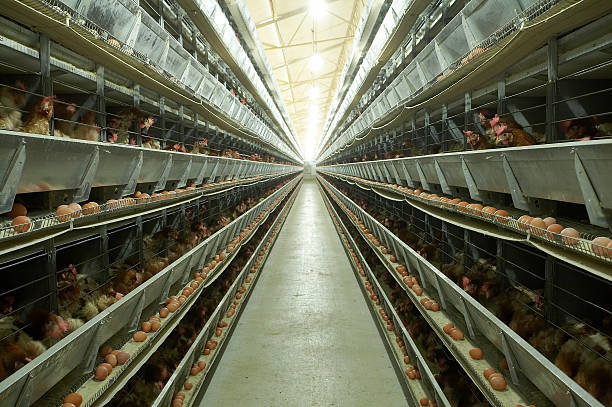
When planning a large-scale commercial operation in Tanzania, selecting the right housing system is critical. This section examines the key durability and efficiency factors to consider when evaluating broiler chicken cages for a 30,000-bird setup, focusing on the structural and operational benefits of H-type designs.
- Material Quality: Hot-dip galvanized steel is essential to resist the corrosive effects of high humidity and ammonia.
- Load Capacity: Cages must withstand the combined weight of mature birds, feed, and water systems without sagging.
- Joint Integrity: Welded or bolted connections should be reinforced to handle frequent movement and cleaning cycles.
Operational efficiency is equally vital, as it affects labor costs and bird performance. The H-type cage configuration is particularly suited for large setups due to its space-saving design and streamlined workflows.
- First, the centralized manure belt system reduces labor by 40-50% compared to manual cleaning, a significant advantage in regions with labor cost pressures.
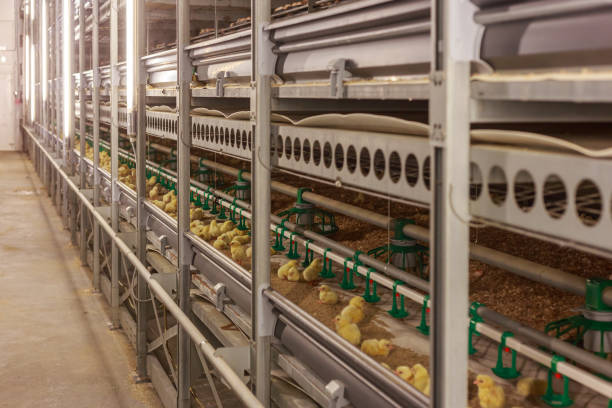
- Next, automated feeding and watering lines integrated into the H-frame ensure consistent feed delivery and reduce waste.
- Finally, the layout allows for excellent ventilation and easy bird monitoring, supporting uniform growth rates and flock health.
For a 30,000-bird farm in Tanzania, the initial investment in robust H-type cages pays dividends. We provide hot-dip galvanized cages engineered for East African conditions, backed by local technical support for installation and maintenance. Contact us for a customized layout and efficiency analysis for your specific location.
Prioritizing Bird Welfare Standards Within Your Broiler Chicken Cages
Prioritizing bird welfare is not just an ethical choice but a cornerstone of profitable and sustainable broiler farming in Tanzania. This section explores how modern broiler chicken cages can be designed and managed to meet high welfare standards, directly impacting bird health, growth rates, and overall farm productivity.
- Optimized space allowance per bird to prevent overcrowding
- Sloped flooring for improved hygiene and footpad health
- Integrated feeding and drinking systems for consistent access to feed and water
- Enhanced ventilation zones to ensure good air quality and thermal comfort
Implementing these standards within your poultry house requires a systematic approach. Farmers should follow these steps to ensure welfare is prioritized:
- Select Appropriate Equipment: Choose H-type cages specifically designed with welfare features, such as proper perch space and easy manure removal.
- Monitor Stocking Density: Adhere to recommended bird numbers per square meter to allow for free movement.
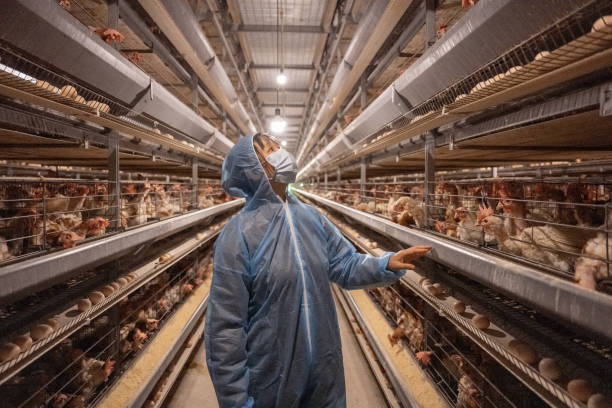
- Conduct Regular Health Checks: Implement a daily routine to inspect birds for signs of stress or illness.
- Maintain Optimal Environment: Consistently manage temperature, humidity, and ammonia levels through automated systems.
By integrating welfare standards into cage design and daily management, Tanzanian farmers can achieve significant benefits, including reduced mortality, improved feed conversion ratios, and higher-quality meat. Our company provides robust H-type systems tailored to local conditions, with durable construction and designs that simplify welfare management. [Contact us] for a customized cage layout plan that aligns with both your production goals and bird welfare commitments.
Calculating the Long-Term ROI and Growth Potential of Your Cage Investment
Understanding the long-term return on investment (ROI) and growth potential is crucial for Tanzanian poultry farmers considering an upgrade to modern housing. This analysis goes beyond initial costs, focusing on how a structured investment in broiler chicken cages drives sustained profitability and farm scalability.
- Improved feed conversion ratios (FCR) by up to 5-8% due to reduced bird stress and feed wastage.
- Higher stocking density, increasing bird capacity per square meter by 30-50% compared to floor systems.
- Reduced labor costs by 20-30% through automated feeding and watering systems integrated into the cage design.
- Lower mortality rates, directly protecting your bottom line.
To accurately calculate your ROI, consider both tangible and intangible factors over a 5-10 year period. Follow these steps:
- Calculate the total initial investment, including cages, installation, and any necessary infrastructure.
- Project annual operational savings from reduced feed, labor, and medication costs.
- Estimate the revenue increase from higher throughput and improved bird quality.
- Factor in the durable construction of H-type cages, which minimizes replacement costs and extends the asset’s productive life.
For example, a mid-sized farm in Morogoro with 10,000 birds reported a 22% increase in annual net profit within two years of switching to an H-type cage system, primarily due to the efficiencies listed above.
Ultimately, the ROI from modern cages is a function of increased output and controlled costs, enabling strategic reinvestment for growth. We specialize in providing durable, locally-supported H-type systems designed for the Tanzanian market. [Contact us] for a personalized ROI projection and cage layout plan tailored to your farm’s scale.
Making the Strategic Choice: A Roadmap for Scaling Your Tanzanian Farm
This section provides a strategic framework for Tanzanian farmers planning to expand their broiler operations, focusing on the critical role of infrastructure investment.
- Stocking Density: Optimize for 18-22 birds/m² to balance welfare and output.
- Durability: Choose hot-dip galvanized steel to withstand Tanzania’s climate for 10+ years.
- Automation Integration: Ensure compatibility with future feed and water systems.
Follow this roadmap for a successful scale-up:
- Assess Current & Future Flock Size: Plan for a 20-50% capacity increase.
- Evaluate Total Cost of Ownership: Factor in durability and local service support over 5 years.
- Prioritize Operational Flow: Design layouts that minimize labor for daily management tasks.
Implementing a structured approach to Selecting Broiler Chicken Cages is essential for sustainable growth. We provide H-type cages engineered for high-density rearing with local technical support. [Contact us] for a customized ROI analysis and layout plan for your Tanzanian farm.