
So, you’re thinking about scaling up to a 10,000-layer farm, or maybe you’re already there and drowning in the daily grind. I get it. Ten thousand birds is a serious milestone. It means you’re past the point of a side hustle and into the big leagues of commercial egg production. But here’s the hard truth that every farmer learns eventually: at 10,000 birds, your old methods become your biggest liability. You can’t run around with a scoop filling feeders all day. You can’t have a team of five people walking endless aisles picking up eggs by hand. It’s physically exhausting, and honestly, it’s bad for business. The labor costs alone can eat you alive.
That’s where automation comes in. We’ve been building automated systems since 2012, and we’ve helped countless farmers make the jump from manual chaos to smooth, efficient production. A 10,000-bird farm is the perfect candidate for full automation. It’s large enough to justify the investment, but small enough that you can still manage it like a hands-on operation. In this article, I’m going to walk you through the technology that makes it work—the cages, the feeding, the egg collection, the manure handling, and the environmental controls—and show you how it all comes together to turn your farm into a profit machine.
The Heart of the System: Layer Cages Designed for High Density
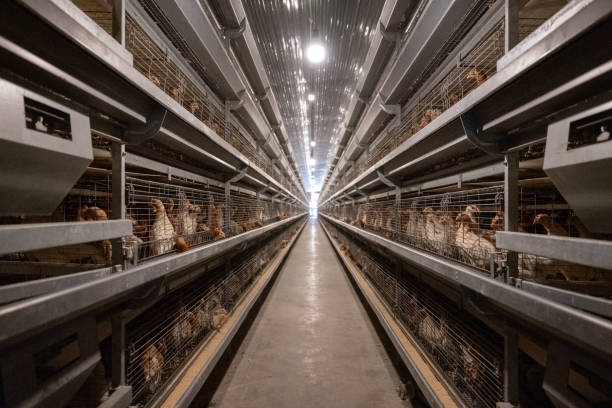
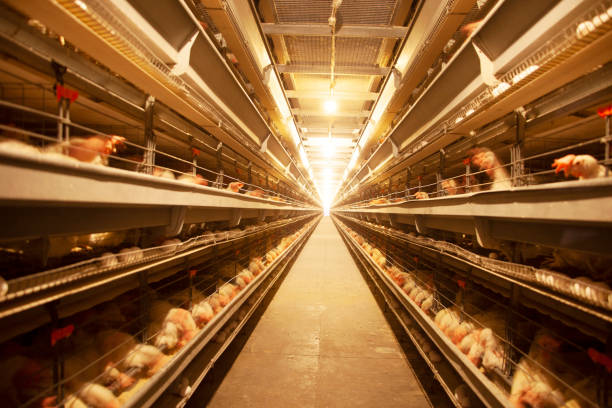
When people think of automation, they often picture the fancy computers and conveyor belts first. But the truth is, it all starts with the cages. If your cages aren’t right, nothing else works properly. For a 10,000-layer operation, you’re typically looking at either A-type or H-type cage systems. The choice depends on your building, but the goal is the same: pack as many healthy birds as possible into the space you have without sacrificing their welfare or your egg yield.
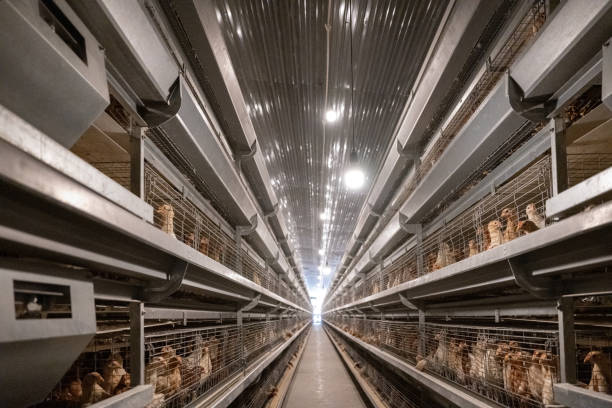
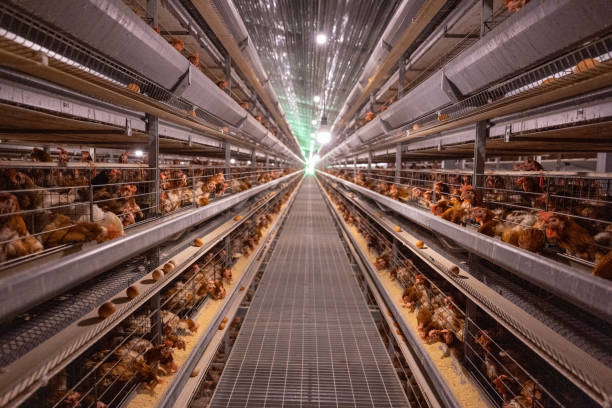
H-type layer cages are the modern standard for high-density farming. These are stacked vertically, usually in 3, 4, or even 5 tiers, supported by a sturdy H-shaped frame. The beauty of this design is that it lets you maximize your cubic footage. If you have a house with good ceiling height—say, 3.5 meters or more—you can easily house 10,000 layers in a footprint that might only hold 3,000 birds in a floor system. That’s a game-changer if land is expensive or limited. A-type cages are also a solid choice, especially if you’re retrofitting an older building with lower ceilings. They’re arranged in an A-frame shape, typically with 3 to 4 tiers, and they’re a bit easier to install in existing structures.
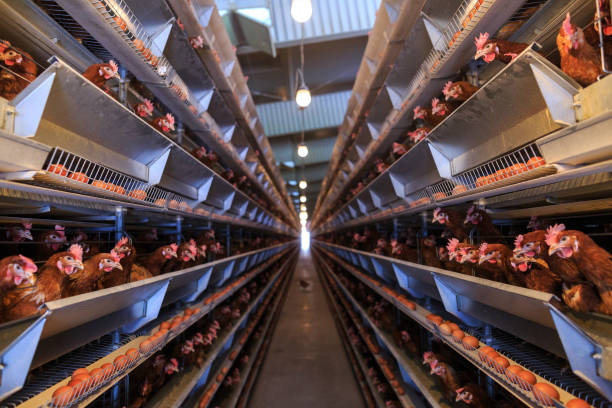
But regardless of the type, the quality of the materials matters more than anything. You want cages made from hot-dip galvanized steel wire. This isn’t just painted metal that will rust in a year or two. The hot-dip process gives the wire a thick, bonded layer of zinc that stands up to the constant moisture, manure, and washing that come with poultry farming. A good cage should last you 15 to 20 years, and the wire gauge needs to be strong enough to handle the weight of mature layers without sagging. The mesh floor should be designed with a gentle slope so that eggs roll out as soon as they’re laid, keeping them clean and preventing hens from stepping on them and causing cracks.
Feeding and Watering: Precision That Pays Off
Once you’ve got the housing sorted, the next big piece of the puzzle is nutrition. With 10,000 birds, even a small amount of wasted feed adds up to serious money over time. If each bird wastes just 5 grams of feed a day, that’s 50 kilograms of feed down the drain every single day. Over a year, you’re talking about 18 tons of wasted feed—enough to feed another whole flock. That’s why precision feeding is where automation really shines.
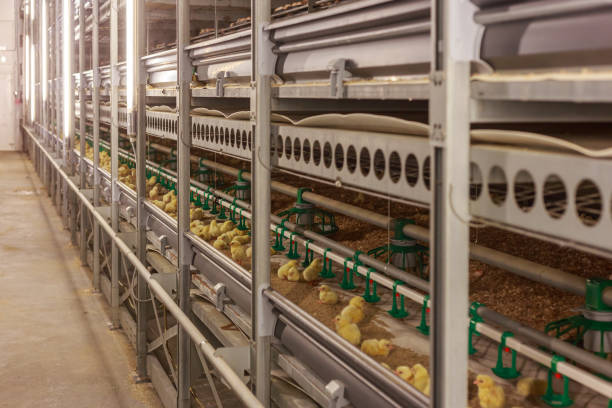
An automatic feeding system does two things brilliantly: it delivers feed consistently, and it eliminates waste. The system typically uses a hopper that travels along the feed troughs, or an auger system that pushes feed through a tube with drop points at each cage. It runs on a timer, so you can set it to distribute feed at specific times of the day—maybe early morning and late afternoon when the birds are most active. Every trough gets exactly the same amount, so the hens at the far end of the house aren’t getting short-changed while the ones near the feeder overeat. This consistency leads to a more uniform flock and better feed conversion ratios.
Watering is just as critical. For layers, nipple drinkers are the standard. They deliver fresh, clean water on demand, and because they’re enclosed, there’s no spillage that can wet the litter and cause ammonia problems. The key is the pressure regulator. You need to adjust the pressure so that the water comes out easily when the hen pecks the nipple, but doesn’t drip constantly. Too much pressure and you’ll have wet floors; too little and the birds won’t drink enough, which will kill egg production fast. In an automated system, the water lines are connected to a main supply with filters and medication dispensers, so you can treat the flock through the water if needed without running around with buckets.
Egg Collection: From Nest to Packing Room Without a Single Hand Touch
If there’s one part of automation that makes farmers cry tears of joy, it’s the automatic egg collection system. Anyone who has spent hours bent over in a layer house picking up eggs knows exactly what I’m talking about. It’s back-breaking, tedious work, and if you’re paying workers to do it, it’s expensive. Plus, human hands are clumsy. Eggs get cracked, they get dirty, and they get left behind.
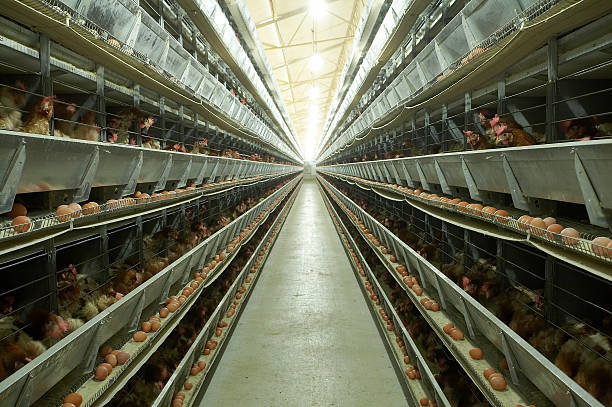
An automatic egg collection system changes everything. Here’s how it works: As soon as a hen lays an egg in the cage, the egg rolls gently down the sloped floor onto a conveyor belt that runs along the front of each row of cages. That belt slowly and carefully carries the eggs to the end of the row, where they transfer onto a cross conveyor. That cross conveyor takes them straight out of the house and into the egg collection room. From there, they might go into an automatic egg grading and packing machine, or simply be packed by hand into trays.
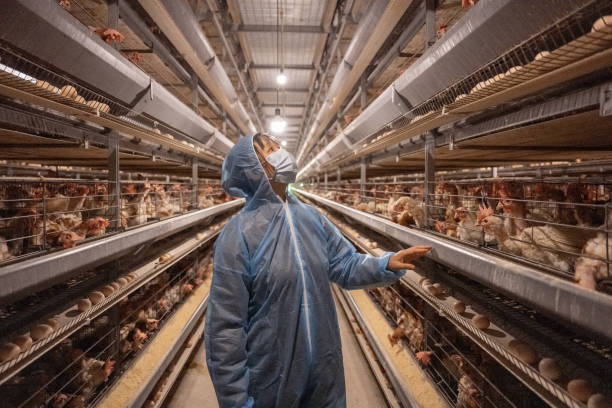
The results are stunning. Breakage rates often drop below 0.5%, compared to 2-3% or more with manual collection. The eggs are cleaner because they never touch the floor or the litter. And the labor savings are enormous. Instead of needing a team of pickers for hours every day, you might only need one or two people to monitor the system and pack the eggs. It frees up your workers to focus on things that actually need human attention, like vaccinating birds or checking for health issues. And let’s be honest—it makes the job a lot easier to keep staff in when they’re not doing the worst chore on the farm.
Manure Management and Environmental Control: Keeping the Air Clean
Here’s something that doesn’t always get talked about enough: the smell. A layer house with 10,000 birds produces a lot of manure—literally tons of it every month. If you don’t manage it properly, the ammonia fumes can burn the birds’ eyes and respiratory systems, leading to disease and lower egg production. Plus, the smell drifts to your neighbors, and nobody wants to be that farmer.
Modern automated systems solve this with manure belts. Under each tier of cages, there’s a durable belt made of heavy-duty material. Several times a day—often on a timer—the belts run, carrying the manure to one end of the house where it drops onto a cross conveyor or falls into a collection pit. This removes the waste from the living environment almost immediately. The result is dramatically lower ammonia levels. When you walk into a house with a good manure belt system, you can actually take a deep breath without choking. That’s huge for bird health and for worker comfort.
The manure itself isn’t just waste; it’s a valuable byproduct. Because it’s removed fresh and kept relatively dry, it makes excellent organic fertilizer. Many farmers sell it to local crop farmers or even bag it and sell it commercially. It turns a disposal problem into an extra income stream.
And then there’s the environment. Birds are sensitive to temperature and humidity. If they get too hot, they stop eating and laying. If they get too cold, they burn calories just to stay warm instead of putting them into eggs. An automated environmental control system ties everything together. Sensors in the house constantly monitor temperature, humidity, and ammonia levels. They automatically turn fans on and off, open and close curtains or vents, and run cooling pads when it’s hot. Some systems can even send alerts to your phone if something goes wrong in the middle of the night. It’s like having a 24/7 farm manager who never sleeps.
Putting It All Together: The Bottom Line
When you add up all these pieces—the cages, the feeding, the watering, the egg collection, the manure belts, and the climate control—you get something that’s more than just equipment. You get a system that runs itself, freeing you up to focus on the big picture. The numbers speak for themselves. Farmers who automate a 10,000-layer farm often see labor costs drop by 60% or more. Feed waste virtually disappears. Egg production becomes more consistent, and the eggs themselves are cleaner and less likely to break. Mortality rates drop because the birds are living in a healthier environment.
Yes, there’s an upfront investment. Quality equipment costs money. But when you spread that cost over the 15-year life of the system, it’s a fraction of what you’d spend on labor and lost production with a manual setup. And the peace of mind—knowing that your birds are comfortable and your operation is running smoothly even when you’re not there—is priceless.
We don’t just sell you a box of parts. We work with you to design a system that fits your building, your climate, and your goals. We’ve done it for farmers all over the world, and we’d love to do it for you. Whether you’re building from scratch or upgrading an existing farm, we can help you make the leap to automation.
Ready to take the stress out of your 10,000-layer farm? Contact Livi Machinery today for a free consultation and custom system design. Send us your farm dimensions and bird capacity, and we’ll show you how automation can transform your bottom line.
Frequently Asked Questions
Q1: Is a 10,000-bird farm big enough to justify full automation?
Absolutely. Ten thousand birds is actually the sweet spot for automation. It’s large enough that the labor savings pay for the equipment quickly, but small enough that the system is still manageable for a single owner-operator. Many farmers see a full return on investment within 2 to 3 years.
Q2: How many workers do I need to run an automated 10,000-layer farm?
With a fully automated system—including automatic feeding, watering, egg collection, and manure removal—you can typically run the farm with just 2 or 3 people. Their main jobs shift from manual labor to monitoring equipment, checking bird health, and packing eggs.
Q3: What happens if the power goes out?
A reliable automated farm has backup power. We strongly recommend installing a standby generator that automatically kicks on during an outage. This keeps the ventilation, feeding, and water systems running. Some farmers also use solar panels with battery storage as a supplement.
Q4: How long do automated layer cages last?
High-quality hot-dip galvanized steel cages typically last 15 to 20 years with proper maintenance. The key is the quality of the galvanization—cheap cages may rust out in just a few years. Always invest in well-made equipment from a reputable manufacturer.
Q5: Can I install an automated system in my existing poultry house?
In most cases, yes. We can assess your existing building—including dimensions, ceiling height, and structural integrity—and design a system that fits. For houses with lower ceilings, A-type cages are often the best choice. For taller buildings, H-type cages maximize space.
Q6: What maintenance do these systems require?
Routine maintenance is fairly simple. You’ll need to periodically check motors, belts, and sensors to ensure everything is running smoothly. Lubricate moving parts as recommended, and keep sensors clean. The beauty of automation is that it replaces daily grunt work with occasional technical checks.
Q7: Will automation really improve my egg production numbers?
Yes, indirectly. Automation creates a stable, stress-free environment with consistent feeding and optimal air quality. When birds are healthy and comfortable, they lay more consistently and maintain peak production longer. Many farmers see a noticeable increase in their annual egg yield.
Q8: How does automatic egg collection prevent breakage?
The system uses gentle slopes and padded collection points. Eggs roll slowly onto conveyor belts rather than dropping or bumping into each other. This careful handling reduces breakage rates to less than 0.5%, much lower than manual collection.
Q9: What do I do with all the manure from 10,000 birds?
The manure belts remove waste daily, keeping it relatively dry. This manure is excellent organic fertilizer. Many farmers sell it to local crop farmers or bag it for garden centers. It turns a waste product into an extra income stream.
Q10: Do you offer support for farms outside of China?
Yes, absolutely. Livi Machinery has been serving international customers since 2012. We provide full support for global clients, including shipping, remote technical guidance, and on-site installation supervision upon request. We speak your language and understand your local farming conditions.