
If you’re a poultry farmer in South Africa looking to step up your broiler production, you’ve probably noticed that the industry is changing fast. With the rising demand for chicken meat in cities like Johannesburg, Cape Town, and Durban, plus the need to stay competitive against bigger operations, traditional floor systems just aren’t cutting it anymore. The good news? South Africa has a thriving poultry equipment market, and finding quality broiler cages has never been easier. We’ve been supplying equipment to South African farmers since 2012, and we’ve seen firsthand how the right cage system can turn a struggling farm into a profitable business. In this guide, we’ll walk you through everything you need to know about broiler cages for sale in South Africa—from the types available and the materials used, to costs, suppliers, and how to choose the perfect setup for your farm.
Why Broiler Cages Are Taking Over in South Africa
South Africa is a poultry powerhouse, leading the continent in chicken meat production . But with growth comes challenges. Land is expensive in prime farming areas, labor costs keep rising, and disease outbreaks can devastate a flock in no time. That’s where broiler cages come in .
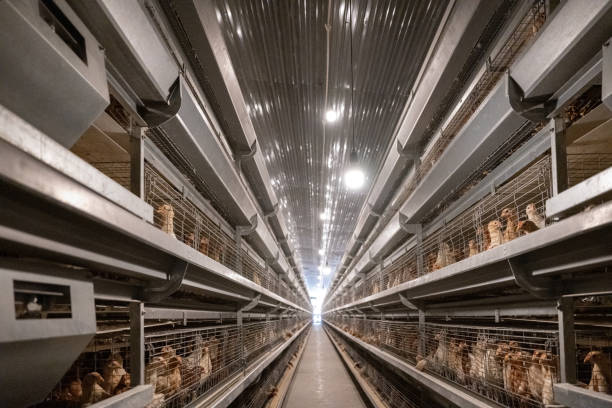
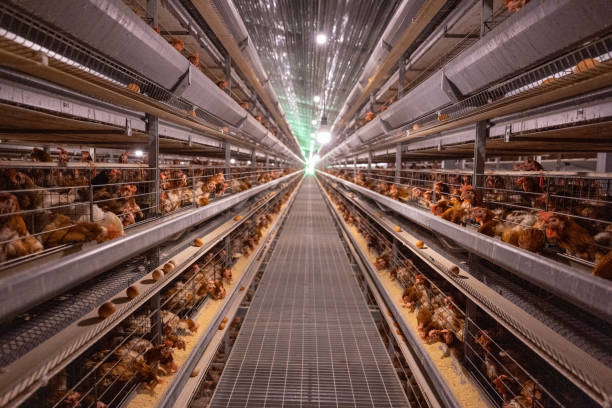
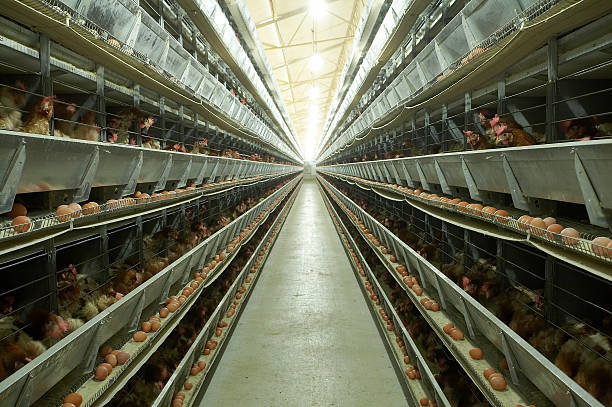
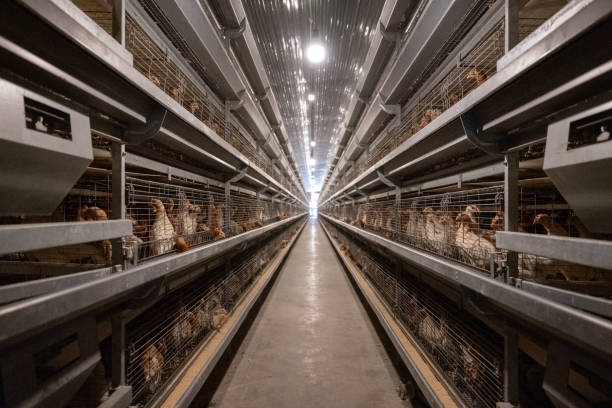
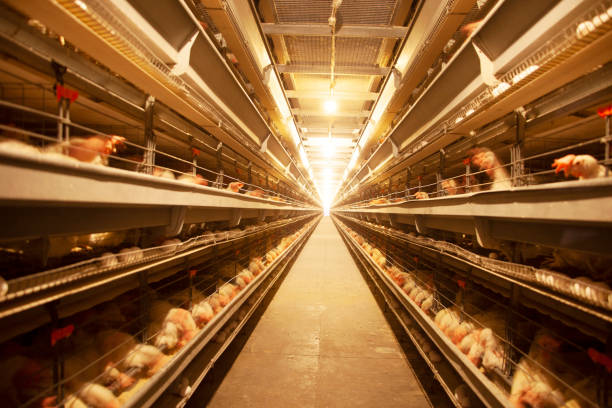
Broiler cages are specially designed housing systems for meat-producing chickens, supporting intensive farming by keeping birds in controlled environments until they reach market weight. The advantages are hard to ignore. Sloped flooring enables efficient waste removal, keeping birds cleaner and slashing disease risk. They maximize space for high-density rearing, meaning you can pack more birds into the same square footage. And by reducing contact with droppings, you lower the chances of infections like coccidiosis that plague floor-raised birds.
South Africa’s diverse climate—from the humid coast of KwaZulu-Natal to the dry Highveld—makes controlled environments essential. Modern broiler houses with proper cage systems allow farmers to manage temperature and ventilation year-round, ensuring consistent growth regardless of what’s happening outside .
Of course, cages aren’t a magic bullet. You still need strict ventilation and temperature control, especially during those scorching Pretoria summers. And because broilers grow fast—typically ready in 6 to 8 weeks—you’re turning over batches quickly, which requires solid management . But for commercial farms focused on efficient meat production, cages are simply the better way to go.
Types of Broiler Cage Systems Available in South Africa
When you start shopping for broiler cages in South Africa, you’ll come across several main types. Understanding the differences helps you make the right call for your farm.
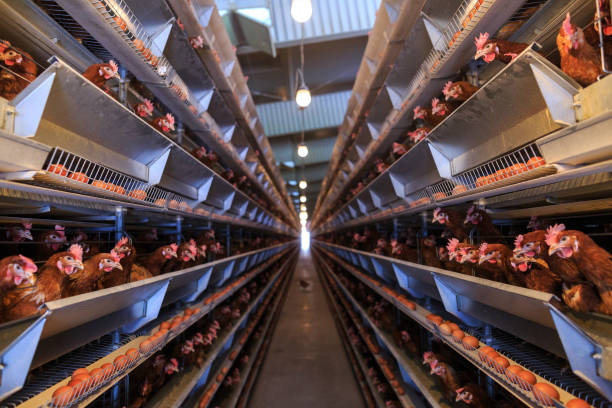
Battery broiler cages are the most common for commercial operations. These are stacked in multiple tiers—usually three or four levels high—and designed for high-density production. They work beautifully with automated feeding and watering lines, and many farmers in Mpumalanga and the North West are using them to supply processors with consistent volumes of meat . The key consideration with battery cages is ventilation; because birds are stocked densely, you need good airflow to prevent heat stress, especially during summer.
A-type vs. H-type cages refers to the frame design. A-type cages are arranged in an A-frame shape, typically with 3 to 4 tiers, and are easier to install in existing buildings with standard ceiling heights. H-type cages are the modern standard for high-density farming, stacked in a straight vertical arrangement up to 5 or more tiers high . If you have a house with good height—say, 3.5 meters or more—H-type cages let you maximize your space and integrate more seamlessly with full automation.
Semi-enclosed vs. full-enclosed cages is another distinction. Semi-enclosed cages offer some protection but not complete enclosure, sometimes used for younger birds adjusting to their environment. Full-enclosed cages are the most common, offering complete protection from predators and environmental factors while providing a controlled environment for optimal growth .
Multilevel cages stack on top of one another, allowing efficient use of space—particularly useful in large-scale operations where every square meter counts .
Materials Matter: What South African Farmers Need to Know
The material your cages are made from determines how long they’ll last and how well they perform in South African conditions. And let’s be real—nobody wants to replace equipment every few years.
Galvanized steel is the industry standard for good reason. It offers an exceptional balance of strength, durability, and cost-effectiveness. The galvanization process coats the steel with a protective layer of zinc, which acts as a barrier against moisture and corrosion . This is crucial in poultry houses where frequent cleaning, water spillage, and natural condensation create consistently damp conditions. Quality cages use hot-dip galvanizing, which provides a thicker, more durable coating than electro-galvanizing. When properly installed and maintained, galvanized cages can last 8 to 12 years or more, making them a smart long-term investment .
Stainless steel represents the premium end of the market, offering unmatched resistance to rust, corrosion, and bacterial growth. While significantly more expensive than galvanized options, stainless steel is ideal for high-end, biosecure farms or operations in regions with exceptionally high humidity or frequent washdowns . It requires minimal maintenance and doesn’t degrade over time.
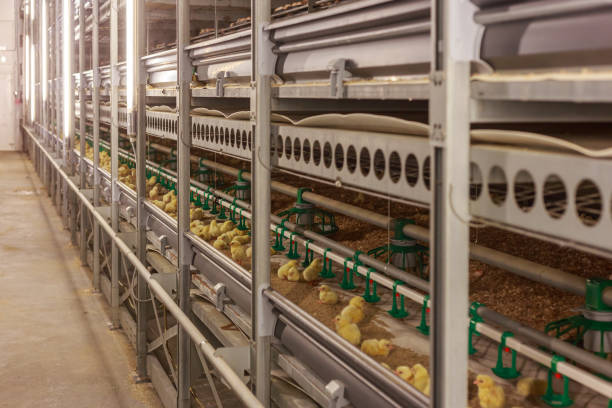
Plastic components are gaining popularity for specific items like feeders, drinkers, and chick brooder parts. These materials are rust-proof, lightweight, and easy to clean—making them excellent for maintaining hygiene . While not suitable for primary structural frameworks, plastic components complement metal cages nicely. Just be aware that plastic may degrade under prolonged UV exposure, so check that it’s UV-stabilized .
Wire mesh is the backbone of modern poultry housing. When selecting cages, pay attention to wire gauge and mesh size. Thicker gauges (lower gauge numbers) provide greater strength. Mesh openings should be sized so droppings fall through easily but birds’ feet don’t get caught. The floors allow waste to drop through, significantly reducing contact with manure and lowering disease transmission.
What Does a Broiler Cage System Cost in South Africa?
Let’s talk numbers, because this is what every farmer really wants to know. Costs vary based on capacity, automation level, and equipment quality, but here’s a general picture.
For broiler cages themselves, you’re typically looking at anywhere from R8,000 to R20,000 depending on size and features . More advanced systems with automation will cost more upfront but save you massively on labor over time.
For a complete broiler system including cages, feeding lines, watering systems, and ventilation, prices scale with capacity. A setup for a medium-sized farm might run R25,000 to R80,000, while large commercial operations with full automation can easily exceed R100,000 .
Automated feeding systems add efficiency but come at a price. A gas cage feeder with 3 tiers and 144-unit capacity typically ranges from R25,000 to R40,000 . These systems distribute feed evenly and can include heating elements for chicks—particularly useful in South Africa’s colder regions.
Watering systems like the Drinker 500, with 500-liter capacity, run about R3,500 to R6,000 . These ensure constant access to clean water, which is vital for digestion and growth.
If you’re importing equipment directly, remember to factor in shipping, customs, and installation. But many farmers find that importing from manufacturers like Livi Machinery offers better value than buying from local dealers who mark up imported units, and you get the benefit of dealing directly with the producer .
One word of caution: beware of extremely cheap cages. Some suppliers use thin wire or poor galvanization to cut costs, and those cages can rust out or collapse within a couple of years. A “bargain” that fails after one season ends up costing you more in lost birds and replacement than buying quality equipment from the start.
Leading Suppliers in South Africa
South Africa has a robust network of poultry equipment suppliers, ranging from local manufacturers to international representatives. Here are some of the key players:
Livi Machinery is a leading international supplier with extensive experience in the South African market. We’ve successfully completed installations for farms of all sizes, including a recent 30,000-bird broiler project that reported enhanced feed conversion rates, higher survival rates, and improved growth performance . We offer customized solutions tailored to South African conditions, with cages made from high-quality, corrosion-resistant materials designed for long service life .
Spartan Poultry Equipment, based in Midrand, Johannesburg, has been in business since 1988 and is a major player in Southern Africa . They’re the exclusive agents for world-known suppliers and offer a comprehensive range including broiler equipment, automatic rearing cages, feeding systems, ventilation, cooling systems, and environmental controls . They have offices in Cape Town and serve clients across the region.
FRD Poultry Farming Equipment was founded in South Africa in 2016 and specializes in serving farmers across the country . They produce chicken breeding equipment including feeders, drinkers, nipple dispensers, poultry baskets, and heating lamps, plus automatic feeding lines and environmental temperature control equipment. They’ve set up a 4,500-square-meter warehouse in Johannesburg and established 25 distributors across South Africa, Lesotho, and Eswatini .
Agriquip South Africa (Pty) Ltd specializes in the design and manufacture of high-quality poultry equipment, including broiler cages .
Poultry Solutions offers a range of broiler cages and accessories for various stages of broiler growth .
Poultry Pro Africa provides comprehensive poultry farming solutions, including broiler cages that meet international standards .
When choosing a supplier, look for companies with local presence, good reviews, and after-sales support. Ask for references and, if possible, visit existing installations to see the equipment in action.
Key Considerations for Your South African Farm
Before you pull the trigger on a purchase, think through these practical factors.
Space allocation matters for bird welfare and growth. Broilers need enough room to move comfortably without overcrowding. The recommended space is around 0.1 to 0.15 square meters per bird at finishing stage . Some sources suggest up to 0.25 to 0.35 square meters depending on growth stage . Overcrowding leads to stress, poor growth, and more leg problems.
Ventilation is absolutely critical in South Africa’s climate, especially during summer when temperatures can soar. Good airflow prevents respiratory issues and heat stress, which can devastate a flock. Modern systems include automated fans, evaporative cooling pads, and smart controllers that monitor temperature and humidity 24/7 . Some farmers are adding solar-powered backup systems to keep fans running during power outages—a smart move given Eskom’s challenges.
Water and power reliability are non-negotiable. Automated systems need consistent electricity for feeding motors and ventilation fans. In many parts of South Africa, that means investing in a backup generator or solar solution. Water should be clean and available at all times—boreholes or large storage tanks are common solutions.
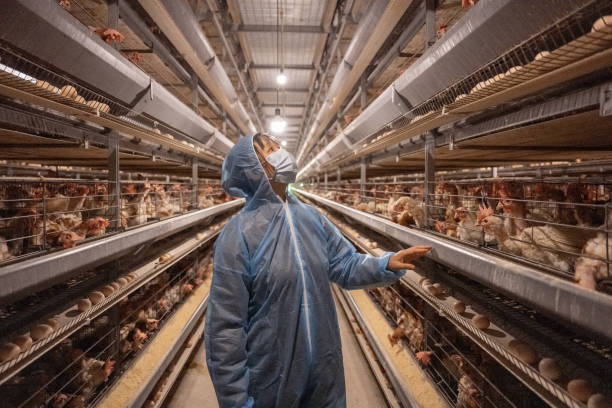
Biosecurity should be a top priority. Cages make it easier to maintain a clean environment, but you still need protocols for cleaning between flocks, controlling visitor access, and managing disease risks.
Installation and maintenance are often overlooked in the excitement of buying new equipment. Ask your supplier about installation support—do they offer on-site supervision, detailed manuals, or video guides? . Also check on spare parts availability. Even the best equipment needs occasional repairs, and you don’t want to wait weeks for a critical part to arrive.
Expansion potential is worth considering if you plan to grow. Look for modular systems that allow you to add more rows or tiers as your business expands . The last thing you want is to outgrow your equipment in two years and have to tear everything out and start over.
Making Your Investment Work
Investing in broiler cages is a significant decision, but the returns are real. Farmers who make the switch typically see labor costs drop dramatically, feed efficiency improve, and mortality rates fall. Many recoup their investment within 2 to 4 years through lower operating costs and higher productivity.
At Livi Machinery, we’re committed to helping South African farmers succeed. We offer free consultations, custom farm design, and equipment quotations tailored to your specific needs . Whether you’re starting with 5,000 birds or scaling up to 80,000, we can design a system that fits your farm and your goals.
Ready to take your broiler farm to the next level? Contact Livi Machinery today for a free consultation and custom quote. Tell us about your bird capacity and location, and we’ll design a broiler cage system that maximizes your efficiency and profits in South Africa’s growing poultry market.
Frequently Asked Questions
Q1: What’s the best type of broiler cage for South African conditions?
Battery cage systems with good ventilation are most common. Look for multi-tier H-type or A-type cages made from galvanized steel, paired with automated fans and cooling pads to manage heat stress during summer months. Your choice depends on building height and budget.
Q2: How much space does each broiler need in a cage?
The recommended space is around 0.1 to 0.15 square meters per bird at finishing stage . Some sources suggest 0.25 to 0.35 square meters depending on growth stage and bird size . Proper spacing prevents overcrowding, reduces stress, and supports healthy growth.
Q3: How long do galvanized steel cages last in South Africa?
High-quality hot-dip galvanized steel cages typically last 8 to 12 years or more with proper maintenance . Durability depends on the quality of galvanization and how well you maintain the equipment. Stainless steel lasts longer but costs significantly more .
Q4: What’s the cost range for broiler cages in South Africa?
Broiler cages themselves typically range from R8,000 to R20,000 depending on size and features . Complete systems with automation can run from R25,000 for medium farms to over R100,000 for large commercial operations . Get multiple quotes and compare total value, not just price.
Q5: Who are the reliable broiler cage suppliers in South Africa?
Reputable suppliers include Spartan Poultry Equipment (Johannesburg), FRD Poultry Farming Equipment (national with Johannesburg warehouse), Agriquip South Africa, Poultry Solutions, and international companies like Livi Machinery with local experience .
Q6: Do I need automated feeding and watering systems?
For farms over a few thousand birds, automation pays for itself through labor savings. Automated systems ensure consistent nutrition, reduce waste, and free up workers for other tasks . Even partial automation is a smart investment.
Q7: How do I handle ventilation during South Africa’s hot summers?
Install automated fans and evaporative cooling pads, and consider backup power like generators or solar to keep fans running during outages . Good airflow is essential to prevent heat stress, which hurts growth and can kill birds.
Q8: Can I install the cage system myself?
Many farmers complete assembly with a small team using detailed manuals and video guides . For larger projects, professional installation and training are recommended and often available from suppliers.
Q9: What maintenance do broiler cages require?
Regular maintenance includes checking for rust spots, tightening bolts, ensuring feeders and drinkers work properly, and cleaning manure belts. With quality galvanized steel, maintenance is minimal compared to cheaper alternatives .
Q10: Are there financing options available for poultry equipment?
While many suppliers don’t provide direct loans, some can assist with documentation for bank presentations or connect you with agricultural financing programs. Check with local agricultural banks and development finance institutions.