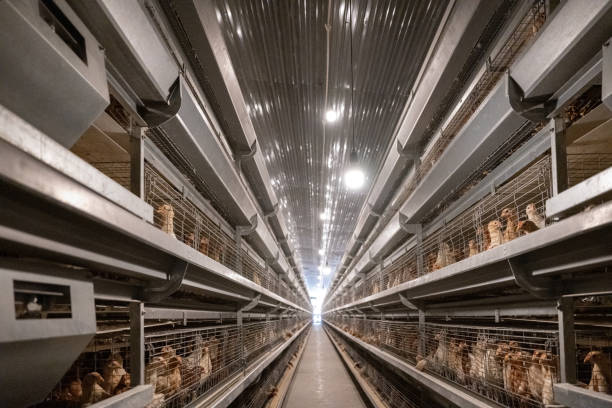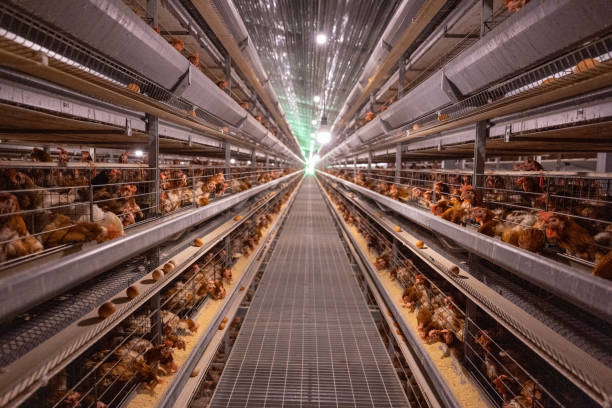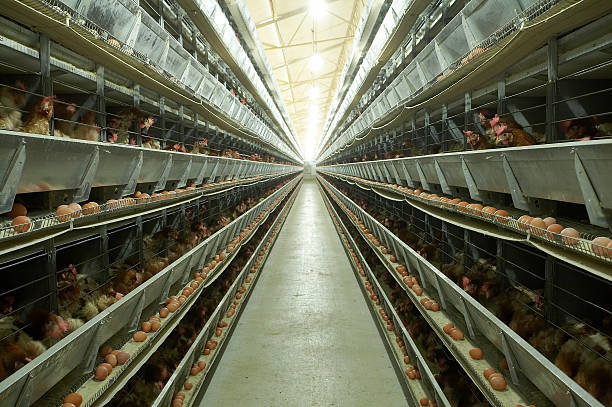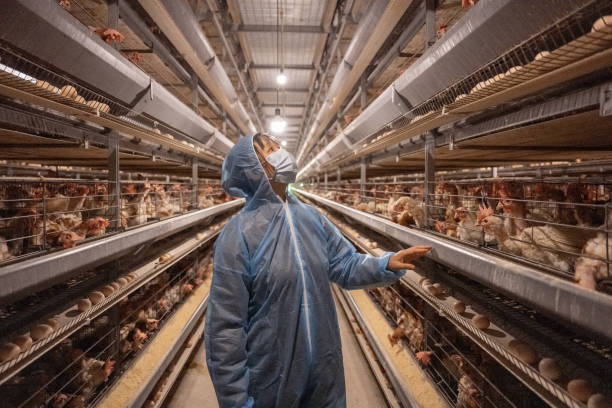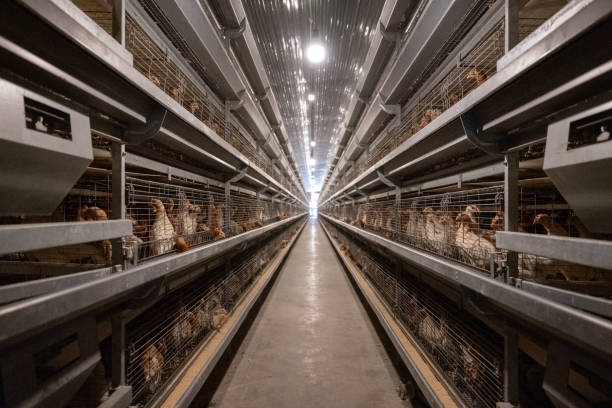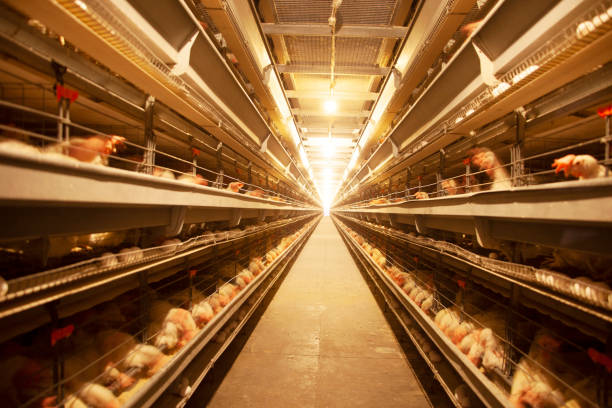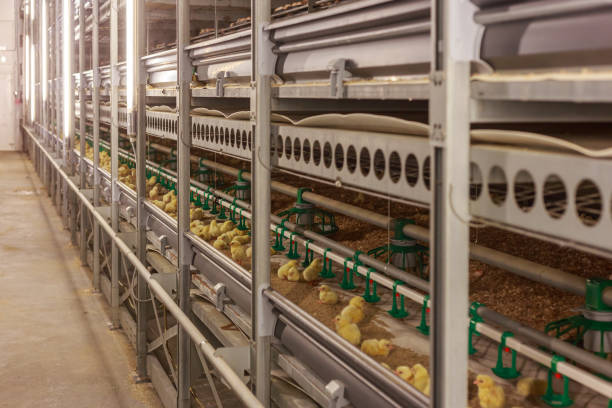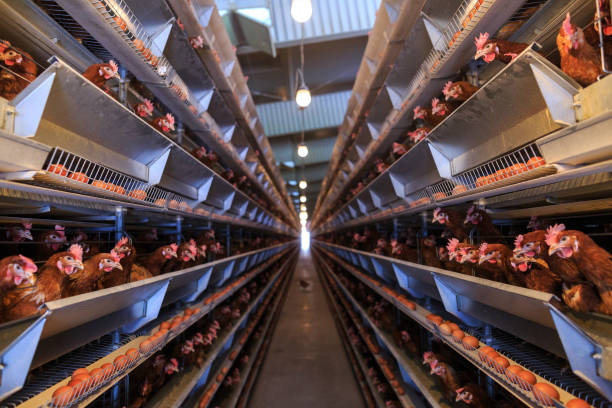

For poultry farmers in Cameroon managing flocks of 10,000 birds, scaling operations efficiently is the primary challenge. This section explores how investing in modern infrastructure, specifically high capacity chicken cages, transforms large-scale farming from a logistical burden into a profitable, streamlined enterprise by addressing core issues of space, labor, and bird management.
- Maximized Land Use: Vertical stacking in multi-tier systems dramatically increases bird density per square meter.
- Labor Optimization: Automated systems for feeding, watering, and egg collection reduce daily manpower requirements by up to 60%.
- Improved Flock Health: Separation from waste and controlled environments lower disease incidence, crucial for maintaining biosecurity.
Selecting the right system requires focusing on features that perform reliably in the local context. For enduring performance in Cameroon’s climate, farmers should prioritize durability and integrated support. Key features to specify include:
- Corrosion-Resistant Materials: Hot-dip galvanized steel to withstand humidity and ensure a long service life.
- Integrated Utility Systems: Built-in nipple drinkers and feed troughs designed for minimal waste and consistent access.
- Local Technical Support: Availability of spare parts and maintenance services within the region to prevent prolonged downtime.
Implementing a high-capacity cage system is a decisive step toward industrial-grade poultry production in Cameroon. It converts capital into tangible gains in productivity, biosecurity, and operational control. We provide cages engineered for tropical climates with on-ground assembly support to ensure a smooth setup. Request a customized 10,000-bird farm layout and ROI analysis for your location in Cameroon.
Analyzing the Core Cost Structure for High Capacity Chicken Cages in Cameroon
This section breaks down the key financial components of investing in modern poultry housing, focusing on the initial and operational expenses that define the project’s viability for Cameroonian producers.
- Cage material (e.g., galvanized steel vs. coated wire)
- Integrated systems for feeding, watering, and egg collection
- Structural support and housing modifications
For the Cameroonian context, several regional factors directly influence both investment and long-term value. When analyzing costs, farmers must prioritize features that address local challenges to ensure a positive return on investment. Essential considerations include:
- Durability Against Climate: Selecting materials that resist high humidity and temperature fluctuations to minimize maintenance costs.
- Local Service & Parts: Factoring in the availability and cost of technical support and replacement components.
- Energy & Water Efficiency: Opting for designs that reduce reliance on unstable grid power and conserve water resources.
| Cost Component | Primary Factors | Impact on ROI |
|---|---|---|
| Capital Investment | Cage material, automation level, system capacity | Defines payback period and financing needs |
| Operational Costs | Feed waste reduction, labor efficiency, utility consumption | Determines long-term profitability margins |
A thorough financial analysis for high capacity chicken cages in Cameroon must balance upfront investment with these critical operational efficiencies. We provide customized cost-benefit models that account for local utility rates and labor costs. To receive a detailed cost breakdown tailored for your specific region and planned flock size in Cameroon, request a quote today.
Maximizing Space Efficiency and Flock Management with High Capacity Chicken Cages
For poultry farmers in Cameroon aiming to scale operations, the strategic adoption of high capacity chicken cages is a transformative step. This approach directly tackles the dual challenges of maximizing limited land use and streamlining flock management, turning spatial constraints into a competitive advantage for enhanced productivity.
Implementing these systems begins with selecting the right capacity range to match your operational goals and market demands. A well-planned layout is crucial for optimizing workflow and bird welfare.
- First, assess your available land area and projected flock size to determine the optimal cage tier configuration.
- Next, plan the placement to ensure efficient access for feeding, egg collection, and manure removal.
- Finally, integrate systems for automated feeding and watering to minimize labor and maintain consistent bird health.
- Enhanced Durability: Constructed with corrosion-resistant materials to withstand local climatic conditions.
- Optimized Bird Density: Engineered designs that provide adequate space per bird to reduce stress and prevent disease outbreaks.
- Integrated Manure Management: Systems that keep waste away from the birds, improving hygiene and simplifying cleanup.
- Modular Scalability: Allows farmers to start at a manageable scale and expand capacity incrementally as their business grows.
By centralizing birds in a controlled environment, these cage systems simplify critical management tasks. Farmers can more effectively monitor flock health, uniform feed intake, and egg production rates. This leads to better resource allocation, lower mortality rates, and a more predictable output, which is essential for meeting commercial contracts and local market supply.
We help Cameroonian farmers achieve greater density and healthier flocks with our robust cage systems. Our company provides locally adapted designs with on-the-ground technical support for installation and maintenance. [Contact us] for a customized layout plan to maximize your poultry house efficiency.
Calculating the Long-Term Profitability of Your 10,000-Bird Poultry Operation
This section provides a framework for analyzing the total return on investment for a large-scale poultry farm in Cameroon, moving beyond initial costs to consider operational efficiency and lifespan.
- Price of the cage system and automated feeding/watering lines.
- Construction costs for the poultry house structure.
- Costs for biosecurity measures and climate control ventilation.
The real profit driver is the enhanced operational efficiency these systems enable. Properly designed high capacity chicken cages maximize space, improve bird health, and reduce labor, which lowers your cost per egg or kilogram of meat. To project profits, analyze these key metrics over a 5-10 year period:
- Increased production output (e.g., higher hen-day egg production percentage).
- Reduced feed waste and mortality rates.
- Significant savings on manual labor for feeding and manure collection.
For a relevant case study, consider a farm in the West Region of Cameroon that upgraded to a modern cage system for 10,000 layers. Within two years, they reported a 15% reduction in feed costs due to minimized waste and a 12% increase in egg collection efficiency, substantially improving their annual net profit.
A thorough profitability analysis proves that while the upfront cost is significant, the right equipment pays for itself through superior efficiency and durability. We provide customized ROI projections using local cost data and supply robust systems engineered for the Cameroonian climate. Contact our team for a detailed financial model tailored to your 10,000-bird operation plan.
Implementing Your Scalable Poultry System: A Practical Roadmap for Cameroonian Farmers
This section provides a practical, phased approach to establishing a modern poultry farm in Cameroon, focusing on infrastructure that supports growth.
- Secure housing with proper ventilation
- Reliable water and feed lines
- A biosecurity entry point
For the core housing, selecting the right equipment is crucial. High capacity chicken cages maximize your building’s footprint, improving bird management and egg collection. Prioritize these features:
- Robust galvanized steel construction
- Integrated manure removal belts
- Easy-access egg collection systems
Implementing this scalable roadmap helps Cameroonian farmers build a resilient operation. We specialize in durable systems tailored to local conditions, with expert planning support. [Contact us] for a customized barn layout and quotation.