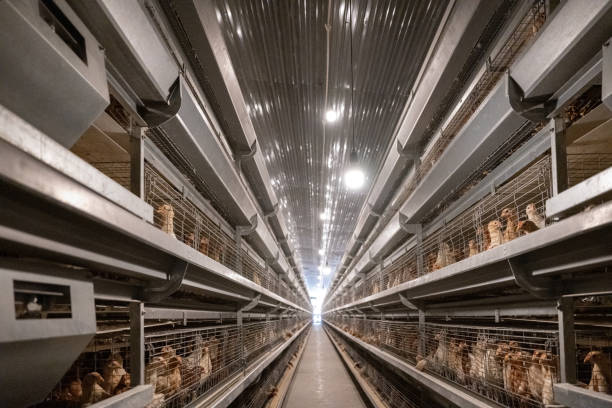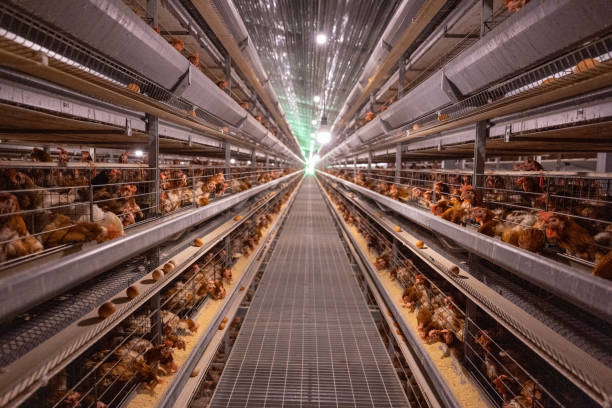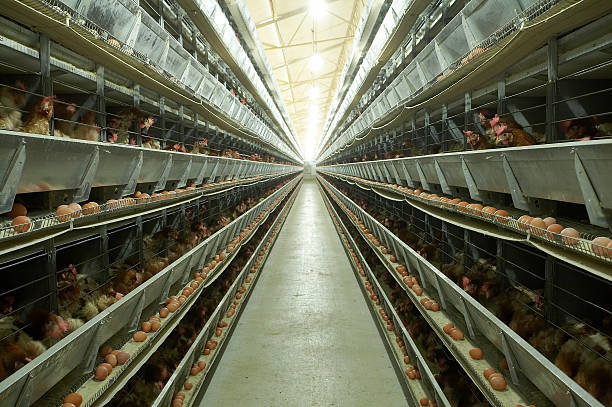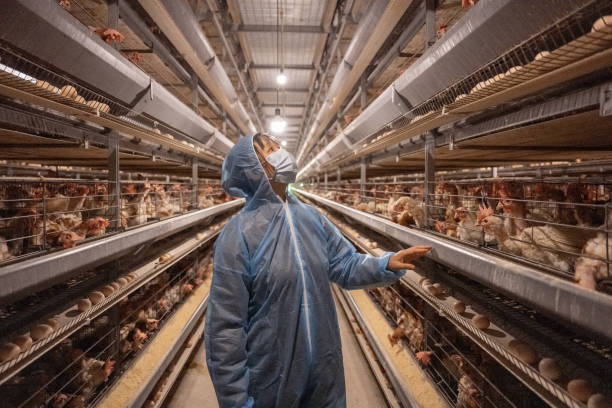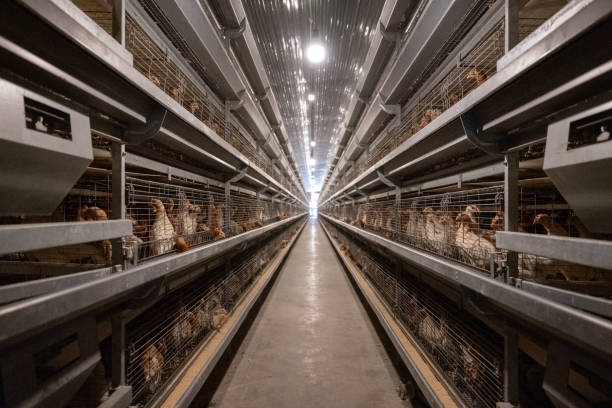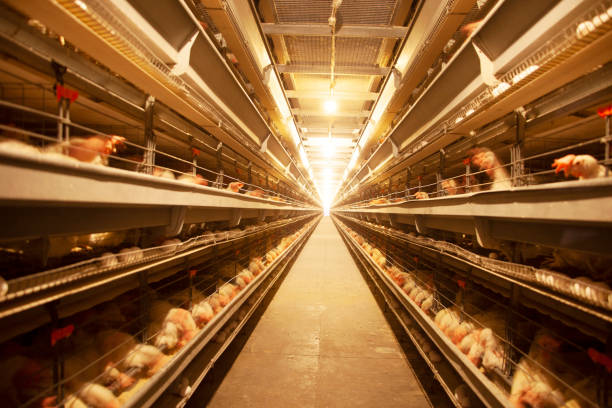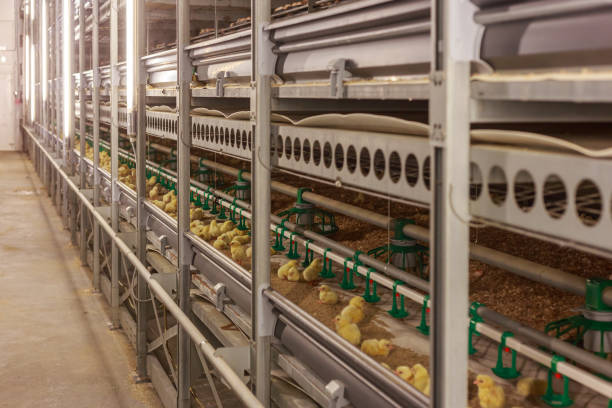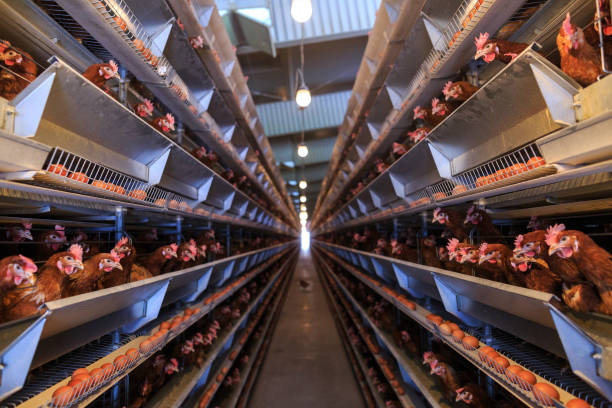

For large-scale poultry operations in Nigeria, the initial investment in an automatic layer cage system is not merely a purchase but a critical financial decision that directly impacts long-term profitability and operational viability. This section examines why a precise cost analysis is essential, focusing on capital allocation, operational efficiency, and regional economic factors.
- System Integration: Costs for automated feeding, watering, egg collection, and manure removal systems.
- Installation & Training: Expenses for professional setup and staff training on the new Automatic Layer Cage System.
- Power Infrastructure: Investment in reliable power backups, like industrial generators or solar hybrids, to maintain system automation.
Beyond the price tag, the true value lies in the system’s ability to control recurring expenses and boost revenue, making the cost a pivotal factor in ROI. Key financial benefits include:
- Labor Cost Reduction: Automation can cut labor requirements by up to 60%, significantly lowering long-term salary expenditures.
- Feed Efficiency: Precise automated feeders can reduce feed waste by 5-10%, a major saving given that feed constitutes 70% of operational costs.
- Improved Productivity: Enhanced bird welfare and consistent environment often lead to higher peak lay rates and better egg quality, directly increasing income.
In the Nigerian context, where farmers face unique challenges like currency volatility and high operational costs, a smart investment in automation is a strategic shield. It directly addresses local pain points by mitigating risks from unreliable labor and inconsistent manual management, turning a major capital outlay into a tool for predictable, scalable growth. To understand how this translates to your specific operation, request a customized ROI projection and layout plan for farms of 20,000 birds or more.
Breaking Down the Capital Investment for a 90,000-Bird Automatic Layer Cage System
Understanding the capital investment for a large-scale 90,000-bird poultry operation is crucial for financial planning and securing funding in Nigeria. This breakdown will help you move beyond the initial price tag to see the full picture of establishing a modern, efficient farm with an Automatic Layer Cage System.
- The Automatic Layer Cage System structure, including tiers, feeders, and drinkers.
- A reliable automated manure removal belt system.
- An environmental control system (fans, cooling pads, and controllers).
- An automated egg collection system to maximize labor efficiency.
Beyond the main equipment, significant ancillary investments are required for a fully functional farm. These often-overlooked costs are vital for operational readiness and biosecurity.
- Site preparation, including land leveling and constructing a deep concrete foundation.
- Electrical infrastructure, including a transformer, wiring, and a powerful backup generator.
- A borehole and water storage/treatment system.
- Biosecurity infrastructure like a perimeter fence, wheel dip, and a dedicated farm office/store.
| Investment Category | Key Components | Estimated Cost Range (NGN) |
|---|---|---|
| Core Cage System & Housing | A-Type Cages, Steel Structure, Roofing | 180M – 250M |
| Automation & Environment | Manure Belts, Egg Collection, Cooling Systems | 70M – 100M |
| Ancillary Infrastructure | Electrical, Water, Biosecurity, Site Work | 50M – 80M |
A detailed capital plan transforms this major investment into a manageable, strategic project. We provide comprehensive cost breakdowns and layouts tailored for Nigerian states, helping you forecast your ROI accurately. Our company delivers durable, hot-dip galvanized A-Type systems backed by local technical support and installation. [Contact us] for a customized 90,000-bird project quotation and financing guidance.
Calculating Long-Term ROI from an Automatic Layer Cage System in Nigeria
Understanding the long-term return on investment (ROI) for an Automatic layer cage System is crucial for Nigerian poultry farmers planning a major upgrade. This analysis goes beyond initial purchase price, examining how automation drives profitability over a 5-10 year period through enhanced productivity and significant operational savings.
- Labor costs can be reduced by up to 60%, as automated feeding, watering, and egg collection minimize daily manual tasks.
- Feed efficiency improves by 5-10% due to precise distribution, directly lowering the largest variable cost.
- Egg collection efficiency increases, reducing breakage rates by approximately 3-5% and improving saleable yield.
A realistic ROI calculation requires building a multi-year financial model. Key steps include:
- Quantifying the initial capital outlay for the A-Type cages, automation equipment, and installation.
- Projecting annual operational savings from reduced labor, feed, and utilities.
- Estimating revenue increases from higher peak lay rates and improved egg quality.
- Factoring in maintenance costs, typically 2-3% of the system’s value annually.
For a practical perspective, consider a case study from a 15,000-bird farm in Ogun State. After installing an automated A-Type system, the farm documented the following results within 24 months:
| Metric | Before Automation | After Automation | Change |
|---|---|---|---|
| Annual Labor Cost | ₦4.8M | ₦2.1M | -56% |
| Eggs per Hen Housed | 310 | 328 | +5.8% |
| Feed Conversion Ratio | 2.15 | 2.02 | -6% |
A well-planned automatic system is a strategic asset that typically pays for itself in 3-5 years within the Nigerian market. We provide detailed ROI projections based on your specific farm size and local cost structures, backed by our durable, locally-supported installations. [Contact us] for a customized cost-benefit analysis for your operation.
Planning Your Modern Poultry Housing Investment for Maximum Efficiency
Planning a modern poultry housing investment in Nigeria requires careful consideration of efficiency and long-term returns. This section outlines key steps to optimize your setup with an A-Type Layer Cage.
First, assess your operational scale and budget. For a 10,000-bird farm, a well-planned Automatic Layer Cage System can reduce labor costs by up to 60%. Key planning steps are:
- Calculate your available space and desired bird density.
- Project your initial capital and 5-year operational costs.
- Source reliable local suppliers for durable, galvanized equipment.
- Optimized feeding and egg collection, boosting output.
- Improved bird health through better manure management.
- Significant water and feed savings, crucial in Nigeria’s market.
To ensure a sound investment, request specific data from suppliers:
| Consideration | Key Question | Why It Matters |
|---|---|---|
| System Durability | Is it hot-dip galvanized? | Withstands humid climates for 15+ years. |
| After-Sales Support | Is installation & training included? | Prevents costly operational delays. |
| ROI Timeline | What is the payback period? | Typically 18-24 months with proper management. |
By following this structured plan, you can maximize the efficiency of your poultry housing. We provide A-Type cages with local installation support and a 15-year durability guarantee. Contact us for a customized cost breakdown for your state in Nigeria.