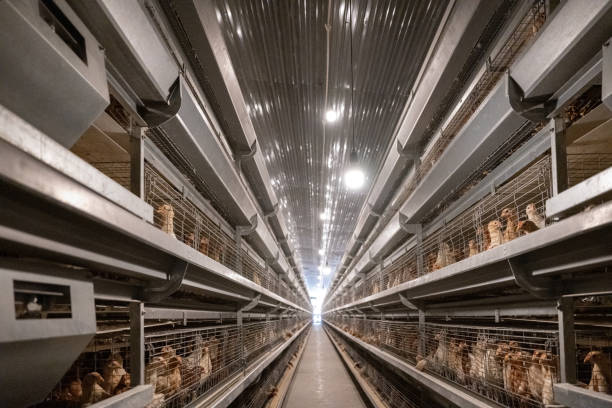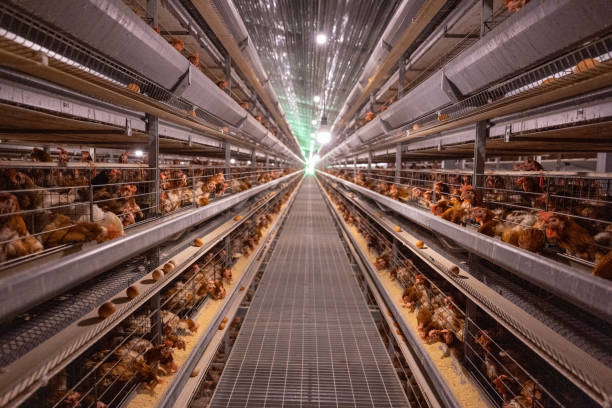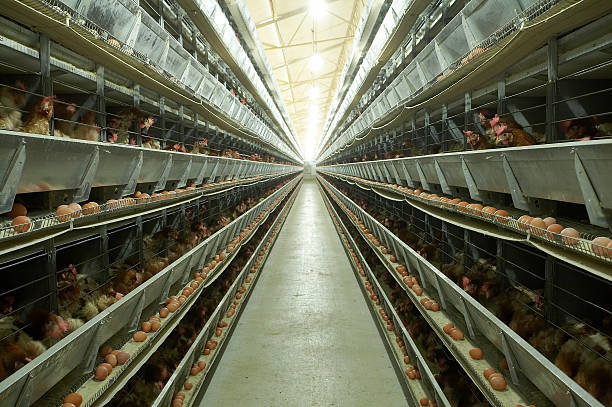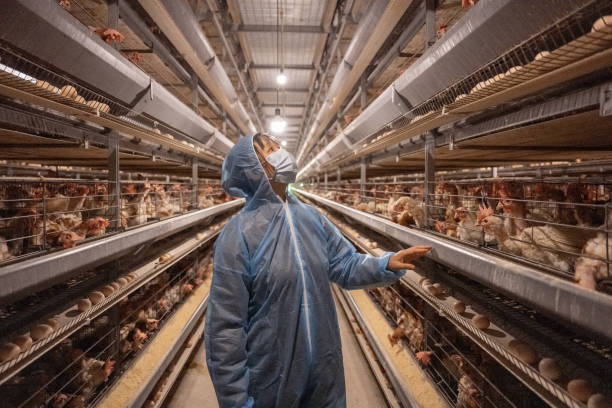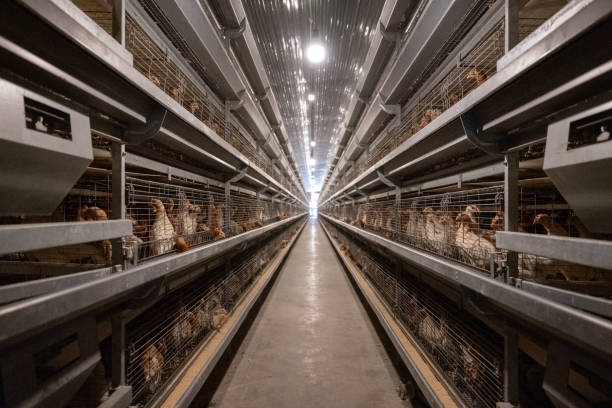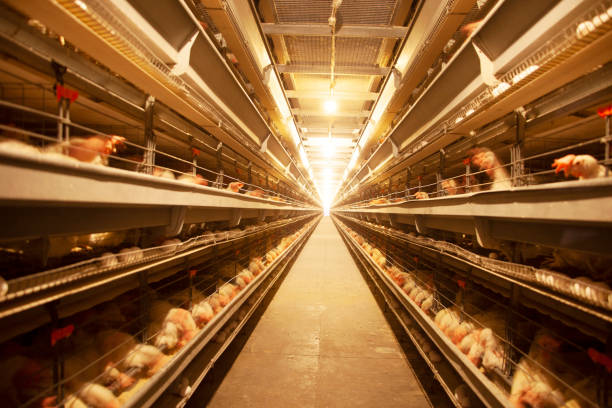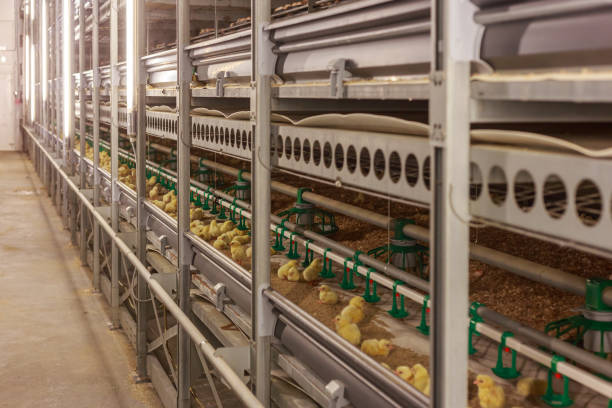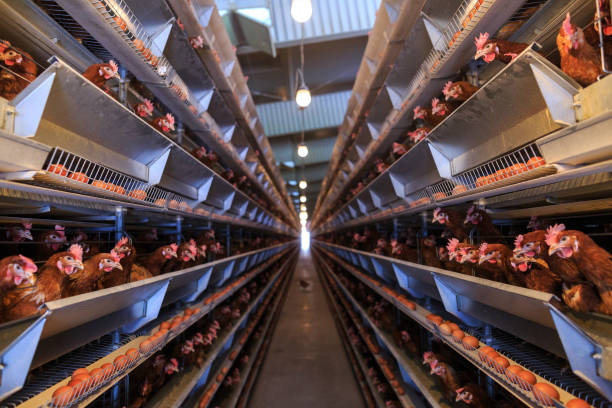

If you’re in the broiler breeding business, you know that genetics have come a long way. Today’s parent stock birds are bigger, grow faster, and produce more chicks than ever before. But here’s the challenge: those same genetics that make broilers so efficient also make the breeders harder to manage. They’re heavier, they eat more, and they need different care than commercial broilers. If you’re still using old equipment designed for birds from twenty years ago, you’re leaving money on the table. We’ve been paying close attention to how broiler breeding has evolved, and we’ve designed new cage systems specifically to meet the needs of modern parent stock. In this article, we’ll walk you through the latest innovations in broiler breeding cage design and show you how the right equipment can improve fertility, hatch rates, and the overall profitability of your breeder farm.
Why Broiler Breeders Need Specialized Housing
Let’s start with a basic fact: broiler breeders are not the same as commercial broilers. Commercial broilers are raised for meat and processed at 6 to 8 weeks old. Breeders, on the other hand, need to live and produce fertile eggs for 40 to 60 weeks or more. That means they need housing that supports their long-term health and reproductive performance.
Modern broiler breeders are the product of intense genetic selection for rapid growth and meat yield. That’s great for the final product, but it creates management challenges. These birds have huge appetites but need to be carefully feed-restricted to prevent obesity, which kills fertility. They’re heavy, which puts stress on their legs and feet. And they need to mate naturally, which requires the right environment and male-to-female ratios.
Traditional floor systems for breeders take up enormous amounts of space and make it hard to control the birds’ environment and nutrition. Old-style cages weren’t much better—they were often too small, had poor flooring that caused foot problems, and didn’t support natural mating behavior. That’s why new design broiler breeding cages are a game-changer. They’re specifically engineered to address the unique needs of modern parent stock while giving farmers the control and efficiency they need to run a profitable operation.
Key Innovations in Modern Broiler Breeding Cage Design
So what makes a “new design” broiler breeding cage different from what came before? Let’s break down the features that matter.
Optimized space per bird is fundamental. Modern breeding cages are designed with the right dimensions to give birds enough room to move and mate comfortably without being so spacious that you waste valuable housing. For broiler breeders, you need to balance density with welfare and reproductive performance. The best designs provide adequate floor space while accommodating the ideal male-to-female ratios—typically one male for every 8 to 10 females, depending on the strain .
Stronger floors and heavier gauge wire address the weight of modern breeders. These birds are heavy—much heavier than commercial layers or even broilers at processing age. The cage floor needs to support that weight without sagging or causing foot problems. New designs use thicker wire and reinforced frames to ensure durability over the long production cycle. Some systems incorporate plastic flooring or slats in specific areas to improve foot health and comfort .
Improved flooring design goes beyond just strength. The slope and surface texture matter for bird comfort and egg preservation. Eggs need to roll away quickly to prevent breakage and keep them clean, but the floor can’t be so steep that it stresses the birds. Modern cages achieve this balance with carefully engineered slopes and smooth but not slippery surfaces .
Better male management is a hallmark of new designs. In many modern systems, males have separate feeding areas or specialized feeders that prevent females from eating the male ration. This is critical because males and females have different nutritional needs, and if females eat the male feed (or vice versa), it throws off body condition and hurts fertility . Some advanced cages even have separate male compartments within the same cage group, allowing precise control over each bird’s intake.
Integrated nest systems for egg collection are standard in modern breeder cages. Unlike commercial layer cages where eggs roll onto conveyor belts, breeder cages often include enclosed nest areas where hens prefer to lay. These nests are designed to be comfortable and appealing, encouraging hens to use them rather than laying on the slats or floor where eggs can get dirty or broken . Automatic collection belts bring eggs gently to the packing area without disturbing the birds.
Manure management is handled by efficient belt systems that remove waste regularly, keeping the environment clean and reducing ammonia. This is especially important for breeders because they’re in the house for so long—poor air quality over many months takes a serious toll on health and performance .
Ventilation and climate control are integrated into the cage design itself in many new systems. Airflow patterns are considered in the cage layout to ensure all birds get fresh air, even in the center of the house. Some systems include perforated floors or specific cage arrangements that work with the house ventilation to eliminate dead spots where air stagnates .
Materials and Construction That Last
When you’re investing in equipment for a breeder flock that will occupy it for a year or more per cycle, durability matters enormously. New design broiler breeding cages reflect this with upgraded materials and construction.
Hot-dip galvanized steel remains the gold standard for cage construction. The process coats the steel with a thick layer of zinc that protects against rust and corrosion. In the humid conditions of many poultry-producing areas, this is essential. Quality cages use a heavy galvanized coating that stands up to years of moisture, manure, and cleaning .
Heavier wire gauges than standard layer cages are typical. Where a layer cage might use 14 or 16 gauge wire, breeder cages often step up to 12 or even 10 gauge for critical structural components. This extra strength prevents sagging under the weight of heavy birds and maintains proper floor slope over years of use .
Stainless steel components are increasingly common in high-wear areas like feeder openings, drinker connections, and door latches. While stainless steel is more expensive, it pays off in longevity where components experience constant friction or exposure to water .
Plastic flooring or slats are used in some modern designs to improve foot health. These materials are gentler on bird feet than wire and can be easier to clean. High-quality plastics are UV-stabilized to prevent degradation from sunlight and formulated to withstand the chemicals used in cleaning .
Corrosion-resistant hardware—bolts, clips, supports—should be galvanized or stainless steel, not just painted. Painted hardware rusts quickly in poultry house conditions, leading to structural weakness and sharp edges that can injure birds .
Automation Features for Breeder Management
Modern broiler breeding cages aren’t just better structures—they’re integrated with automation that makes managing these complex birds much easier.
Precision feeding systems are perhaps the most important automation for breeders. Because feed restriction is critical to maintaining proper body condition and fertility, you need to deliver exactly the right amount to each bird. Modern systems use specialized feeders for males and females, often with grills or openings sized to exclude the opposite sex . Some advanced systems even use electronic identification to deliver individualized rations, though this is still primarily for research and elite breeding operations .
Automated nest collection saves enormous labor while protecting egg quality. Eggs laid in the nests roll onto conveyor belts and are carried gently to the collection area. This minimizes breakage and keeps eggs clean, which improves hatchability .
Egg counting and recording systems track production by house or even by cage row, giving you data to monitor flock performance. When integrated with farm management software, this helps you spot problems early and make informed decisions .
Environmental controls that integrate with the cage system ensure consistent conditions. Sensors monitor temperature, humidity, and ammonia, automatically adjusting ventilation, heating, or cooling to maintain optimal ranges .
Lighting programs can be automated to provide the right day length and intensity for breeder reproduction. Modern LED systems are programmable and energy-efficient, allowing precise control over the light stimulus that drives egg production .
Manure removal on belts keeps the environment clean without daily labor. Timers automatically run the belts several times a day, carrying waste to collection points. This dramatically reduces ammonia and improves air quality .
What to Look for When Choosing a Breeder Cage System
With so many options on the market, how do you choose the right system for your farm? Here are the key factors to consider.
Bird comfort and welfare should be at the top of your list. Uncomfortable birds don’t breed well. Look for designs that give birds enough space, provide comfortable flooring, and support natural behaviors like nesting and mating. Ask about research or field experience with the design—does it have a track record of good fertility and hatch rates?
Male management features are critical. How does the system ensure males get the right feed? How are male-to-female ratios managed? Can you easily check and handle males when needed? These details make a huge difference in fertility over the life of the flock.
Egg handling matters for hatchability. How are eggs collected? Are they protected from damage? Is the nest design attractive to hens? Good egg handling preserves the delicate structures inside that are essential for embryo development.
Durability is non-negotiable for a 40 to 60-week production cycle followed by cleaning and another cycle. Inspect materials and construction. Ask about galvanization thickness, wire gauge, and warranty. A slightly higher upfront cost for better materials pays off over years of use.
Ease of management affects your daily life. Can you easily inspect birds? Are feeders and drinkers accessible for maintenance? Is the system designed to minimize labor? Walk through the design in your mind and imagine doing routine tasks.
Integration with your house is essential. The best cage system won’t perform well if it doesn’t fit your building or work with your ventilation. Work with suppliers who understand building design and can help you optimize the layout.
Support and service from your supplier can make or break your experience. Do they have local representation? Can they provide installation guidance? Are spare parts readily available? A good supplier is a partner, not just a salesperson.
Cost Considerations for Broiler Breeding Cages
Let’s be real: quality broiler breeding cages are a significant investment. But when you consider what they deliver—improved fertility, higher hatch rates, better bird health, and reduced labor—they pay for themselves over time.
Costs vary widely based on capacity, automation level, and quality. A complete system with all the features we’ve discussed—heavy-duty cages, precision feeding, automated nest collection, manure belts, environmental controls—can range from $300 to $500 per bird space or more for the breeding males and females . This is substantially higher than commercial layer cages because of the specialized design and heavier construction.
For a typical broiler breeder farm with 10,000 females and 1,000 males, total equipment investment might range from $300,000 to $600,000 or more depending on specifications . This includes cages, feeding systems, nest collection, manure handling, and controls.
Building costs are separate. Breeder houses need to be designed for the longer production cycle and often include features like curtain systems, tunnel ventilation, and cooling that add to construction costs.
When evaluating costs, look at the lifetime value, not just the upfront price. A system that lasts 15 years, maintains high fertility throughout, and minimizes labor costs is a much better investment than something cheaper that compromises performance.
Success Stories with Modern Breeder Cages
The proof is in the results. Farmers who’ve upgraded to modern broiler breeding cages report significant improvements across their operations.
Higher fertility rates are common, often improving by 5% to 10% or more compared to old systems . Better male management and comfortable conditions for mating make the difference.
Hatchability improves as well. Cleaner eggs, better handling, and proper nest design mean more of the eggs laid actually produce chicks. Some farmers report hatch rate improvements of 3% to 7% after switching to modern systems .
Better bird health and lower mortality come from improved environmental control and reduced stress. When birds are comfortable and healthy, they produce better and live longer .
Labor savings are substantial. Automated feeding, egg collection, and manure removal free up staff to focus on bird management rather than manual chores. A farm that might have required a dozen workers can often run with half that number .
Making the Switch to Modern Breeder Cages
If you’re considering upgrading your broiler breeder operation to modern cages, here’s a roadmap to guide you.
Assess your current situation: What’s working and what isn’t? Where are you losing potential production? What are your goals for improvement? Understanding your starting point helps you define what you need.
Research suppliers and systems: Talk to multiple suppliers, visit farms using their equipment if possible, and ask hard questions. Don’t just compare prices—compare features, quality, and support.
Plan your building modifications: Modern cages may require changes to your houses—different dimensions, higher ceilings, upgraded ventilation. Work with your supplier and a good builder to plan these modifications.
Budget realistically: Include not just equipment costs but building modifications, installation, and operating capital for the transition period. Build in a contingency for unexpected expenses.
Prepare your team: Modern systems require different skills than old ones. Train your staff before the new equipment arrives so they’re ready to manage it effectively.
Phase in if needed: For large operations, consider upgrading one house at a time. This spreads the investment and lets you learn on a smaller scale before committing to the whole farm.
The Future of Broiler Breeding Housing
The trend in broiler breeding is clearly toward more sophisticated, automated housing that supports bird welfare while giving farmers unprecedented control. We’re seeing advances in precision feeding, environmental control, and data integration that will only accelerate.
At Livi Machinery, we’re committed to staying at the forefront of these developments. Our new design broiler breeding cages incorporate the latest thinking in bird management while maintaining the durability and reliability that farmers need. We work closely with breeders and farmers to understand their challenges and develop solutions that work in real-world conditions.
Whether you’re building a new breeder farm or upgrading an existing one, we’d love to talk about how modern cage systems can improve your results.
Ready to take your broiler breeding operation to the next level? Contact Livi Machinery today for a free consultation and custom system design. Tell us about your flock size and goals, and we’ll show you how our new design breeding cages can improve your fertility, hatch rates, and profitability.
Frequently Asked Questions
Q1: How are broiler breeder cages different from commercial layer cages?
Broiler breeder cages are designed for heavier birds, longer production cycles, and natural mating. They have stronger floors, specialized feeding systems for males and females, integrated nest boxes for egg laying, and different dimensions optimized for breeder behavior .
Q2: What’s the ideal male-to-female ratio in breeder cages?
Typical ratios range from 1 male to 8-10 females, depending on the strain and specific management program. Modern cage designs accommodate these ratios with separate areas or feeders for males .
Q3: How long do broiler breeders stay in the cages?
A typical breeder production cycle is 40 to 60 weeks, from onset of lay through the end of fertile egg production. After that, the flock is removed and the house is cleaned and disinfected before the next cycle .
Q4: Do broiler breeders need special feed?
Yes. Breeders require carefully controlled nutrition to maintain body condition without becoming overweight. Males and females often need different rations, which is why modern cages include separate feeding systems .
Q5: How does automatic egg collection work for breeders?
Hens lay eggs in enclosed nest areas within the cage. Eggs roll gently onto conveyor belts that carry them to the collection area. This protects egg quality and saves enormous labor compared to manual collection .
Q6: What flooring is best for broiler breeders?
Most modern systems use heavy-gauge galvanized wire with careful attention to slope and surface. Some incorporate plastic slats or flooring in areas to improve foot comfort. The key is supporting bird weight without causing foot injuries .
Q7: How much do modern breeder cages cost?
Costs vary widely based on capacity and features. A complete system with full automation typically ranges from $300 to $500 per bird space or more. For a 10,000-female farm, total equipment investment might be $300,000 to $600,000+ .
Q8: Can I put breeder cages in an existing house?
Often yes, but you may need modifications to accommodate the cage dimensions and ensure proper ventilation. Your supplier should assess your building and recommend any necessary changes .
Q9: What ventilation do breeder cages require?
Breeders need excellent ventilation to maintain air quality over their long production cycle. Most modern farms use tunnel ventilation with fans and cooling pads, integrated with automated controls that respond to temperature and humidity .
Q10: How do I manage male body condition in cages?
Modern cages address this with specialized male feeders that females can’t access, allowing precise control over male nutrition. Regular body condition scoring and adjusting feed allocation as needed is still essential .