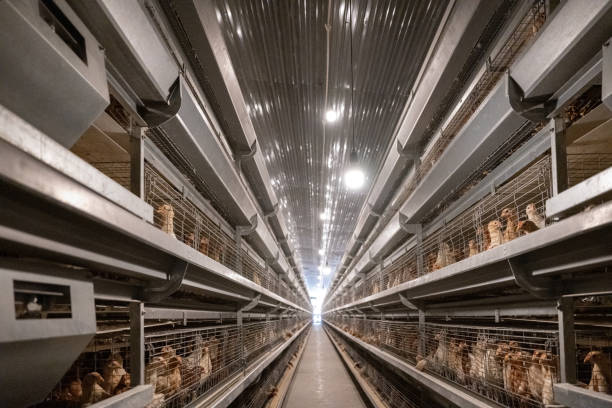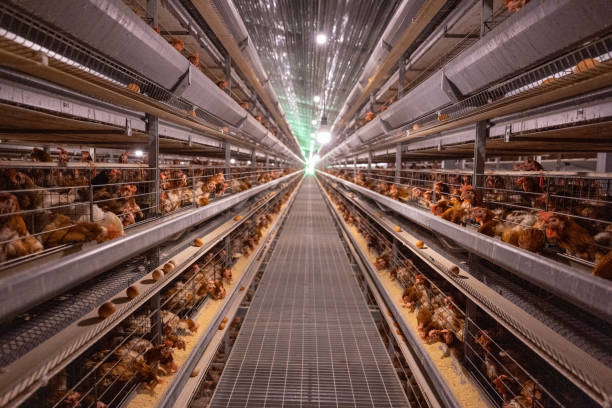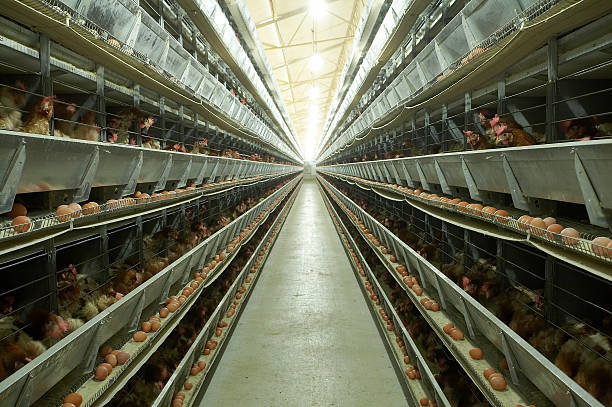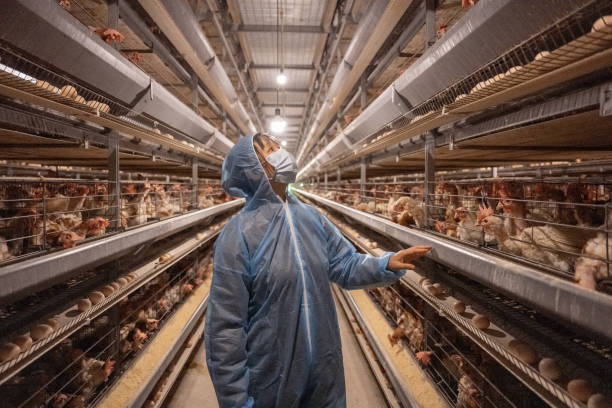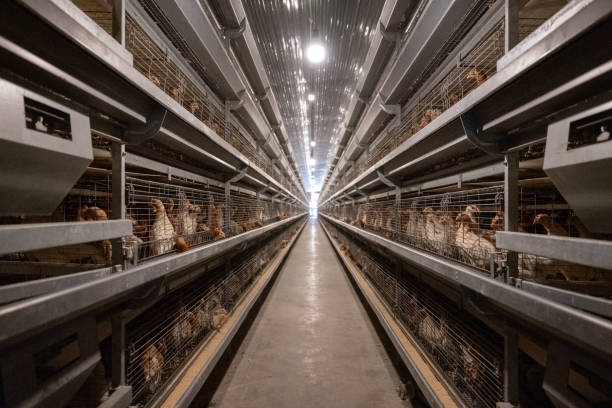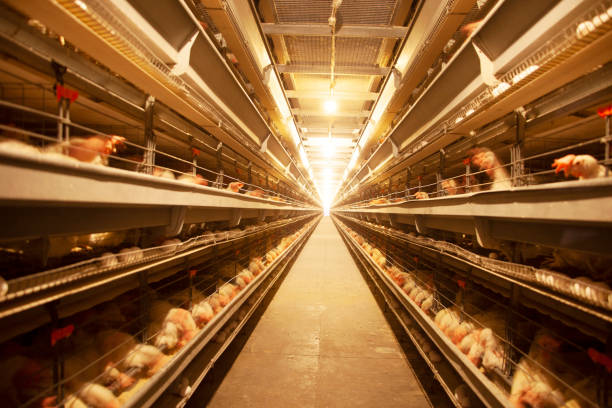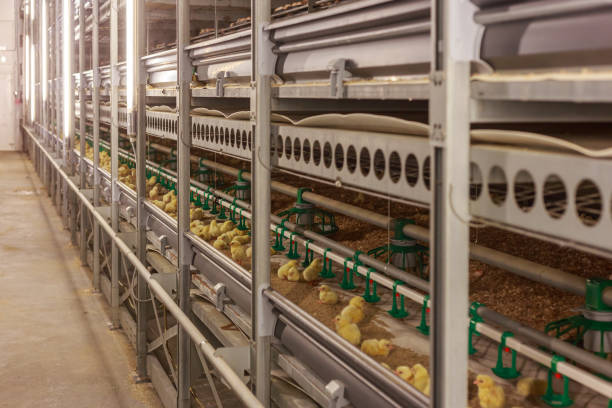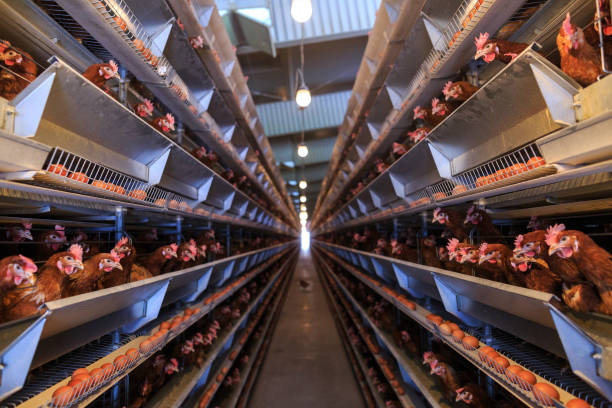

Before we dive into equipment, let’s be clear about what we’re trying to achieve. High production doesn’t just mean a high peak lay rate—though that’s certainly part of it. A truly high-performing layer flock maintains good production over time, with good egg quality, low mortality, and efficient feed conversion.
Modern layer genetics are incredible. A good commercial hen is capable of laying over 300 eggs in her first cycle, with peaks above 95%. But here’s the catch: those genetics only express themselves fully when the bird is kept in optimal conditions. Stress, discomfort, poor nutrition, or disease all suppress production. The best cage systems are designed to eliminate as many of those suppressors as possible.
High production also means consistency. You don’t want wild swings in output that make it hard to supply your customers. You want steady, predictable production day after day. That requires an environment that stays stable regardless of what’s happening outside.
And finally, high production means efficiency. Feed is your biggest cost—typically 60% to 70% of total expenses. If your housing system causes feed waste or allows some birds to overeat while others get less, your feed conversion ratio suffers. The best systems deliver precise nutrition to every bird with minimal waste.
Key Design Features of High-Performance Layer Cages
So what separates a good layer cage from one that truly supports high production? Let’s look at the design elements that matter most.
Optimal space allocation is fundamental. Cramming too many birds into a cage stresses them and suppresses production. But giving too much space wastes valuable housing and doesn’t necessarily improve welfare. The sweet spot depends on the strain and body weight of your birds. Modern high-production cages are designed with careful attention to space per bird, typically ranging from 450 to 550 square centimeters per hen depending on the system and local regulations . The goal is to give each bird enough room to stand, turn around, and stretch comfortably without wasting space.
Proper cage dimensions go beyond just floor area. The height of the cage matters—birds need enough headroom to stand comfortably without hunching. The depth affects whether birds can move freely and access feed and water easily. Width determines how many birds are in each social group, which affects pecking order dynamics. Good designs balance all these factors.
Floor slope and surface are critical for egg preservation. Eggs need to roll out of the cage quickly to prevent breakage and keep them clean, but the slope can’t be so steep that it stresses the birds or causes foot problems. Modern cages use carefully engineered slopes—typically around 8 to 10 degrees—with just the right surface texture to let eggs roll smoothly without sliding too fast .
Feed trough design affects both access and waste. Troughs need to be deep enough to hold feed without constant refilling, but shaped so birds can reach it easily without pulling it out onto the floor. The lip design should prevent birds from billing feed out—a surprising source of waste in poorly designed systems.
Nipple drinker placement matters for water consumption. Birds need easy access to clean water at all times. Drinkers should be positioned so birds can reach them comfortably from a standing position, with enough pressure to deliver water easily but not so much that it sprays and wets the litter.
Manure management integration keeps the environment clean. Cages designed for high production include effective manure belts or dropping boards that remove waste quickly from the living area. This reduces ammonia, which irritates birds’ respiratory systems and suppresses production .
Door design affects your ability to manage the flock. Doors should open smoothly and widely enough to let you catch birds when needed, without creating sharp edges that can injure them. Good designs make daily inspections easy and reduce stress during handling.
Materials That Support Long-Term Performance
A cage system for high production needs to maintain its performance over years of use. That means materials matter enormously.
Hot-dip galvanized steel is the industry standard for good reason. The galvanization process coats the steel with a protective layer of zinc that resists rust and corrosion. In the humid, ammonia-rich environment of a layer house, this protection is essential. Quality cages use a heavy galvanized coating—typically 275 grams per square meter or more—that stands up to years of exposure .
Wire gauge affects durability. Thicker wire (lower gauge numbers) resists sagging under the weight of birds and maintains proper floor slope over time. For high-production layer cages, 14 gauge or heavier is typical for floors, with slightly lighter gauge for partitions and doors.
Frame construction needs to be robust enough to support multiple tiers of birds without flexing. H-type systems use heavy vertical supports and cross bracing to maintain structural integrity. The frame should be galvanized as well, not just painted.
Hardware quality matters for long-term reliability. Door latches, hinges, and connections should be galvanized or stainless steel—not just painted mild steel that will rust and fail. Cheap hardware is a constant source of frustration and can lead to birds escaping or injuries.
Nipple drinker quality affects water delivery and leak prevention. Good drinkers use high-quality seals and materials that resist wear and mineral buildup. Stainless steel nipples are preferred for longevity.
Automation Features That Drive High Production
Modern high-production layer farms aren’t just better cages—they’re integrated systems where automation takes over the routine tasks that consume labor and introduce variability.
Automatic feeding systems deliver precise rations to every cage on a schedule you control. This ensures all birds get exactly what they need, when they need it. No more underfeeding or overfeeding, no more waste from feed spilled on the floor. The best systems allow you to adjust rations by house or even by row as flock needs change .
Automatic egg collection protects your most valuable product. Eggs roll gently onto conveyor belts and travel to the packing room without ever being touched by human hands. Breakage rates drop to fractions of a percent, and eggs stay clean—which means better prices at market .
Nipple drinking systems with pressure regulation deliver clean water consistently. Filters remove debris that could clog drinkers. Medication dispensers let you treat the flock through the water when needed. Flow meters can even track water consumption as an early warning system for health problems .
Manure removal belts automatically carry waste out of the house several times daily. This dramatically reduces ammonia levels and keeps the air clean. The dry manure can be sold as fertilizer—an extra income stream .
Environmental control systems maintain optimal temperature, humidity, and air quality automatically. Sensors throughout the house feed data to controllers that adjust fans, inlets, heating, and cooling as needed. This keeps birds comfortable year-round, which is essential for maintaining high production .
Lighting programs can be automated to provide the right photoperiod for maximum egg production. Modern LED systems are programmable and energy-efficient, allowing precise control over day length and intensity .
Cage Layout and House Design for Maximum Output
Even the best cages won’t perform well if they’re not arranged properly in a well-designed house. Here’s what to consider.
Row spacing affects airflow and access. Rows need to be far enough apart to allow good air movement and give you room to work, but close enough to maximize bird capacity. The optimal spacing depends on your ventilation system and management practices.
House dimensions should be matched to your cage layout. Long, narrow houses often work best for tunnel ventilation. Your cage supplier should work with you to design a layout that fits your building and optimizes workflow.
Ventilation design is critical for bird comfort and performance. Air needs to move through the house evenly, reaching all birds without creating drafts. Inlet placement, fan capacity, and controller programming all affect whether your ventilation delivers what the birds need .
Light distribution affects uniformity of production. Lights should be positioned to provide even illumination across all cages, without dark corners where birds might be reluctant to lay. Dimmable systems let you adjust intensity as needed.
Service areas need to be planned. You need space at the ends of rows for turning equipment, room for egg collection belts and cross conveyors, and access for manure removal. Good design makes daily tasks efficient.
Management Practices That Maximize Cage Performance
The best cage system in the world still needs good management to deliver high production. Here are the practices that matter most.
Stocking density should be matched to your birds and your goals. While cages allow high densities, there’s a point of diminishing returns where crowding starts to suppress production. Follow the recommendations for your specific strain and adjust based on your results.
Feeding programs need to match the birds’ stage of production. Pre-lay, peak production, and post-peak all have different nutritional requirements. Your feeding system should allow you to adjust rations as the flock ages.
Water management is often overlooked but critical. Check drinkers regularly to ensure they’re working properly and delivering adequate flow. Clean filters and flush lines as needed. Monitor water consumption—a drop often signals problems before production drops.
Egg collection should be timely to prevent breakage and keep eggs clean. Automated systems handle this, but you still need to ensure belts are running properly and eggs are being packed promptly.
Manure removal needs to happen regularly to maintain air quality. Automated belts take care of this, but you need to ensure they’re running on schedule and waste is being removed from the house.
Bird health monitoring is essential even with the best equipment. Walk through the house daily, watching for signs of illness or stress. Catch problems early before they affect production.
Record keeping helps you spot trends and make adjustments. Track production, feed consumption, water use, mortality, and egg quality. Compare to targets and investigate deviations.
What High-Production Cage Systems Cost
Investing in a top-tier layer cage system designed for high production requires significant capital, but the returns through improved performance make it worthwhile.
For a complete high-production system with all the features we’ve discussed—heavy-duty H-type cages, automatic feeding, nipple drinking, automatic egg collection, manure belts, and integrated environmental controls—you’re typically looking at $40 to $60 per bird space or more depending on specifications and quality .
For a 50,000-bird farm, that’s an equipment investment of $2 million to $3 million or more . This is substantially higher than basic systems, but the difference in production, feed efficiency, and labor savings typically pays back the premium within a few years.
Building costs are separate. Environmentally controlled houses suitable for high-production systems add significantly to the total investment.
When evaluating costs, look at the lifetime value, not just the upfront price. A system that delivers 5% higher production, 10% lower feed conversion, and 50% lower labor costs over 15 years is a much better investment than something cheaper that compromises performance.
Success Stories with High-Production Systems
Farmers who’ve invested in high-performance cage systems consistently report results that justify the investment.
Higher peak production is common. Farms that were struggling to hit 90% with older equipment often see peaks above 95% with modern systems . Better environmental control, consistent feeding, and reduced stress all contribute.
Improved persistency means production stays higher for longer. Instead of a sharp drop after peak, well-managed flocks in good systems maintain higher production through the cycle .
Better feed conversion comes from precise feeding and reduced waste. Some farmers report improvements of 5 to 10 points in feed conversion ratio, which translates to enormous savings over the life of the flock .
Lower mortality means more birds in production. Comfortable, healthy birds in a clean environment simply live longer and produce better .
Higher egg quality—cleaner eggs with fewer cracks—means better prices. The difference in grade-out can add significantly to revenue .
The Future of Layer Cage Design
The trend in layer housing is toward even greater precision and control. We’re seeing advances in individual bird monitoring, precision feeding based on real-time data, and environmental control systems that learn and adapt. At the same time, welfare considerations are driving designs that give birds more space and opportunities for natural behaviors while maintaining the efficiency that makes eggs affordable.
At Livi Machinery, we’re committed to staying at the forefront of these developments. Our high-production layer cage systems incorporate the latest thinking in bird management while maintaining the durability and reliability that farmers need. We work closely with layer farmers to understand their challenges and develop solutions that work in real-world conditions.
Whether you’re building a new farm or upgrading an existing one, we’d love to talk about how our systems can help you achieve the production levels your birds are capable of.
Ready to take your layer farm to the next level? Contact Livi Machinery today for a free consultation and custom system design. Tell us about your flock size and production goals, and we’ll show you how our high-production layer cage systems can maximize your egg output and profitability.
Frequently Asked Questions
Q1: What’s the ideal stocking density for high-production layers?
Optimal density depends on bird strain and body weight, but typically ranges from 450 to 550 square centimeters per hen in cage systems. The goal is giving each bird enough space to be comfortable without wasting housing capacity .
Q2: How much can production increase with modern cage systems?
Farms upgrading from older equipment often see peak production increase by 3% to 8%, with better persistency throughout the laying cycle. Improved feed conversion and lower mortality add to the bottom line .
Q3: What’s the best cage type for high production—A-type or H-type?
H-type cages are generally preferred for high-production systems because they maximize density, integrate seamlessly with automation, and provide excellent environmental control. A-type cages can work well but typically house fewer birds per square meter .
Q4: How important is ventilation for egg production?
Ventilation is absolutely critical. Poor air quality stresses birds, suppresses production, and increases disease risk. Good ventilation maintains comfortable temperatures and low ammonia, which are essential for high production .
Q5: Do high-production cages require special management?
The principles are the same as good management anywhere, but the precision of modern systems means you can—and should—manage more tightly. Pay attention to the data these systems provide and use it to fine-tune your program .
Q6: How long do high-production cage systems last?
Quality systems with heavy galvanization typically last 15 to 20 years or more with proper maintenance. The longevity depends on the quality of materials and how well the equipment is maintained .
Q7: What’s the payback period for investing in premium cages?
Most farmers recoup the premium for high-production systems within 2 to 4 years through higher egg output, better feed efficiency, lower labor costs, and improved egg quality .
Q8: Can I retrofit my existing house with high-production cages?
Often yes, but you may need modifications to accommodate the cage dimensions and ensure proper ventilation. Your supplier should assess your building and recommend any necessary changes .
Q9: What automation features are most important for high production?
Automatic feeding, egg collection, and environmental control are the top priorities. Manure removal is also important for maintaining air quality. The right combination depends on your specific operation .
Q10: How do I choose between different cage suppliers?
Look at materials quality, design features, track record with similar farms, and after-sales support. Visit installations if possible and talk to existing customers. Price is important, but value over the life of the system matters more .