
Zambia’s poultry industry has been growing steadily for years. The country is largely self-sufficient in poultry production, but demand continues to outpace supply in urban centers. Lusaka alone consumes huge quantities of eggs and chicken daily, and secondary cities like Kitwe and Ndola are catching up fast.
Several factors make Zambia attractive for commercial poultry farming. First, the climate is generally favorable—warm but not excessively hot, with distinct wet and dry seasons that allow for relatively stable production year-round. Second, Zambia has a well-developed agricultural support system, with commercial feed mills, hatcheries, and veterinary services available in major areas. Third, the business environment is relatively stable, with fewer of the currency and regulatory challenges seen in some neighboring countries.
For commercial farmers, this means opportunity. But it also means competition. To succeed in Zambia’s poultry market, you need efficient, reliable equipment that keeps your costs down and your production consistent.
Understanding Your Options: Types of Chicken Cage Systems
When you’re setting up a commercial farm in Zambia, the type of cage system you choose affects everything from your building design to your daily operations and profitability. Here are your main options.
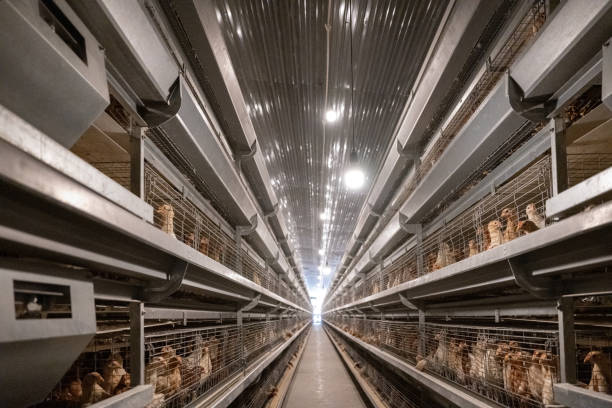
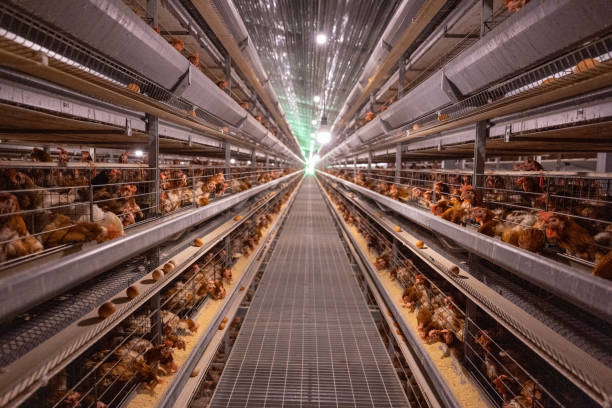
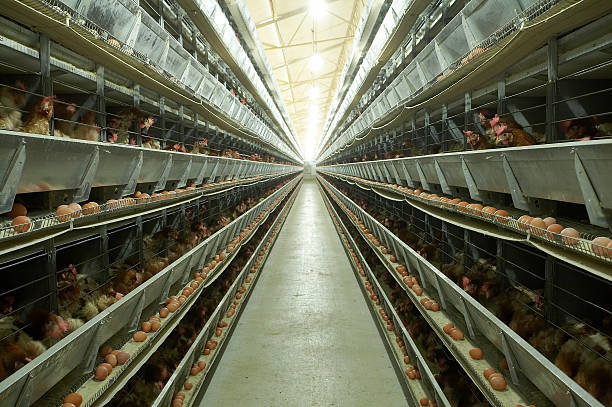
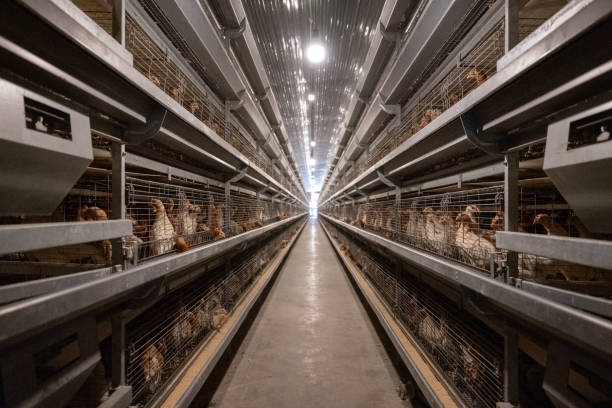
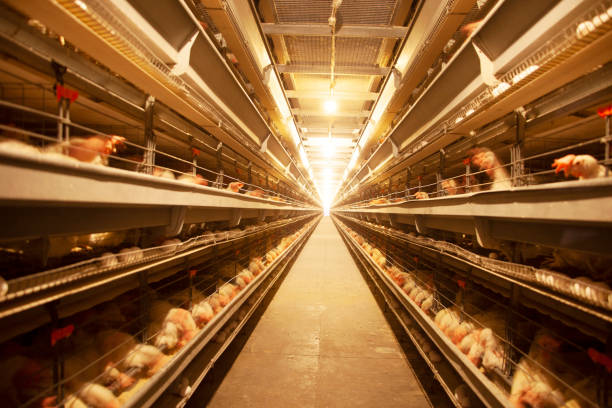
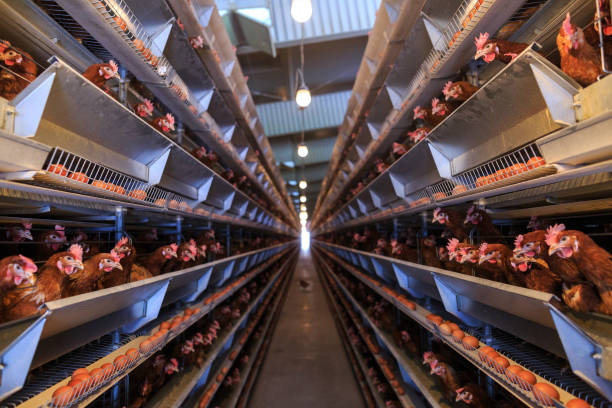
H-Type Layer Cages are the modern standard for large-scale egg production. These are stacked vertically in 3, 4, or 5 tiers, supported by a sturdy H-shaped frame. The beauty of H-type cages is density—you can pack far more birds into the same floor space compared to older systems. For a commercial layer farm in Zambia, H-type cages are usually the best choice. They maximize your investment in land and buildings, and they integrate seamlessly with full automation for feeding, watering, egg collection, and manure removal.
A-Type Layer Cages are arranged in an A-frame shape, typically with 3 to 4 tiers. They’re a proven technology and may be a better fit if you’re working with an existing building that has lower ceilings. A-type cages are generally less expensive than H-type, but they also house fewer birds per square meter. For a smaller commercial operation or a farmer upgrading from deep litter, A-type can be a good entry point.
Broiler Cages are designed differently from layer cages. Meat birds need stronger floors to support their heavier weight, and the cages are configured to give them adequate space to move and grow. For a commercial broiler operation in Zambia, you’ll typically use multi-tier cages similar to H-type but with different floor specifications. The stocking density for broilers is different from layers, so your house design and cage layout will need to account for your target market weight.
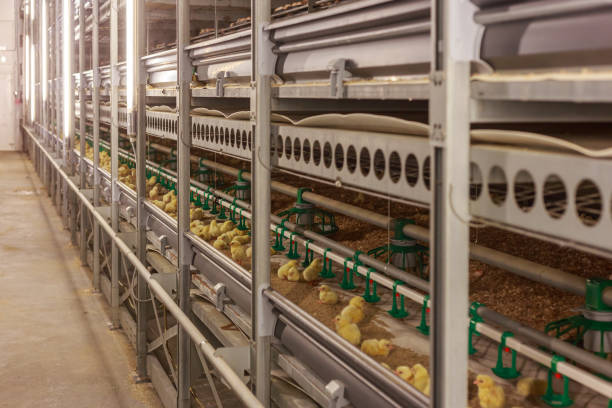
Brooder Cages are essential if you’re raising your own pullets for a layer farm or starting chicks for broiler production. These provide a warm, protected environment for young birds, with integrated heating and feeding systems. For a commercial farm, dedicated brooding facilities give you control over bird quality from day one.
Key Features to Look for in Cages for Zambian Conditions
Zambia’s climate varies—hotter in the valley areas like Lusaka and the Copperbelt, cooler in higher elevation areas. Your cages need to perform in your specific conditions. Here’s what matters most.
Material quality is absolutely critical. Look for cages made from hot-dip galvanized steel wire. This isn’t just painted metal—the galvanization process coats the steel with a thick layer of zinc that protects against rust and corrosion. In Zambia’s climate, with its distinct wet season and humid periods, this protection is essential. Cheap cages with poor galvanization will start rusting within a year or two, compromising bird health and requiring expensive replacement. Quality cages should last 10 to 15 years or more with proper maintenance.
Wire gauge matters for durability. Thicker wire (lower gauge numbers) provides greater strength and resists sagging under the weight of mature birds. For layers, 14 to 16 gauge wire is typical. For broilers, you may need heavier gauge to support the additional weight. The floor wire needs to be especially strong to maintain proper slope over years of use.
Mesh size needs to be appropriate for your birds. The mesh floor should allow droppings to fall through easily while preventing birds’ feet from getting caught. For mature layers, standard mesh sizes work well. For chicks, you may need smaller mesh or special brooder cages.
Door design affects your daily operations. Doors should slide or swing smoothly for easy access when you need to check birds, remove mortalities, or catch birds for sale. Poorly designed doors that stick or break are a constant frustration.
Floor slope is critical for egg preservation in layer farms. Eggs need to roll out of the cage quickly to prevent breakage and keep them clean, but the slope can’t be so steep that it stresses the birds. Good designs use carefully engineered slopes—typically around 8 to 10 degrees.
Corrosion resistance extends beyond the cages themselves. Look for galvanized hardware—bolts, clips, supports—not just painted components that will rust quickly in humid conditions.
Automation: What Level Makes Sense for Zambian Farms
One of the biggest decisions you’ll make is how much automation to include. In Zambia, labor costs are lower than in more developed countries, but skilled labor can be hard to find. Automation can help you reduce your reliance on manual labor and improve consistency.
Automatic feeding systems are often the first automation investment farmers make. These systems use a hopper that travels along feed troughs, or an auger that pushes feed through tubes with drop points at each cage. They run on timers, delivering precise rations to every bird simultaneously. This eliminates waste, ensures uniform nutrition, and frees your workers for more important tasks. For a farm of any significant size, automatic feeding pays for itself quickly through feed savings alone.
Automatic egg collection is a game-changer for layer farms. Eggs roll gently onto conveyor belts and travel directly to the packing room, never touched by human hands until they’re ready for grading and packing. Breakage rates often drop below 0.5%, compared to 2-3% with manual collection. Eggs stay cleaner, which means better prices at market. For farms over 5,000 birds, automatic collection is highly recommended.
Nipple drinking systems deliver clean water on demand without spillage that can wet litter and cause ammonia problems. Quality systems include pressure regulators to ensure proper flow and filters to keep the system clean. These are standard in all modern cage systems.
Manure removal belts under each cage tier automatically carry waste out of the house several times daily. This dramatically reduces ammonia levels, improves air quality, and keeps birds healthier. The relatively dry manure can be sold as organic fertilizer—an extra income stream.
Environmental control can be as simple or sophisticated as your budget allows. At minimum, you need good natural ventilation. For larger operations, automated fans and controllers that adjust airflow based on temperature keep birds comfortable year-round.
Designing Your Poultry House for Zambian Conditions
Your cage system is only as good as the house it’s in. In Zambia’s climate, house design is critical for bird health and performance.
Orientation matters. In Zambia, the sun is intense. Orient your houses east-west so the long sides face north-south, minimizing direct sun exposure on the walls. This helps keep houses cooler during the hottest part of the day.
House dimensions depend on your cage choice. For H-type cages, a typical house for 15,000 to 20,000 birds might be 70 to 90 meters long and 10 to 12 meters wide. Work with your equipment supplier to design a layout that fits your land and optimizes workflow.
Height is critical for multi-tier systems. You need at least 3.5 to 4 meters at the eaves to accommodate 4-tier H-type cages and allow adequate airflow above the top tier. Skimping on height leads to poor ventilation and stressed birds.
Walls in Zambia often use open-sided designs with curtains that can be raised or lowered to control ventilation. This reduces construction costs and works well in Zambia’s climate. The lower portion should be solid to prevent predators.
Roof insulation is essential. In Zambia’s sun, uninsulated metal roofs create ovens. Use insulated roofing materials or reflective coatings to keep houses cool. Overhangs provide additional shade.
Ventilation must be calculated based on your bird numbers and local climate. For larger operations, consider tunnel ventilation with fans at one end and inlets at the other. This creates consistent airflow and helps manage heat during hot months.
What Commercial Cage Systems Cost in Zambia
Let’s talk numbers. Costs vary based on cage type, automation level, and quality, but here’s a realistic picture for the Zambian market.
For a complete automated H-type layer cage system for 15,000 birds, including cages, automatic feeding, nipple drinking, automatic egg collection, and manure belts, you’re typically looking at $90,000 to $150,000 . For 30,000 birds, $180,000 to $300,000 . For 50,000 birds, $250,000 to $450,000 .
For semi-automatic systems with fewer automation features, costs are lower—perhaps $50,000 to $80,000 for 15,000 birds—but you’ll have higher ongoing labor costs.
Building construction in Zambia varies widely. A basic open-sided house with concrete floor and insulated roof might cost $50,000 to $100,000 for a 15,000-bird house, depending on materials and location.
Shipping to Zambia typically goes through Durban (South Africa) or Dar es Salaam (Tanzania), then overland to Zambia. Factor in shipping costs, customs duties, and clearance fees. Livi Machinery provides all export documentation to facilitate smooth clearance.
Total project investment for a 15,000-bird commercial farm, including equipment, building, land, initial birds, and operating capital, might range from $200,000 to $350,000 or more .
Finding Reliable Suppliers for Zambia
Zambia has a growing poultry equipment market, but quality varies. Here’s what to look for.
Livi Machinery has experience supplying equipment to Southern African markets and understands conditions in Zambia. We offer customized solutions tailored to local conditions, with cages made from high-quality, corrosion-resistant materials. Our team provides full support from design through installation.
Local suppliers in Lusaka and the Copperbelt offer various products. Companies like Africare Zambia, Zamhatch, and others supply poultry equipment. Visit their facilities if possible, ask for references, and talk to existing customers.
Regional suppliers from South Africa also serve the Zambian market. They often have established logistics and support networks.
Red flags to watch for: Suppliers who can’t provide references, who pressure you to decide quickly, who offer prices significantly below market, or who can’t explain technical details. If it sounds too good to be true, it probably is.
Managing a Commercial Farm in Zambia
Once your system is installed, ongoing management determines your success.
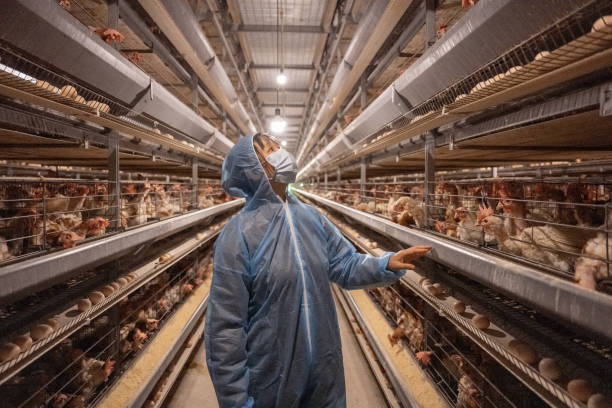
Biosecurity is critical. Zambia has poultry diseases like Newcastle disease, and prevention is far cheaper than treatment. Establish protocols for visitors, vehicle entry, and staff movement. Clean and disinfect between flocks. Control rodents and wild birds.
Nutrition drives performance. Work with reputable feed suppliers like National Milling, Novatek, or others. Monitor feed intake and adjust as needed. Quality feed is expensive, but poor feed costs more in lost production.
Health management requires a good relationship with a poultry veterinarian. Implement vaccination programs appropriate for your area. Train staff to recognize signs of illness early.
Record keeping helps you spot trends and make informed decisions. Track production, feed consumption, mortality, and costs. Good records show you what’s working.
Staff management is critical. Train your workers well, pay fairly, and create a positive work environment. Good staff are hard to find and keep.
Making Your Zambian Commercial Farm a Success
Zambia offers real opportunities for commercial poultry farmers. The market is growing, the climate is favorable, and the business environment is relatively stable. But success requires planning, quality equipment, and good management.
At Livi Machinery, we’ve helped farmers across Africa build successful poultry operations. We understand the Zambian market and what it takes to succeed there. Whether you’re starting with 10,000 birds or scaling up to 50,000, we can design a system that fits your farm and your goals.
Ready to build or expand your commercial chicken farm in Zambia? Contact Livi Machinery today for a free consultation and custom farm design. Tell us about your land, your goals, and your budget, and we’ll help you create a poultry operation that delivers profits for years to come.
Frequently Asked Questions
Q1: What’s the best cage system for commercial farms in Zambia?
For layer farms, H-type cages with full automation are usually the best choice for farms over 10,000 birds. For smaller operations, A-type cages may be a good starting point. For broilers, choose cages designed specifically for meat birds with appropriate floor strength.
Q2: How much land do I need for a commercial farm in Zambia?
For 15,000 birds, plan on 2 to 3 acres. For 30,000 birds, 3 to 5 acres. For 50,000 birds, 5 to 8 acres. This includes houses, feed storage, egg packing, staff facilities, and access roads.
Q3: What’s the climate like for poultry farming in Zambia?
Zambia has a tropical climate with distinct wet and dry seasons. Summers can be hot, especially in the valleys. Good house design with adequate ventilation and roof insulation is essential for managing heat.
Q4: How much does a 15,000-bird layer system cost in Zambia?
A complete automated system typically costs $90,000 to $150,000 for equipment, plus building costs of $50,000 to $100,000 or more. Total project investment often ranges from $200,000 to $350,000.
Q5: Do I need automatic egg collection for a commercial farm?
For farms over 5,000 birds, automatic egg collection is highly recommended. It saves labor, reduces breakage, and keeps eggs cleaner. The investment typically pays for itself within a few years.
Q6: How do I handle ventilation in Zambia’s hot months?
Good house design is the first step—orientation, insulation, and adequate height. For larger farms, consider tunnel ventilation with fans. In very hot areas, evaporative cooling can be beneficial.
Q7: What water source do I need for 15,000 birds?
A 15,000-bird layer farm consumes 1,500 to 2,500 liters of water daily. Ensure your water source—borehole, well, or municipal supply—can meet this demand reliably. Storage tanks provide buffer against interruptions.
Q8: How do I import poultry equipment into Zambia?
Work with a supplier who provides complete export documentation. Use a clearing agent familiar with agricultural imports. Equipment typically arrives through Durban or Dar es Salaam, then overland to Zambia.
Q9: What financing options are available in Zambia?
Commercial banks like Zanaco, Standard Chartered, and others offer agricultural loans. Development finance institutions may also have programs. A solid business plan is essential.
Q10: Can I use the same cages for layers and broilers?
No. Layer cages and broiler cages are designed differently. Layer cages have sloped floors for egg collection. Broiler cages need stronger floors for heavier birds. Choose the system that matches your production goals.