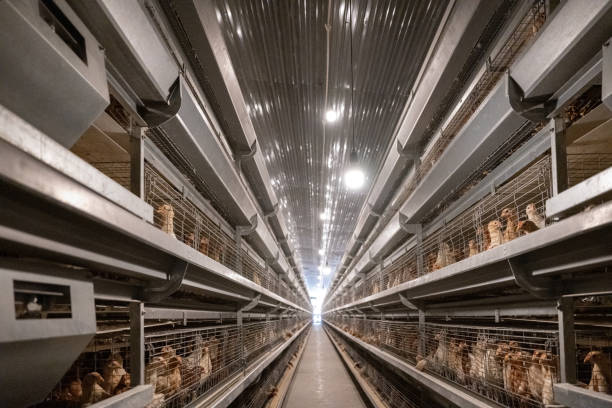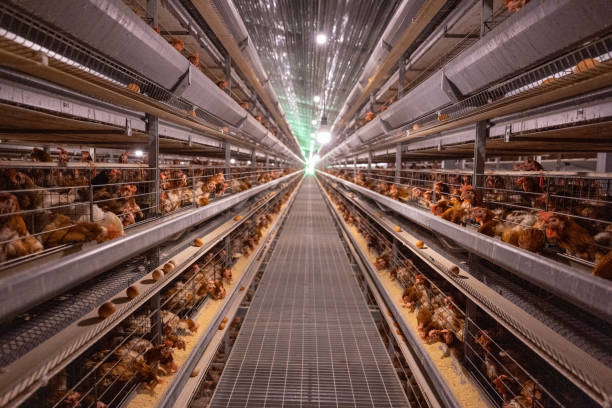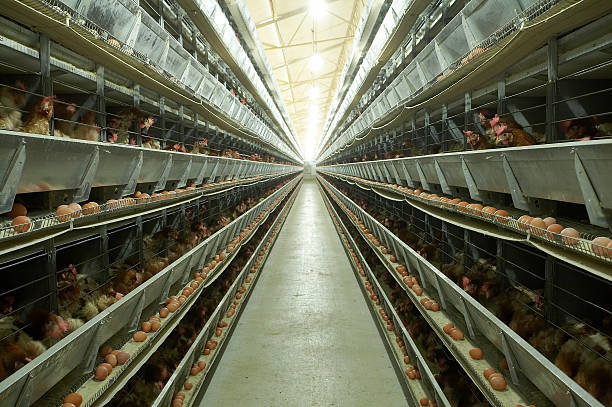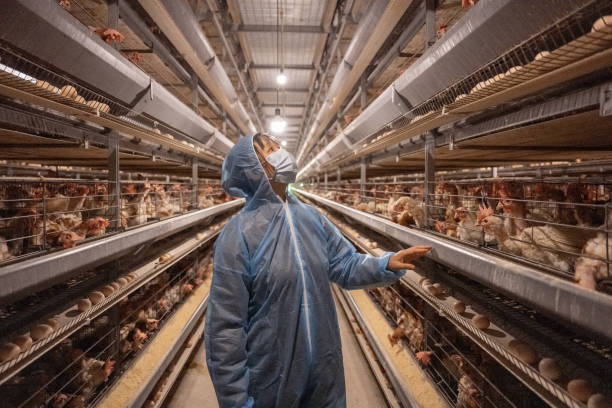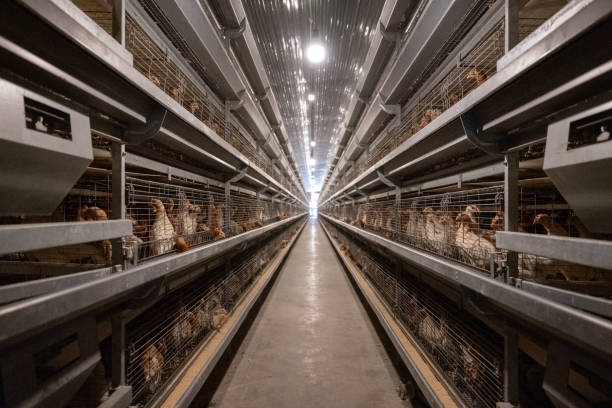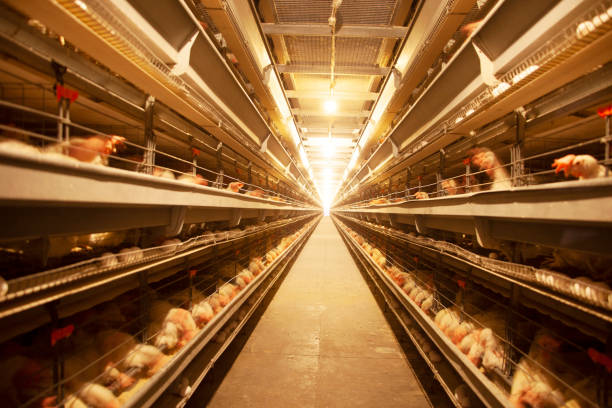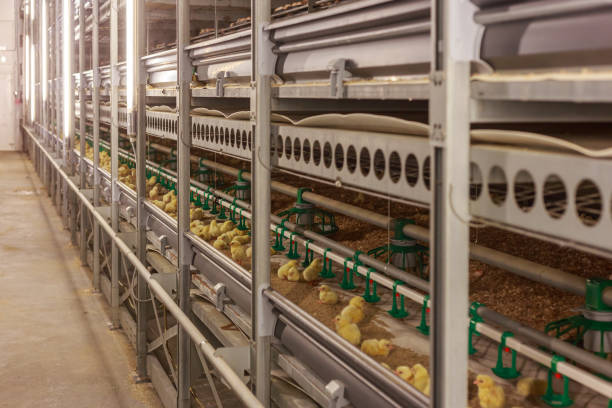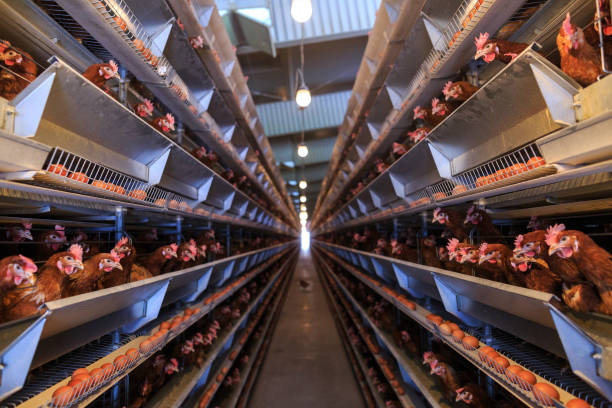

Before we dive into the details, let’s clarify what we mean by a modern chicken farm. A modern farm isn’t just about having new equipment. It’s about an integrated approach where every component works together to maximize efficiency, bird health, and profitability.
Automation is a defining feature. Modern farms use automated systems for feeding, watering, egg collection, manure removal, and environmental control. This reduces labor costs, improves consistency, and allows one person to manage thousands of birds.
Data-driven management sets modern farms apart. Sensors throughout the house monitor temperature, humidity, ammonia levels, feed consumption, water usage, and egg production. This data helps you make informed decisions and spot problems before they become crises.
Biosecurity is built into the design. Modern farms are laid out to minimize disease risk, with clear separation between clean and dirty areas, controlled access, and protocols for cleaning and disinfection.
Bird welfare is increasingly important—not just for ethical reasons, but because comfortable, unstressed birds perform better. Modern cage systems, ventilation, and lighting programs are designed with bird welfare in mind.
Energy efficiency is another hallmark. Modern farms use insulated buildings, energy-efficient lighting, and sometimes solar power to reduce operating costs.
Step 1: Planning and Feasibility
Every successful farm starts with a solid plan. Before you buy land or order equipment, take time to work through these questions.
Define your goals. What type of birds will you raise? Layers for eggs, or broilers for meat? How many birds do you want to house? What’s your target market—wholesale, retail, or direct to consumers? Your answers determine everything about your farm design.
Assess the market. Is there demand for eggs or chicken in your area? Who are your potential buyers—supermarkets, hotels, schools, processors? What prices can you expect? Understanding your market helps you size your operation appropriately.
Calculate your budget. Building a modern chicken farm requires significant capital. You’ll need money for land, buildings, equipment, initial birds, feed inventory, operating capital, and contingency. Be realistic about what you can afford and how you’ll finance it.
Research regulations. Most countries have regulations governing commercial poultry operations. These may cover zoning, environmental impact, biosecurity, and animal welfare. Visit your local agriculture office early to understand requirements.
Step 2: Site Selection
Choosing the right location for your farm is one of the most important decisions you’ll make. A good site sets you up for success; a poor site creates problems you’ll fight forever.
Land size depends on your bird numbers and house design. As a rough guide, plan on 2 to 3 acres for 10,000 birds, 3 to 5 acres for 20,000 birds, and 5 to 8 acres for 50,000 birds. This includes houses, feed storage, egg handling (for layers), staff facilities, and room for vehicles.
Accessibility is critical. Your farm needs all-weather road access. Feed trucks, egg trucks, and service vehicles need to reach you even during rainy seasons. If the road washes out, your birds suffer.
Water availability is non-negotiable. Birds need constant access to clean water. For a 20,000-bird layer farm, water consumption is 2,000 to 3,000 liters daily. Test your water source—borehole, well, or municipal supply—for quality and quantity before committing.
Electricity is essential for modern farms. Automated systems need reliable power. If grid power is unreliable, budget for backup generation. Solar systems are becoming more affordable and can offset operating costs.
Orientation matters. In hot climates, orient houses east-west so the long sides face north-south, minimizing direct sun exposure. In cooler climates, orientation may differ.
Distance from other farms protects your biosecurity. Locate your farm away from other poultry operations to reduce disease risk. A buffer of at least 500 meters is ideal.
Drainage is often overlooked but important. You don’t want water pooling around your houses during heavy rains. Choose a site with good natural drainage or plan for drainage improvements.
Step 3: Designing Your Poultry Houses
Your poultry houses are the heart of your farm. Modern house design balances bird comfort, worker efficiency, and construction cost.
House dimensions depend on your cage system. For H-type cages, a typical house for 20,000 layers might be 80 to 100 meters long and 12 to 15 meters wide. For broilers, dimensions may differ. Work with your equipment supplier to design a layout that fits your land and optimizes workflow.
Height is critical for multi-tier cage systems. For 4-tier H-type cages, you need at least 3.5 to 4 meters at the eaves. For 5-tier systems, 4.5 meters or more. Adequate height ensures good airflow above the top tier.
Floor should be reinforced concrete, sloped slightly for drainage. It needs to support the weight of cages, birds, and equipment. A well-designed floor makes cleaning between flocks much easier.
Walls can be open-sided with curtains or solid with mechanical ventilation. In hot climates, open-sided houses with roll-up curtains work well. The lower portion should be solid to prevent predators.
Roof insulation is essential in most climates. Uninsulated metal roofs create ovens in hot weather and condensation problems in cool weather. Use insulated panels, reflective coatings, or double roofing. Overhangs provide shade and keep rain out.
Ventilation must be designed by a professional based on your bird numbers, climate, and house configuration. Tunnel ventilation with fans at one end and inlets at the other is common for large houses. Proper airflow removes heat, moisture, and ammonia.
Biosecurity features should be built into your design. Consider separate entries for staff and supplies, footbaths or showers, and areas for changing clothes. A perimeter fence controls access.
Step 4: Choosing Your Cage System
The cage system you choose determines your bird density, automation options, and daily operations.
H-Type Layer Cages are the modern standard for large-scale egg production. Stacked vertically in 4 or 5 tiers, they maximize floor space and integrate seamlessly with full automation. For farms over 10,000 birds, H-type is usually the best choice.
A-Type Layer Cages are arranged in an A-frame shape with 3 to 4 tiers. They’re less expensive and may be better for existing buildings with lower ceilings, but they house fewer birds per square meter.
Broiler Cages are designed for meat birds, with stronger floors to support heavier weight. They come in similar configurations to layer cages but with different specifications.
Brooder Cages provide a warm, protected environment for young birds. If you’re raising your own pullets or starting day-old chicks, you’ll need dedicated brooding facilities.
Material quality is critical. Look for hot-dip galvanized steel with heavy coating. Quality cages last 10 to 15 years or more. Cheap cages with poor galvanization rust out in a few years.
Step 5: Selecting Automation Systems
Modern farms use automation to reduce labor and improve consistency. Here are the key systems.
Automatic Feeding delivers precise rations to every cage on a timer. Feed is stored in silos outside the house and automatically transferred to hoppers inside. This eliminates waste and ensures uniform nutrition.
Nipple Drinking provides clean water on demand without spillage. Quality systems include pressure regulators and filters. For larger farms, consider water meters to track consumption.
Automatic Egg Collection (for layers) is a game-changer. Eggs roll onto conveyor belts and travel directly to the packing room. Breakage rates drop below 0.5%, and eggs stay cleaner.
Manure Removal Belts carry waste out of the house several times daily. This dramatically reduces ammonia levels and improves bird health. Dry manure can be sold as fertilizer.
Environmental Control uses sensors to monitor temperature, humidity, and ammonia. Controllers automatically adjust fans, inlets, heaters, and cooling pads to maintain optimal conditions.
Backup Power is essential. A generator with automatic transfer switch keeps critical systems running during outages. In areas with good sun, solar can supplement or replace generator power.
Lighting Programs use programmable LED lights to control day length for layers or implement lighting programs for broilers. Good lighting improves production and feed conversion.
Step 6: Construction and Installation
With planning complete and equipment ordered, it’s time to build. Here’s what to expect.
Site preparation includes clearing, grading, and establishing drainage. This is also the time to install water lines, power supply, and any underground utilities.
Building construction follows. Pour foundations, erect the structure, install roof and walls, and pour floors. Work with experienced contractors who understand poultry house requirements.
Equipment installation comes after the building is enclosed. Cages, feeding systems, watering systems, and conveyors are assembled. This is detailed work—proper installation affects performance for years.
Electrical and controls are installed and tested. All sensors, controllers, motors, and backup systems should be verified.
Commissioning involves testing all systems together. Run feeding cycles, check water flow, verify ventilation, and calibrate sensors. Make adjustments before birds arrive.
Staff training should happen before birds arrive. Your team needs to understand how the systems work, how to monitor them, and what to do when something goes wrong.
Step 7: Getting Your First Flock
With construction complete and systems tested, it’s time to bring in birds.
Source quality birds. For layers, decide whether to buy point-of-lay pullets or raise your own. For broilers, source day-old chicks from reputable hatcheries. Bird quality matters as much as equipment.
Prepare the house. Clean and disinfect thoroughly. Run equipment to ensure everything works. Pre-heat or pre-cool to the right temperature before birds arrive.
Biosecurity protocols must be in place before birds arrive. Staff should know procedures for entering and leaving the house. Equipment should be dedicated to each house or cleaned between uses.
Monitor closely during the first few weeks. Birds need time to adjust to their new environment. Watch for signs of stress, check feed and water consumption, and verify environmental conditions.
Keep records from day one. Track feed consumption, water usage, production (for layers), mortality, and any interventions. Good records help you learn and improve.
Step 8: Managing Your Modern Farm
Once your farm is running, ongoing management determines your success.
Daily management includes walking through houses to check birds, equipment, and conditions. Even with automation, human observation catches problems sensors might miss.
Feed management is your biggest cost. Monitor consumption, adjust rations as birds grow or produce, and maintain feed quality. Poor feed costs more than good feed.
Health management requires regular observation and a good relationship with a poultry veterinarian. Implement vaccination programs appropriate for your area and disease risks.
Data analysis helps you optimize. Track key metrics—feed conversion, mortality, production, and costs. Compare to benchmarks and investigate deviations.
Staff management is critical. Train your team well, pay fairly, and create a positive work environment. Good staff are hard to find and keep.
Maintenance prevents breakdowns. Follow manufacturer recommendations for equipment service. Keep spare parts on hand for critical components.
Costs and Investment
Building a modern chicken farm requires significant capital. Here’s a rough guide to what you might expect.
| Farm Size | Equipment Cost (Fully Automated) | Building Cost (Estimate) | Total Project Investment |
|---|---|---|---|
| 10,000 Layers | $60,000 – $100,000 | $50,000 – $100,000 | $150,000 – $250,000 |
| 20,000 Layers | $120,000 – $200,000 | $100,000 – $200,000 | $300,000 – $500,000 |
| 50,000 Layers | $250,000 – $450,000 | $200,000 – $400,000 | $600,000 – $1,000,000 |
| 100,000 Layers | $500,000 – $900,000 | $400,000 – $800,000 | $1,200,000 – $2,000,000 |
These are rough estimates. Actual costs vary by location, specifications, and market conditions.
Common Mistakes to Avoid
Learn from others’ experience. Here are mistakes that often derail new farms.
Underestimating operating capital is the most common mistake. You need money for feed, labor, and other costs before revenue starts flowing. Budget at least three to six months of operating expenses.
Skimping on ventilation is a costly error. Poor ventilation leads to heat stress, respiratory disease, and poor performance. Ventilation is not a place to save money.
Choosing cheap equipment costs more in the long run. Quality cages last 15 years; cheap ones rust out in 5. The upfront savings aren’t worth the replacement cost and lost production.
Neglecting biosecurity invites disaster. Disease outbreaks can wipe out a flock in days. Invest in biosecurity from the start.
Not training staff leads to problems. Even the best equipment won’t perform well if operated incorrectly. Invest in training before birds arrive.
Failing to plan for manure creates environmental and neighbor issues. Have a plan for storage, handling, and disposal or sale of manure before you start.
The Future of Modern Chicken Farming
Poultry farming continues to evolve. Here are trends shaping the future.
Precision farming uses sensors, cameras, and AI to monitor individual birds and optimize management. This technology is becoming more accessible.
Welfare-focused design continues to advance. Modern cage systems balance bird welfare with efficiency, and consumer demand for humanely raised products is growing.
Sustainability is increasingly important. Solar power, water recycling, and manure management are becoming standard features of modern farms.
Data integration connects all aspects of farm management. Today’s systems already track key metrics; tomorrow’s will predict problems and suggest solutions.
Your Journey to a Modern Chicken Farm
Building a modern chicken farm is a significant undertaking, but the rewards can be substantial. You’re providing essential food for your community while building a business that can support your family for generations.
At Livi Machinery, we’ve been helping farmers build modern poultry operations since 2012. We understand what it takes to succeed, and we’re here to help you every step of the way—from initial planning and design to equipment selection, installation, and ongoing support.
Ready to build your modern chicken farm? Contact Livi Machinery today for a free consultation. Tell us about your vision, your land, and your goals, and we’ll help you design a farm that delivers efficiency, profitability, and peace of mind for years to come.
Frequently Asked Questions
Q1: How much does it cost to build a modern chicken farm?
Costs vary widely based on size, location, and equipment quality. A 10,000-bird layer farm might cost $150,000 to $250,000 total. A 50,000-bird farm might cost $600,000 to $1,000,000 or more. Get detailed quotes from suppliers and contractors.
Q2: What’s the best cage system for a modern farm?
For large-scale layer farms, H-type cages with full automation are the standard. For smaller farms or those with existing buildings, A-type cages may work well. For broilers, choose cages designed specifically for meat birds.
Q3: How long does it take to build a modern chicken farm?
From planning to first birds, expect 8 to 12 months. This includes site selection, design, permitting, construction, equipment manufacturing, shipping, installation, and commissioning.
Q4: Do I need a generator for my farm?
If grid power is unreliable, yes. A generator with automatic transfer switch protects your flock during outages. In hot climates, losing ventilation for even a few hours can be catastrophic.
Q5: How many workers do I need for a modern farm?
With full automation, a 20,000-bird farm might need 4 to 6 workers. A 50,000-bird farm might need 8 to 12 workers. The exact number depends on your setup and whether you’re producing eggs or meat.
Q6: What’s the most important factor for success?
Good management trumps everything. Even the best equipment won’t succeed without attentive, knowledgeable management. Invest in training for yourself and your staff.
Q7: Can I start small and expand later?
Yes. Many successful farmers start with one house and add more as their business grows. Choose a site and design that allows for expansion, and work with suppliers who offer modular systems.
Q8: What ventilation system should I choose?
For most modern farms, tunnel ventilation with fans and inlets is the standard. In hot climates, add evaporative cooling. Work with an experienced designer to calculate your needs.
Q9: How do I finance a modern chicken farm?
Options include commercial bank loans, agricultural development finance programs, equipment financing, and investor capital. A detailed business plan is essential for lenders.
Q10: What’s the biggest mistake new farmers make?
Underestimating operating capital needs. You need money for feed, labor, and other costs before revenue starts. Budget for at least three to six months of operating expenses before your first income .