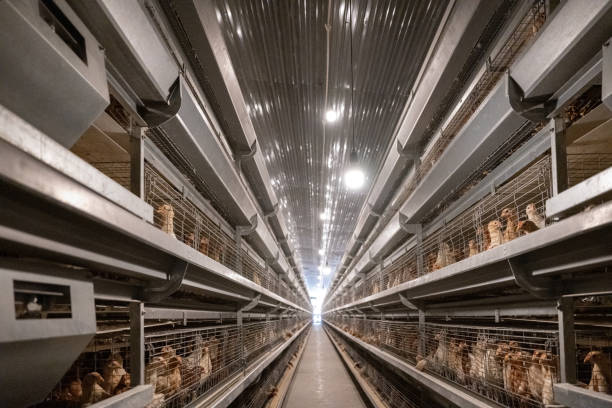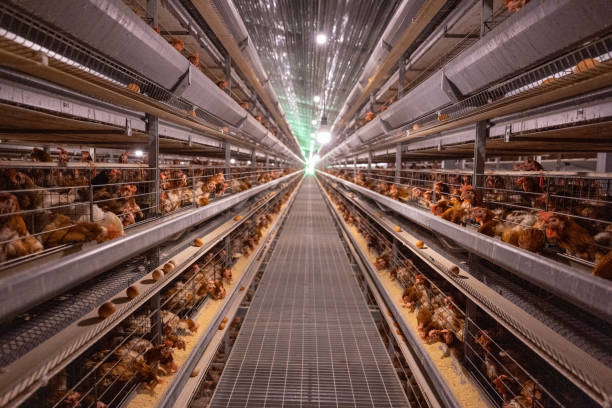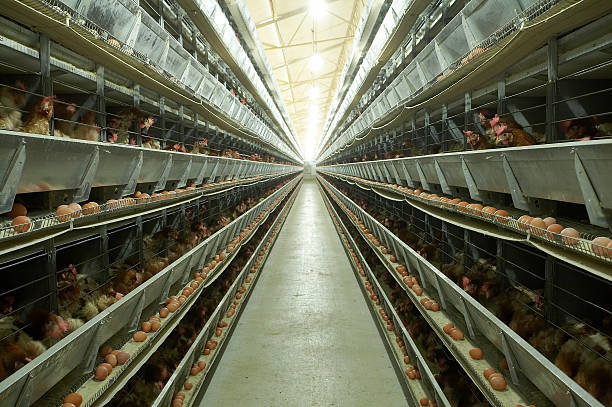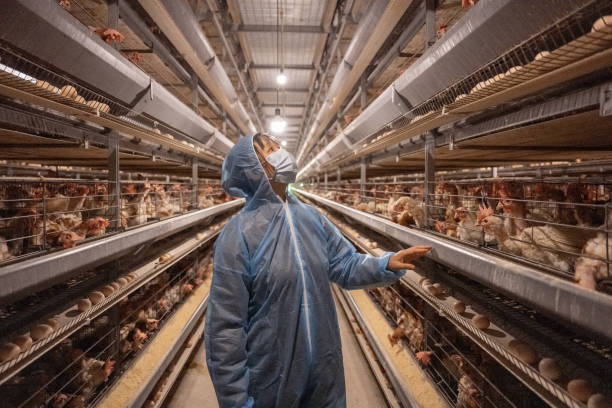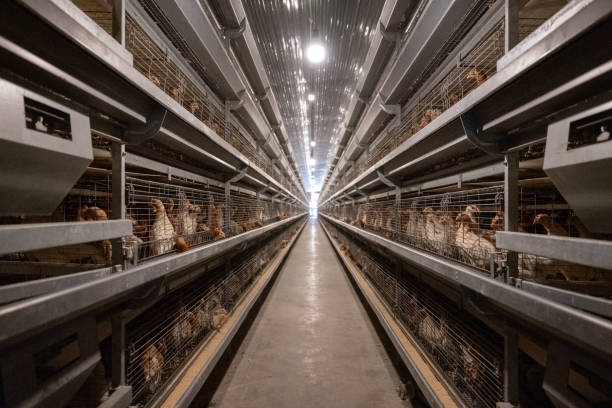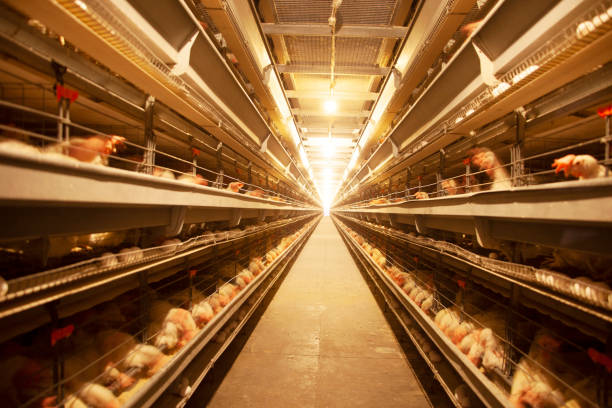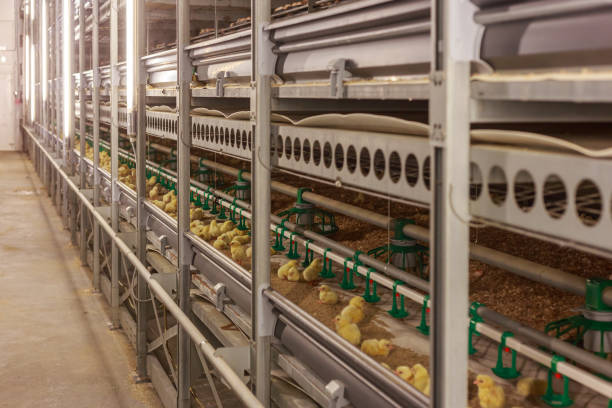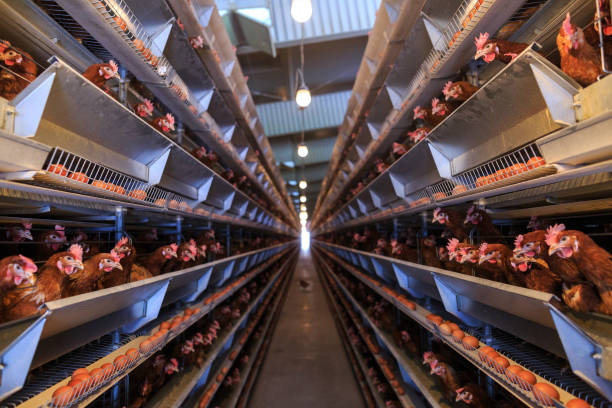

For a 60,000 layers poultry farm in Uganda, a 5-tier H type layer cage system is a practical solution for large-scale egg production because it saves land, supports automatic feeding and drinking, improves manure management, and allows eggs to be collected more efficiently. For this project size, Livi Machinery recommends a complete automatic layer farm solution including H type battery cages, feed delivery, nipple drinking lines, belt manure removal, automatic egg collection, ventilation, cooling pads, and poultry house layout design.
This type of system is especially suitable for Ugandan investors who want to build a modern egg farm with higher stocking density, lower labor demand, and a cleaner chicken house environment.
Why Is a 5-Tier H Type Cage Suitable for 60,000 Layers?
A 60,000-bird layer project is already a large commercial farm. Compared with traditional floor rearing or A type cages, the 5-tier H type cage makes better use of vertical space. This is important in Uganda, where many investors want to control land use while still building farms near feed supply, egg markets, or transportation routes.
For this project, a typical configuration can use 5-tier H type layer cages with about 240 birds per set. Based on this structure, around 250 cage sets are needed for 60,000 layers. The final quantity should be adjusted according to house width, cage row arrangement, aisle design, ventilation method, and future expansion plans.
| Project Item | Recommended Design |
|---|---|
| Country | Uganda |
| Farm Scale | 60,000 laying hens |
| Cage Type | 5-tier H type layer cage |
| Suggested Cage Capacity | About 240 birds/set |
| Estimated Cage Sets | About 250 sets |
| Automation Level | Fully automatic |
| Main Systems | Feeding, drinking, manure removal, egg collection, ventilation |
| Best For | Large commercial egg production farms |
The main advantage of the 5-tier H type layer cage in Uganda is that it supports intensive farming without making the chicken house difficult to manage. Each tier has manure belts, the feeding system can run automatically, and eggs can roll smoothly to the egg collection belt.
What Equipment Is Included in This Uganda Layer Farm Project?
A complete automatic layer cage system for 60000 hens should not only include cages. For stable egg production, the equipment must work as one integrated system.
The recommended configuration includes:
- 5-tier H type layer battery cages
- Automatic feeding system with feed silo and conveying system
- Automatic nipple drinking system with pressure regulator
- Automatic manure removal belt system
- Automatic egg collection system
- Ventilation fans, air inlets, and cooling pads
- Environmental control cabinet
- Lighting system
- Poultry house layout and installation guidance
For Uganda’s climate, ventilation design is very important. The chicken house should remove heat, moisture, ammonia, and dust while keeping airflow stable across all cage rows. In warm and humid areas, poor ventilation can reduce feed intake, affect laying performance, and increase disease pressure.
How Should the Poultry House Be Designed for Uganda’s Climate?
Uganda has many areas with warm temperatures and seasonal rainfall. For a large layer farm, the poultry house should be designed around airflow, humidity control, roof insulation, and reliable drainage.
For a 60,000-layer farm, Livi Machinery usually considers the following design points:
| Design Factor | Practical Recommendation |
|---|---|
| House Orientation | Arrange according to local wind direction and sunlight exposure |
| Ventilation | Use fans, side air inlets, and cooling pads for balanced airflow |
| Roof Design | Insulated roof to reduce heat stress |
| Drainage | Keep rainwater away from manure and feed areas |
| Power Supply | Prepare backup power for feeding, water, ventilation, and egg collection |
| Expansion | Reserve space for future cage rows or another poultry house |
Power stability should not be ignored. In a fully automatic farm, ventilation, water supply, and manure removal depend on electricity. For safety, the farm should be equipped with a generator or backup power system, especially during hot weather or high-production periods.
How Does the System Reduce Labor and Management Pressure?
A large-scale layer farm with 60,000 birds cannot rely only on manual work. Manual feeding, egg picking, and manure cleaning require many workers and may lead to uneven management.
With Livi Machinery’s automated system, daily farm work becomes more standardized:
- Feed is delivered evenly to each cage row.
- Nipple drinking lines provide clean water with adjustable pressure.
- Manure belts remove chicken manure regularly and reduce ammonia.
- Egg belts collect eggs with less manual handling.
- The control cabinet helps manage ventilation, lighting, feeding, and other equipment.
This is important for Ugandan farm owners who want to reduce long-term labor costs and improve production consistency. Automation does not only save workers; it also reduces management mistakes.
How Are Eggs Collected and Protected?
For a 60,000-bird egg farm, egg handling efficiency directly affects profit. If eggs are collected manually, breakage and contamination may increase, especially during peak laying periods.
The automatic egg collection system allows eggs to roll from the cage bottom net to the egg belt and then move toward the collection area. This reduces direct contact between workers and eggs. It also helps keep eggs cleaner and lowers the risk of shell damage.
For commercial egg producers supplying Kampala, regional markets, wholesalers, hotels, or distributors, cleaner eggs and lower breakage can improve market competitiveness.
What Makes This Project Different from a Small Layer Farm?
A small farm may focus mainly on cage price. A 60,000-layer farm must focus on system matching. Cage layout, feed delivery, ventilation capacity, manure handling, egg flow, worker aisles, and maintenance space must be planned together.
For example, if the cage system is well designed but ventilation is weak, birds on upper tiers may suffer from heat stress. If egg collection is not matched with farm capacity, egg handling becomes a bottleneck. If manure removal is not planned properly, ammonia and flies can become serious problems.
That is why Livi Machinery provides project-based design instead of only selling cage products. For investors in Uganda, this helps avoid design mistakes before construction begins.
Why Choose Livi Machinery for a 60,000 Layers Project in Uganda?
Livi Machinery supports large and medium poultry farms with poultry house design, cage system configuration, automation equipment, production, shipping, installation guidance, and after-sales support.
For this Uganda project, Livi Machinery can provide:
- Free poultry house layout design based on land size
- Equipment list and cage quantity calculation
- 3D layout reference for better planning
- Automatic system configuration according to budget
- Shipping arrangement and packing plan
- Installation drawings and technical guidance
- After-sales support for operation and maintenance
The goal is to help the farm owner build a practical, efficient, and expandable egg production project.
FAQ
1. How many H type cage sets are needed for 60,000 layers?
If using a 5-tier H type cage with about 240 birds per set, around 250 cage sets are needed. The final number may change depending on cage model, house size, aisle width, and layout design.
2. Is a 5-tier H type cage better than an A type cage for Uganda?
For a large 60,000-layer project, the 5-tier H type cage is usually more suitable because it has higher stocking density, saves land, and supports full automation. A type cages are more commonly used for smaller or lower-budget farms.
3. What automation systems are most important?
The most important systems are automatic feeding, nipple drinking, manure removal, egg collection, and ventilation control. These systems reduce labor, improve hygiene, and make daily management easier.
4. Can the farm be expanded later?
Yes. Livi Machinery can design the poultry house layout with future expansion in mind. The farm can reserve space for additional cage rows, another poultry house, larger feed storage, or upgraded egg collection lines.
5. Why is ventilation important for a layer farm in Uganda?
Ventilation controls heat, humidity, ammonia, dust, and fresh air supply. In a warm climate, good ventilation helps reduce heat stress and supports stable egg production.
Final CTA
Planning a 60,000 layers poultry farm in Uganda? Contact Livi Machinery to get a free poultry house design, 5-tier H type layer cage layout, equipment configuration, and quotation for your commercial egg production project.