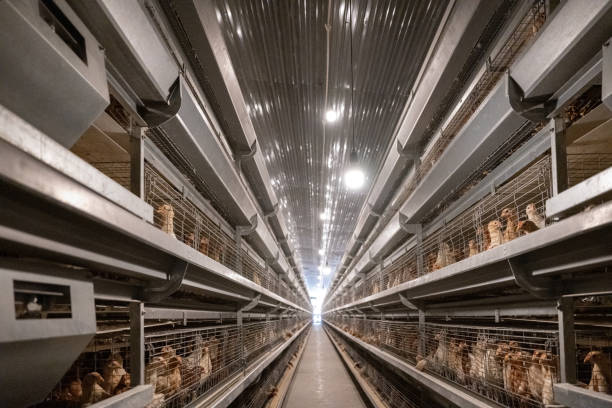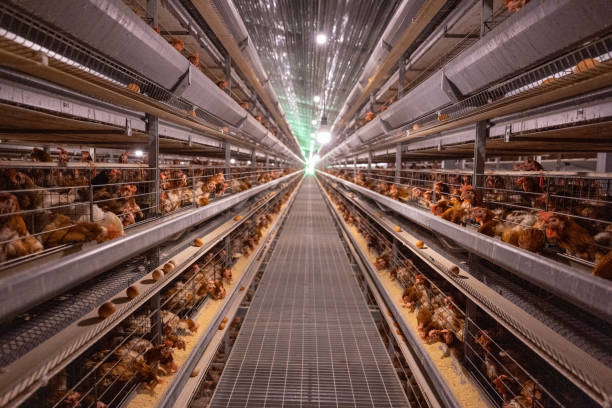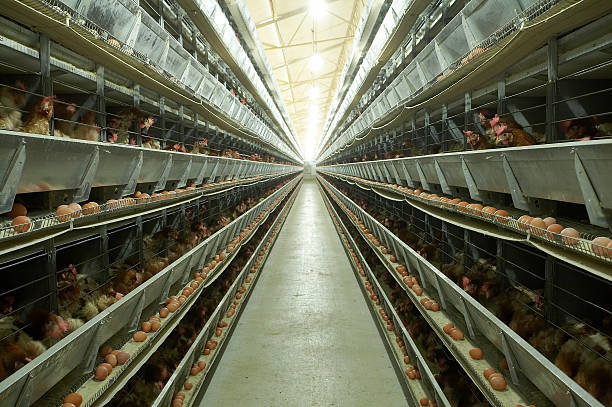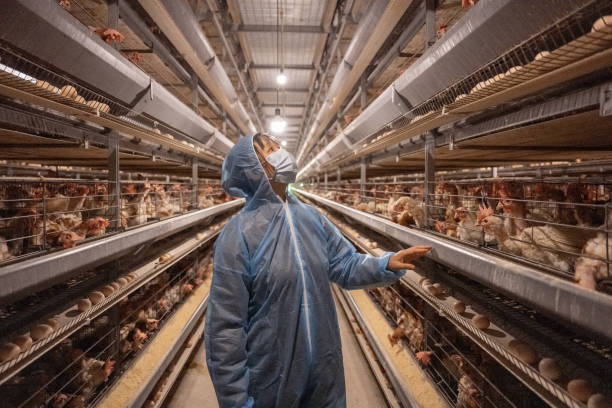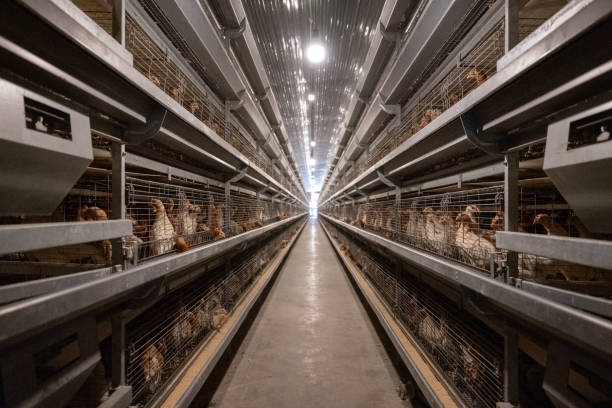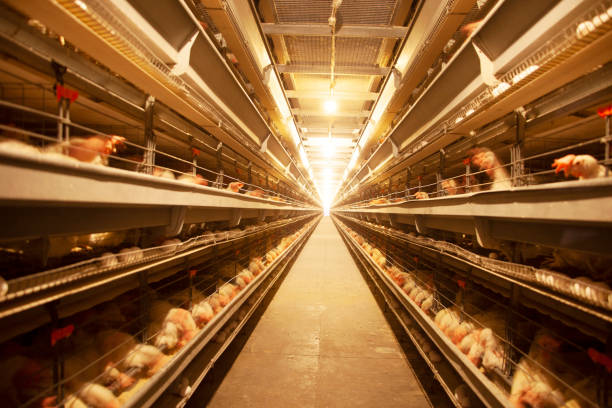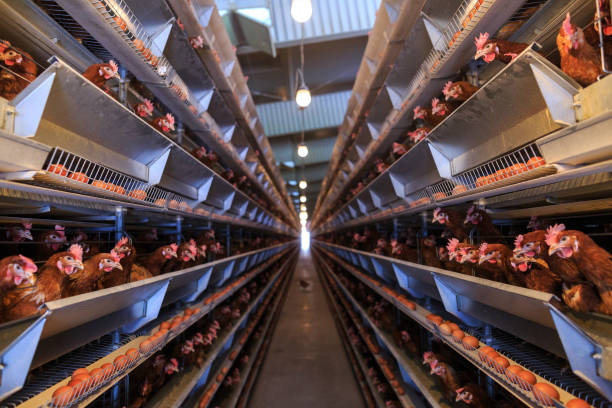

For a poultry farm design in Comoros with 30,000 layers and 10,000 broilers, the recommended solution is a separated but coordinated farm layout: one H type layer cage house for egg production, one broiler house for meat production, and shared supporting systems such as feed storage, water treatment, manure handling, ventilation control, and backup power planning. This structure helps the investor build two revenue streams: daily egg sales from layers and fast-cycle broiler sales from meat chickens.
Comoros has a tropical island climate with a warmer humid season from November to April and a cooler dry season from May to October; January can bring heavy rainfall, so poultry houses need strong ventilation, moisture control, reliable drainage, and corrosion-resistant equipment. At the same time, FAO notes that Comoros still depends heavily on imported animal products, including broiler meat and table eggs, which creates room for modern local poultry production.
Why Is a Mixed Layer and Broiler Farm Suitable for Comoros?
A 30,000-layer and 10,000-broiler project is suitable for investors who want both stable cash flow and faster market turnover.
Layers provide daily egg output after the laying period begins, which supports regular sales to local markets, hotels, restaurants, retailers, and distributors. Broilers, on the other hand, create shorter production cycles and can help the farm respond quickly to meat demand during holidays, school supply periods, or local market shortages.
For Comoros, this mixed model has three practical advantages:
- It reduces dependence on only one poultry product.
- It makes better use of land, labor, feed logistics, and management teams.
- It supports local supply where imported poultry products may face shipping delays or higher logistics costs.
Since Comoros is an island country with limited land resources, the design should prioritize high space utilization, disease separation, and easy transport access inside the farm.
What Equipment Is Needed for 30,000 Layers in Comoros?
For the layer section, Livi Machinery recommends an H type layer battery cage system because it offers higher bird capacity per house and is suitable for medium-to-large commercial egg farms. According to Livi’s product information, H type layer equipment is designed for high-density farming, automatic feeding, drinking, egg collection, manure removal, and environmental control. The system also uses hot-dip galvanized cage mesh, V-shaped feed troughs, and a sloped bottom net to help reduce egg damage.
A suggested configuration for 30,000 layers:
| Section | Recommended Configuration | Purpose |
|---|---|---|
| Layer house | H type layer cage system | Save land and increase bird capacity |
| Feeding | Automatic feeding trolley or chain feeding | Uniform feed distribution |
| Drinking | Nipple drinking line with pressure regulator | Stable water supply and less leakage |
| Egg collection | Automatic egg collection system | Reduce labor and egg breakage |
| Manure removal | Belt manure removal system | Improve hygiene and reduce ammonia |
| Ventilation | Fans, air inlets, cooling pads, controller | Control heat and humidity |
| Lighting | Dimmable poultry lighting system | Support laying performance |
For 30,000 layers, Livi engineers can calculate the number of cage rows, tiers, house length, aisle width, egg belt layout, feed silo capacity, and manure outlet position according to the available land and the customer’s expansion plan.
How Should the 10,000 Broiler Area Be Designed?
For 10,000 broilers, the investor can choose between an automatic deep litter system and a broiler cage system.
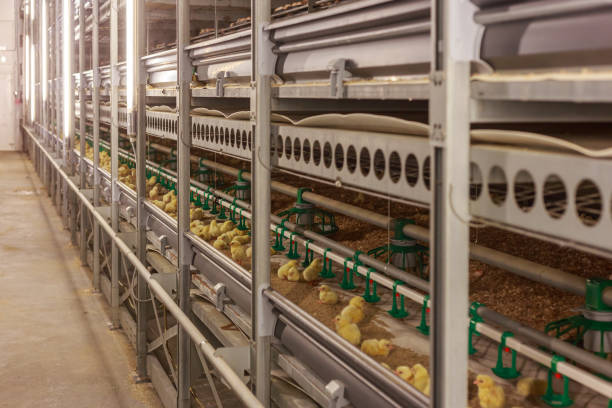
For a first-stage project, an automatic deep litter broiler house is often cost-effective. It includes pan feeding, nipple drinking, ventilation fans, cooling pads, heating equipment for chicks, and environmental control. For investors who want higher density, cleaner manure management, and more standardized batch production, a broiler cage system can be considered.
| Broiler Option | Suitable For | Main Benefits |
|---|---|---|
| Automatic deep litter system | Lower initial investment | Easier operation, flexible layout |
| Broiler cage system | Higher management standard | Better space use, cleaner manure handling |
| Semi-automatic broiler house | Budget-sensitive farms | Lower cost with room for upgrade |
Livi’s broiler feeding system uses feeding pans with adjustable feed output, while the nipple drinking system includes the waterline front end, suspension system, pressure regulator, and waterline end. The catalog also describes broiler cage systems with automatic feeding, drinking, manure cleaning, and good ventilation.
How Should the Poultry Houses Be Arranged?
The most important design principle is separation. Layers and broilers should not share the same house because their production cycle, feeding program, lighting schedule, and disease control requirements are different.
A practical farm layout may include:
| Farm Area | Design Suggestion |
|---|---|
| Layer house | Located in the main production zone with egg collection access |
| Broiler house | Built downwind or separated from the layer house |
| Feed storage | Near both houses but protected from humidity |
| Egg room | Close to layer house, shaded and clean |
| Manure area | Downwind side, away from water source |
| Staff route | One-way movement from clean area to production area |
| Disinfection area | At farm entrance and before each house |
Because Comoros has humid and rainy months, the site should include raised foundations, drainage channels, sealed feed storage, anti-rust equipment, and good roof insulation. Steel structure poultry houses can be considered where fast construction, durability, and equipment integration are important. Livi’s poultry house information highlights galvanized materials, insulation, corrosion-resistant panels, and advance design for equipment installation.
What Ventilation System Works Best in Comoros?
Ventilation is one of the most important parts of this project. High humidity can increase ammonia concentration, wet litter, respiratory pressure, and bacterial growth. Therefore, the poultry house should not rely only on natural airflow.
For the layer house, the recommended system includes tunnel ventilation, sidewall air inlets, exhaust fans, cooling pads, temperature sensors, humidity monitoring, and automatic control. Livi’s environmental control system is designed to manage temperature, air quality, humidity, ventilation mode, and equipment operation in real time.
For the broiler house, ventilation should be adjusted by bird age. Chicks need stable temperature and low air speed in the brooding stage, while older broilers need stronger air exchange to remove heat and moisture.
Since World Bank data shows that Comoros had 89.8% population access to electricity in 2023, commercial poultry farms should still prepare backup generators or hybrid power support for fans, water pumps, controllers, and feeding systems. In a humid tropical poultry house, ventilation interruption can quickly affect bird health.
What Are the Main Benefits of Automation?
For a 40,000-bird mixed poultry project, automation is not only about saving labor. It also helps the farm maintain consistent production standards.
Main benefits include:
- More uniform feeding for layers and broilers
- Less manual contact with birds
- Lower egg breakage during collection
- Cleaner manure handling
- Better control of humidity and ammonia
- Easier management during rainy seasons
- More stable performance when labor is limited
In the layer house, automatic egg collection and belt manure removal directly improve egg cleanliness and working efficiency. In the broiler house, automatic pan feeding and nipple drinking reduce feed waste and water leakage.
What Services Can Livi Machinery Provide for This Project?
For a Comoros poultry farm with 30,000 layers and 10,000 broilers, Livi Machinery can support the project from planning to operation.
The service scope includes:
- Free poultry house layout design
- Layer and broiler equipment configuration
- Cage quantity and house size calculation
- Ventilation and environmental control planning
- Feed silo, waterline, egg collection, and manure removal design
- Equipment manufacturing and quality inspection
- Loading, shipping, and installation guidance
- Operation training and after-sales support
Livi Machinery focuses on large and medium-sized poultry farm design, automatic cage systems, environmental control systems, and renovation or expansion projects. The company’s product range includes automatic feeding, drinking, manure cleaning, egg collecting, ventilation, intelligent control, and related poultry equipment.
FAQ
1. Is H type layer cage equipment suitable for 30,000 layers in Comoros?
Yes. H type layer cages are suitable because they save land, improve automation, and allow efficient management of feeding, drinking, manure removal, egg collection, and ventilation.
2. Should the broilers use cages or deep litter?
For 10,000 broilers, both options are possible. Deep litter is suitable for lower investment, while broiler cages are better for higher density, cleaner manure handling, and more standardized production.
3. How many chicken houses are needed?
Usually, one layer house and one broiler house are recommended. The final size depends on land dimensions, cage model, ventilation method, stocking density, and future expansion plans.
4. What should be considered for Comoros’ climate?
The key points are humidity control, drainage, corrosion resistance, feed storage protection, ventilation, cooling pads, and backup power for fans and water systems.
5. Can Livi Machinery provide a complete farm design?
Yes. Livi Machinery can provide poultry house layout, cage configuration, automation system planning, ventilation design, shipping support, installation guidance, and after-sales service.