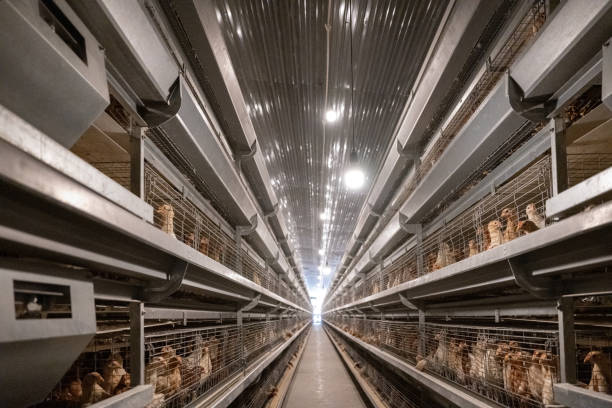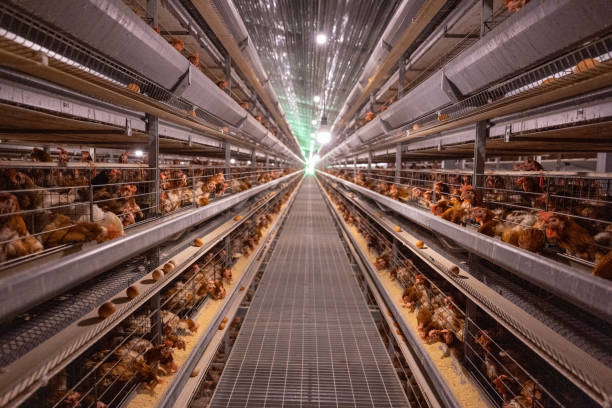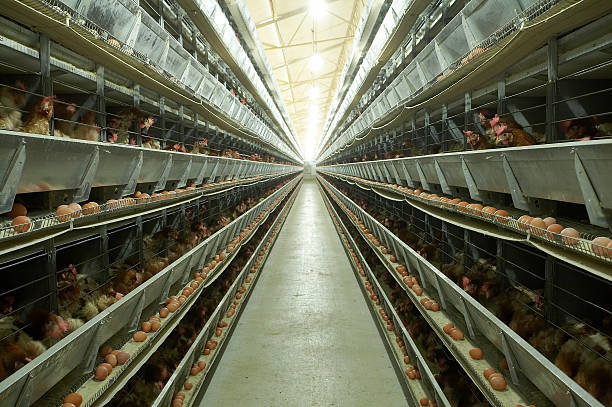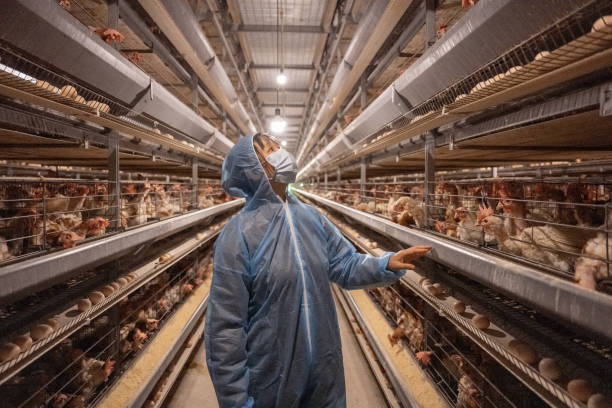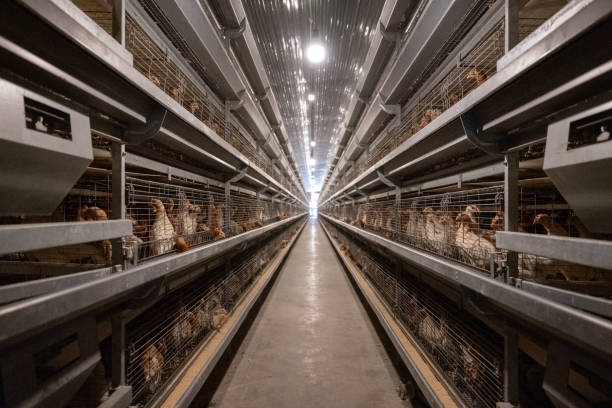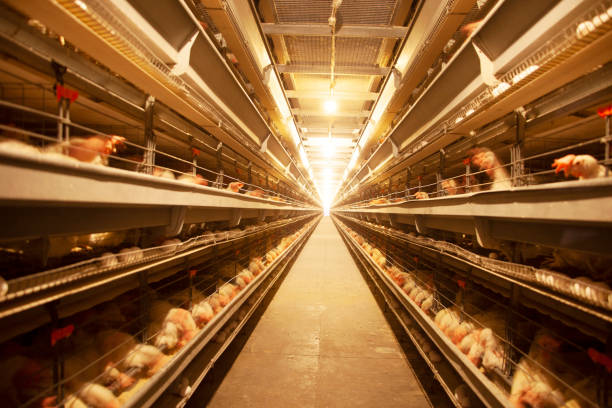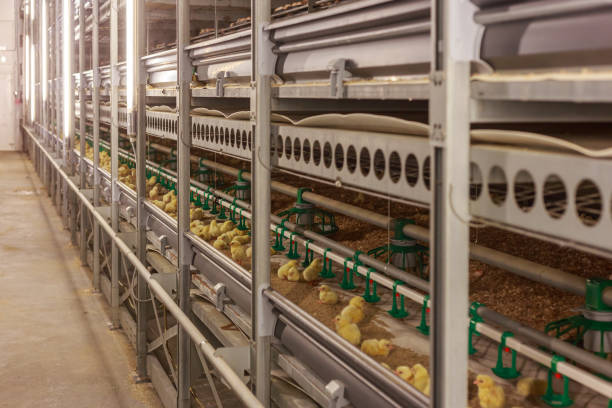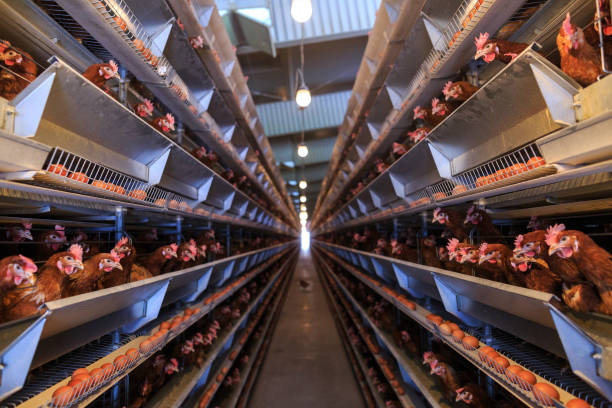

A practical 50,000 layers poultry farm design in Uganda should be planned as a highly automated project with H type layer cages, automatic feeding, nipple drinking lines, manure belts, egg collection, ventilation control, and standby power protection. For many commercial investors, dividing the flock into two independently managed houses of approximately 25,000 birds each is a safer long-term approach than placing all layers in one oversized house.
This layout can improve disease-control management, simplify maintenance, reduce operational risk, and create a clearer path for future expansion.
Why Should a 50,000-Layer Farm in Uganda Be Designed in Two Production Houses?
At a 50,000-bird scale, poultry farm planning is no longer only about how many cages can fit inside a building. The project must also consider egg flow, manure handling, staff movement, water supply, power stability, biosecurity, and future capacity growth.
A two-house design can offer several practical advantages:
- Separate flock management between houses.
- Easier cleaning and maintenance scheduling.
- Reduced risk when one house requires equipment servicing.
- More flexible egg collection and packing workflow.
- Better expansion planning for a future 80,000- or 100,000-layer farm.
- Improved traffic control for workers, feed trucks, egg vehicles, and manure removal.
For Uganda projects, drainage and moisture management should be included from the first drawing stage. The chicken houses should be positioned on a properly raised foundation, with rainwater channels, clear service roads, and protected areas for feed storage and egg handling.
What Equipment Is Needed for a 50,000 Layers Poultry Farm Design in Uganda?
The recommended solution is a fully automated H type layer battery cage system with centralized control equipment. The final equipment quantity should be calculated after confirming house dimensions, aisle width, local building materials, flock breed, and future expansion objectives.
| System | Recommended Configuration | Main Purpose |
| Layer cages | H type cages, normally 4–6 tiers | Higher stocking capacity and efficient use of house space |
| Feeding system | Feed silo, conveying line, automatic feeding machine | Consistent feed distribution and lower labor demand |
| Drinking system | Nipple drinker lines, pressure regulator, dosing unit, water meter | Stable water supply and medication management |
| Egg collection | Longitudinal egg belts and central egg collection line | Faster collection and reduced manual handling |
| Manure removal | Automatic PVC or PP manure belts with transfer conveyor | Improved house hygiene and easier manure management |
| Ventilation | Fans, air inlets, cooling pads where required, environmental controller | Temperature, humidity, and air-quality management |
| Power protection | Generator, automatic transfer switch, alarms, surge protection | Prevent ventilation and water-supply interruptions |
| Lighting | Dimmable poultry lighting system | More consistent lighting management for layers |
A 4-tier, 4-door H type cage configuration can carry approximately 192 birds per cage set, while a 5-tier, 4-door arrangement can reach around 240 birds per set. The final quantity should not be decided by bird capacity alone. LIVI engineers should first confirm the building length, width, ventilation route, service aisle, and egg-room position before preparing the detailed layout.
How Can Automation Improve Egg Farm Management?
For a 50,000-layer operation, automation is not simply a labor-saving upgrade. It is an operational control system.
Automatic feeding helps distribute feed more evenly across the cage rows. This reduces differences in feed access and supports more consistent flock management. A properly designed feeding line can also reduce feed accumulation and simplify daily inspection.
The automatic egg collection system is particularly important at this scale. Instead of collecting eggs manually from every cage row, eggs move through belts toward a centralized collection point. This can reduce handling steps, improve collection efficiency, and help lower the risk of cracked or dirty eggs.
Automatic manure belts provide another major management benefit. Frequent manure removal can improve the air environment inside the house, reduce ammonia buildup, and make manure collection more organized for composting, sale, or fertilizer processing.
A complete automated system can help farm owners:
- Reduce dependence on large manual labor teams.
- Improve consistency in feeding and egg collection.
- Make daily production records easier to track.
- Reduce unnecessary bird disturbance.
- Improve hygiene around cages and walkways.
- Create a more scalable management model for expansion.
What Climate and Infrastructure Issues Should Be Considered in Uganda?
A layer farm in Uganda should be designed around real site conditions rather than copied from another country’s poultry house drawing.
How Should the House Handle Heat and Humidity?
Ventilation should be calculated according to bird density, house length, local climate conditions, and building orientation. The poultry house ventilation and environmental control system may include exhaust fans, side-wall air inlets, cooling pads, sensors, and a controller that adjusts equipment according to house conditions.
The objective is not simply to install more fans. The goal is to move fresh air evenly through the house without creating dead zones, excessive drafts, or humid corners.
Why Is Backup Power Essential?
At 50,000 birds, a power outage can affect ventilation, lighting, feeding, drinking, and egg collection. A standby generator and automatic changeover system should be part of the core investment plan, not an optional add-on.
The farm should also protect electrical panels from moisture, dust, voltage fluctuations, and unauthorized access. Equipment alarms can notify staff when water pressure, temperature, ventilation, or power supply moves outside the normal operating range.
How Should Water Supply Be Planned?
The water source should be tested before final equipment selection. Water quality affects nipple drinkers, medication systems, and flock health. A practical water system may include a storage tank, filtration, dosing equipment, water meters, flushing lines, and backup water capacity.
What Should Be Confirmed Before LIVI Prepares the Final Farm Layout?
Before ordering poultry cage equipment for large farms, investors should provide the following information:
- Land size and site survey drawings.
- Target flock size and expected future expansion capacity.
- Chicken-house orientation and available road access.
- Local power voltage, frequency, and generator plan.
- Water source, water quality report, and storage capacity.
- Feed delivery method and local feed-storage requirements.
- Egg packing-room location and vehicle loading route.
- Manure collection, storage, composting, or sales plan.
- Preferred automation level and investment budget.
These details allow LIVI to prepare an automatic poultry farm design that matches the actual site instead of providing a generic equipment list.
How Does LIVI Machinery Support a 50,000-Layer Project?
LIVI Machinery can support the full process of a commercial layer farm project, from preliminary planning to equipment installation guidance.
Our service scope includes:
- Free preliminary chicken-house design.
- H type cage layout and equipment configuration.
- Feed, drinking, egg collection, manure removal, and ventilation planning.
- Equipment manufacturing and export packing.
- Shipping coordination support.
- Installation drawings and remote installation guidance.
- Commissioning assistance and after-sales technical support.
- Expansion planning for future poultry houses.
For investors who are building their first large-scale commercial layer farm, a coordinated solution can reduce layout mistakes, avoid equipment mismatch, and improve project execution.
FAQ
Is an H type cage system suitable for 50,000 layers?
Yes. H type layer cages are well suited to a 50,000-layer project because they use vertical space efficiently and can integrate automatic feeding, drinking, manure removal, egg collection, and environmental control systems.
Should a 50,000-layer project use four-tier or five-tier cages?
Both can be suitable. Four-tier cages may provide easier operation and more generous vertical space, while five-tier systems can increase capacity within the same building footprint. The best option depends on house dimensions, local construction conditions, ventilation design, and budget.
Can the farm be expanded after the first 50,000 birds?
Yes. The first-stage project should reserve space for future houses, feed-storage expansion, egg packing, manure handling, electrical capacity, and vehicle circulation. Planning these items early makes future expansion more efficient.
What automation equipment should be prioritized when the budget is limited?
For a 50,000-layer farm, priority should usually be given to reliable cages, automatic feeding, nipple drinking lines, manure removal, ventilation, and backup power. Automatic egg collection should also be included where possible because of the large daily egg volume.