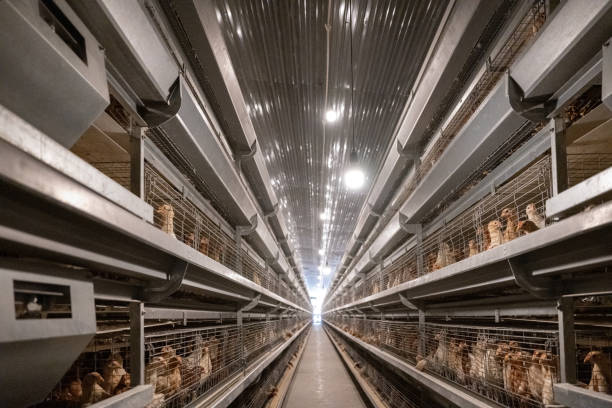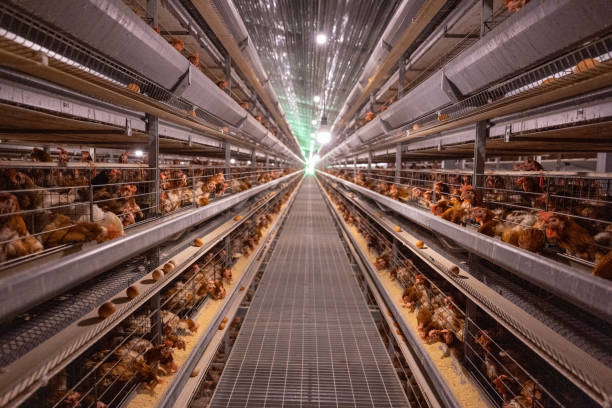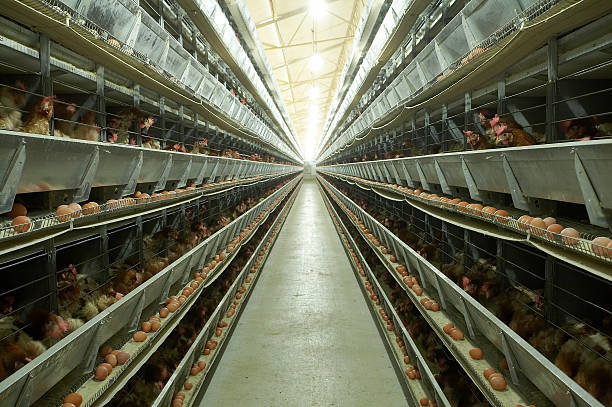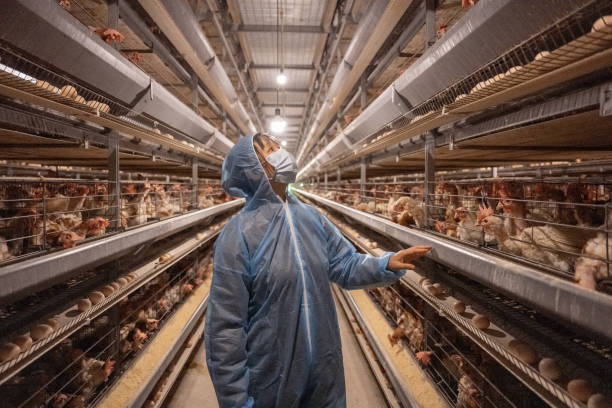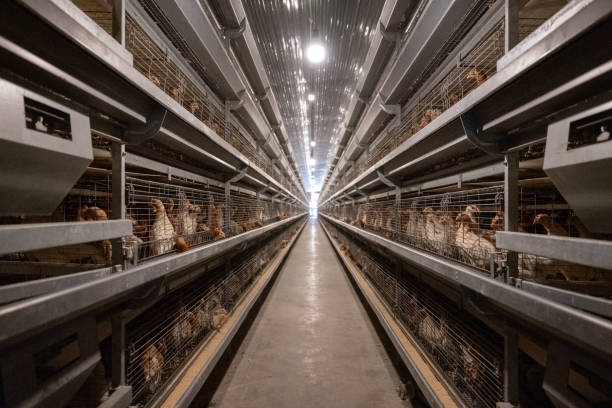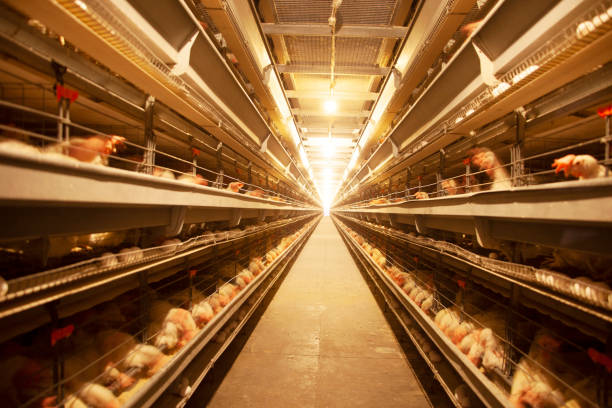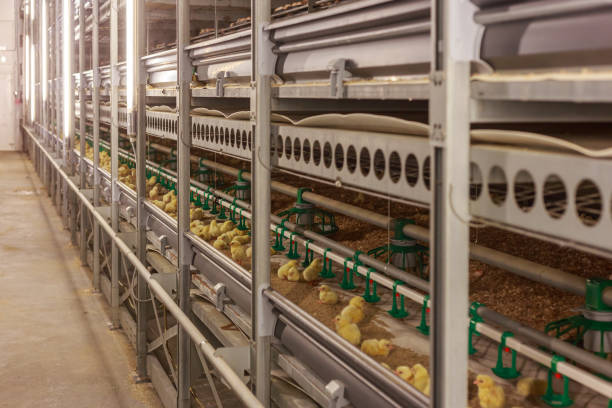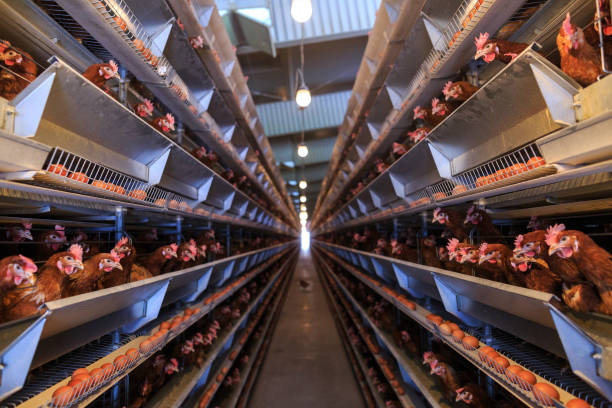

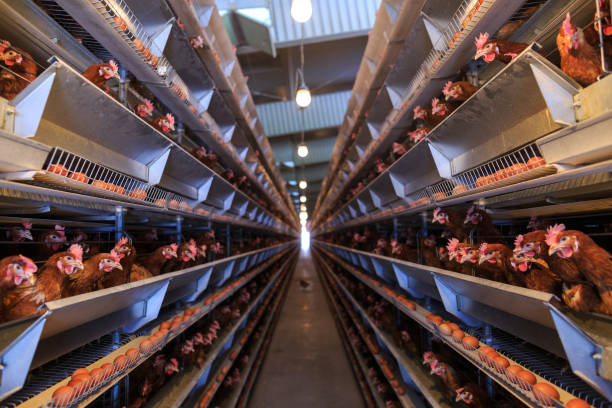
For a 100000-layer poultry farm in South Africa, an H Type Layer Battery Cage with a fully automated feeding, drinking, manure removal, egg collection, and environmental control system is the most efficient solution. It maximizes stocking density, reduces labor costs, improves egg quality, and supports long-term commercial egg production. A customized poultry house layout is essential to match South Africa’s climate and operating conditions.
H Type Layer Battery Cage for 100000 Layers in South Africa
South Africa continues to be one of Africa’s largest commercial egg producers. As labor costs increase and poultry businesses expand, more investors are choosing automated housing systems instead of conventional floor management.
For farms planning to raise 100000 laying hens, an H Type Layer Battery Cage provides the production efficiency required for modern commercial operations while reducing operating costs over many years.
Rather than purchasing individual pieces of equipment separately, most large farms now prefer an integrated poultry farming solution that combines housing design, automation, installation support, and technical guidance.
Why Is an H Type Layer Cage the Best Choice for 100000 Layers?
Compared with traditional A-type cages or floor systems, H-type cages offer significantly higher production capacity within the same building footprint.
Main Advantages
- Higher stocking density with efficient space utilization
- Fully automated feeding and drinking
- Automatic egg collection with minimal egg breakage
- Automatic manure removal for improved hygiene
- Lower labor requirements
- Better ventilation and environmental management
- Reduced disease transmission
- Long service life using hot-dip galvanized steel
According to commercial poultry project recommendations, H-type systems are generally preferred for farms exceeding 30,000 laying hens, while 100,000-bird projects typically adopt fully automated configurations.
What Equipment Is Needed for a 100000-Layer Poultry Farm?
A complete project generally includes the following equipment:
| Equipment | Function |
|---|---|
| H Type Layer Battery Cage | High-density bird housing |
| Automatic Feeding System | Uniform feed distribution |
| Automatic Nipple Drinking System | Continuous clean water supply |
| Automatic Egg Collection System | Reduces labor and egg damage |
| Automatic Manure Removal System | Improves sanitation |
| Feed Silo & Feed Conveyor | Bulk feed storage |
| Ventilation System | Fresh air circulation |
| Cooling Pads | Temperature reduction during hot seasons |
| Environmental Control Cabinet | Automatic climate management |
| Lighting System | Stable egg production |
Livi Machinery also supplies steel structure poultry houses designed to integrate seamlessly with automated equipment, ensuring efficient installation and long-term durability. Product specifications include hot-dip galvanized cages with a service life of approximately 15–20 years and multiple H-type configurations from 3 to 6 tiers.
How Should a 100000-Layer Farm Be Designed in South Africa?
Every project should be customized according to:
- Local climate
- Land size
- Electricity supply
- Labor availability
- Future expansion plans
South Africa experiences high temperatures in many provinces during summer.
Therefore, poultry house designs usually include:
- Tunnel ventilation
- Large exhaust fans
- Cooling pad systems
- Automatic environmental control
- Proper insulation
These systems maintain suitable temperatures while improving laying performance.
For projects of this scale, many customers choose one or two large poultry houses depending on available land and management preferences.
Recommended Configuration
| Item | Recommended Specification |
|---|---|
| Farm Capacity | 100,000 Layers |
| Cage Type | H Type Automatic Layer Cage |
| Cage Material | Hot-dip Galvanized Steel |
| Cage Tier | 5–6 Tier |
| Feeding | Automatic |
| Drinking | Automatic Nipple System |
| Egg Collection | Automatic Conveyor |
| Manure Removal | Automatic Belt System |
| Ventilation | Exhaust Fans + Cooling Pads |
| Environmental Control | Intelligent Control Cabinet |
Why Automation Is Important for Large Egg Farms
Managing 100000 laying hens manually becomes increasingly difficult.
Automation provides measurable operational advantages.
Lower Labor Costs
Automatic equipment greatly reduces the number of workers required for feeding, egg collection, and manure cleaning.
Better Egg Quality
Automatic egg collection minimizes collisions and reduces egg breakage.
Cleaner Poultry Houses
Regular manure removal decreases ammonia levels and improves bird health.
Consistent Feeding
Automated feeding distributes feed evenly throughout the poultry house, helping maintain uniform body weight and stable egg production.
Easier Farm Management
Environmental control systems automatically regulate:
- Temperature
- Humidity
- Ventilation
- Lighting
This allows farm managers to monitor conditions more efficiently.
Why Is This System Suitable for South African Poultry Farms?
Commercial poultry producers in South Africa often focus on:
- Lower production cost per egg
- Labor shortages
- Disease prevention
- Expansion potential
- Long equipment lifespan
An H-type battery cage system addresses these concerns by combining intensive production with reliable automation.
Many commercial farms also plan future expansion. Modular H-type cage systems make it easier to increase capacity without redesigning the entire operation.
Why Choose Livi Machinery?
Livi Machinery offers complete poultry farming solutions rather than supplying cages alone.
Our services include:
- Free poultry house layout design
- Equipment selection
- Capacity calculation
- Steel structure design
- Production and quality inspection
- International shipping
- Installation guidance
- Technical training
- After-sales support
Our poultry equipment has been exported to more than 80 countries, providing customized solutions for commercial poultry farms worldwide.
FAQ
How many poultry houses are required for 100000 layers?
This depends on land availability, house dimensions, local regulations, and your preferred management model. Most commercial farms use one or two large automated houses.
What cage tier is recommended?
For 100000 layers, 5-tier or 6-tier H-type cages are commonly recommended because they maximize production capacity while maintaining good ventilation.
How long does the equipment last?
Hot-dip galvanized H-type cages typically have a service life of 15–20 years under normal operating conditions.
Can the system be customized?
Yes. Cage layout, poultry house dimensions, ventilation, feeding systems, and automation levels can all be customized according to your farm requirements.