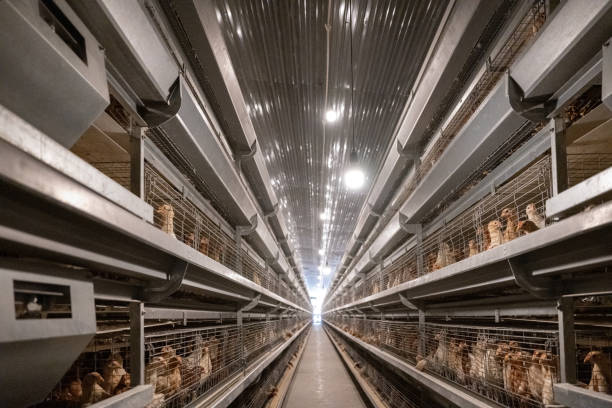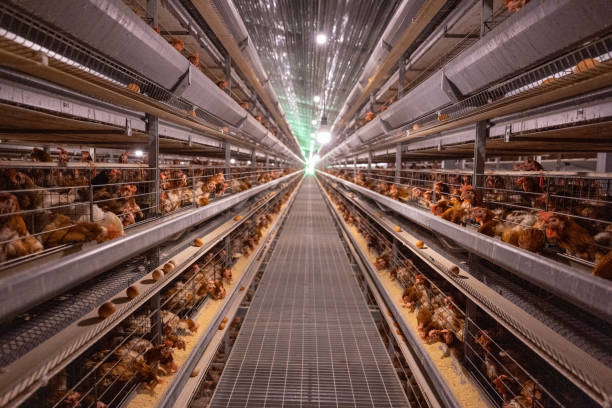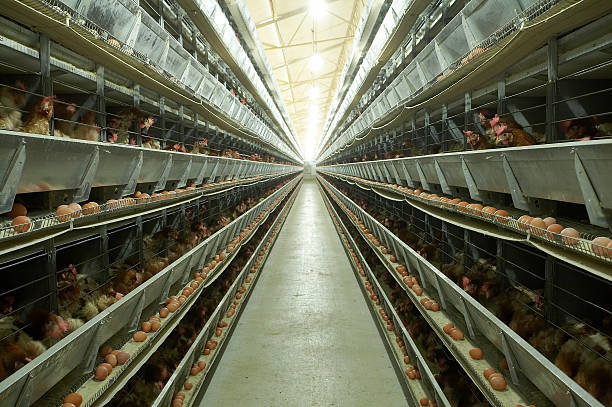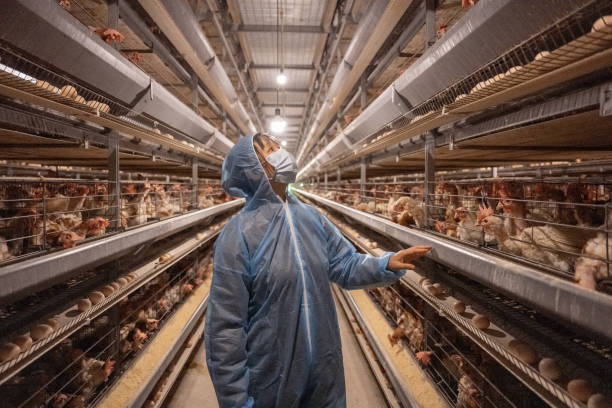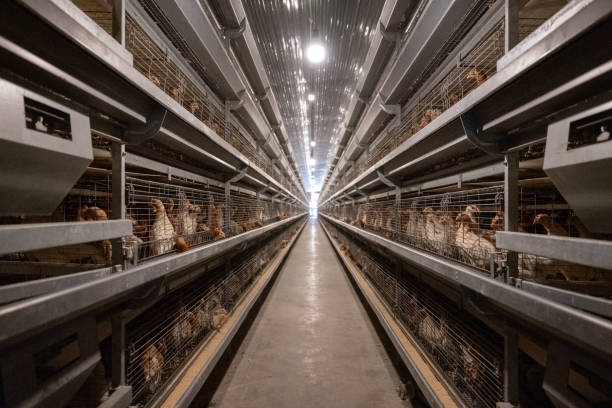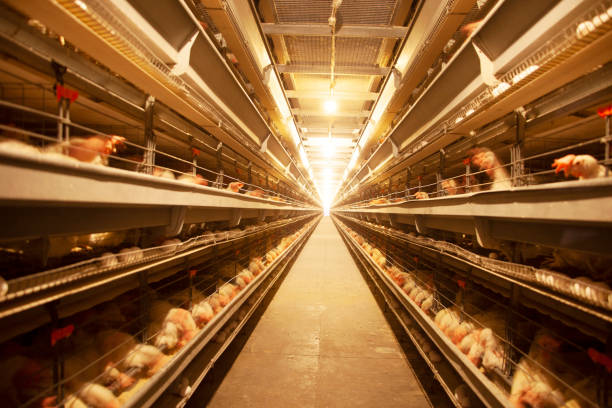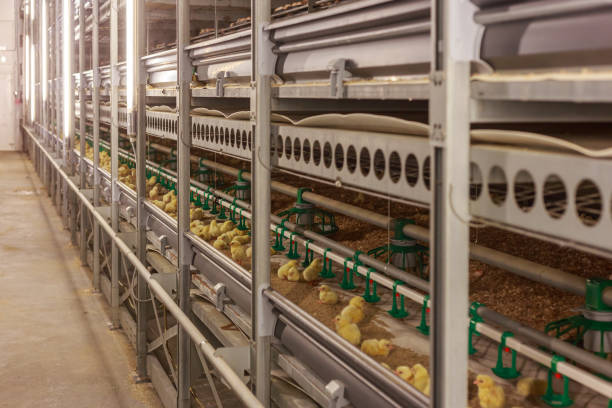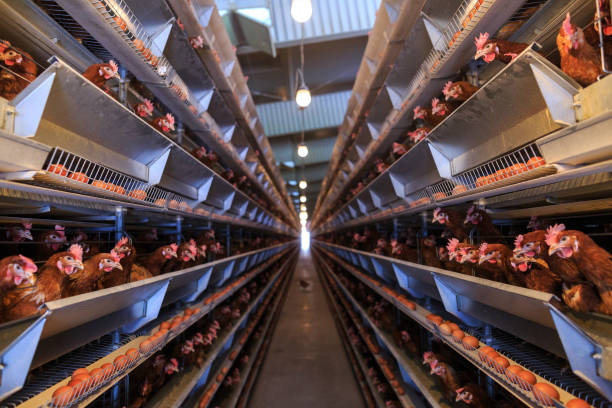

A practical 30,000 layers poultry farm design in Zimbabwe should use a space-efficient H-type layer cage system combined with automatic feeding, nipple drinking, manure removal, egg collection, and climate control. For investors planning a professional layer farm or expanding an existing operation, the best approach is to build a layout that supports efficient daily management today while reserving space and utilities for future capacity growth.
A 30,000-bird layer farm is large enough for automation to create measurable operational value. Manual feeding, egg carrying, and manure cleaning can become difficult to control as flock size increases. A properly designed system reduces repetitive labour, improves hygiene, protects egg quality, and gives the farm owner better visibility over feed, water, and environmental conditions.
For Zimbabwean poultry investors, the design should also consider seasonal heat, wet-weather drainage, reliable water supply, dust control, backup power planning, and the possibility of adding another poultry house later.
What Equipment Is Needed for a 30,000-Layer Farm in Zimbabwe?
For this scale, Livi Machinery generally recommends a four-tier H-type cage configuration with a high level of automation. A four-tier, four-door H-type module can accommodate 192 birds per set. Therefore, approximately 157–160 cage sets can provide a nominal capacity range of about 30,144–30,720 birds.
The final number of cage rows, house length, feed silos, fans, and manure conveyors should be confirmed after reviewing the farm site, chicken house dimensions, local electricity conditions, and expansion target.
| Design Item | Recommended Configuration | Main Purpose |
| Layer cages | 4-tier H-type battery cages | Increase bird capacity while reducing land use |
| Cage capacity | Approx. 157–160 sets for 30,000 layers | Provides practical capacity allowance |
| Feeding | Feed silo, conveying line, automatic feeder | Supports consistent and controlled feeding |
| Drinking | Nipple drinking line with regulator and medicator | Helps maintain clean water supply |
| Egg handling | Automatic egg collection system | Reduces manual handling and egg damage |
| Manure management | Automatic belt manure removal system | Improves house hygiene and labour efficiency |
| Ventilation | Fans, air inlets, controller, optional cooling pads | Helps manage temperature and air quality |
| Expansion | Reserved utility corridor and second-house space | Allows easier future growth |
Why Is an H-Type Layer Battery Cage System Suitable for 30,000 Hens?
An H type layer battery cage system for 30000 hens is often a better option than a basic A-type cage layout when land use, labour efficiency, and expansion are important considerations.
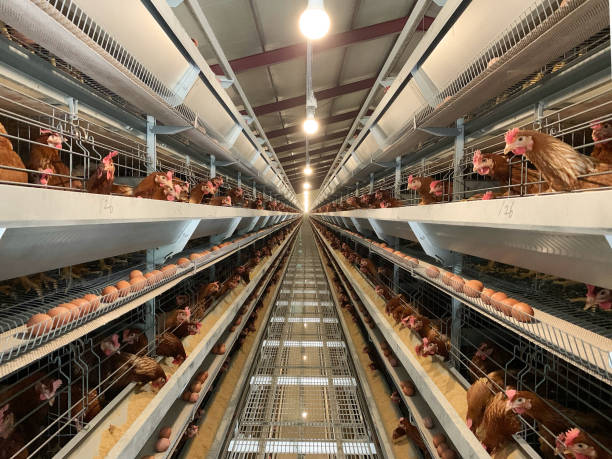
H-type cages use vertical space more effectively. This allows the farm to place more birds within a controlled house footprint while keeping feeding, drinking, egg collection, and manure removal organized by cage tier.
For a 30,000-layer project, a four-tier structure is often a balanced starting point. It provides higher density than A-type cages without pushing the farm into an overly complex building height or management structure.
Key advantages include:
- Better land utilization for farms with limited building space.
- Automatic manure belts that help maintain a cleaner poultry house.
- Centralized egg collection that reduces unnecessary handling.
- Easier monitoring of feed, water, ventilation, and manure removal.
- A layout that can be duplicated when the farm expands to a second house.
The cage floor is designed with an egg-rolling slope so eggs can move toward the collection area rather than remaining under the birds. This supports cleaner egg handling and reduces the chance of unnecessary collisions during collection.
Which Automated Systems Create the Most Value?
Automation should not be viewed only as a labour-saving investment. In a 30,000-layer operation, it is also a management-control investment.
How Does Automatic Feeding Improve Farm Consistency?
Automatic feeding equipment distributes feed along the cage rows at scheduled intervals. This helps reduce uneven feeding, avoids excessive manual work, and makes it easier to monitor feed consumption.
A feed silo and enclosed conveying line are recommended for this project size. The system should be selected according to local feed delivery frequency, storage requirements, and the farm’s preferred safety stock.
Why Is Automatic Egg Collection Important?
A 30,000-layer farm can generate a large daily egg volume. Manual collection can increase labour pressure and create more opportunities for egg cracking, contamination, or inconsistent collection timing.
An automatic egg collection system moves eggs from each cage tier to a central collection point. Livi Machinery systems can be configured with egg belts, elevators, guide devices, and central conveyors based on the collection room layout.
This helps the farm:
- Shorten egg collection time.
- Reduce repeated worker movement inside the poultry house.
- Improve egg sorting workflow.
- Keep eggs moving in a more controlled direction.
- Prepare for future grading and packing equipment.
How Does Automatic Manure Removal Improve Poultry House Hygiene?
A belt manure removal system collects manure from each cage tier and transports it outside the house on a planned schedule. This can reduce ammonia build-up, simplify cleaning routines, and improve the working environment for both birds and staff.
For Zimbabwe projects, manure storage and removal routes should be included in the original design. The manure area should be positioned away from the clean egg room, feed storage area, and main farm entrance.
How Should Zimbabwean Climate and Utility Conditions Affect the Design?
A poultry house in Zimbabwe should not rely on a fixed ventilation setting throughout the year. The system needs to respond to hot afternoons, dry and dusty periods, rainy-season humidity, and sudden weather changes.
The recommended approach includes:
- Adequate exhaust fans matched to house dimensions and bird density.
- Sidewall air inlets that guide fresh air into the house instead of allowing direct drafts.
- Insulated roofing or roof materials suited to heat reduction.
- Drainage channels around the poultry house to prevent rainwater accumulation.
- Water storage, filtration, and pressure control for stable drinking-line performance.
- Backup generator planning for ventilation, water, lighting, feeding, and egg collection.
- Emergency ventilation and alarm arrangements for power interruptions.
Before equipment production begins, Livi Machinery should confirm the site voltage, available phase supply, generator capacity, water source, borehole conditions, and farm access road. These details can affect motor selection, cable sizing, control-panel configuration, and installation planning.
How Can the Farm Be Designed for Future Expansion?
A strong 30,000-layer project should not consume every available area in the first construction stage. The site plan should reserve space for:
- A second layer house.
- Additional feed silos.
- Expanded egg grading or packing room.
- Future manure processing or composting area.
- Vehicle circulation for feed trucks and egg dispatch.
- Staff changing area and biosecurity entry point.
- Generator, transformer, and control room expansion.
This phased approach enables the owner to begin with a manageable production scale while protecting the future value of the land and infrastructure.
What Services Can Livi Machinery Provide for This Project?
Livi Machinery can support the project from poultry house planning through equipment configuration and installation guidance. The solution can include chicken house layout drawings, H-type cage selection, feeding and drinking systems, egg collection, manure removal, ventilation equipment, packing guidance, shipment planning, and after-sales technical support.
Rather than purchasing isolated equipment, farm owners can develop an integrated automatic poultry farm design where cage rows, feed routes, egg flow, ventilation, manure discharge, and worker movement are coordinated from the beginning.
FAQ
How many H-type cage sets are needed for 30,000 layers?
Using a four-tier, four-door H-type cage module with a nominal capacity of 192 birds per set, approximately 157–160 sets can be considered for a 30,000-layer project. The final layout depends on house dimensions, aisle width, bird density requirements, and operational reserve capacity.
Is a four-tier or five-tier cage system better for Zimbabwe?
A four-tier H-type system is often a balanced choice for a 30,000-layer farm because it combines high capacity with manageable building height and maintenance access. A five-tier system may be suitable where land is more limited, but it requires more detailed planning for ventilation, structural design, and operational management.
Should the farm install a backup generator?
Yes. Backup power should be considered essential for ventilation, drinking water, lighting, feeding, and egg collection. The generator capacity should be calculated from the actual electrical load of the selected equipment.
Can this 30,000-layer farm be expanded later?
Yes. The farm can reserve land, utility connections, feed-storage space, and traffic routes for a second poultry house. This makes future expansion more organized and reduces the need for costly redesign.
What information is needed before receiving a detailed quotation?
Livi Machinery will normally need the farm location, available land size, expected bird capacity, preferred cage type, chicken house dimensions, electricity details, water source, automation level, and planned expansion target.