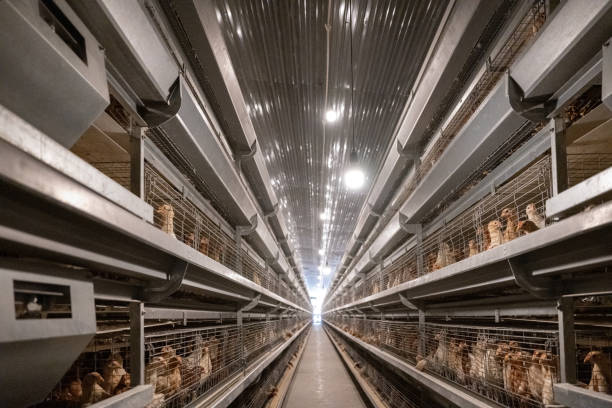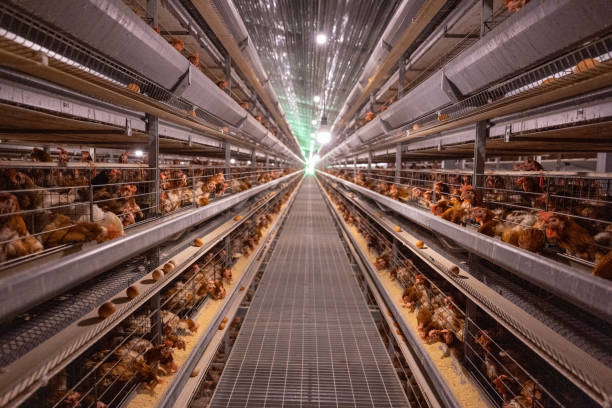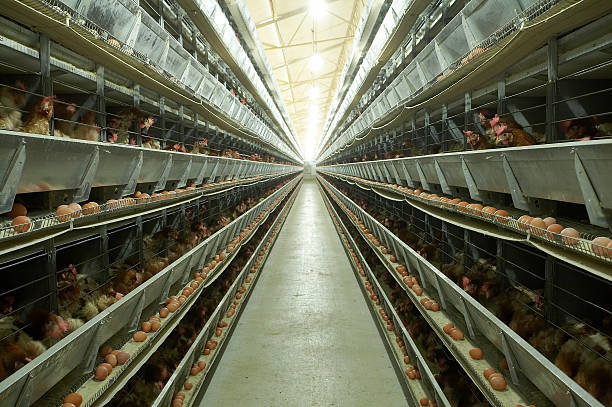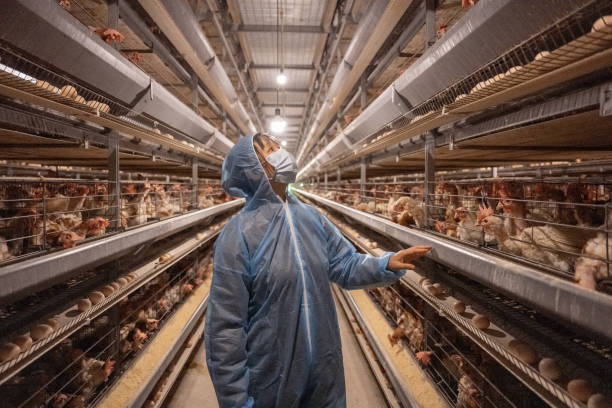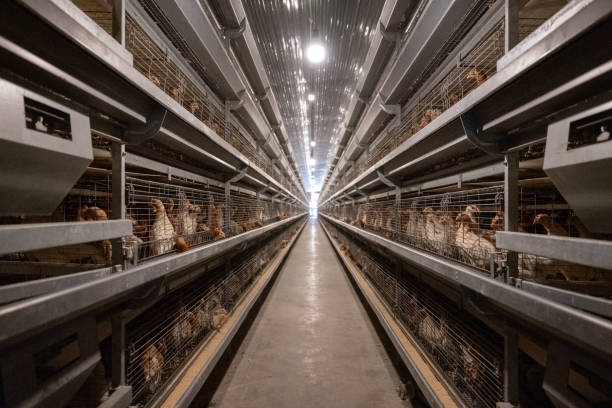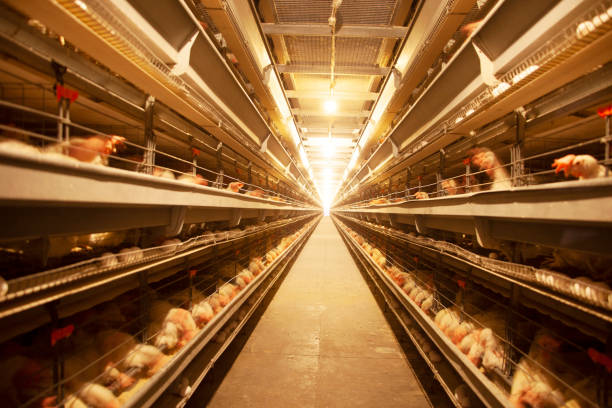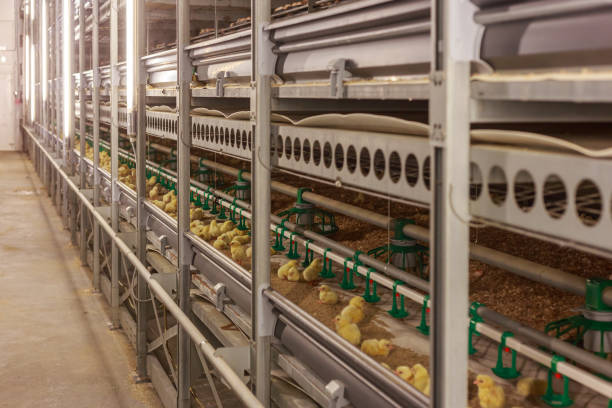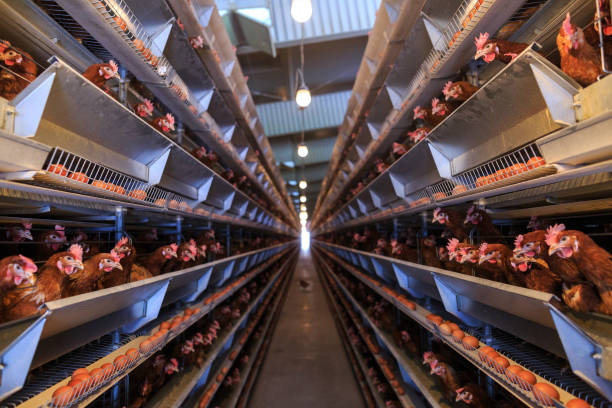

For a 60,000-layer poultry farm in Rwanda, a modular H type layer cage system with automatic feeding, drinking, manure removal, egg collection, and environmental control is usually the most efficient solution. Instead of placing all birds in one building, a practical approach is to build two 30,000-bird layer houses. This layout improves disease-control separation, simplifies daily management, supports phased construction, and leaves room for future expansion.
For Rwanda projects, the farm design should pay particular attention to rainfall drainage, roof sealing, airflow management, three-phase power preparation, water storage, and transport access for feed and egg delivery. Rwanda’s terrain and rainfall conditions can vary significantly by project location, so the house orientation and drainage plan should be confirmed through a site survey before construction.
Why Is an H Type Layer Cage System Suitable for 60,000 Layers?
A 60,000-bird project needs more than cages. It requires a coordinated production system that reduces manual work while keeping eggs clean, feed distribution even, manure removal regular, and house conditions stable.
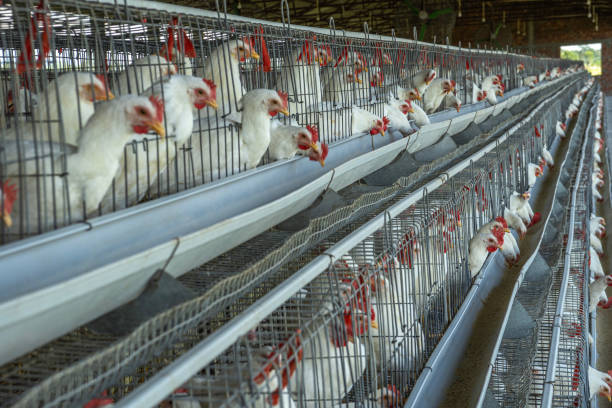
An H type layer battery cage system is suitable for this scale because it uses vertical space efficiently. Compared with a conventional A type cage layout, H type equipment can hold more birds within the same land area and can be integrated with higher levels of automation.
For a Rwanda 60,000-layer farm, LIVI Machinery recommends considering a five-tier H type cage configuration. Based on the selected cage model, a five-tier, four-door H type cage set can accommodate approximately 240 birds. That means the complete farm may require about 250 cage sets, divided into two poultry houses of around 125 sets each.
This is an indicative equipment calculation only. The final number should be adjusted according to house dimensions, aisle width, local building codes, flock management requirements, ventilation capacity, and the client’s preferred stocking density.
What Is the Recommended Configuration for a 60,000-Layer Farm in Rwanda?
| Farm Section | Recommended Configuration | Key Benefit |
|---|---|---|
| Layer houses | Two houses, approximately 30,000 birds each | Easier flock separation and lower operational risk |
| Cage system | Five-tier H type layer cage system | Higher land-use efficiency and centralized management |
| Feeding | Feed silo, conveying line, automatic feeding machine | Consistent feed delivery and lower labor demand |
| Drinking | Nipple drinking lines with pressure regulator and water meter | Cleaner water supply and easier medication control |
| Egg collection | Automatic egg belts and central egg collection line | Faster collection and reduced egg collision |
| Manure handling | Cage manure belts with transfer conveyors | Better hygiene and lower ammonia accumulation |
| Ventilation | Exhaust fans, air inlets, controller, optional cooling pads | More stable house environment during changing weather |
| Electrical system | Three-phase power design, control cabinet, generator interface | Supports continuous operation of automated equipment |
| Future expansion | Reserved land, feed line access, power capacity, manure zone | Makes the next production phase easier to build |
LIVI’s catalogue includes automated egg collection equipment with a capacity of at least 12,000 eggs per hour, helping a large farm organize collection cycles efficiently and reduce unnecessary handling.
Why Should the Farm Be Divided into Two 30,000-Bird Houses?
A single 60,000-bird house may appear simpler at the beginning, but two independent houses can offer better operational control.
With two 30,000-layer units, the farm owner can manage bird transfers, vaccination routines, egg collection schedules, and cleaning procedures with greater flexibility. It also creates a practical buffer if one house requires maintenance or temporary isolation.
This design is especially useful for investors who plan to expand in stages. The first house can be commissioned, tested, and operated before the second building reaches full production. This reduces pressure on farm management during the first production cycle.
A two-house design also makes it easier to create separate service areas for:
- Feed storage and delivery;
- Egg grading and packing;
- Manure collection and composting;
- Staff hygiene and changing rooms;
- Generator and electrical control equipment;
- Future pullet or replacement flock facilities.
What Climate and Power Issues Should Be Considered in Rwanda?
A layer house in Rwanda should not be designed only around bird quantity. Local rainfall, temperature changes, wind direction, site slope, water supply, and electricity availability all affect long-term farm performance.
The poultry house should include roof drainage, external drainage channels, a raised foundation where necessary, and protected access roads for rainy periods. Proper air inlets and exhaust fans are also important to maintain airflow without allowing direct rain or cold drafts to affect the birds.
Electrical preparation deserves special attention. LIVI ventilation fans are specified for 380V, 50Hz operation in the supplied equipment catalogue, while Rwanda commonly uses 230V, 50Hz low-voltage supply. The project should therefore include an on-site electrical assessment to confirm the available three-phase voltage, transformer requirements, control cabinet configuration, surge protection, and generator connection before equipment production begins.
For a 60,000-layer operation, a backup generator is not an optional detail. It is a core protection measure for ventilation, water supply, feeding, lighting, and egg collection during power interruptions.
How Can Automation Improve Daily Farm Management?
The value of automation is not only labor reduction. It creates more consistent routines.
Automatic feeding can distribute feed more evenly across cage rows, reducing the risk of uneven bird intake. Nipple drinking systems help keep water cleaner than open trough systems and allow farm managers to monitor water usage more accurately.
Automatic manure belts remove manure regularly from the cage system, helping reduce odor, flies, and excessive moisture inside the poultry house. LIVI’s manure belt system uses PVC or PP belts with motor-driven transport and scraper components designed for stable manure removal.
The automatic egg collection system can also improve egg handling. Eggs move from cage-level collection belts to the central line, reducing repeated manual carrying. This supports cleaner egg handling, faster collection, and lower breakage risk.
What Services Does LIVI Machinery Provide for a Rwanda Layer Project?
LIVI Machinery can support the project from the initial planning stage through installation guidance and after-sales service. The solution is not limited to supplying cages.
For a 60,000-layer farm in Rwanda, the service scope can include:
- Free poultry house layout and equipment configuration;
- H type cage system selection;
- Feed silo and automatic feeding design;
- Drinking, manure removal, and egg collection planning;
- Ventilation and environmental-control recommendations;
- Equipment loading and shipping support;
- Installation drawings and remote installation guidance;
- Operator training recommendations;
- Spare-parts and after-sales support planning.
The final design should be based on the client’s land size, site map, local utility conditions, feed delivery frequency, water source, preferred automation level, and future expansion target.
FAQ
Is an H type layer cage system better than an A type cage system for 60,000 layers?
For a 60,000-layer commercial farm, H type cages are generally more suitable because they provide higher stocking capacity, stronger automation compatibility, and better land-use efficiency. A type cages may be more appropriate for lower-budget or smaller-scale projects.
How many workers are needed for a 60,000-layer automated farm?
The exact number depends on egg packing, manure handling, maintenance routines, and farm management practices. However, automatic feeding, drinking, egg collection, and manure removal can significantly reduce the number of workers needed compared with a manually operated farm.
Can the 60,000-layer project be expanded later?
Yes. The farm should reserve land, power capacity, manure treatment space, feed storage access, and road width for future expansion. A modular two-house layout makes it easier to add another layer house when production and market demand increase.
What information is needed before LIVI prepares a quotation?
Please provide the farm location, available land dimensions, target bird quantity, preferred cage type, power supply details, water source information, and whether you need a steel poultry house, equipment only, or a complete turnkey solution.