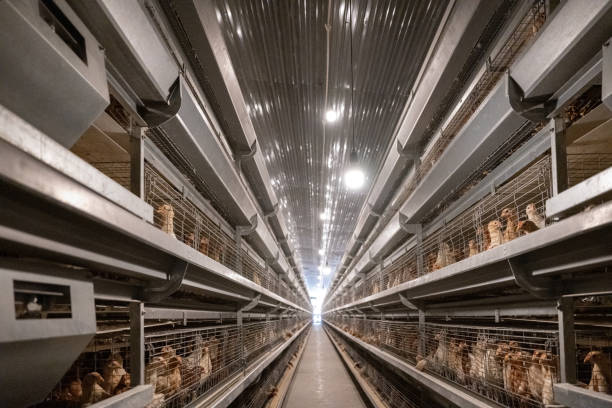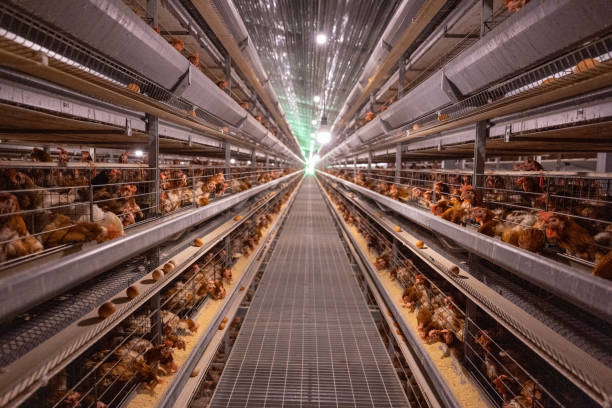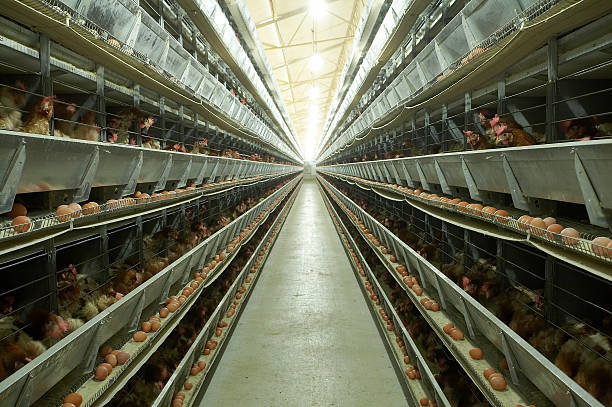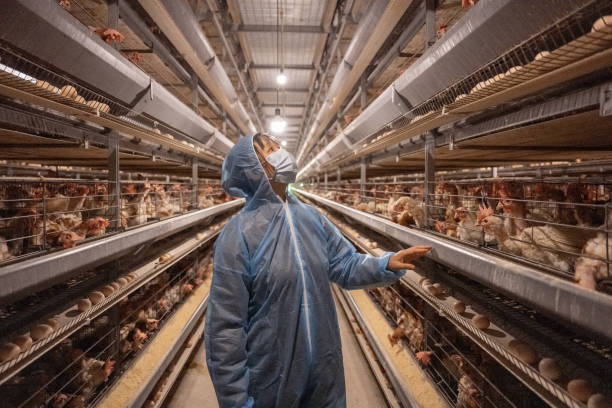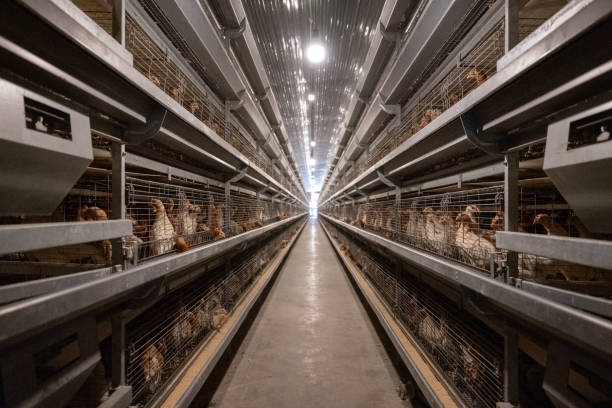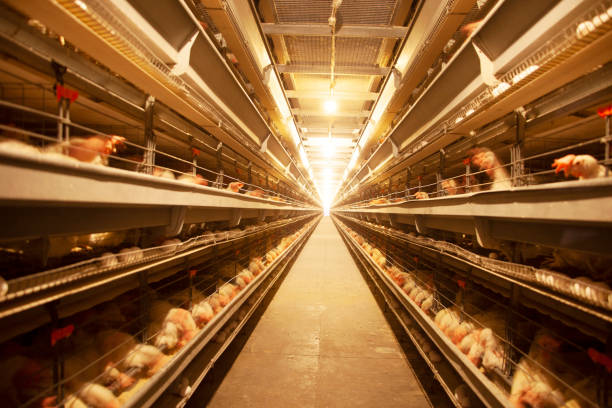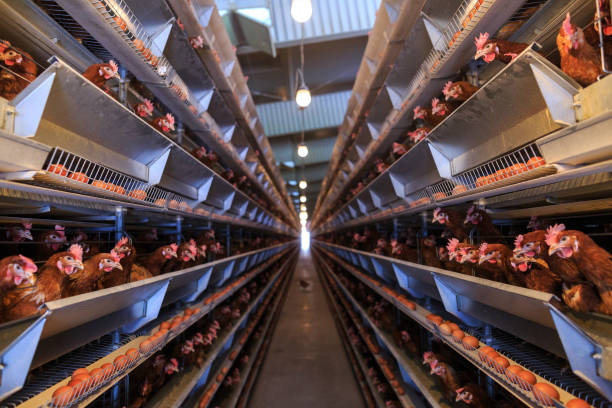

For a 20,000 layers poultry farm in Ghana, an H type automatic layer cage system is one of the most efficient solutions. Compared with traditional floor raising or A type cages, it saves land, reduces labor costs, improves egg collection efficiency, and makes future farm expansion much easier. A complete project generally includes the poultry house, H type cages, automatic feeding, nipple drinking, manure removal, egg collection, and environmental control systems.
Why Is Ghana a Good Market for Layer Farming?
Egg consumption continues to increase in Ghana due to rapid urbanization and population growth. Local production still cannot fully satisfy market demand, creating attractive opportunities for medium and large-scale poultry investors.
At the same time, poultry farmers in Ghana face several challenges:
- Rising labor costs
- High feed expenses
- Hot weather during much of the year
- Limited land resources
- Pressure to improve production efficiency
For farms planning 20,000 laying hens, automation becomes an investment that helps lower operating costs rather than simply an equipment upgrade.
What Is the Recommended Farm Layout for 20,000 Layers?
For this scale, we generally recommend one steel structure poultry house equipped with an H type layer battery cage system.
| Item | Recommended Configuration |
|---|---|
| Capacity | 20,000 Layers |
| Cage Type | H Type Layer Battery Cage |
| Feeding | Automatic Chain Feeding |
| Drinking | Automatic Nipple Drinking System |
| Manure Removal | Automatic Belt Cleaning |
| Egg Collection | Automatic Egg Collection |
| Climate Control | Fans + Cooling Pads + Air Inlets |
| Farm Management | Intelligent Environmental Controller |
This configuration provides high production efficiency while keeping daily management simple.
Why Choose an H Type Layer Cage Instead of an A Type Cage?
Although both cage systems are widely used, H type cages are more suitable for commercial farms planning long-term development.
| Comparison | H Type Cage | A Type Cage |
|---|---|---|
| Land Utilization | Excellent | Good |
| Automation Level | Fully Automatic | Semi/Automatic |
| Labor Requirement | Very Low | Moderate |
| Expansion Capability | Excellent | Limited |
| Suitable Farm Size | 20,000+ Birds | Small to Medium Farms |
The H type system can accommodate significantly more birds in the same building area while reducing labor requirements.
According to Livi Machinery’s engineering solutions, the hot-dip galvanized cage structure is designed for long service life and supports automatic feeding, manure removal, drinking, and egg collection systems.
What Equipment Is Required Besides the Cage System?
A modern poultry farm is much more than cages.
1. Automatic Feeding System
Benefits include:
- Uniform feed distribution
- Reduced feed waste
- Lower labor costs
- Consistent feeding schedule
2. Automatic Drinking System
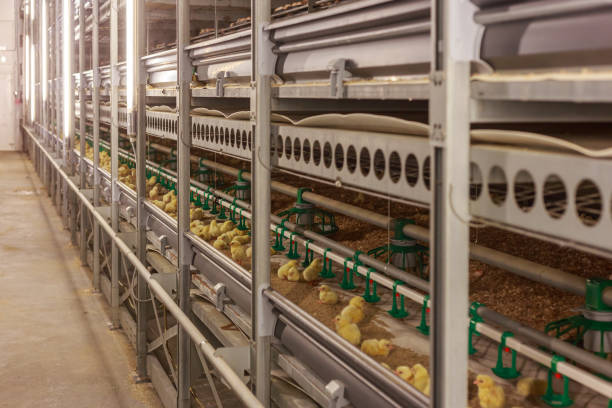
The nipple drinking system supplies clean water continuously while minimizing leakage and maintaining better litter conditions.
3. Automatic Egg Collection
Advantages include:
- Lower egg breakage
- Faster collection
- Cleaner eggs
- Reduced labor intensity
4. Automatic Manure Removal
Automatic manure belts help maintain a cleaner poultry house by:
- Reducing ammonia concentration
- Improving bird health
- Lowering disease risk
- Making manure collection easier
5. Ventilation and Environmental Control
Because Ghana experiences relatively high temperatures for much of the year, environmental control equipment is especially important.
Recommended equipment includes:
- Exhaust fans
- Cooling pads
- Air inlet windows
- Environmental controller
- Temperature and humidity sensors
These systems help maintain stable house temperatures, improve feed conversion, and reduce heat stress during hot seasons.
The company’s catalog notes that its environmental control system manages temperature, humidity, ventilation, and air quality automatically while supporting real-time monitoring.
Typical Project Workflow
Livi Machinery usually assists customers through the following process:
- Farm consultation
- Capacity confirmation
- Poultry house design
- Equipment configuration
- Production
- Ocean shipping
- Installation guidance
- Technical training
- After-sales support
This integrated approach helps reduce construction mistakes and shortens project implementation time.
A Typical Ghana Farm Example
One customer from Ghana planned to build a commercial layer farm capable of producing fresh eggs for local supermarkets and wholesalers.
Customer Requirements
- 20,000 laying hens
- Future expansion possible
- Lower labor costs
- Stable egg production
- Modern management
Recommended Solution
- 4-tier H type layer cage system
- Automatic feeding
- Automatic manure removal
- Automatic egg collection
- Nipple drinking system
- Ventilation and cooling system
After installation, daily management required significantly fewer workers while improving feeding efficiency and egg collection speed.
Why Choose Livi Machinery?
Livi Machinery has exported poultry equipment to more than 80 countries and provides customized poultry farm design, equipment manufacturing, installation guidance, and after-sales service. The company emphasizes integrated design, engineering support, and automated poultry solutions for medium and large farms.
Our services include:
- Free poultry house layout
- Customized equipment configuration
- Steel structure design
- Installation guidance
- Remote technical support
- Spare parts supply
- Farm expansion planning
Whether you are building your first commercial poultry farm or expanding an existing business, our engineering team can recommend the most suitable solution.
FAQ
How much land is needed for a 20,000-layer farm in Ghana?
The exact land requirement depends on the poultry house design and supporting facilities. An H type cage system generally requires much less land than traditional floor systems because it utilizes vertical space more efficiently.
Is an H type cage suitable for Ghana’s climate?
Yes. When combined with cooling pads, ventilation fans, and automatic environmental control, H type cages perform well under Ghana’s tropical conditions.
How many workers are needed?
A fully automated 20,000-layer farm usually requires only a small management team compared with manual farming methods.
Can the farm be expanded later?
Yes. During the initial design stage, additional poultry houses and equipment can be planned for future expansion.