
Best Chicken Cage Selection Guide
Choosing the right chicken cage system is one of the most important decisions you’ll make when setting up or upgrading your poultry farm. Whether you’re raising layer hens, broilers, or chicks, the type of cage you select directly affects bird health, egg production, labor efficiency, and overall profitability. With so many options on the market—ranging from classic galvanized steel cages to fully automated smart systems—it can be overwhelming to know where to start. At Livi Machinery, we’ve helped hundreds of poultry farmers worldwide choose the best solutions for their farms. In this complete guide, we’ll walk you through everything you need to consider before buying a chicken cage system.
What Kind of Farm Are You Running?
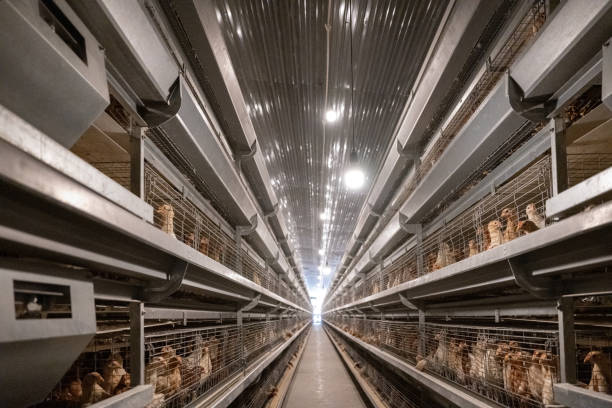
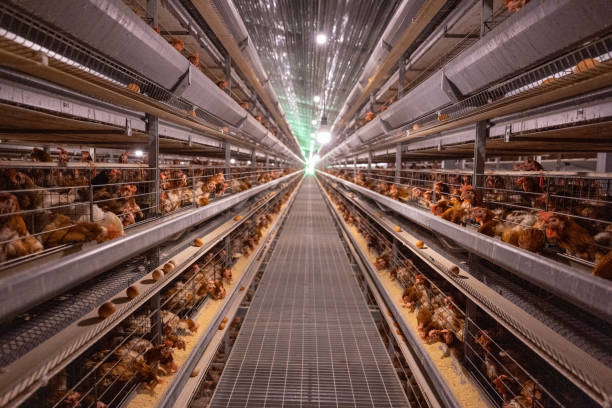
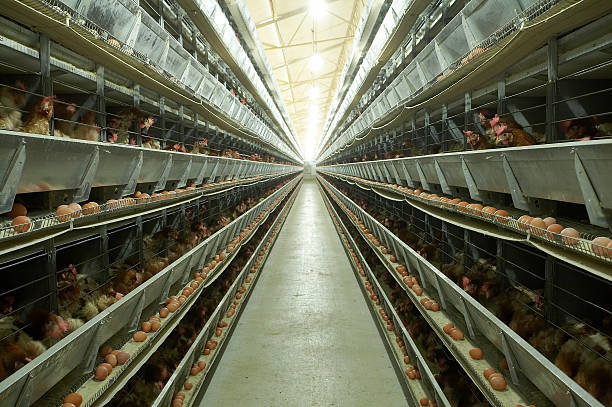
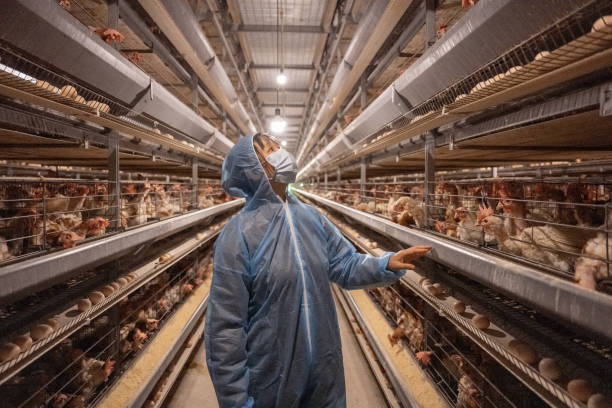
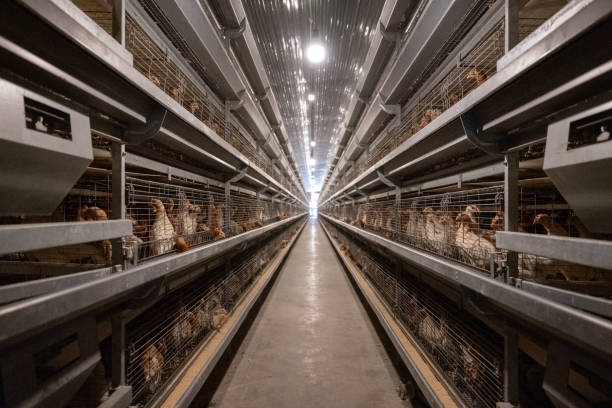
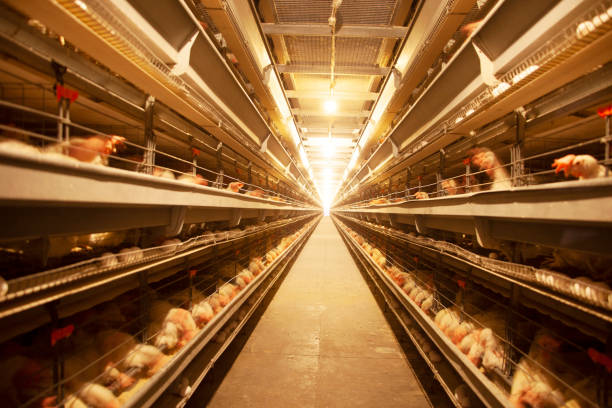
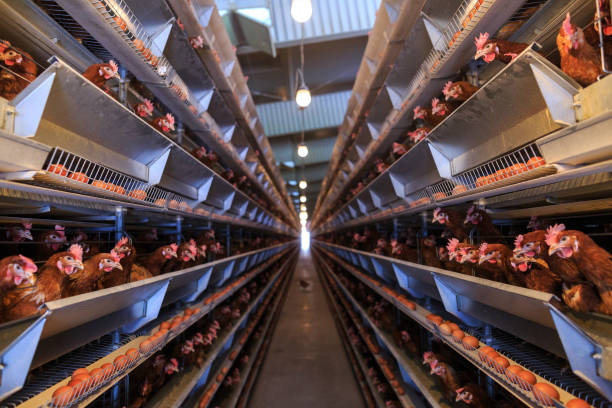
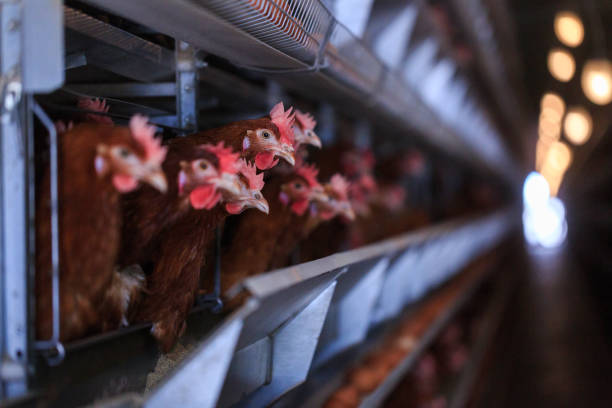
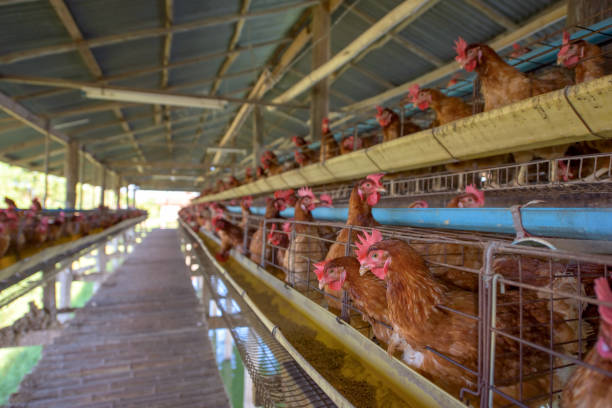
The first step in selecting the best chicken cage is understanding your specific operation. Poultry farming isn’t one-size-fits-all—what works for a small backyard flock won’t suit a 50,000-bird commercial facility. So, ask yourself: what type of chickens are you raising, and what’s your main goal? If you’re focused on egg production, then layer chicken cages are your go-to solution. These cages are designed to maximize laying efficiency with features like sloped floors that allow eggs to roll gently into collection trays, reducing breakage and saving labor time.
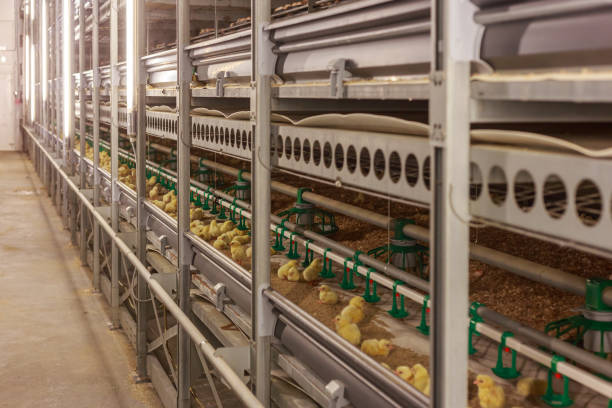
On the other hand, if you’re raising meat birds, a broiler chicken cage or floor rearing system may be more suitable. Broiler cages offer better air circulation and easier waste management, which helps maintain a healthy environment for rapidly growing birds. For hatcheries or early-stage growth, chick rearing cages (also known as育雏笼) provide controlled conditions for temperature, feeding, and safety during the critical first few weeks. Knowing your production goals will help narrow down which cage types meet your operational needs.
Your farm size, climate, and local regulations also play big roles. For example, farms in hot climates may benefit from mesh-sided cages that improve airflow, while colder regions might require insulated housing with heated platforms. And if you’re planning to export eggs or poultry, you’ll need to comply with international animal welfare standards—which often means choosing cages with enough space per bird and proper stress-reducing designs.
Key Features That Make a Great Chicken Cage
Not all chicken cages are built the same. A high-quality cage should be durable, easy to clean, safe for the birds, and efficient to operate. Here’s what to look for:
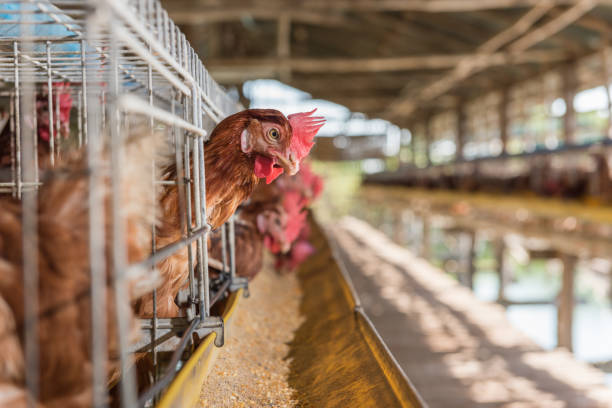
Material quality matters. Most top-tier cages are made from hot-dip galvanized steel, which resists rust and corrosion—even in high-humidity environments. While cheaper PVC-coated or cold-galvanized alternatives exist, they tend to wear out faster, especially under constant exposure to manure and cleaning chemicals. Investing in heavy-duty materials upfront saves money on replacements down the line.
Automated functions are becoming standard in modern poultry farms. Consider whether your system includes automatic feeding, drinking, manure removal, and egg collection. Automation reduces labor costs significantly and ensures consistent daily routines, which keeps birds less stressed and more productive. For instance, an auto-feeder guarantees every bird gets the same amount of feed at the same time, avoiding competition and uneven growth.
Ventilation and lighting integration are often overlooked but equally important. Poor airflow leads to ammonia buildup and respiratory diseases, while improper lighting schedules can disrupt laying cycles. The best cages are designed to work seamlessly with tunnel ventilation systems and LED lighting controls. Some advanced models even come with sensors that monitor temperature, humidity, and CO₂ levels inside the house.
Don’t forget about expandability and layout flexibility. Choose a modular design that allows you to scale up as your business grows. Whether you’re building a single-house operation or a multi-barn complex, being able to add more rows or adjust configurations later gives you long-term adaptability.
Maximizing Efficiency with Smart Systems
Today’s best chicken cages aren’t just metal frames—they’re part of intelligent farming ecosystems. At Livi Machinery, we specialize in equipping our clients with smart poultry housing solutions that use real-time data to optimize performance. Imagine getting alerts on your phone when feed levels are low, or when temperatures rise above normal thresholds. Our IoT-enabled monitoring systems connect directly to your cage setup, giving you full visibility no matter where you are.
Smart cages also allow for precision management. You can track individual house productivity, identify problem areas quickly, and adjust settings remotely. For example, during summer heatwaves, the system can automatically trigger cooling pads and increase fan speed to protect your flock. In winter, heating elements turn on based on preset conditions, ensuring chicks stay warm without wasting energy.
We’ve seen farms reduce mortality rates by 15% and boost egg production by up to 20% just by switching to a smarter, more responsive cage environment. One customer in Nigeria upgraded from manual wire cages to a full automated line with central control—and cut his labor force in half while doubling output. Technology pays off, not just in comfort, but in hard profits.
And it’s not just about hardware. We offer full support from the initial farm layout plan to installation training and after-sales service. Our team helps calculate stocking density, recommend cage heights and tiers, and ensure proper alignment with feeding lines and waste belts. This level of attention ensures your system runs smoothly from Day One.
How to Choose the Right Supplier & Get Started
Once you know what kind of cage you need, the next step is partnering with a reliable manufacturer. Price shouldn’t be the only factor—after all, a poorly made cage could cost you more in repairs, downtime, and lost birds. Look for suppliers with proven experience, real-world references, and strong after-sale support.
At Livi Machinery, we’ve been designing and manufacturing poultry equipment since 2012. Every cage we build is field-tested and customized to fit different climates and farm sizes. From small family-run operations to large export-focused facilities, we’ve delivered over 300 projects across Africa, Southeast Asia, South America, and Eastern Europe.
Our process starts with listening. Tell us about your farm, your birds, your challenges—and we’ll design a solution tailored to your exact needs. We handle everything: engineering drawings, material sourcing, shipping logistics, and on-site installation guidance. We also provide training videos and manuals in English, Spanish, French, and Arabic so your staff can operate the system confidently.
If you’re ready to upgrade your poultry operation with a high-performance chicken cage system, now is the time. Better housing means healthier birds, higher yields, and lower operating costs. But don’t do it alone—partner with experts who understand your goals.
Ready to find the perfect chicken cage setup for your farm? Drop us a message with your flock size, location, and production type, and we’ll send you a free consultation plus a detailed quote within 24 hours.
Frequently Asked Questions
What is the lifespan of a good chicken cage?
A well-made galvanized steel chicken cage can last 15 to 20 years, especially if maintained properly. Regular cleaning and inspections help extend its durability.
Can I customize the size of the chicken cages?
Absolutely. We offer fully customizable dimensions based on your barn size, bird type, and desired stocking density. Just share your requirements, and we’ll design accordingly.
Do you offer automated egg collection systems?
Yes, our layer cages come with optional auto-egg collection belts that transport eggs gently to a central packing area, minimizing breakage and labor.
Are your cages suitable for both small and large farms?
Yes, our modular designs work for farms of all scales—from backyard setups with a few hundred birds to industrial farms housing tens of thousands.
How does automation reduce labor costs?
Automation handles feeding, watering, manure removal, and egg collection automatically, reducing the need for daily manual tasks. One worker can manage what used to take five people.
Do you ship internationally?
Yes, we export globally with sea freight options and provide all necessary documentation, including certificates of origin and compliance reports.
Can I get spare parts easily?
Yes, we keep common replacement parts—like mesh panels, nipple drinkers, and motors—in stock and can dispatch them quickly to avoid downtime.
What support do you offer after purchase?
We provide installation guidance, training resources, troubleshooting help, and long-term technical support via email, WhatsApp, or video call.
Is assembly difficult?
Most of our systems are pre-assembled or semi-knocked down for easy on-site installation. We include clear instructions and can arrange technician visits if needed.
How soon can I expect delivery?
Production time is typically 15–20 days, followed by shipping based on your location. We’ll give you a clear timeline once your order is confirmed.